
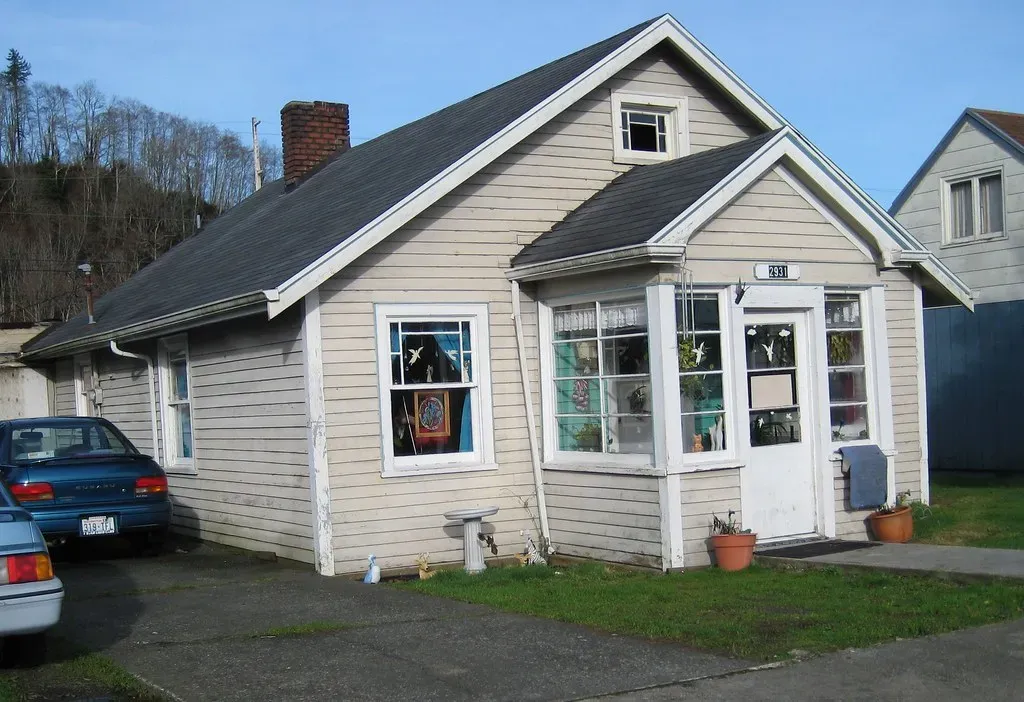
There’s a reason buyers still cross town – sometimes cross the country – to compete for a 1920s bungalow or a mid-century brick ranch over a freshly framed subdivision home. Something about older houses just holds up. Not always in the energy-bill department, sure. But in ways that are harder to put on a spec sheet and harder still to replicate with modern production methods.
The conversation about old versus new usually defaults to a simple trade-off: character versus convenience. That framing undersells what older homes actually deliver. From the density of the lumber inside their walls to the depth of the communities surrounding them, these properties offer real, documented advantages that often can’t match – no matter how smart the thermostat is.
1. Old-Growth Lumber That’s Simply Irreplaceable
Wood used in construction before around 1920 came from trees that were themselves typically 300 to 600 years old when cut. Because they had grown so slowly, their grain patterns were tight and their color deep and rich – giving the timber substantial strength and density that modern lumber cannot match. The trees simply no longer exist in commercial quantities. Around the 1920s, most of the old-growth lumber had been harvested, and unlike steel or cement, old-growth lumber can no longer be replicated.
The heart pine timbers used to build many older southern homes were taken from old-growth trees that were 200 to 300 years old. These trees had heartwood that was extremely dense, making timbers that were heavy and long-lasting with a natural resistance to disease and insects. That kind of raw material is now essentially a museum piece – one that happens to be holding up someone’s ceiling.
2. Full-Dimension Framing That’s Genuinely Bigger
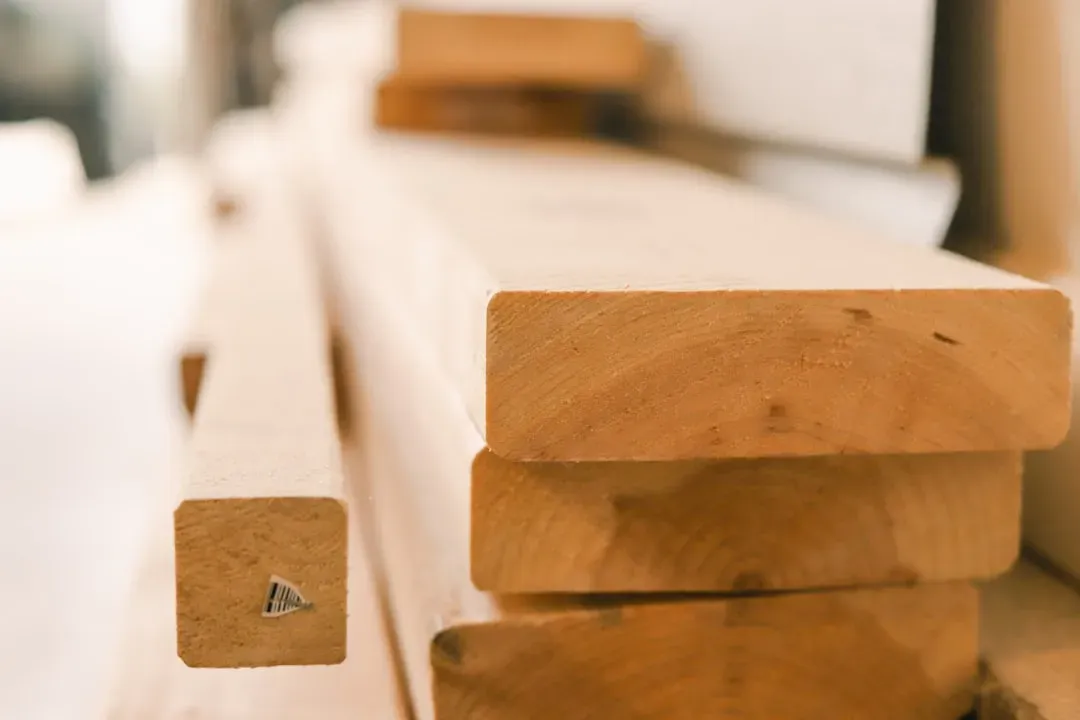
Wood used in home construction fifty to a hundred years ago primarily came from old-growth forests, offering dense, durable timber with tight growth rings that naturally resisted rot and insects, often cut into full-dimension lumber like true 2x4s. That matters more than it sounds. A current 2×4 measures about 1.5 inches by 3.5 inches, smaller than the full-dimension lumber of earlier eras. This shift was driven by efficiency and resource conservation as the lumber industry adapted to dwindling old-growth supplies by the 1980s.
Old houses are built from lumber that is true to its dimensions. New building standards have shrunk our timbers – a modern 4×4 is actually smaller than 4 inches by 4 inches. The structural difference between genuinely full-size framing and today’s nominal sizing is real and measurable, especially in load-bearing contexts over decades of use.
3. Plaster Walls That Outperform Drywall on Sound and Durability

Wood lath covered by several layers of plaster provides better sound insulation than drywall. Plaster is also more fire-resistant than drywall, especially when laid over metal lath. Those are not minor perks – they represent a wall system that was built to last and was engineered, in an analog sense, for both comfort and safety. Plaster is a dense material, significantly denser than drywall, which helps reduce sound transmission by creating mass that resists vibration. When sound waves hit a plastered surface, much of their energy is absorbed and dispersed within the plaster layer, rather than passing through.
At the turn of the 20th century, plaster was the most popular interior wall covering in North America, and it remained so for the next several decades. Most homes with plaster walls were built before 1940. That these walls have survived nearly a century of settling, temperature swings, and daily life – and still feel solid underfoot and underhand – speaks to how seriously they were built.
4. Thermal Mass That Naturally Regulates Indoor Temperature
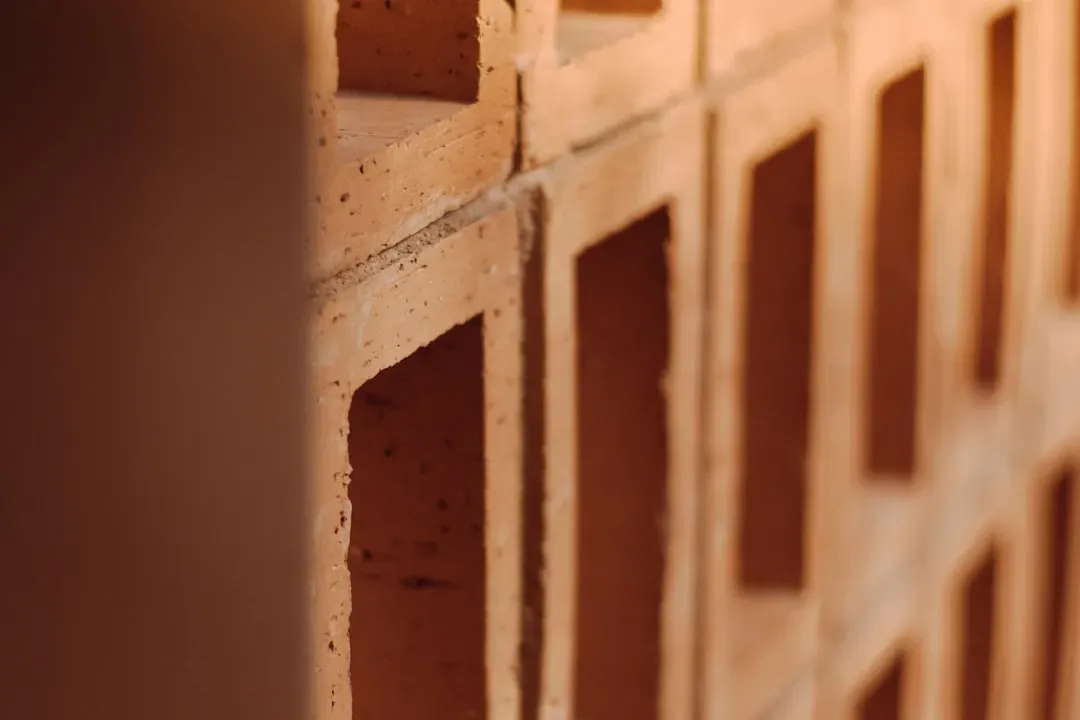
Thick walls made of brick, stone, adobe, or plaster absorbed heat during the day and released it slowly at night, creating a more stable indoor climate. This thermal regulation worked especially well in regions with extreme seasonal changes. It was passive climate control long before the term existed. Before the age of insulation, air conditioners, and central heating units, incorporating thermal mass into a house was the primary strategy for regulating indoor temperature. Earlier homes were mostly heated by a fireplace or cast-iron wood stove, so the brick, stone, or other wall materials were built purposefully to be much thicker than the 2×4 framed walls that define most modern construction.
Thermal mass describes a material’s ability to store heat from surrounding air or surfaces. Generally speaking, the denser the material, the better the thermal capacity. Floors, walls, and ceilings made of dense construction materials like concrete, brick, stone, and rammed earth have the ideal properties for thermal mass. Many older homes were designed with exactly these materials in mind – without anyone calling it a “feature.”
5. Architectural Individuality You Can’t Buy Off a Plan
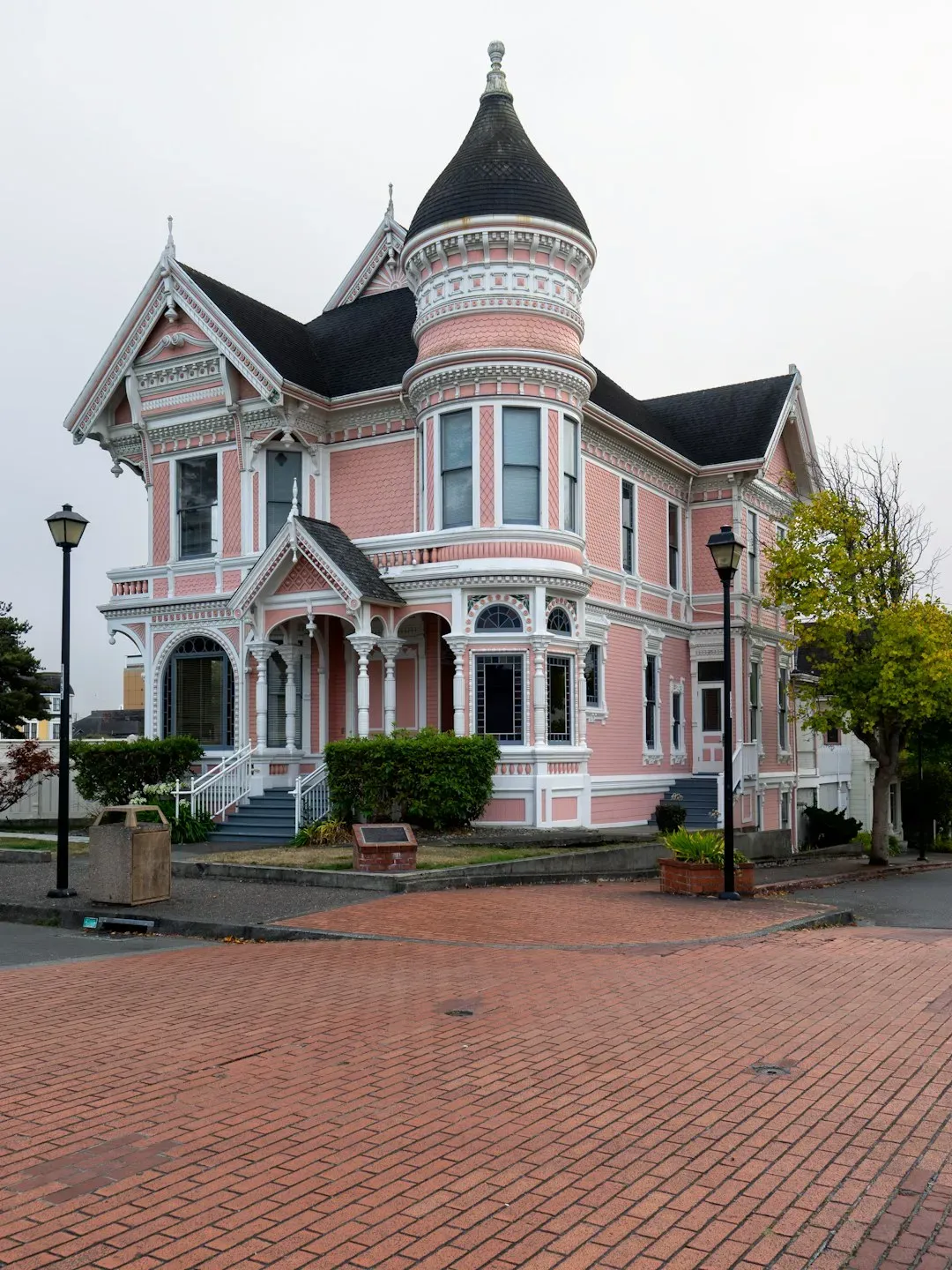
With cookie-cutter homes popping up across the nation, old houses stand out for their commitment to architectural individuality. Victorian, Colonial, and Tudor are just three of the many architectural styles that aren’t often replicated today. The craftsmanship and attention to detail that went into building these structures can be hard to find in modern homes. Each of those styles represents a specific cultural moment, a set of priorities, and a level of handwork that production building simply cannot absorb economically.
Without question, older homes have a certain charm and character that newer homes simply cannot replicate. They’ve had the opportunity to build up their personality over the last 75 to 100-plus years. Many older homes have distinct architecture and craftsmanship that you can’t find in today’s homes. That distinctiveness isn’t just aesthetic – it becomes a meaningful factor in long-term desirability and resale value.
6. Established Neighborhoods With Proven Stability
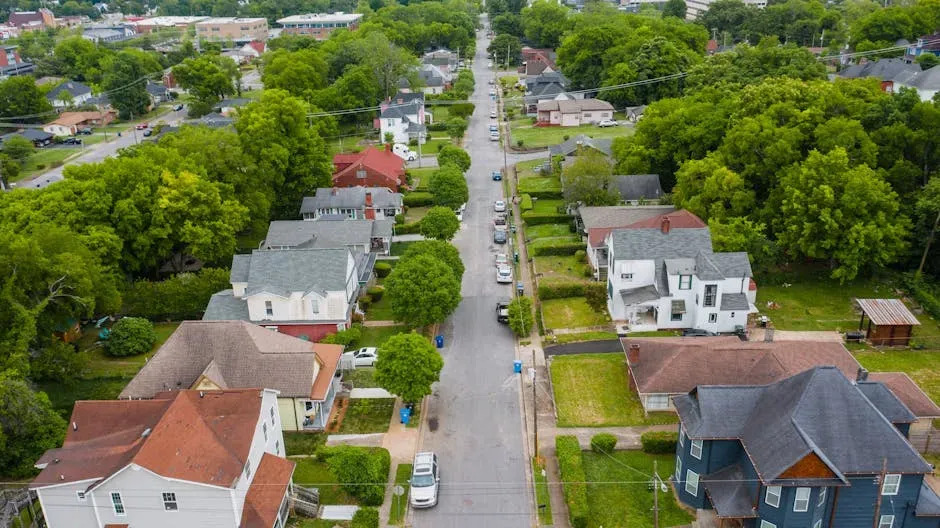
Older neighborhoods are typically more established and are unlikely to undergo zoning or developmental changes, making your surroundings more predictable. That predictability has real value. When you buy in a 90-year-old neighborhood, you already know what the block looks like at full build-out. There are no vacant lots waiting for a cell tower or a drive-through. Looking beyond the home itself, buying property also involves considering the surrounding neighborhood. Older homes tend to be more centrally located, closer to downtown, and in stronger communities, making them less likely to undergo zoning changes.
These houses also tend to be in more established neighborhoods and are often more centrally located than new construction communities. When buying an older house, you may get a better sense of its value as an investment – you can look up its price history and see how it has grown in value over time, giving you a better sense of whether it will be a good financial decision. That paper trail simply doesn’t exist for a home that was framed last spring.
7. Superior Walkability and Urban Access
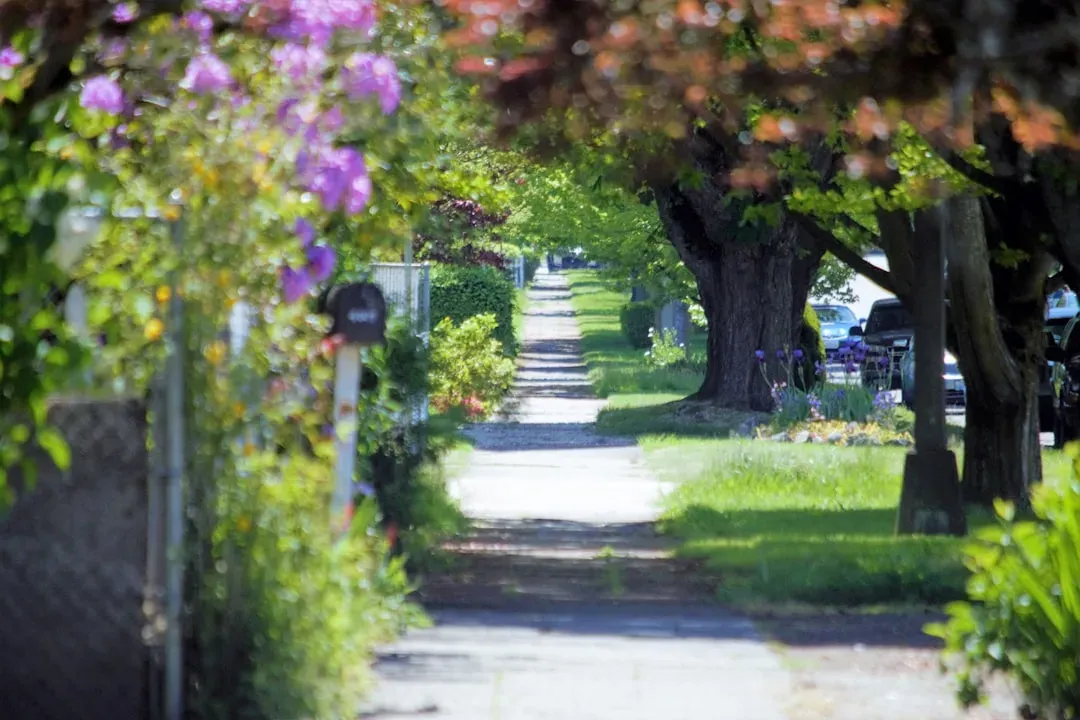
Streets are laid out in tight grids and often have sidewalks; residential and commercial properties are often adjacent or in close proximity. These building patterns make older neighborhoods and city centers more walkable. Walkability isn’t just a lifestyle preference – it translates directly to financial value. Research from Smart Growth America found that homes in walkable neighborhoods sold for roughly a third higher in price per square foot compared to auto-oriented areas.
A survey from the National Association of Realtors asked buyers whether they would pay more to live in a community where they could easily walk to parks, shops, and restaurants. Roughly three in four respondents across all age groups agreed to varying degrees, with an overwhelming majority of Gen Z buyers willing to pay either a little or a lot more for such access. Older neighborhoods were built before car dependency took hold, and that original design logic is now one of their most valued traits.
8. Mature Trees and Landscaping That Take Decades to Grow
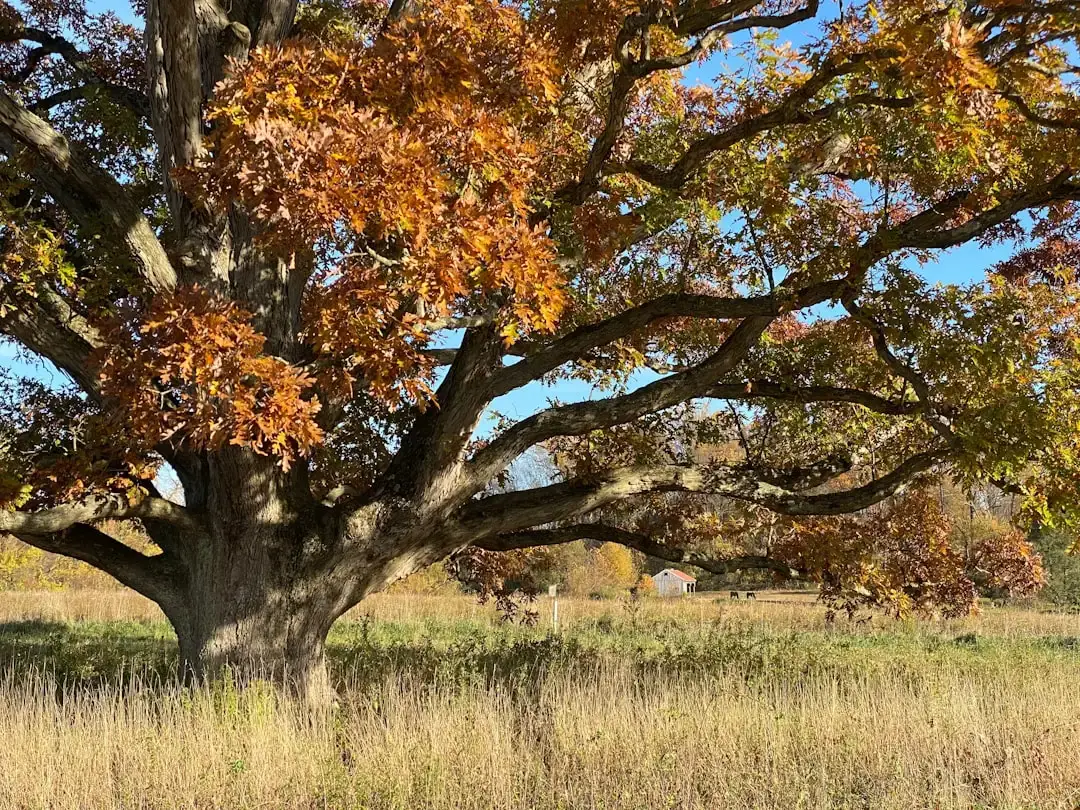
Because land used to be more affordable, older homes frequently come with larger yards. This land was often filled with extravagant landscaping, including trees and bushes that have been cared for over several generations. This type of mature landscaping has been proven to raise the value of a home and can make homeowners more comfortable due to the emotional benefits of being in a home with more surrounding greenery. A 60-foot oak in the backyard is not a feature you can install – it’s a feature you inherit.
Older houses often have larger yards with mature landscaping. There may even be trees and shrubbery that were planted decades ago – or longer. Established landscaping can be a huge attraction with an older home. No new build can offer this on day one, and the wait to get there takes a generation at minimum.
9. Higher-Quality Pre-War Materials Across the Board
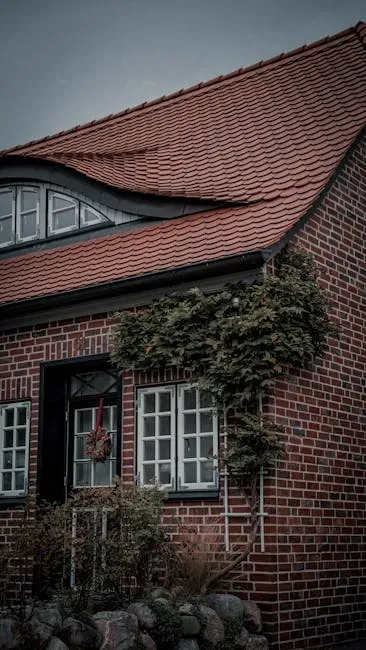
Buildings built before World War II tend to contain materials of higher quality, such as marble and heart pine. Many contain wood that came from old-growth forests. In short, older homes can hold a wealth of treasures, some of which may not even be immediately recognizable. They also tend to have more charming furnishings, and much individuality and artistry went into making them. These weren’t luxury upgrades at the time – they were just the standard.
Pre-World War II buildings also tend to be more solidly built. A home from 100 years ago that is still standing and in good condition is a testament to the quality of the construction – meaning that purchasing an older home may be a wiser long-term investment. There is something quietly convincing about a house that has already survived a century and still has good bones.
10. Proven Track Record as a Long-Term Investment

There’s great power in knowing your home’s purchase history, which can indicate the property’s appreciation value over time. Although what happened in the past isn’t guaranteed to occur in the future, this paper trail can indicate whether the home you’re purchasing is a good long-term investment. With newer homes, there is little to no information to use to make an educated decision. History is a kind of data that money can’t manufacture.
Although factors like location and condition determine a property’s price, an existing home in the same area and the same size as a new construction will generally cost less to purchase. That lower entry point, combined with a documented appreciation history in stable neighborhoods, gives older homes a financial argument that often survives the comparison – even after accounting for renovation costs.
11. Larger Lots With More Outdoor Space
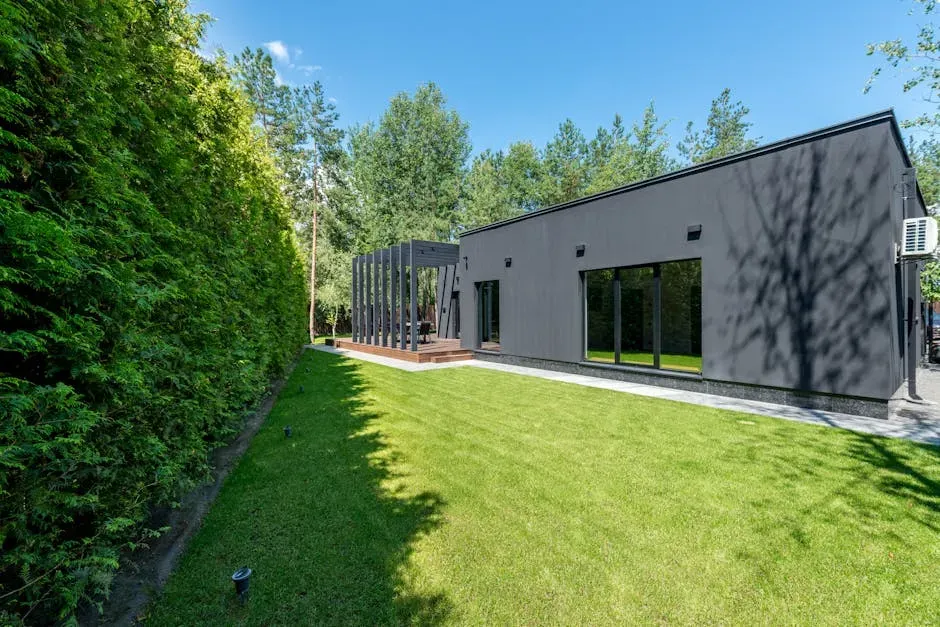
Land used to cost less than it does now, so builders could create homes on larger lots to accommodate all your spatial needs. The economics of land today have simply flipped. Developers working in 2026 are squeezing every square foot from parcels that cost far more than their counterparts a generation ago. Because land was a lot more affordable all those years ago, older homes can have larger yards – meaning more space for weekend activities, entertainment for kids, and landscaping projects.
That extra outdoor space has practical implications beyond aesthetics. Room for a garden, a workshop, a shed, or simply privacy from adjacent neighbors is increasingly rare in newer developments, where lots shrink to meet density requirements. Once that space is gone from a neighborhood, it rarely comes back.
12. Central Locations Close to City Amenities

Older residential areas tend to have more desirable locations and could be closer to city centers, grocery stores, restaurants, or other attractions. This could also boost your home’s property value because homeowners will pay a premium for access to nearby amenities. Location is the one thing in real estate that cannot be renovated. A new build on the edge of a developing suburb may eventually become central – but the timeline is measured in decades, not months.
In larger cities, older homes in neighborhoods near downtown business districts have experienced significant increases in sale price and volume over recent years, reflecting growing homebuyer demand for walkability and affordable housing options close to employment centers. The urban core premium that older homes quietly carry has only strengthened over the past several years as remote-work trends reversed and commute proximity regained importance.
13. Distinctive Craftsmanship in Trim, Moldings, and Joinery
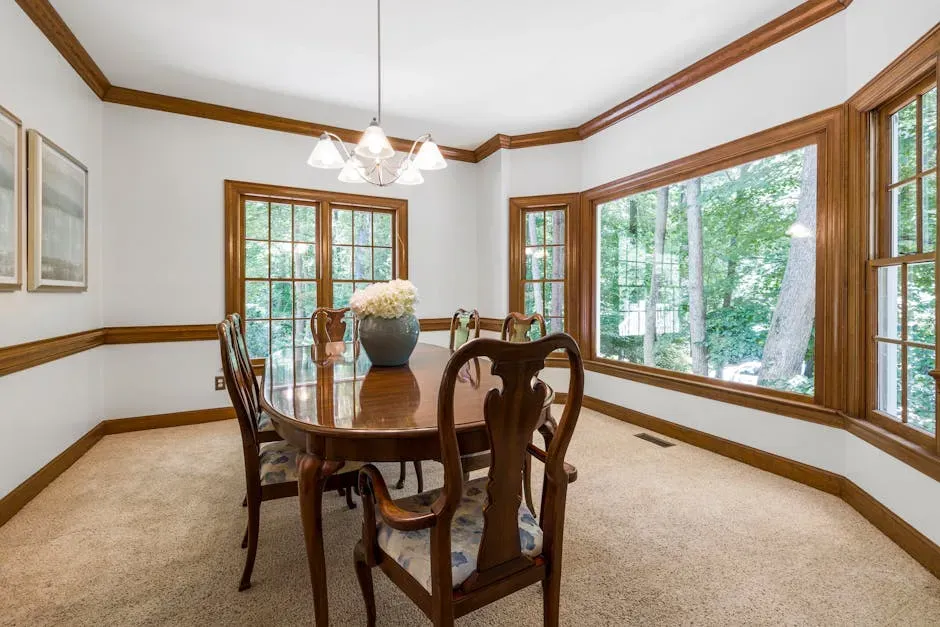
Wood is one of the most prevalent materials in historic homes, used for everything from framing and flooring to intricate moldings and cabinetry. Old-growth timber, with its tight grain and rich color, is nearly impossible to find today. The crown moldings, built-in bookcases, wainscoting, and hand-turned banisters common in pre-1950s homes were executed by tradespeople who spent careers developing a single skill. That depth of craft is rare and expensive to replicate today.
Old houses can have a charm of their own. They often boast unique architectural details and character that give them a special feel. From Victorian to colonial-style homes, you’re more likely to see one-of-a-kind craftsmanship. These details aren’t merely decorative – they’re structural and functional elements that were built with care precisely because replacing them was never assumed to be easy or cheap.
14. A Sense of Place and Community That Compounds Over Time
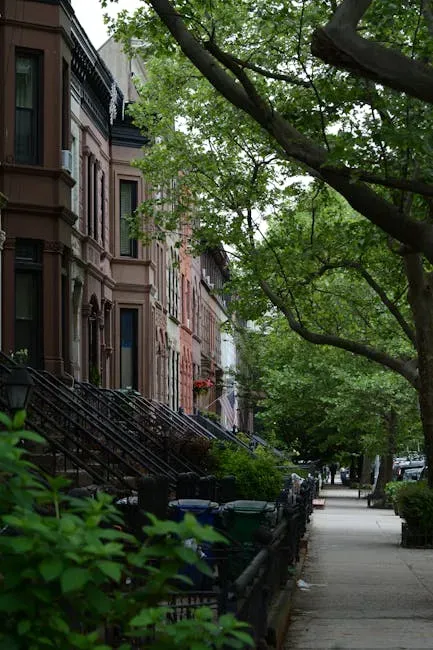
Considering all the downtown revivals taking place across the country, it’s safe to say that people have a fondness for historical places. The materials used in older constructions, which often include heart pine, old brick, and marble, convey a feeling of warmth that their new counterparts can’t rival. With their mix of architectural styles and remnants of different occupants, they’re just more interesting to look at. A neighborhood full of homes with different histories, different owners, and different eras visible in the facades creates a kind of layered identity that no master-planned community can fake.
When looking at historic buildings, some people feel a sense of patriotism or pride in their country’s rich heritage. Others might find them cozy and reassuring. Whatever the reasons may be, most people prefer to imagine themselves living in and surrounded by older buildings. When you preserve a historic property, you’re not just saving wood and bricks – you’re saving information about the lives of your ancestors. That kind of meaning doesn’t show up in a builder’s spec sheet, but it accumulates quietly over the years into something real.
Older homes carry genuine trade-offs – energy costs, maintenance demands, systems that eventually age out. None of that should be dismissed. Still, the advantages outlined here are not nostalgia. They’re structural, material, locational, and cultural facts that persist regardless of how polished the new-build marketing gets. For buyers willing to engage with a home rather than simply occupy it, the older stock often delivers more – in density, in depth, and in the kind of durability that only decades can confirm.