
Walk into almost any home and the kitchen tells you something the rest of the house doesn’t. It’s the room where clutter accumulates fastest, where good intentions about organization often fall apart within a week, and where the gap between how a space looks in photos and how it actually functions becomes obvious almost immediately. Storage isn’t just a design detail tucked into renovation plans. It shapes how comfortably people cook, how much time they waste searching for things, and how a kitchen holds up over years of daily use.
The push for isn’t about excess or hoarding gadgets nobody uses. It’s about giving every item a logical home so the kitchen can actually support the way people live now, with more small appliances, more specialty ingredients, and less patience for chaos.
The Modern Kitchen Carries More Than It Used To
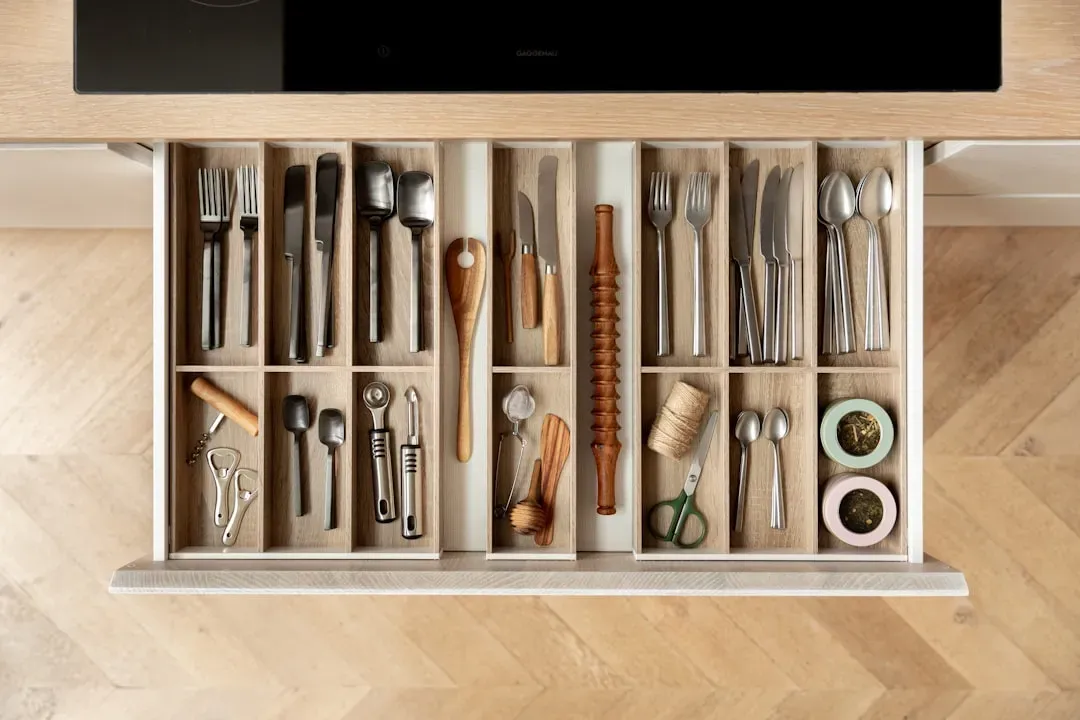
Kitchens today hold far more than pots and pans. Air fryers, stand mixers, espresso machines, and half a dozen other appliances have become standard in many households, and each one needs a place to live when it’s not in use. Pantries have grown too, stocked with specialty flours, sauces, and bulk purchases that didn’t exist in the average kitchen a generation ago.
This shift means the storage layouts designed decades ago simply don’t match current needs. A kitchen built with a handful of cabinets and a single pantry closet struggles to keep up with how much people now buy, cook, and prepare at home. isn’t a luxury upgrade in this context, it’s closer to a functional necessity.
Cluttered Counters Slow Everyone Down
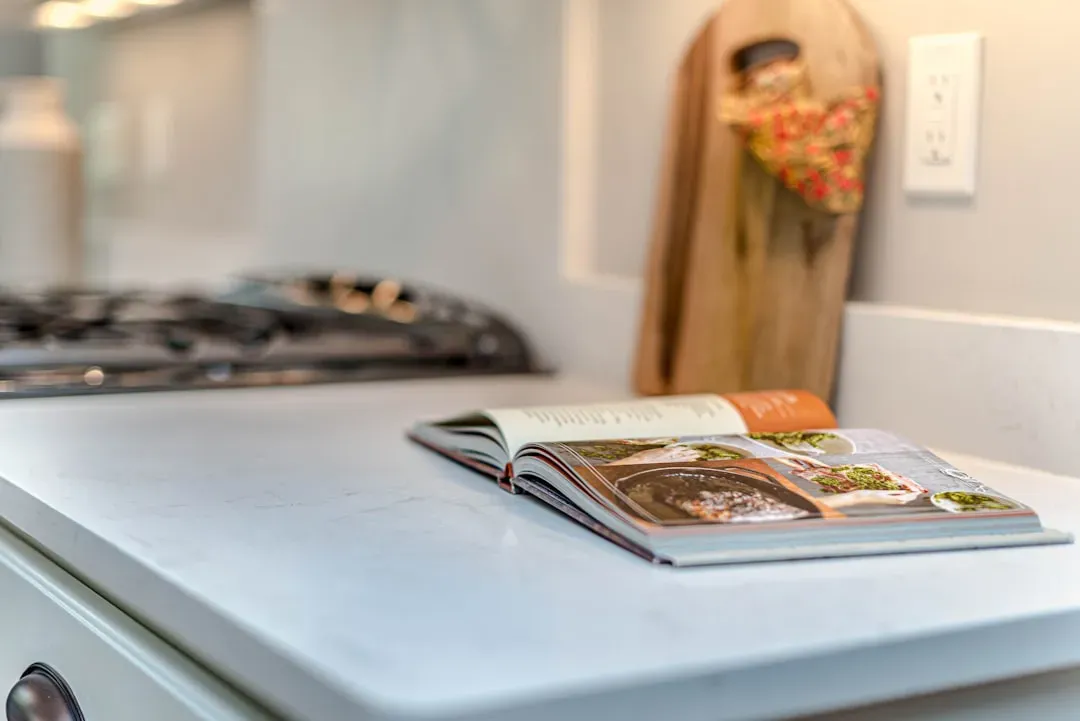
When storage runs short, counters become the default overflow zone. Appliances, mail, cutting boards, and half-used ingredients pile up on the one surface meant for actual food preparation. Over time, this clutter doesn’t just look messy, it actively interferes with cooking, forcing people to shuffle items around before they can even start chopping vegetables.
A kitchen with adequate storage keeps counters clear by design, not by constant tidying effort. Every appliance has a cabinet, every tool has a drawer, and the counter stays open for the task at hand. That difference alone changes how a kitchen feels to use every single day.
Vertical Space Is Still Widely Underused
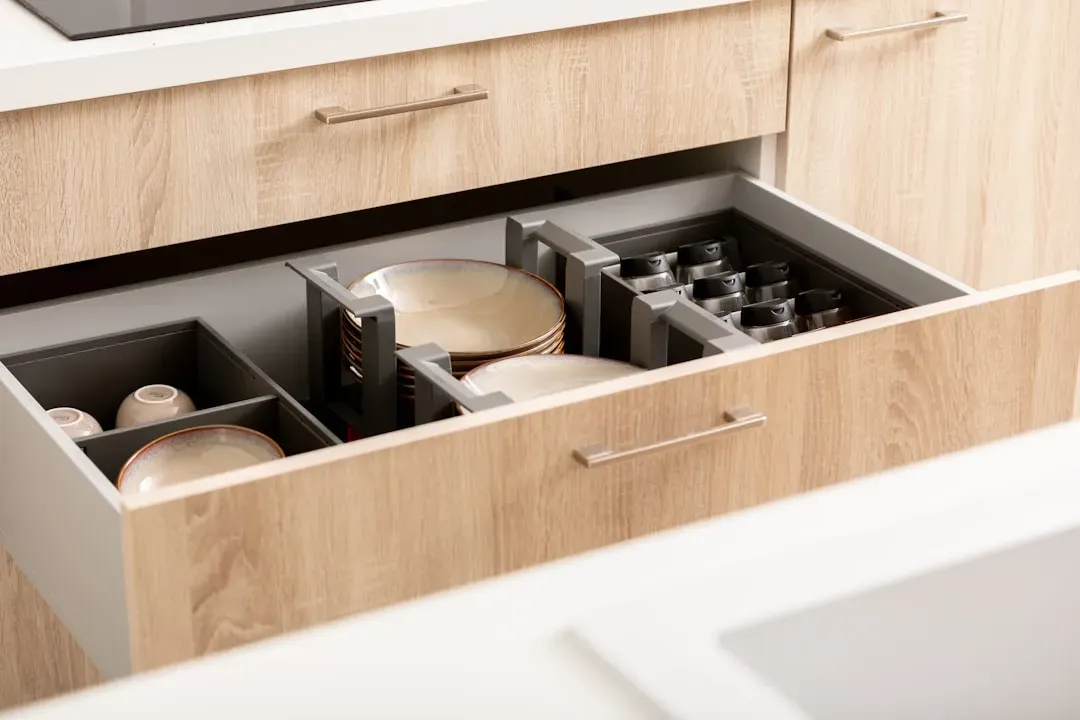
Most kitchens max out their lower cabinets and drawers while leaving the space above eye level nearly empty. Tall, unused wall space near the ceiling often becomes dead zone, even though it could hold seasonal items, extra dishware, or bulk pantry goods that aren’t needed daily. Extending cabinetry higher, or adding open shelving above counters, can dramatically increase usable storage without expanding the kitchen’s footprint.
Vertical storage solutions like stacked shelving, hanging racks, and tall pantry cabinets solve a common problem in older homes where floor space is limited. Rather than knocking down walls or adding square footage, homeowners increasingly look upward first. It’s often the most cost effective way to add meaningful capacity.
Pantry Layout Changes How People Cook
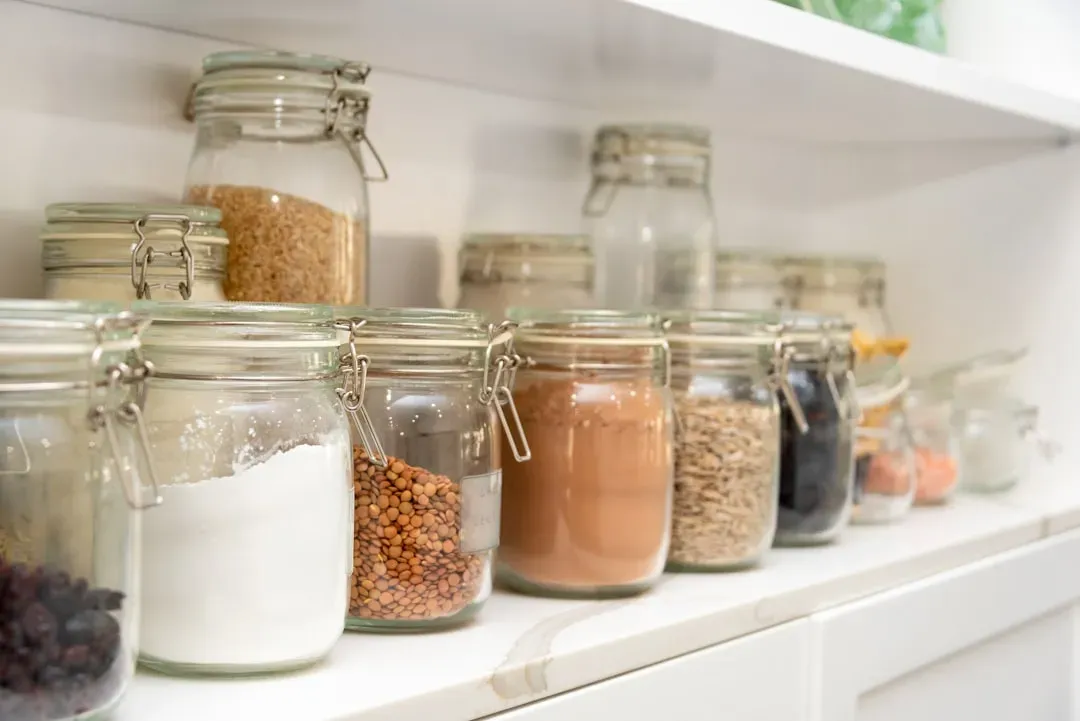
A disorganized pantry doesn’t just look chaotic, it actively discourages home cooking. When ingredients are buried behind other items or scattered across mismatched shelves, people are more likely to order takeout simply because finding what they need feels like too much effort. A well organized pantry with clear zones for grains, canned goods, snacks, and baking supplies removes that friction entirely.
Pull out shelves, labeled bins, and adjustable racking have become popular precisely because they turn a static closet into a working system. People can see what they have, avoid duplicate purchases, and reduce food waste from forgotten items pushed to the back. A functional pantry supports better cooking habits almost automatically.
Cabinet Design Has Moved Beyond Simple Shelves
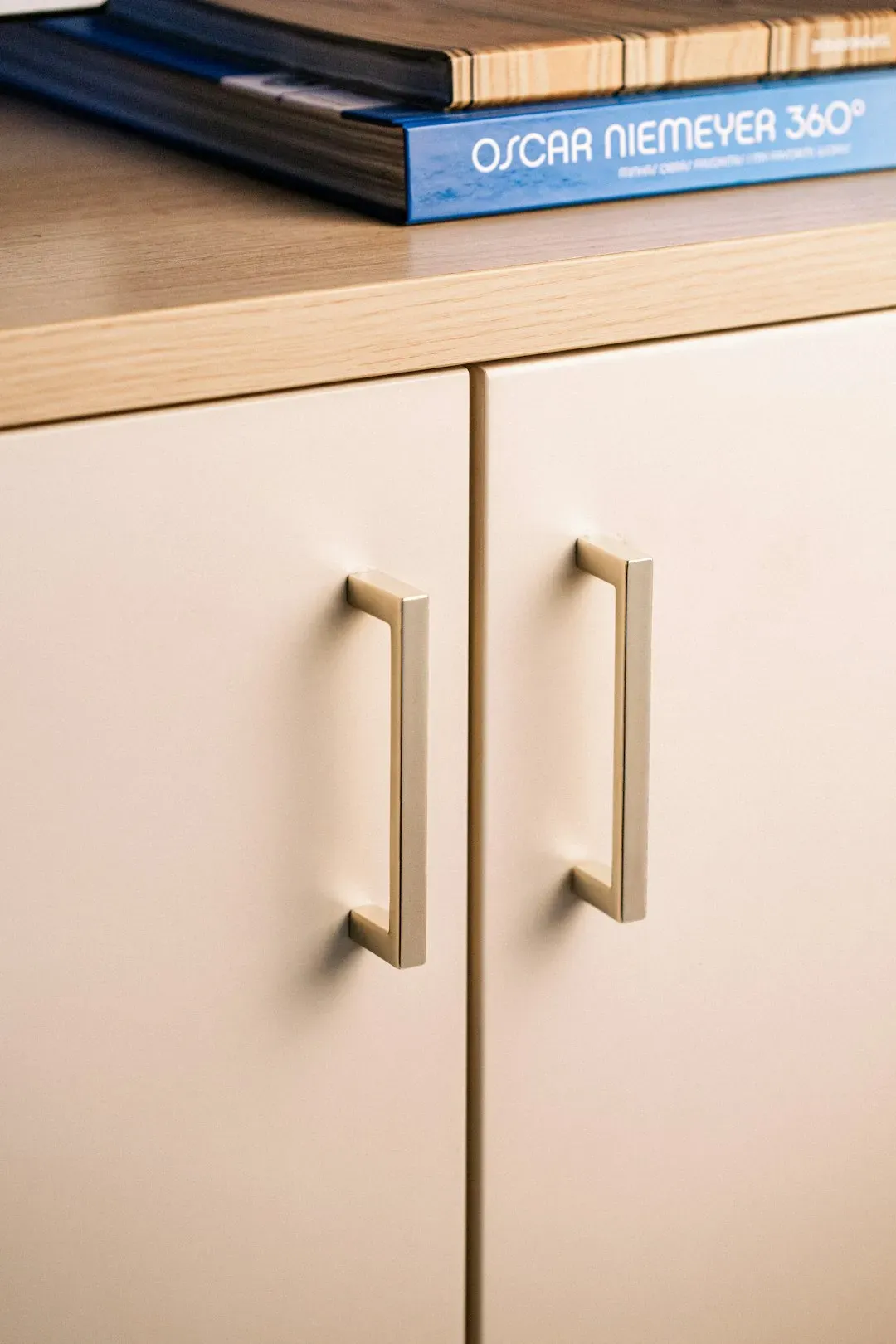
Standard cabinets with flat shelves waste a surprising amount of interior space, since items get stacked and buried rather than organized. Newer cabinet designs incorporate pull out drawers, built in dividers, and specialized inserts for items like spices, trays, and cutting boards. These features make full use of cabinet depth instead of leaving the back third of every shelf effectively unreachable.
Corner cabinets in particular have benefited from design innovation, since traditional corner storage was notoriously difficult to access. Rotating shelves and pull out corner units now reclaim space that used to sit empty or hard to reach. Small design changes like these add up to a noticeably more functional kitchen overall.
Small Kitchens Benefit the Most From Smart Storage
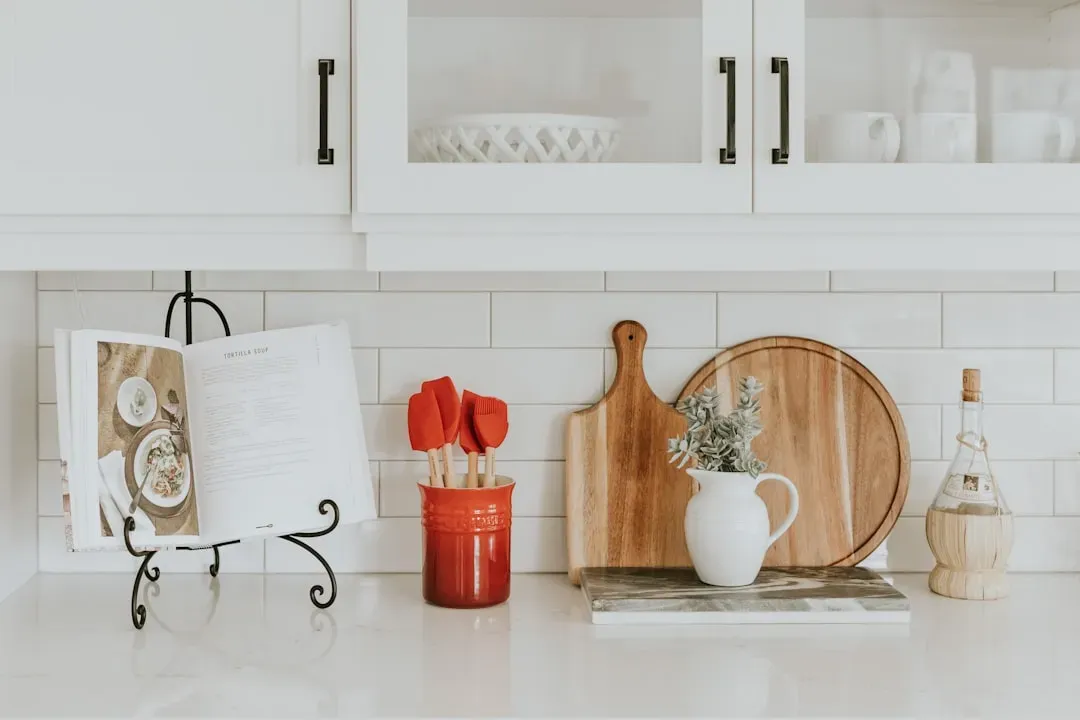
Homeowners with compact kitchens often assume they’re simply stuck with limited storage, but the reality is more nuanced. Thoughtful design choices, like drawer organizers, narrow pull out pantries, and cabinet doors fitted with racks, can meaningfully increase capacity even in tight layouts. The difference between a cramped kitchen and a workable one often comes down to how well the available space is organized rather than how much space exists.
Apartment dwellers and owners of older homes with smaller footprints have driven much of the demand for compact storage solutions in recent years. Furniture brands and cabinet makers have responded with products specifically designed for narrow gaps and awkward corners. This trend reflects a broader recognition that storage needs aren’t limited to large suburban kitchens.
Specialized Storage Reduces Daily Friction
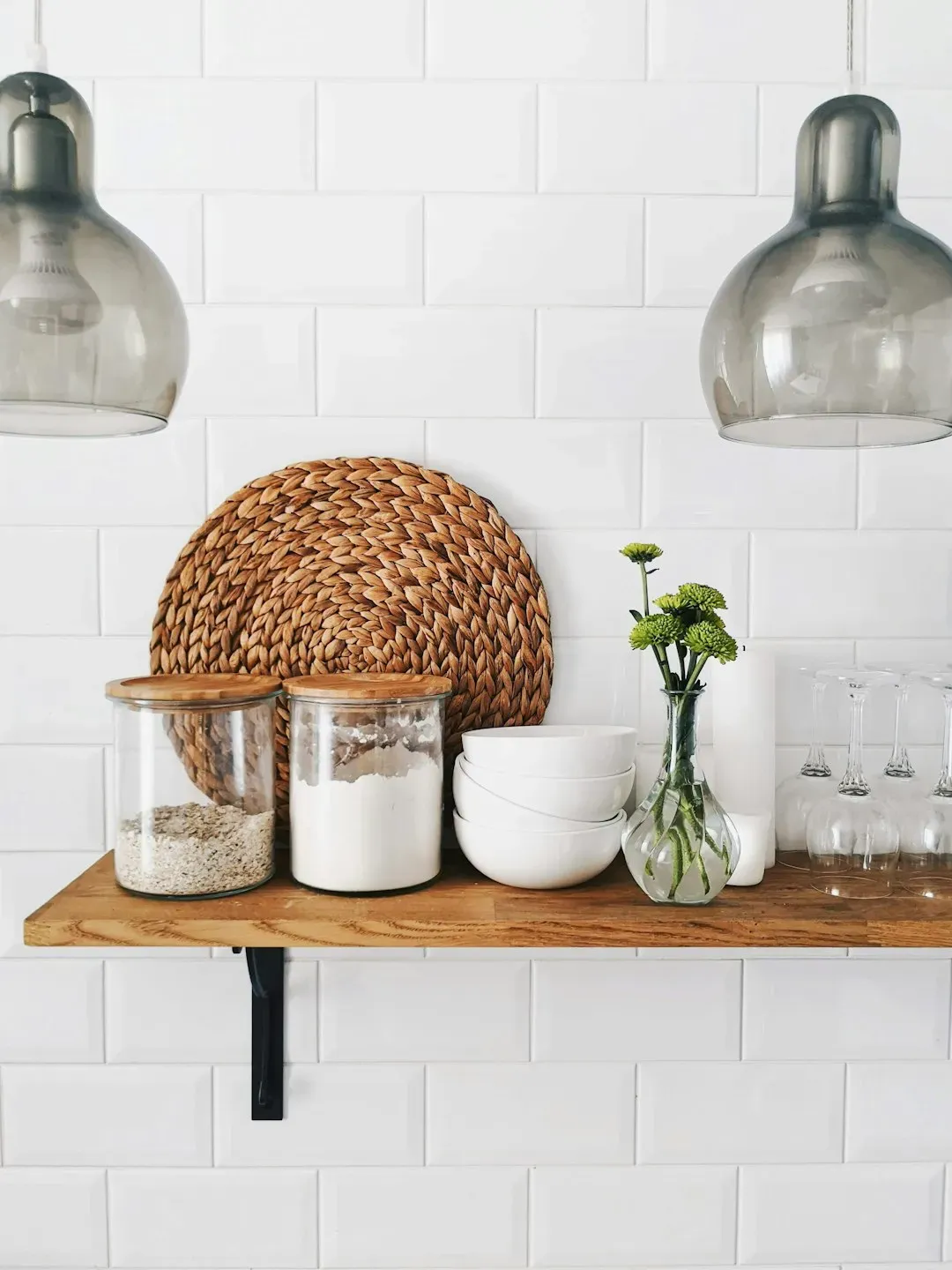
Generic shelving works fine for some items, but tools like knives, spices, and lids often need dedicated storage to stay organized. Without a proper knife block or in drawer knife tray, blades end up loose in drawers, creating both clutter and safety risks. Similarly, spice drawers with tiered inserts make it far easier to find what’s needed quickly compared to a cabinet shelf packed with jars in no particular order.
Lid organizers solve one of the most common kitchen frustrations, the mismatched pile of pot and pan lids that never seems to have enough room. These small, targeted storage solutions might seem minor individually, but together they remove dozens of small annoyances from daily cooking. A kitchen that accounts for these specific needs tends to feel calmer and more efficient overall.
Storage Influences Resale Value and Buyer Interest
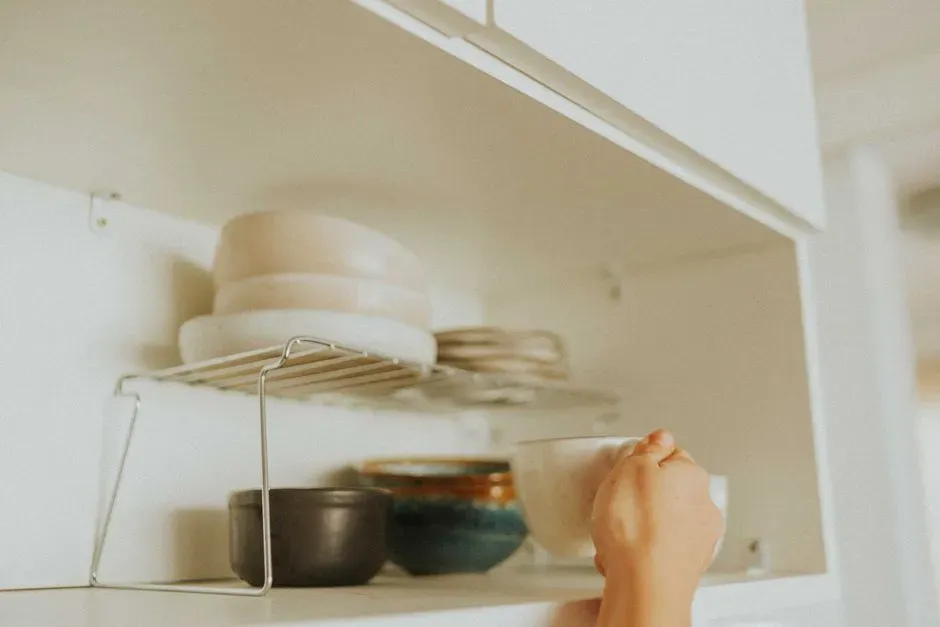
Real estate agents frequently note that kitchen storage ranks high on buyer priority lists, often above purely aesthetic features like countertop material or cabinet color. Buyers touring a home tend to open cabinets and pantry doors, evaluating whether the kitchen can actually support their daily routines. A kitchen that feels tight or poorly organized can create hesitation, even if the rest of the home shows well.
Renovations that add functional storage, such as pantry expansions or improved cabinet systems, are generally viewed as practical investments rather than purely cosmetic ones. Unlike trend driven finishes that can look dated within a few years, added storage tends to remain relevant regardless of style shifts. This makes storage upgrades a comparatively safe choice for homeowners considering future resale.
Better Storage Supports Less Food Waste
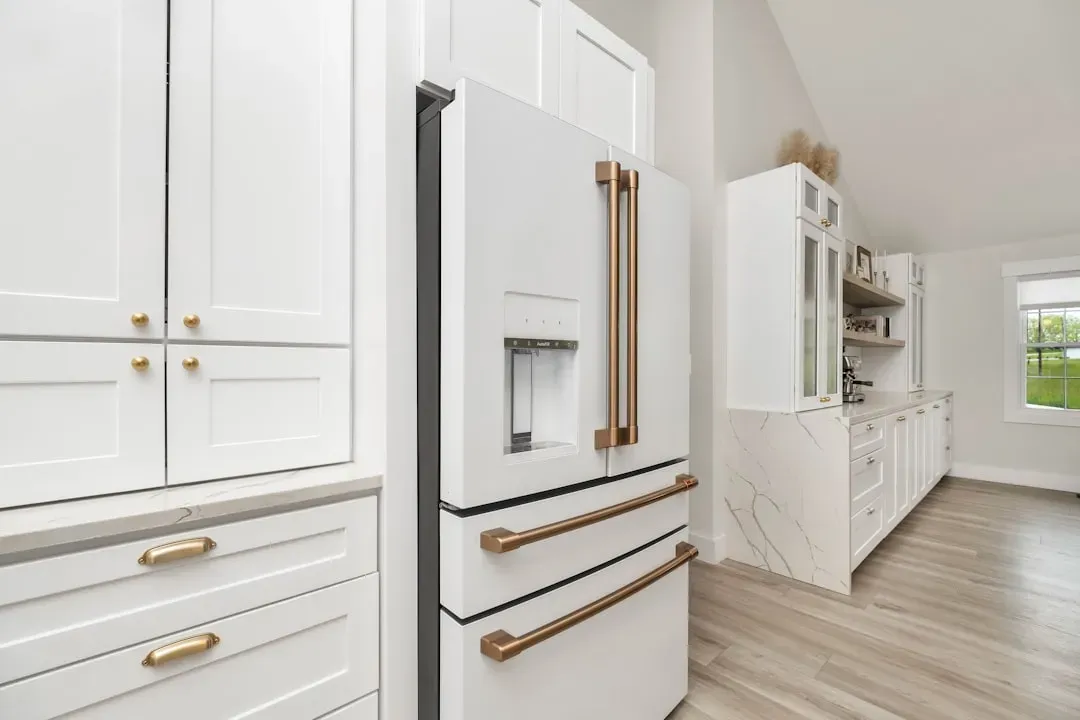
Disorganized kitchens make it easy to lose track of what’s actually on hand, leading to duplicate purchases and forgotten items that eventually spoil. Clear storage systems, where ingredients are visible and grouped logically, help people use what they already own before buying more. This isn’t just a convenience issue, it connects directly to reducing household food waste, a concern that has drawn more attention as grocery prices have climbed in recent years.
Refrigerator organization matters here too, not just pantry and cabinet space. Bins that separate produce, dairy, and leftovers make it easier to see what needs to be used soon, rather than pushing items to the back where they’re forgotten. Small storage improvements throughout the kitchen, not just in cabinets, add up to meaningfully less waste over time.