
Walk into a room with a vase of tulips on the table and something shifts, even if you cannot quite name it. The light seems softer, the air feels lived in, and the space suddenly has a pulse. It is a small thing, buying a bunch of flowers, yet the effect on how a home actually feels is anything but small.
Researchers have spent decades trying to understand why this happens, and the findings go well beyond simple aesthetics. From brain chemistry to air quality to the way flowers change how people talk to each other, there is a surprising amount of science behind that instinct to bring a little greenery and color indoors.
The science behind flowers and mood
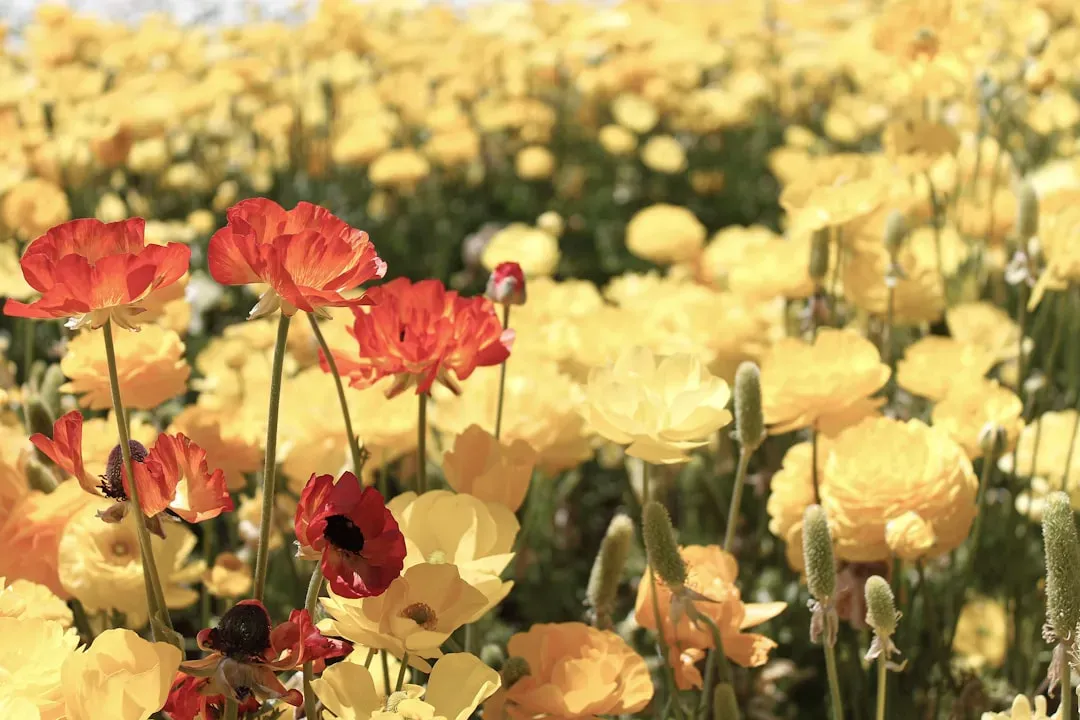
The most cited research on this topic comes from Rutgers University, where psychologist Jeannette Haviland-Jones led a long running study into how flowers affect emotion. A team of researchers explored the link between flowers and life satisfaction in a 10-month study of participants’ behavioral and emotional responses to receiving flowers. The results were consistent across age groups and genders, which is part of why the study still gets referenced so often today.
No matter the age group, all participants in the study show immediate happiness on receiving flowers. They felt less depressed after getting flowers, were less anxious or agitated, and showed a higher level of life satisfaction, with female participants reporting these positive feelings lasted for days. That is a meaningful detail. A single bouquet is not just a momentary lift, it appears to have a tail of benefit that stretches across several days.
A natural stress reliever
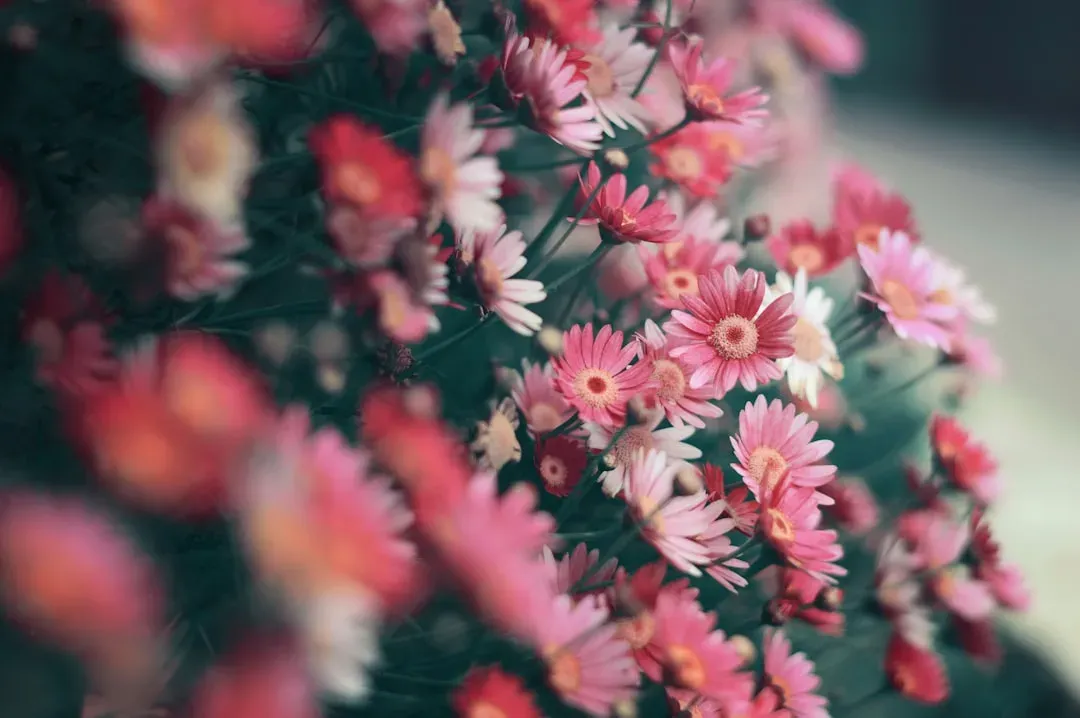
Stress is one of the more measurable effects flowers seem to influence. The organic, natural quality of flowers activates the parasympathetic nervous system, the body’s rest and digest response that counteracts the fight or flight stress response, and being in a room creates a subtle but measurable reduction in anxiety, tension, and nervous energy. This is not the same as saying flowers cure stress, but the physiological response is real and repeatable.
Other research points in the same direction. Several studies link reduced stress with flowers, including one from the University of North Florida that showed women who received flowers had a statistically significant reduction in stress levels. For anyone dealing with a demanding week, a bedside or desk arrangement is a low effort way to nudge the nervous system toward calm rather than tension.
Flowers sharpen focus and memory

There is a cognitive side to this too, which surprises a lot of people. Having plants in the workplace or at home has been proven to increase memory and concentration. It makes sense when you think about how much visual noise most homes carry. A living, changing object like a flower gives the eye and mind something calm to rest on between tasks.
The Rutgers research extended this idea to older adults specifically. In one part of the study, flowers presented to elderly participants elicited positive mood reports and improved episodic memory. That finding has since encouraged some care facilities to keep fresh arrangements in common areas, not purely for decoration but as a low cost way to support cognitive engagement.
Better rest and calmer bedrooms
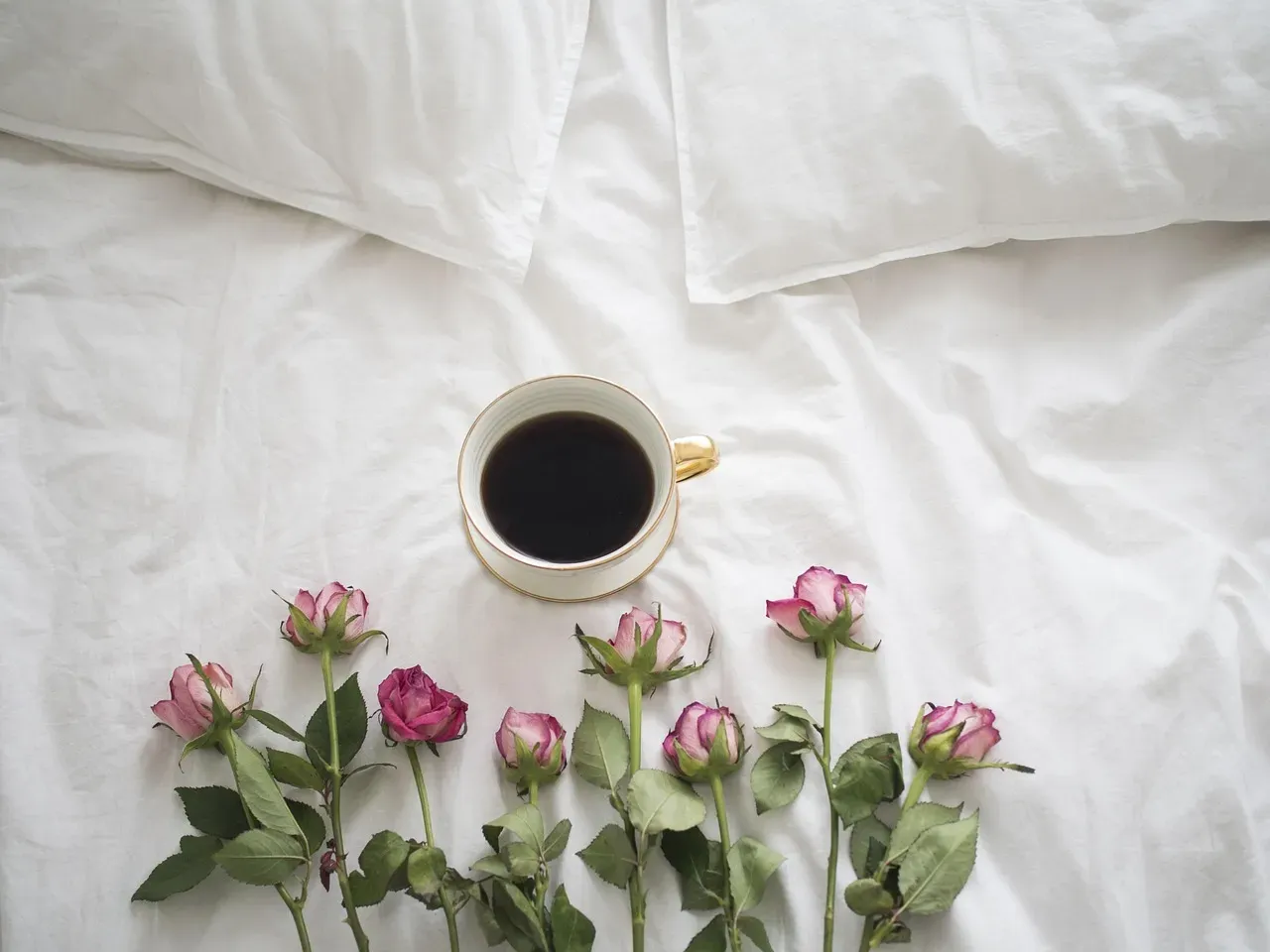
Bedrooms tend to be the most neglected room when it comes to fresh flowers, which is a bit of a missed opportunity. Soft toned blooms in particular seem to support relaxation before sleep. Soft colors like pale pinks, whites, or blues are especially helpful, and flowers like lavender, peonies, and roses are often linked with relaxation.
Scent plays a role here as well, something we will come back to later. For now, the practical takeaway is straightforward: a small arrangement on a nightstand costs very little and gives the room a softer, less clinical feel right before you try to wind down for the night.
Flowers as a bridge to connection
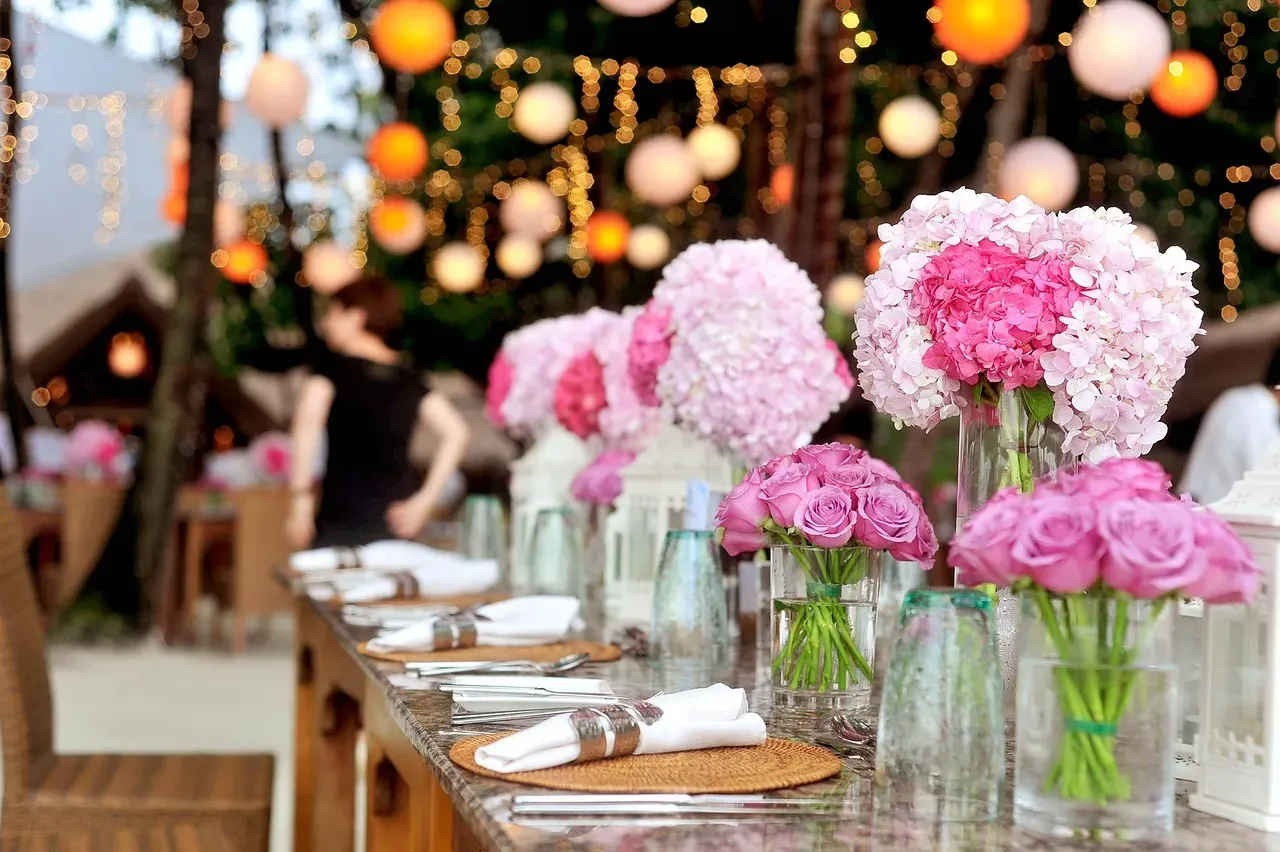
Homes are social spaces, and flowers seem to nudge people toward being more open with each other. The Rutgers study noticed something specific about where people chose to display their flowers. The arrangements were placed in areas of the home that are open to visitors, such as foyers, living rooms and dining rooms, suggesting that flowers are a symbol for sharing, and that flowers bring about positive emotional feelings in those who enter a room.
This tracks with everyday experience. Guests tend to comment on flowers almost immediately when they walk in, and that small remark often opens the door to easier conversation. Flowers led to increased intimacy with family and friends in this study. It is a modest detail, but it helps explain why flowers show up so often in entryways rather than tucked away in a back room.
The role of scent in shaping a space
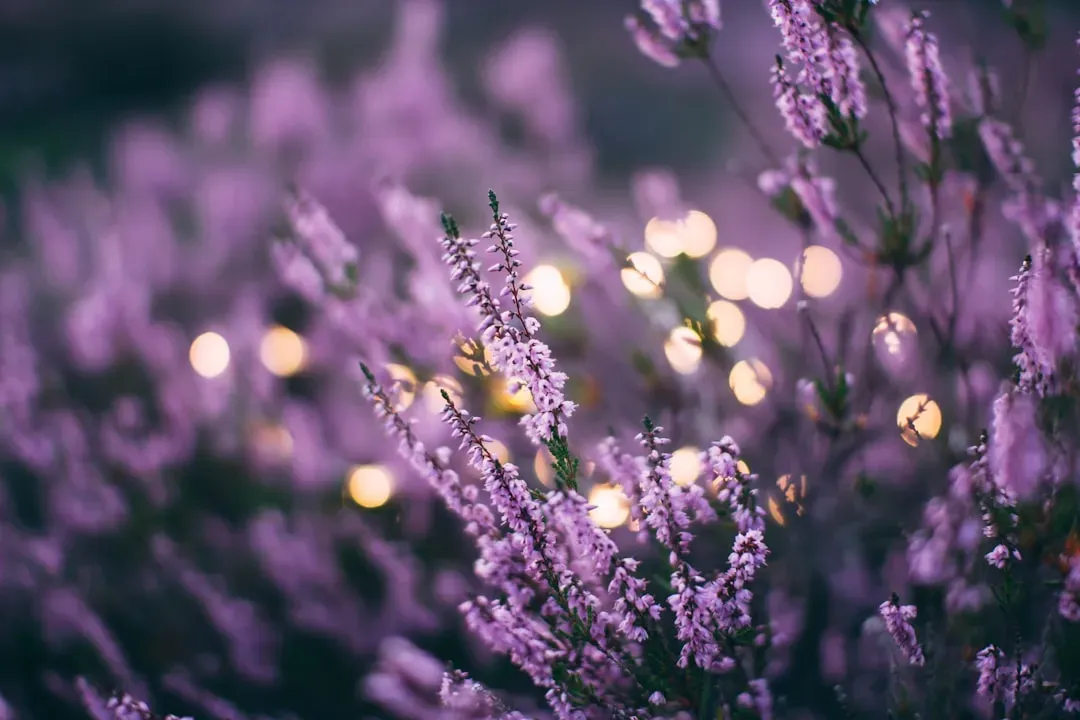
Fragrance is arguably the most underrated part of the fresh flower effect, since it is the one thing artificial flowers simply cannot replicate. The key differences between real and artificial flowers are fragrance, which is absent in artificial ones, the living quality since real flowers change daily and maintain engagement, and the knowledge of authenticity, because the brain responds more positively to natural objects. That distinction matters more than people usually assume when they reach for a silk arrangement instead.
Certain scents have a more calming reputation than others. Lavender and chamomile are frequently mentioned by florists and researchers alike for their soothing properties, while brighter, sweeter scents from roses or ranunculus tend to feel more energizing. Choosing flowers partly by scent, rather than color alone, is a simple way to tune a room toward how you actually want it to feel.
Air quality and physical wellbeing
Beyond mood, there is a physical dimension to keeping flowers and plants indoors. Living greenery interacts with the air around it in ways that dried or artificial decor cannot, and this has been part of the case for bringing more natural elements into interior spaces for years. It is a smaller effect than a dedicated air purifier, but it is a real one, and it costs nothing extra since you likely already have flowers in the room for other reasons.
There is also a subtler physical benefit tied to relaxation itself. Breathing in the sweet fragrance of flowers has a relaxing and stress-reducing effect, and it’s well-researched that flowers bring moments of tranquility and calm. Lower stress, in turn, is linked to a long list of physical health benefits, from better sleep to improved cardiovascular markers over time.
Comfort and recovery in healing spaces
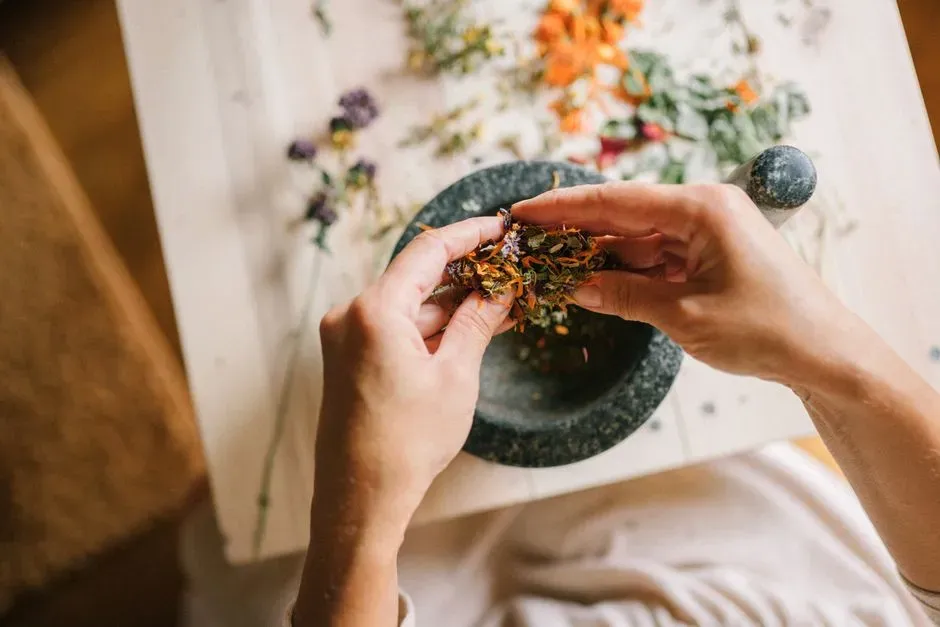
Hospitals and care homes have used flowers for generations, and there is now research to back up what felt like common sense. Even a small arrangement on a hospital bedside table can uplift a patient’s mood, provide a feeling of being cared for, and contribute to a sense of normalcy. That sense of normalcy is not a small thing when someone is stuck in an unfamiliar room for days at a time.
The same logic applies at home during recovery from illness or surgery. Bringing flowers into the home after an illness or during recovery has similar effects, providing a sense of renewal and acting as a reminder that life goes on. It is one reason flowers remain such a common gift after a hospital stay, well past the point where the gesture might seem old fashioned.
Choosing the right flowers for the right room
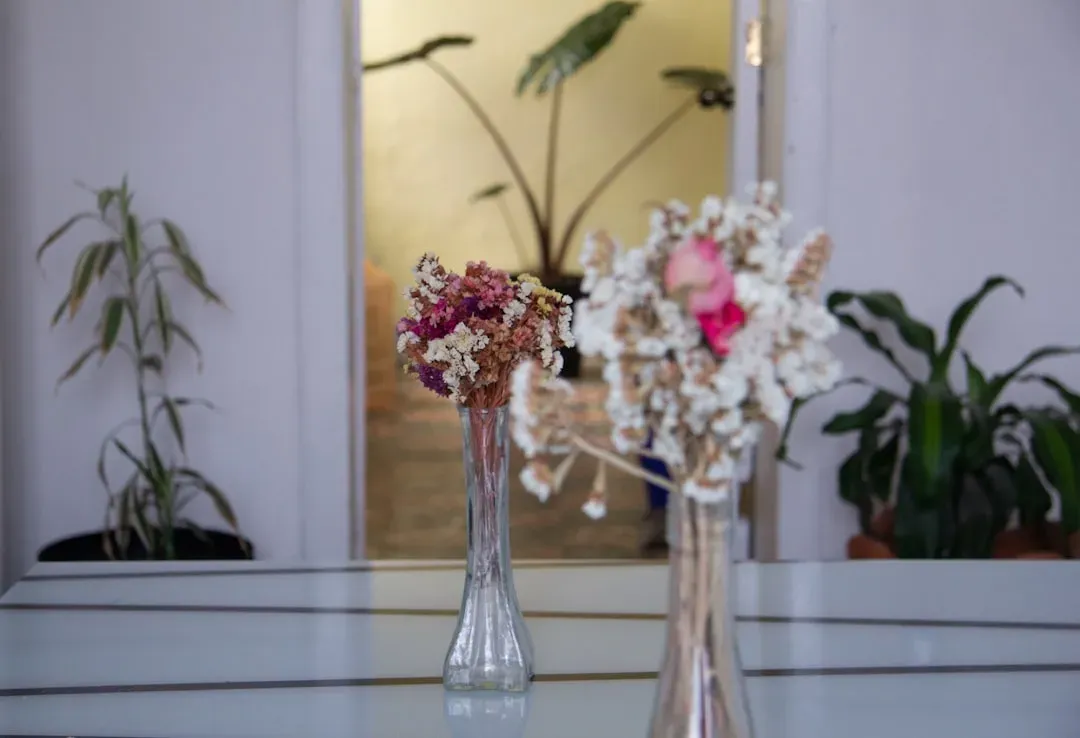
Not every flower suits every space, and matching the bloom to the room can make a noticeable difference. Bright, warm toned flowers like sunflowers or ranunculus tend to work well in kitchens and living rooms where energy and conversation are the goal. Bright roses, ranunculus, tulips, or sunflowers in warm tones are commonly recommended for spaces meant to feel lively rather than restful.
Quieter rooms call for a different approach. Pale, muted tones and softly scented varieties suit bedrooms and bathrooms better than anything loud or heavily perfumed. It sounds like a small styling choice, but it lines up with the same color research that shows different hues nudging emotion in different directions.
Keeping the effect going through the week
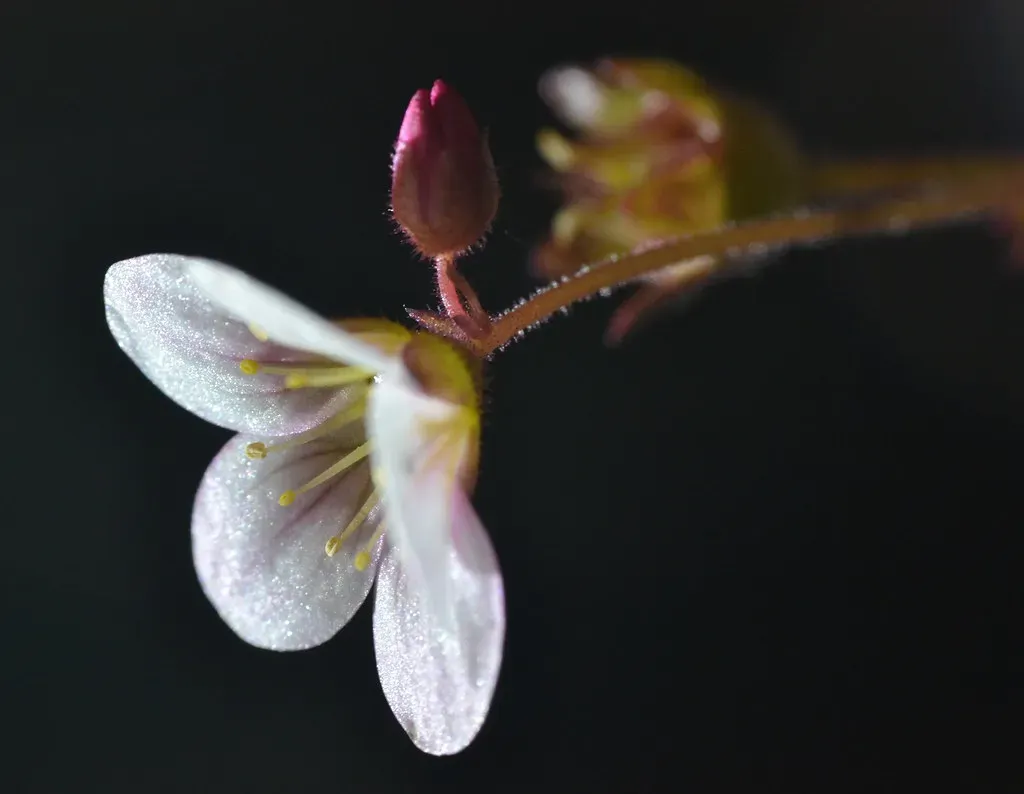
One challenge is that the benefit fades once the blooms do, so upkeep matters more than people expect. Weekly replacement provides continuous benefit, since cut flowers last five to ten days, so weekly rotation maintains a constant fresh presence. Skipping that rotation is the most common reason people feel like flowers “don’t do much” for their home, when really the flowers just were not being refreshed often enough.
A practical middle ground exists for anyone on a tighter budget or schedule. Alternating between cut flowers and orchid plants lets the orchid provide weeks of beauty while cut arrangements are rotated less frequently. It is a small logistical fix, but it keeps a home from ever sitting empty of anything living for too long.
Final Thoughts
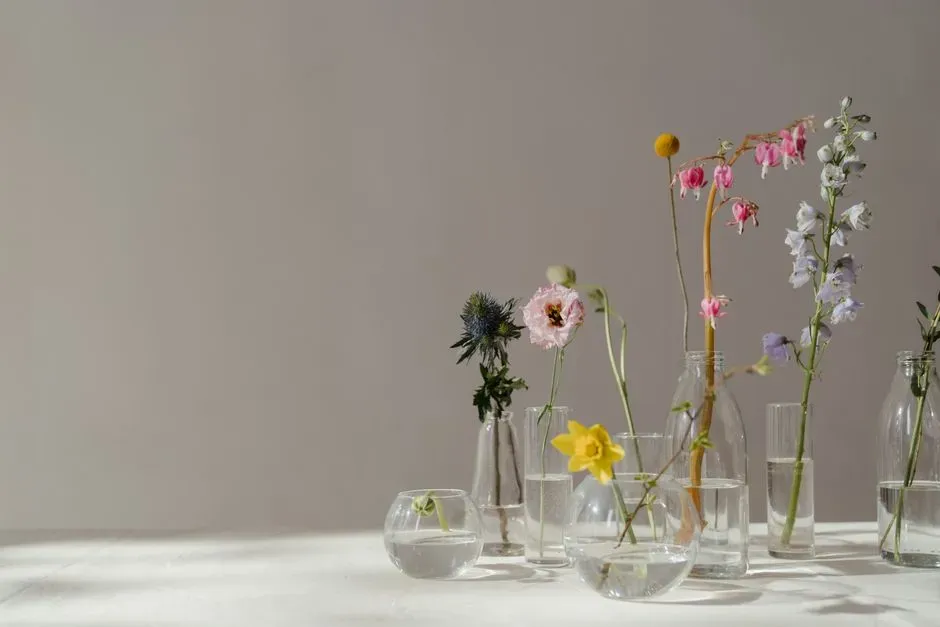
None of this means flowers are a substitute for real mental health care or medical treatment when either is needed. Still, the evidence gathered over the past two decades makes a fairly convincing case that something as ordinary as a vase of flowers changes how a home feels, and how the people inside it feel too. The effect is modest, the cost is low, and the upkeep is nothing more than a weekly stop at a florist or grocery store.
Maybe that is the real appeal. In a world full of complicated wellness routines, fresh flowers remain one of the few genuinely simple habits with research behind them. A room without flowers is not lacking anything obvious, but a room with them almost always feels a little more alive.