
The Death of the Traditional Kitchen Island
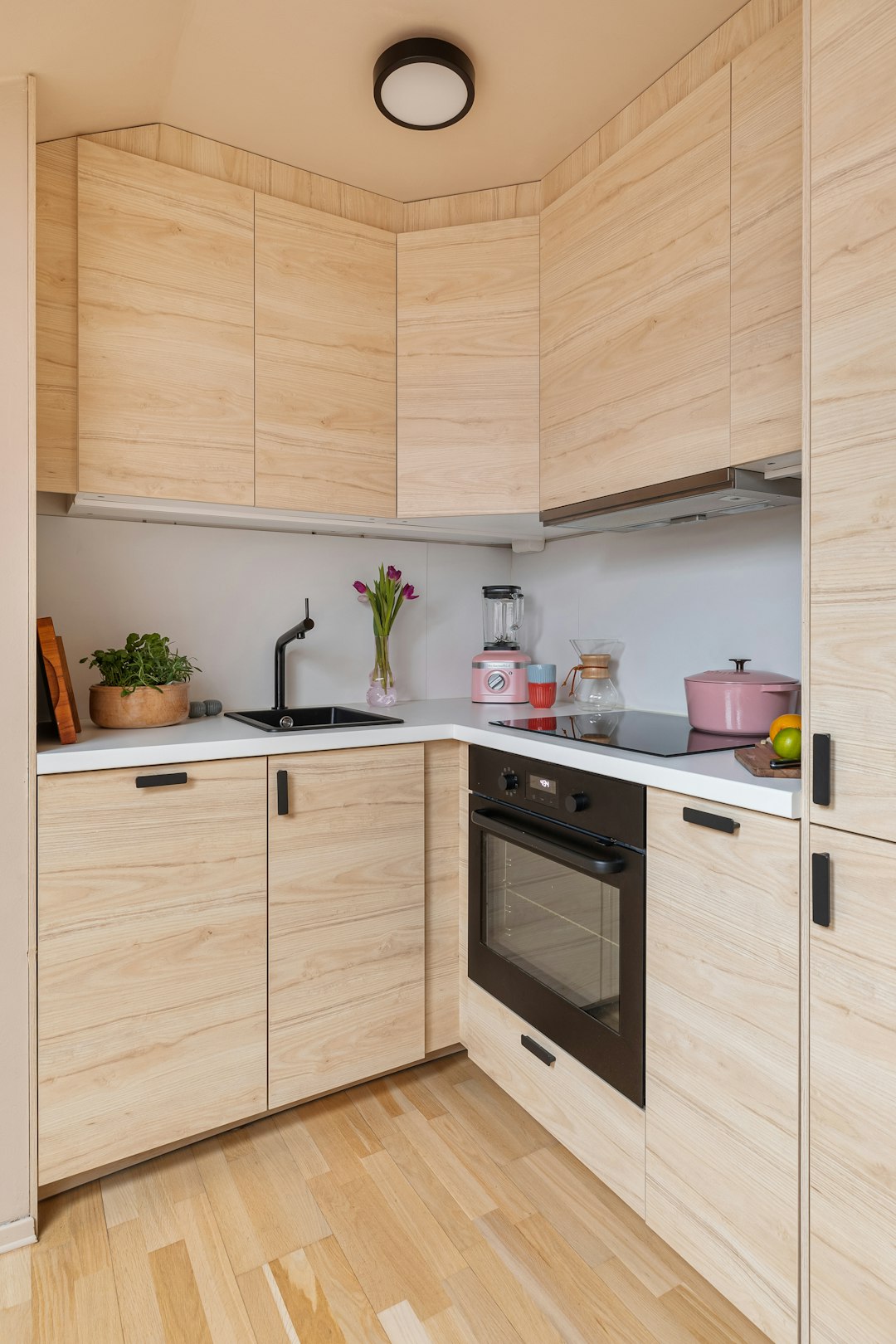
Traditional built-in kitchen islands are quietly vanishing from designer kitchens across America. With this rise in the popularity of unfitted kitchens, more designers are opting to also skip the large, and sometimes bulky, built-in center island in lieu of something freestanding. This shift isn’t just about aesthetics – it’s about creating spaces that feel more lived-in and less sterile than the cookie-cutter kitchens that dominated the past decade. The bulky, expensive built-ins that once screamed luxury are now being seen as obstacles to the warm, collected-over-time look that today’s homeowners crave.
Many professionals are questioning whether these massive installations actually serve families better. Bassford says that kitchen islands are slowly but surely being replaced with something a little more old-school: dining tables. “This is especially suitable for smaller kitchens, where a large, blocky island disrupts the flow and may make it feel even smaller,” she says. The reality is that most people use their islands more for casual dining and gathering than for serious food prep anyway.
Work Tables Are Taking Center Stage
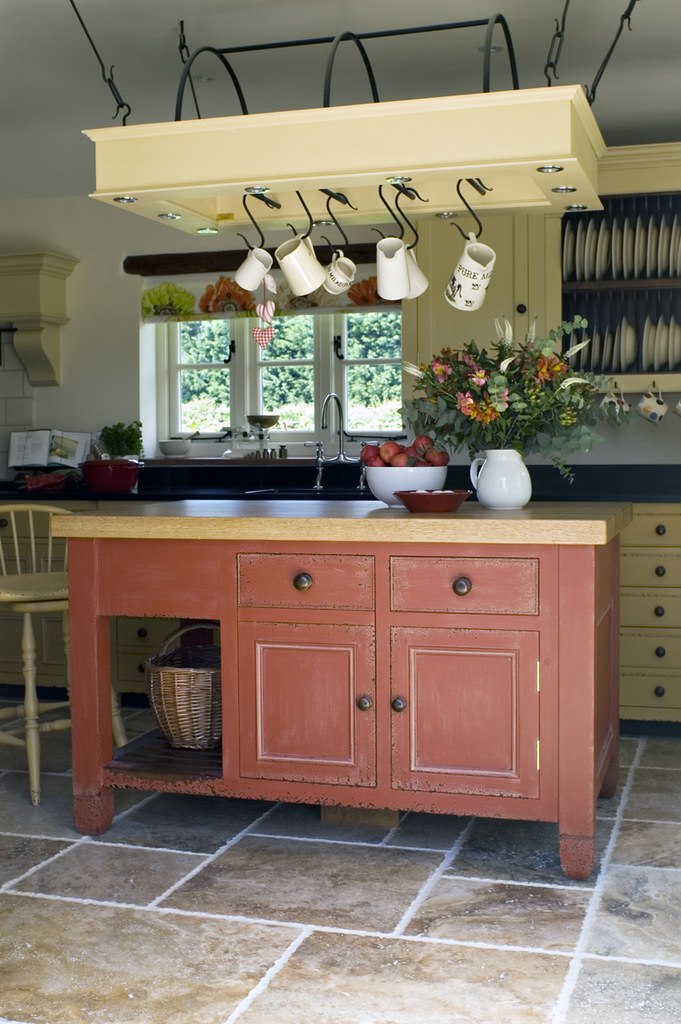
Designers are swapping standard built-in kitchen islands for something much chicer: a freestanding work table. These aren’t just any tables – we’re talking about character-rich antique pieces that tell stories. Antique work tables – especially those that were built to be worked at from a standing position, like the ones used by seamstresses, bakers, and farmhands – are the most popular replacement because of their height and size. Think weathered wood with interesting turned legs and visible wear that speaks to decades of use.
What makes these work tables so appealing is their perfect imperfection. Unlike a shiny new granite-topped island that looks straight out of a showroom, these pieces have soul. Character-rich antique tables with interesting turned legs and noticeable imperfections are especially prized, and, unlike a farmhouse table, work tables will often have drawers and even a shelf to provide storage. They offer just enough storage without the bulk, and their height makes them ideal for food prep.
The Rise of Unfitted Kitchens
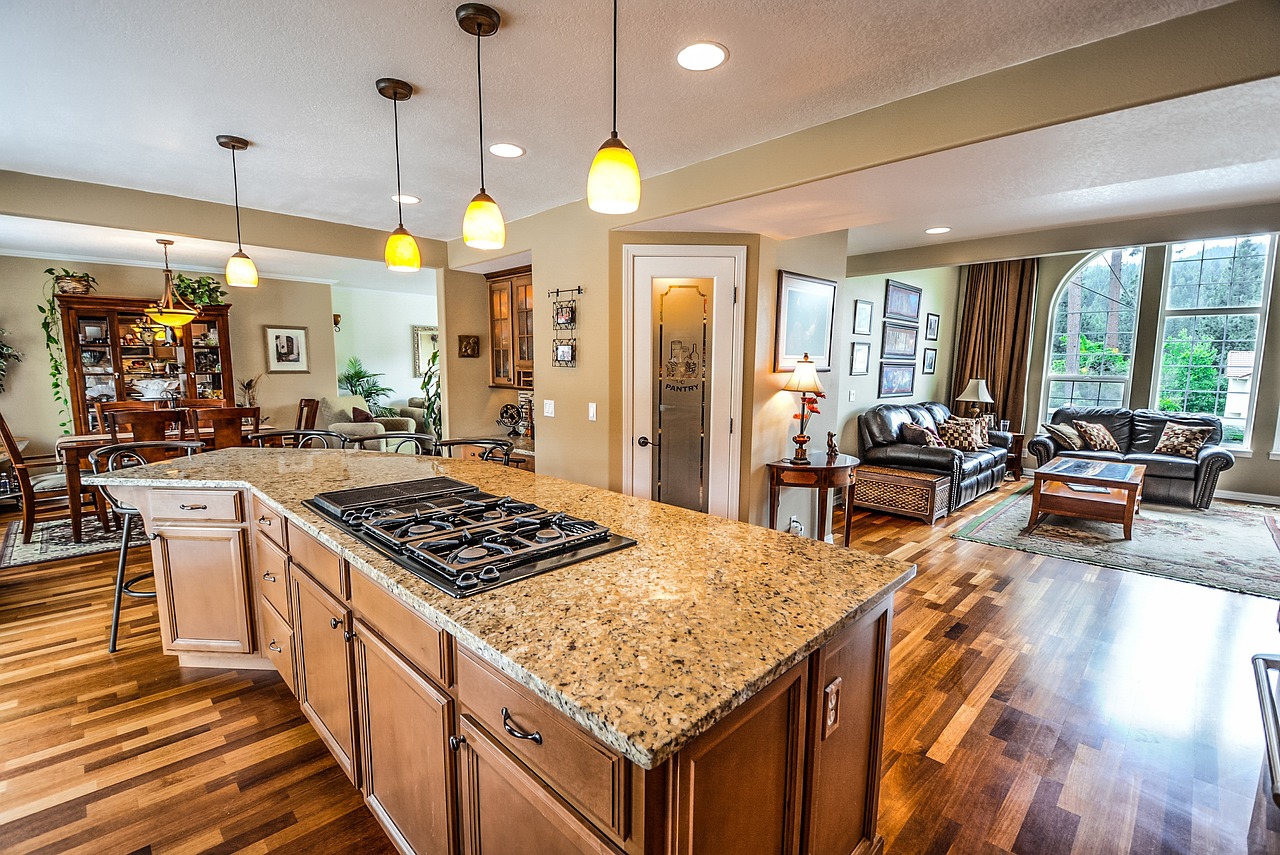
In the design world, we call these collected kitchens “unfitted kitchens,” and they’re beloved for their use of freestanding furniture over costly built-ins. This British-inspired approach treats the kitchen more like a furnished room than a sterile cooking laboratory. “The unfitted kitchen is more of a furnished room with appliances and kitchen items,” says Helen Parker, the creative director of British kitchen design firm deVOL.
The unfitted kitchen philosophy embraces furniture pieces that look like they were collected over time rather than bought as a matching set. Instead of a wall of uniform cabinets, you might find a vintage hutch displaying dishes, an old chippy cupboard serving as a pantry, and yes, a weathered work table doing the job of an island. The happily hodgepodge spirit of unfitted kitchens provides a relaxed, come-as-you-are vibe, a perfect contrast to the cold, mechanical nature some kitchens can have.
Cost Savings That Actually Matter
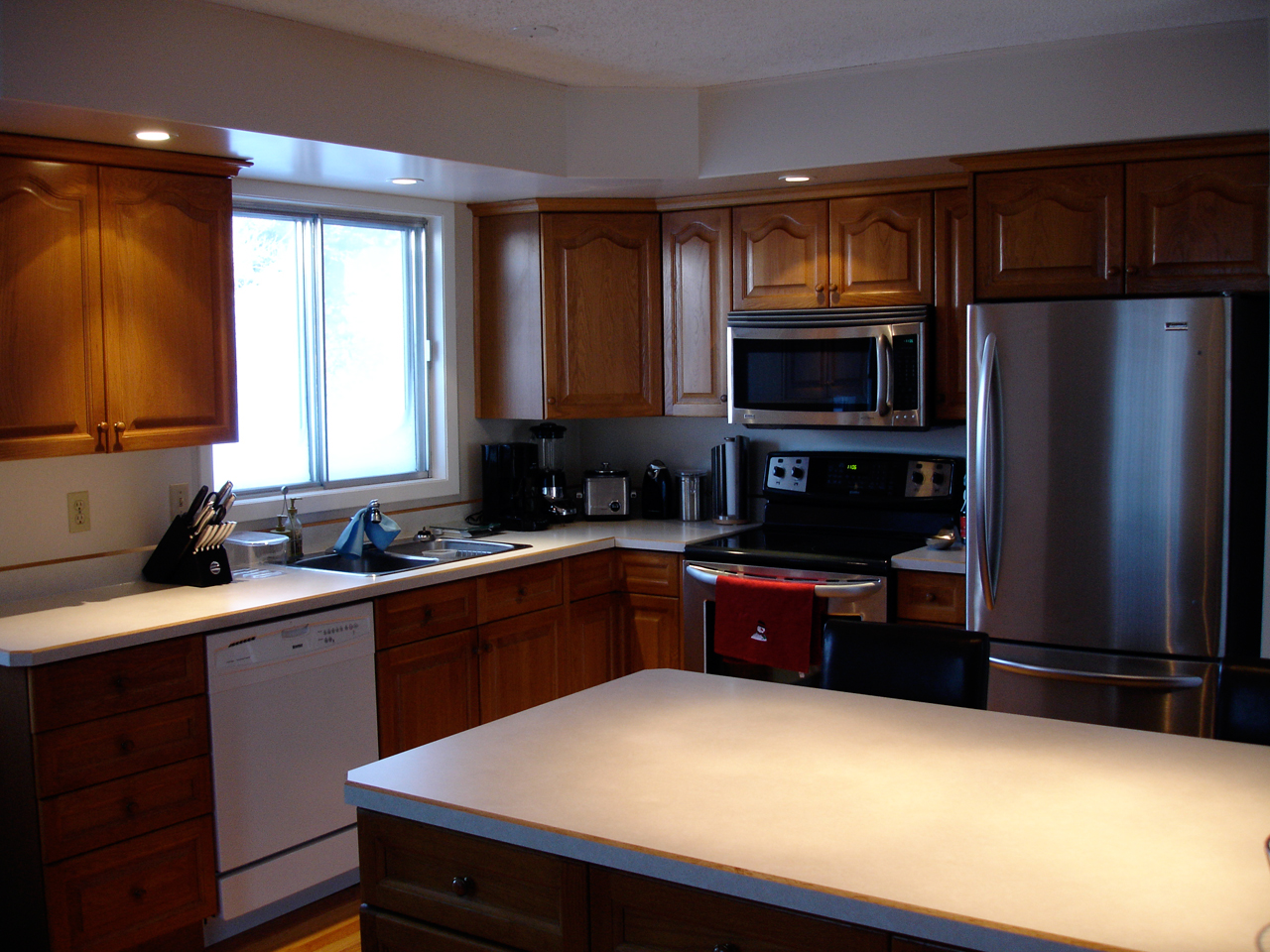
Let’s talk money. Custom built-in islands can easily cost thousands of dollars before you even think about the electrical work, plumbing, and installation headaches. the trend toward island-less kitchens continues to grow, and trading them for a farmhouse table makes the transition an easy one. Not only does this swap save some money, it adds cosy, country house charm to any kitchen. You can find a beautiful antique work table for a fraction of what you’d spend on a custom island.
“You can buy a reasonably inexpensive pantry cupboard at a flea market or antique fair, play around, paint it, add new hardware, or add café curtains inside the doors if they are glazed, and suddenly you have something special and unique to you,” says Helen Parker of deVOL. This approach lets you create a kitchen with character without breaking the bank or dealing with contractors for months.
Flexibility That Built-Ins Can’t Match
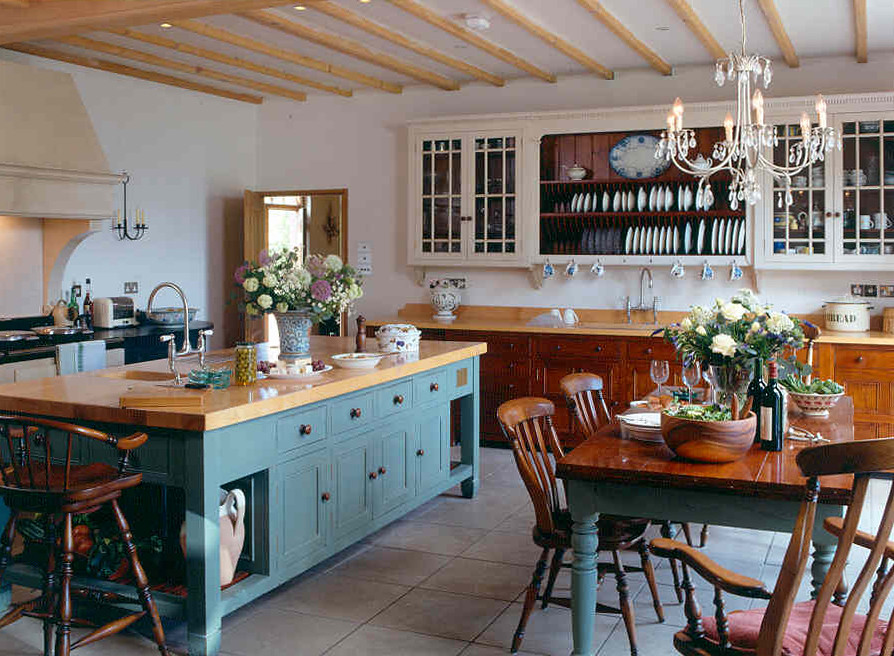
One of the biggest advantages of choosing a work table over a built-in island is flexibility. “From a design perspective, they bring lightness to a space, allow for creative material contrasts, and can be styled to feel more like a piece of furniture than a built-in fixture. There’s also an element of flexibility: a work table can evolve with the kitchen over time, making it a practical and characterful choice for many of our clients,” adds Richard. If you decide you don’t like the placement, you can simply move it. Try doing that with a traditional island.
This flexibility becomes especially important in smaller kitchens where every square foot matters. A freestanding work table can be repositioned to create better flow for parties or moved aside when you need to bring in large appliances. “Their flexibility, ease of installation, and design choices make them an appealing choice for clients building, renovating, or refreshing an existing space,” says designer Tanya Smith-Shiflet, founder of Unique Kitchens and Baths. While the concept of a freestanding kitchen isn’t new, it’s currently being reinvigorated with global impact.
Creating Sociable Spaces
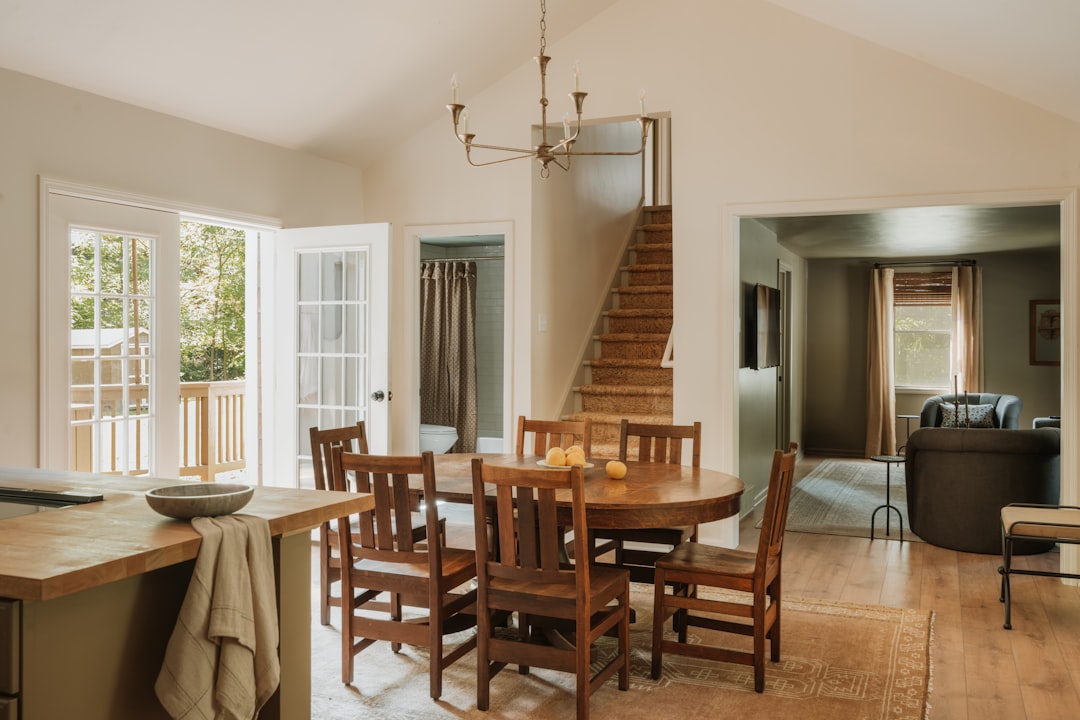
But perhaps the biggest draw of kitchen work tables as an island is the sociable aspect – they become a space for the whole family together and return the kitchen to the heart of the home that it would have always been in the past. There’s something about gathering around an old table that feels more natural than perching on bar stools at a sterile counter. The height and proportions encourage conversation in ways that traditional islands often don’t.
Smart designers are recognizing this shift toward more social cooking spaces. “We’ll see way more combination islands in the kitchen,” she says. Even when clients do choose built-in options, they’re requesting designs that feel more furniture-like and conversational rather than just functional workstations.
The Modern Materials Upgrade
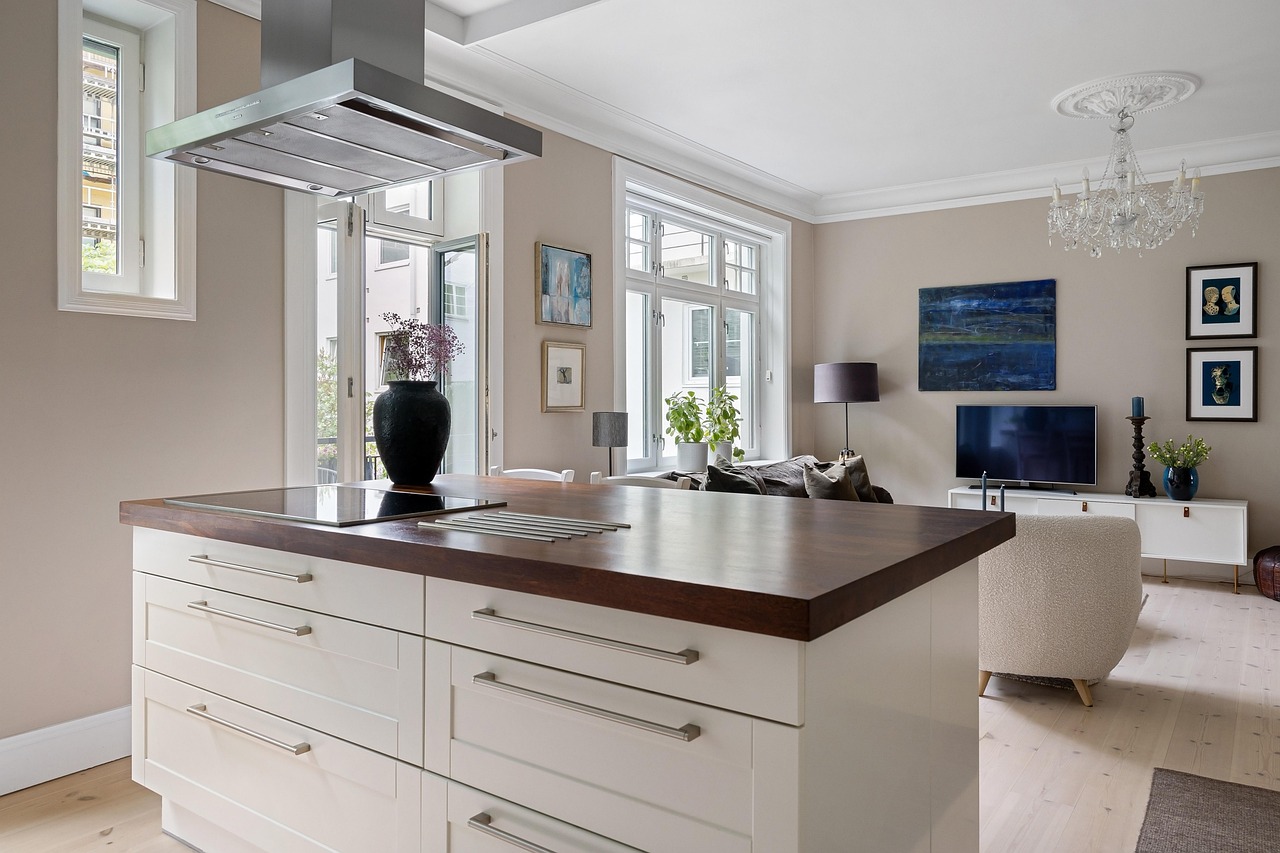
While antique work tables bring tons of character, many homeowners worry about practicality. Here’s where modern adaptations shine. Newly crafted work tables (and now “kitchen islands” made to look like these antique tables) are sometimes topped with quartz or marble, making prep and clean-up a breeze. You get the charm of the vintage look with the durability and easy maintenance of modern materials.
This hybrid approach satisfies both form and function concerns. The base retains all the character of an antique piece, while the top provides a practical surface that won’t stain or require constant maintenance. It’s the best of both worlds for families who want style without sacrificing functionality.
Why Traditional Islands Feel Outdated
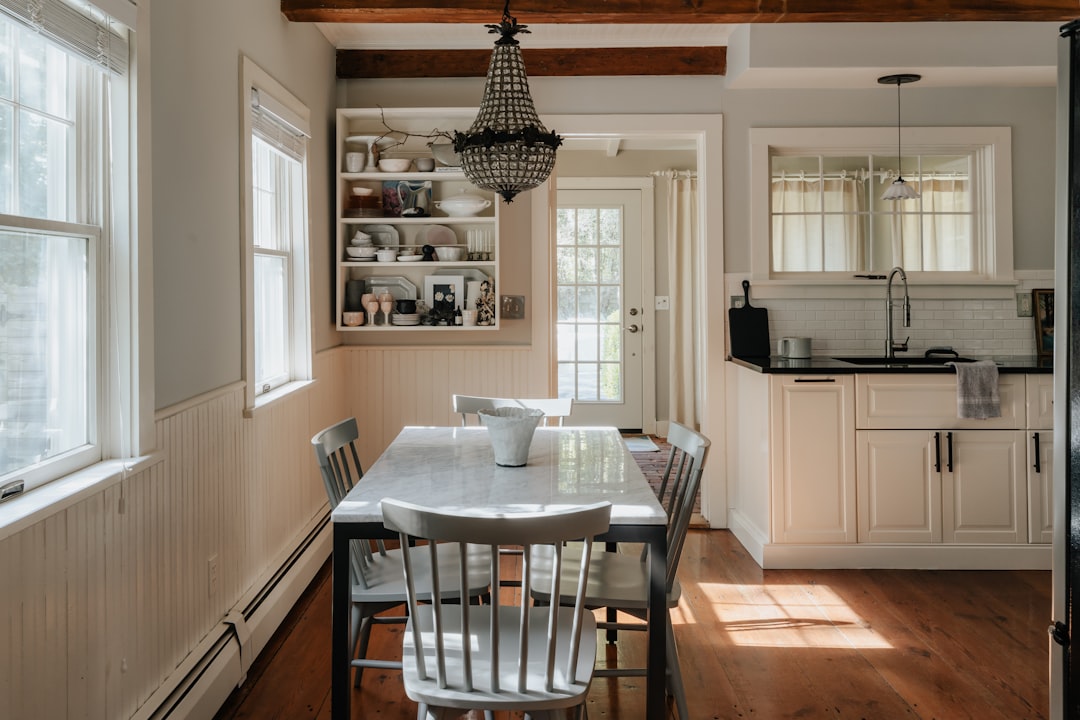
It’s time to say goodbye to big, boxy, built-in kitchen islands. As the look of unfitted kitchens (a thoroughly British design ethos centered around the idea of compiling freestanding furniture pieces instead of built-ins) continues to gain popularity, designers are opting more and more for high-top work tables and oversized farm tables for their kitchen islands. The trend toward these massive, immovable installations now feels heavy-handed and impersonal.
Many designers are finding that traditional islands actually work against the flow of modern family life. They create barriers between the cooking and living areas, making the kitchen feel more like a restaurant prep station than a gathering place. An interesting side effect in the rising popularity of these unfitted kitchens is the noticeable absence of the bulky built-in kitchen island. Families are discovering they prefer the openness and flexibility that comes without these bulky fixtures.
The Storage Solution Myth
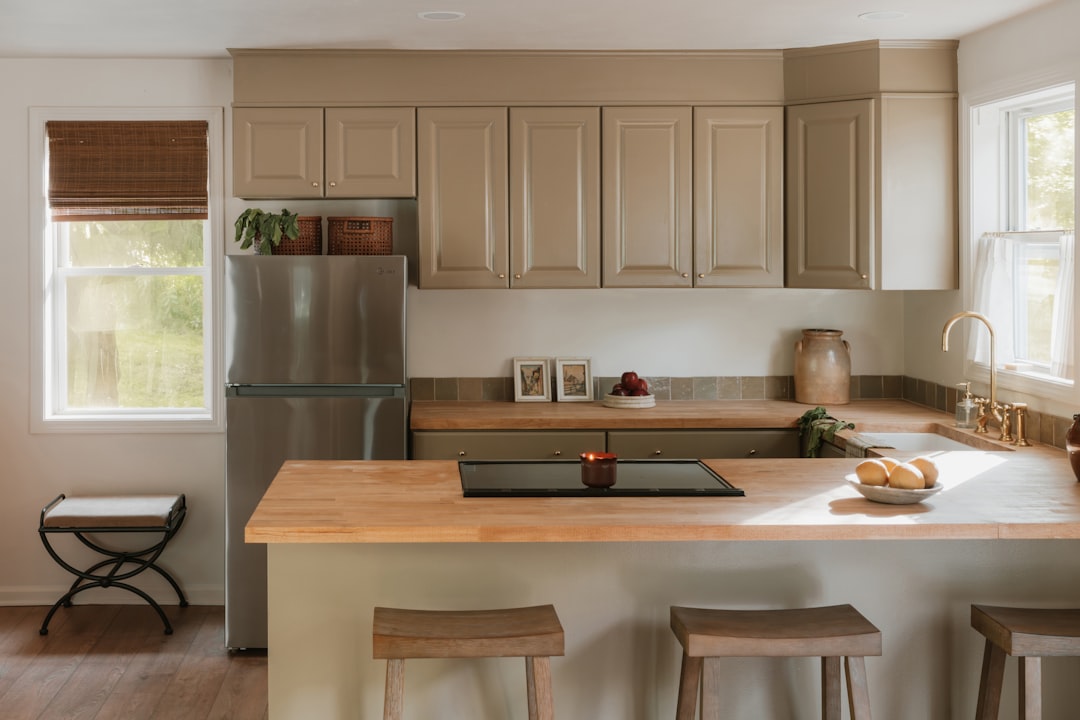
One of the biggest arguments for traditional islands has always been storage, but this might be overrated. While they might offer less storage, they nail a more relaxed, laid back look that so many kitchen trends are leaning towards this year. So if they offer less storage, what is their appeal? And should you choose one over a built-in kitchen island? The truth is, most families don’t actually use all that island storage effectively anyway.
Deep cabinets in islands often become black holes where things get lost and forgotten. A work table with a few well-placed drawers and a lower shelf can actually be more functional because everything remains visible and accessible. Plus, you can supplement storage with other unfitted pieces that match your aesthetic, creating a more interesting and personalized kitchen.
Combining Old and New Approaches
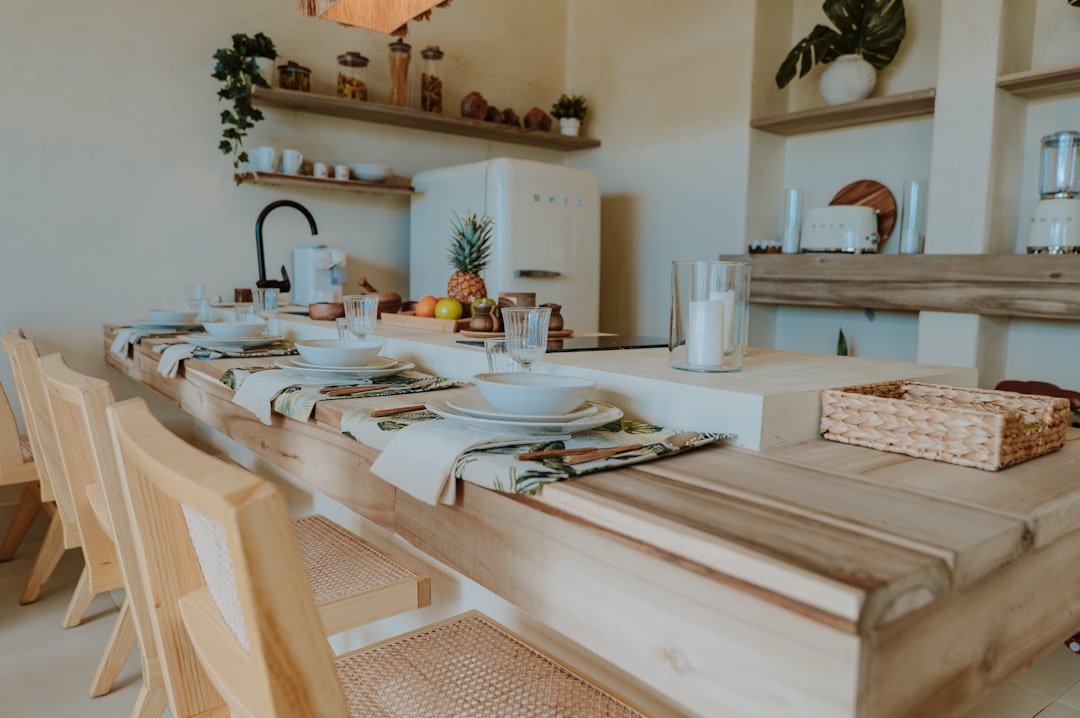
You don’t have to go full unfitted to embrace this trend. Even if you aren’t ready to embrace the whole unfitted kitchen look (I get it, most people aren’t!), you can easily pair a freestanding work island with standard perimeter cabinetry for a unique cottage or farmhouse aesthetic. This hybrid approach gives you the best of both worlds.
Many homeowners are finding success with keeping their perimeter cabinets while swapping out their island for a work table. This creates an interesting focal point while maintaining the storage and functionality they need along the walls. We love the way the worn wood finish of an antique work table adds a perfect touch of rusticity to even the most industrial of spaces. And, if you’re in want of something a little more durable than wood, take a note from designer Stephanie Perez who topped the work table island in her kitchen with a thick slab of marble, making it the perfect prep space.
Finding the Perfect Work Table for Your Space

Here’s the thing nobody tells you about ditching your island – picking the right work table replacement can feel totally overwhelming at first. The sweet spot is finding something that’s around 36 inches tall (standard counter height) and roughly 30-40 inches wide, which gives you enough workspace without eating up your whole kitchen. Length really depends on your room, but most designers recommend staying between 5-7 feet for optimal flow. Don’t stress too much about matching your existing cabinets perfectly – that slightly mismatched vibe is actually part of the charm. Antique stores, salvage yards, and even restaurant supply shops are goldmines for finding sturdy work tables with character. Just make sure whatever you choose has good bones and can handle daily use, because the last thing you want is a wobbly centerpiece that drives you crazy every time you chop an onion. And honestly? Test it out before committing – walk around it, lean on it, imagine yourself actually using it during your chaotic Tuesday dinner prep.