
There’s a particular moment every few months when a house starts to feel stale, even though nothing has technically gone wrong. The furniture is in the same spot, the walls are the same color, and yet something about the space feels tired. Most people respond by either ignoring it or planning an expensive renovation, but the truth sits somewhere in between those two extremes.
A handful of small, low-cost adjustments tied to the season can shift how a home feels almost instantly. These aren’t design overhauls. They’re quiet tweaks that reset the senses and make familiar rooms feel considered again.
Swap Out Textiles Instead Of Furniture

Changing throw pillows, blankets, and table runners is one of the fastest ways to signal a shift in season without touching a single piece of furniture. Lightweight linen or cotton covers in warmer months give a room a breathable, airy look, while heavier knits and richer tones do the opposite in cooler months. This kind of textile rotation has long been used by interior stylists precisely because it costs a fraction of what new furniture would and takes under an hour to execute.
The visual impact comes from contrast rather than volume. A single new blanket draped over a sofa arm changes the entire tone of a living room more than people expect. Because textiles are removable and washable, they also let a home stay flexible, meaning the same base furniture can feel appropriate across very different times of year.
Rotate What’s On The Walls
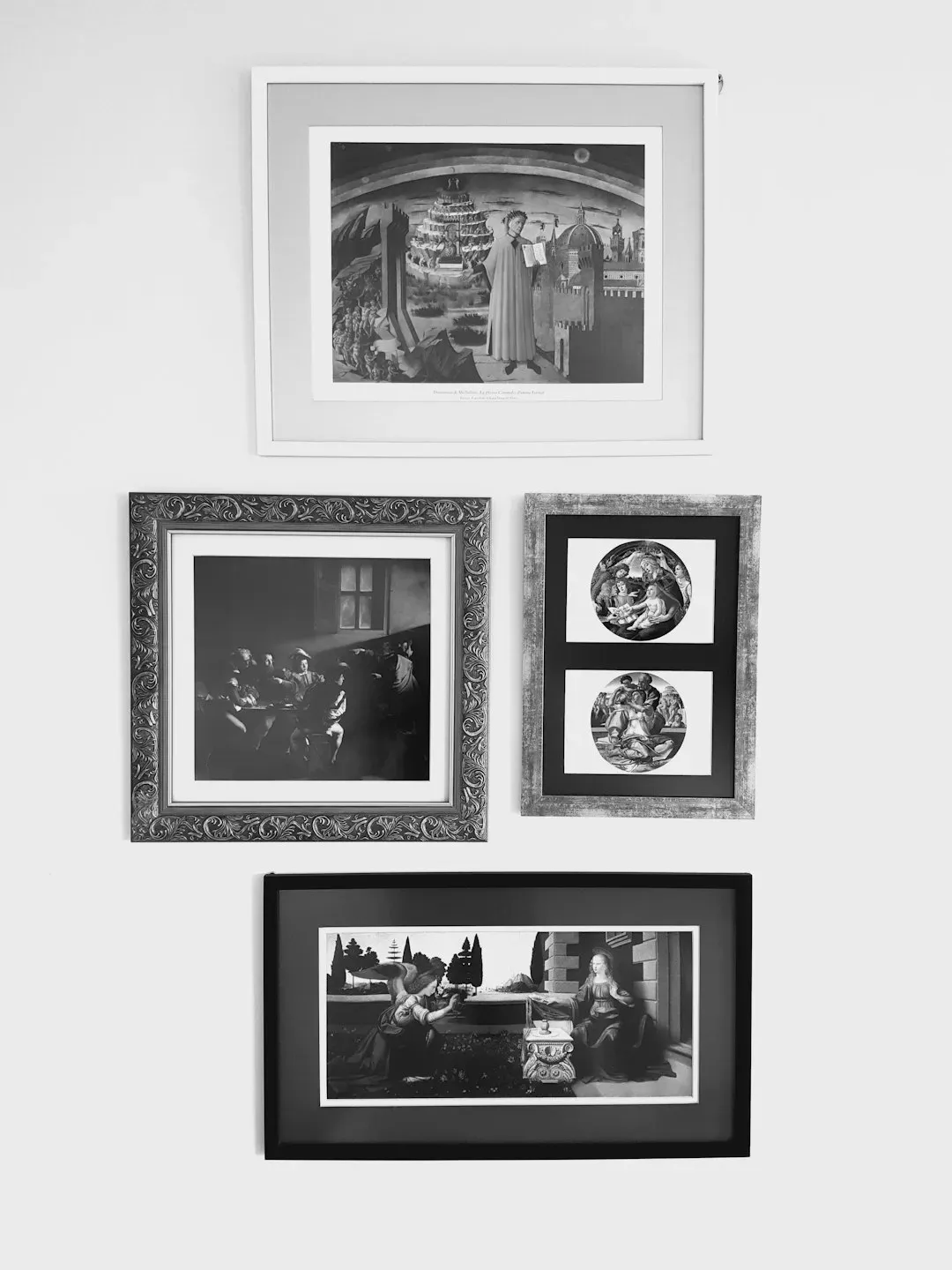
Artwork and framed photos tend to become invisible after a while simply because the eye stops registering them. Moving a few pieces to different rooms, or rotating in seasonal prints, forces a small reset in how a space reads visually. This doesn’t require buying new art either; many people simply cycle through pieces they already own from storage or other rooms.
Museums and gallery spaces use this same principle deliberately, rotating collections so visitors don’t experience visual fatigue from seeing the same arrangement repeatedly. Applying that logic at home costs nothing beyond a bit of time and a level or two of patience with a hammer. Even swapping two frames between rooms can make both spaces feel intentionally curated again.
Bring In Seasonal Greenery

Fresh branches, seasonal flowers, or a small potted plant do more for a room’s atmosphere than most people give them credit for. Unlike permanent houseplants, seasonal greenery is meant to be temporary, which makes it easy to justify replacing every few months without guilt. A single vase of branches or blooms near a window can visually anchor an entire room.
Florists and home stylists frequently point to greenery as the lowest cost, highest impact seasonal update available, since a bundle typically runs only a few dollars depending on region and availability. It also introduces color and texture that static decor simply can’t replicate. Even dried arrangements, which last considerably longer, offer a similar seasonal shift for those who prefer less maintenance.
Adjust The Lighting Layer By Layer
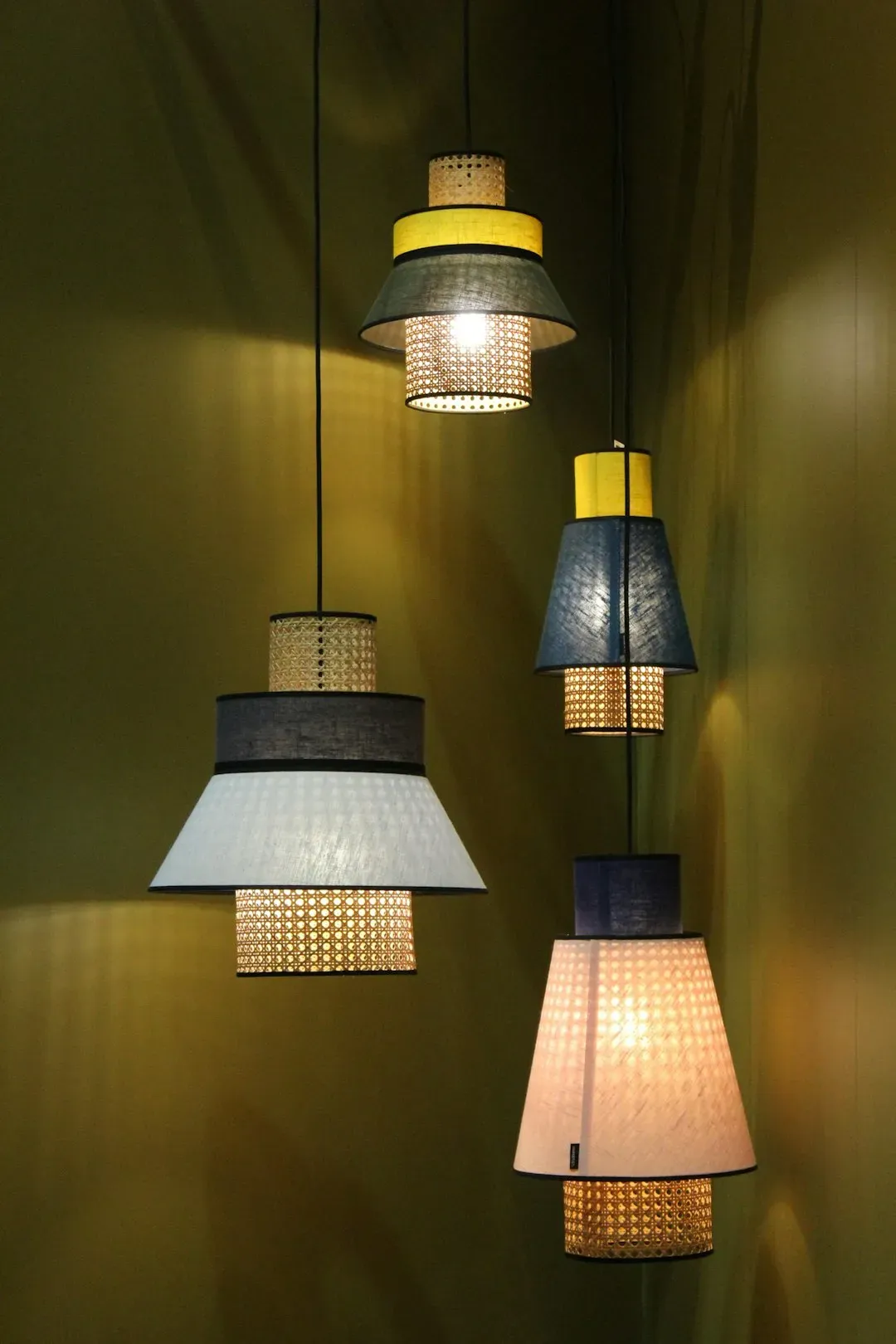
Lighting shapes mood more than almost any other single element in a home, yet it’s frequently the last thing people think to change. Swapping a few bulbs for warmer or cooler tones, or simply relocating a lamp, can shift how a room feels at different times of year. In winter, warmer light around two thousand seven hundred kelvin tends to feel cozier, while cooler tones closer to four thousand kelvin can feel crisper and more energizing in warmer months.
Layering light sources, meaning a mix of overhead, table, and accent lighting rather than a single ceiling fixture, also makes rooms feel more dynamic regardless of season. This is a principle lighting designers rely on constantly because it costs little beyond the price of a bulb or two. A small lamp added to a previously dark corner can make an entire room feel more finished.
Change The Scent Profile Of A Room
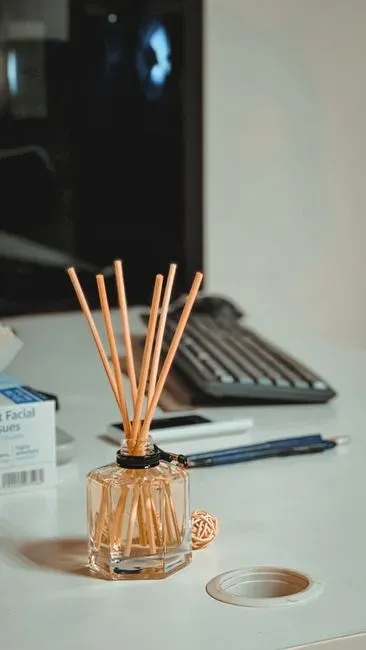
Scent is one of the most immediate and underused tools for shifting how a home feels, since it bypasses conscious thought and hits memory and mood directly. Switching from heavier, warmer scents like cedar or vanilla in colder months to lighter, citrus, or green scents in warmer months mirrors what many candle and diffuser brands intentionally design their seasonal collections around. This is backed by research in environmental psychology showing that scent has a strong, quick influence on perceived comfort and freshness in indoor spaces.
A single candle or reed diffuser costs relatively little compared to other home updates, yet the effect on how a space feels can be immediate upon walking through the door. Even something as simple as opening windows for fresh air on a mild day resets a room’s scent profile at no cost at all. Many people underestimate how much stale, unchanging air contributes to a home feeling flat over time.
Refresh Entryway And Threshold Details

The entryway sets the tone for how an entire home is perceived, since it’s the first thing seen upon walking in. Swapping a doormat, updating a small seasonal wreath, or changing what sits on an entry table are all quick updates that shape first impressions without any major cost. Because this space is small, even modest changes register clearly rather than getting lost in a larger room.
Real estate agents and home stagers frequently emphasize entryway updates specifically because buyers and visitors form impressions within seconds of entering. That same psychology applies to homeowners themselves, who often feel a renewed sense of pride simply from a tidier, more seasonally appropriate entry. A five dollar doormat can shift the entire feel of a home’s first impression more than people initially assume.
Rearrange Furniture Without Buying New Pieces
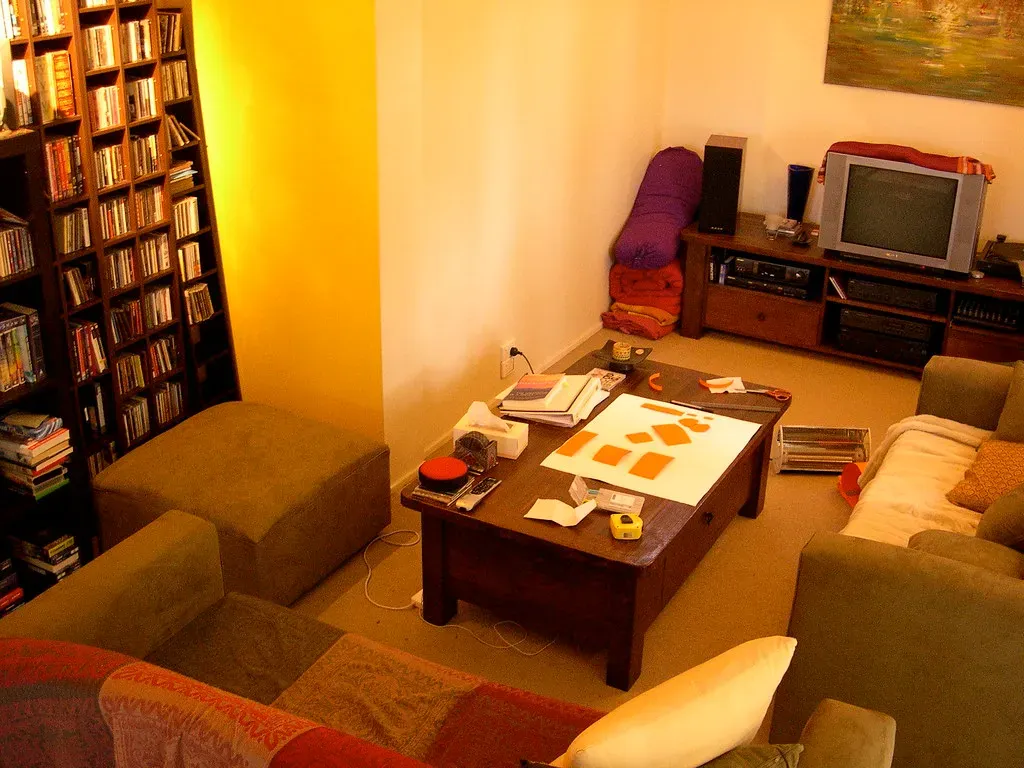
Simply moving existing furniture into a new configuration is one of the oldest tricks in interior design, and it remains effective because it genuinely changes how a room is experienced physically. Turning a sofa toward a window, or shifting a reading chair closer to natural light for longer summer days, can make familiar furniture feel new again. This works particularly well when paired with seasonal light changes, since furniture orientation affects how much natural light a room receives throughout the day.
This approach costs nothing beyond effort, yet it’s consistently cited by interior designers as one of the most effective low budget refreshes available. It also forces a temporary decluttering process, since furniture has to be moved to be rearranged. Many people report noticing items they’d forgotten they owned simply because the process required touching every piece in the room.
Update Kitchen And Dining Textiles

Tablecloths, napkins, and dish towels are some of the most frequently touched textiles in a home, yet they’re rarely rotated with the seasons the way bedding or throw pillows are. Lighter linen napkins and pastel or neutral tablecloths in warmer months, swapped for richer tones and heavier fabrics in cooler ones, follow the same logic as living room textile changes but at an even lower price point. Because these items are used daily, the seasonal shift is felt constantly rather than only when guests visit.
Home goods retailers consistently release seasonal kitchen textile collections precisely because this category sees such frequent turnover from consumers seeking small, affordable updates. A new set of napkins or a runner typically costs less than a single meal out, yet it changes the feel of every dinner for months afterward. This is a small category with outsized returns on everyday atmosphere.
Bring Seasonal Color Into Small Accents
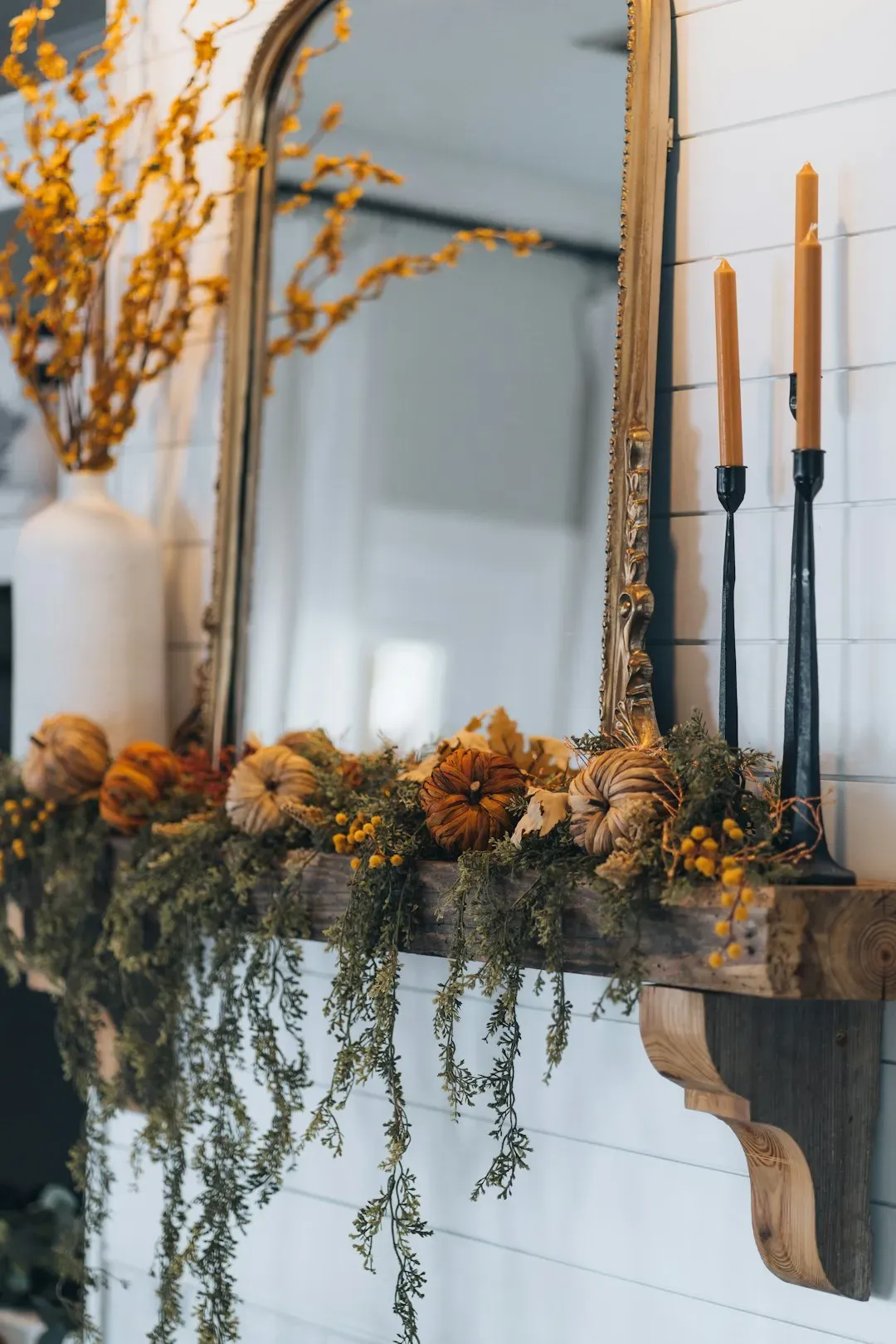
Rather than repainting walls, which is costly and time consuming, many people achieve a similar seasonal feel by introducing color through small accents like vases, coasters, or a single accent chair cushion. Warmer, earthier tones in fall and winter versus brighter or cooler tones in spring and summer follow a well established seasonal color logic used throughout retail and interior design industries. Because these items are small, even a bold color choice feels manageable rather than overwhelming.
Color psychology research consistently shows that even small doses of seasonally appropriate color can shift the perceived mood and freshness of a space significantly. This means a five dollar vase in the right shade can do more visual work than an expensive piece of furniture in the wrong one. It’s a low risk way to experiment with color without committing to anything permanent.
Declutter With The Season In Mind

Every seasonal transition offers a natural opportunity to reassess what’s sitting around a home that no longer serves a purpose. Swapping out heavier blankets for lighter ones, or storing away holiday decor, creates physical space that itself contributes to a fresher feeling, independent of anything new being added. This kind of seasonal decluttering costs nothing and often takes less than an afternoon.
Professional organizers frequently note that clutter accumulates most heavily around seasonal transitions, since items from the previous season often get left out simply from inertia. Addressing this proactively, rather than waiting for it to become overwhelming, keeps a home feeling intentional rather than accidental. A cleared surface or an emptied closet corner often has more visual impact than any single decorative purchase.