
Most backyards do not become special by accident. They start as a patch of grass, maybe a sagging fence, and a vague idea that “someday” it will look nicer. Somew between that first idea and the finished space, a lot of decisions get made, some good, some rushed, and the difference usually comes down to planning before shopping.
This year, homeowners across the country are rethinking what a backyard is actually for, not just how it looks in a photo. The choices being made in 2026, from plant selection to lighting to how a patio gets used at 9pm in October, reflect a shift toward spaces that work harder and last longer.
Start With a Plan, Not a Purchase
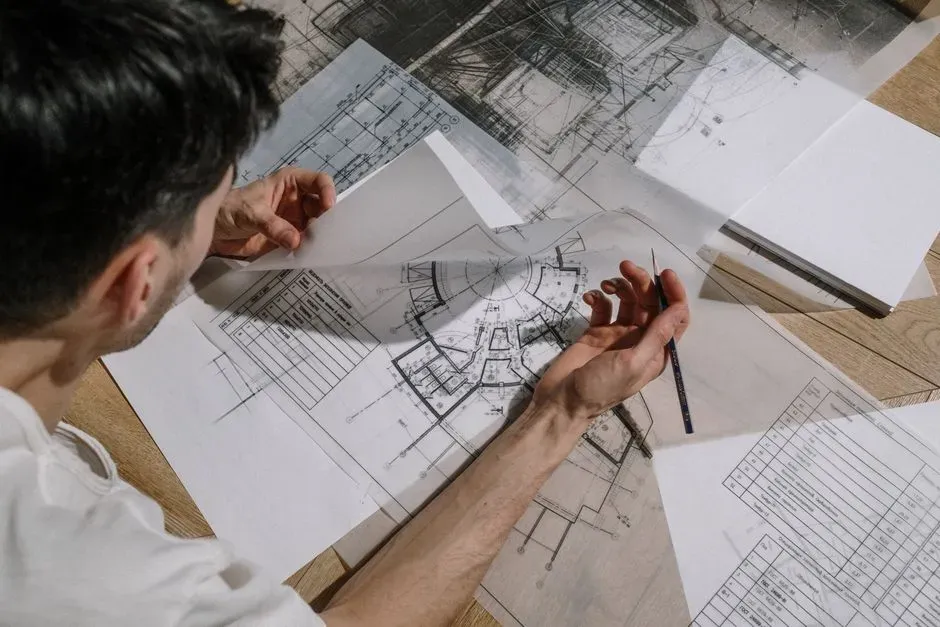
It is tempting to buy a fire pit or a string of lights and call it a project, but the yards that hold up over time usually start with a layout, not a shopping trip. Homeowners today expect outdoor spaces to function as integral parts of the home, supporting real life across changing seasons, family routines, and everyday use, which has changed how they approach design decisions, placing less emphasis on ever-changing trends and more on what continues to work over time. That mindset changes the order of operations, since figuring out how a space will actually be used matters more than picking a color scheme first.
Professional designers see this shift too. Instead of trying to include everything at once, many homeowners are choosing to invest in high-quality foundational elements now and phase in finishes and smaller elements over time. That approach protects a budget and avoids the regret of a rushed decision made under pressure from a single weekend project.
Zoning the Yard for the Way You Actually Live
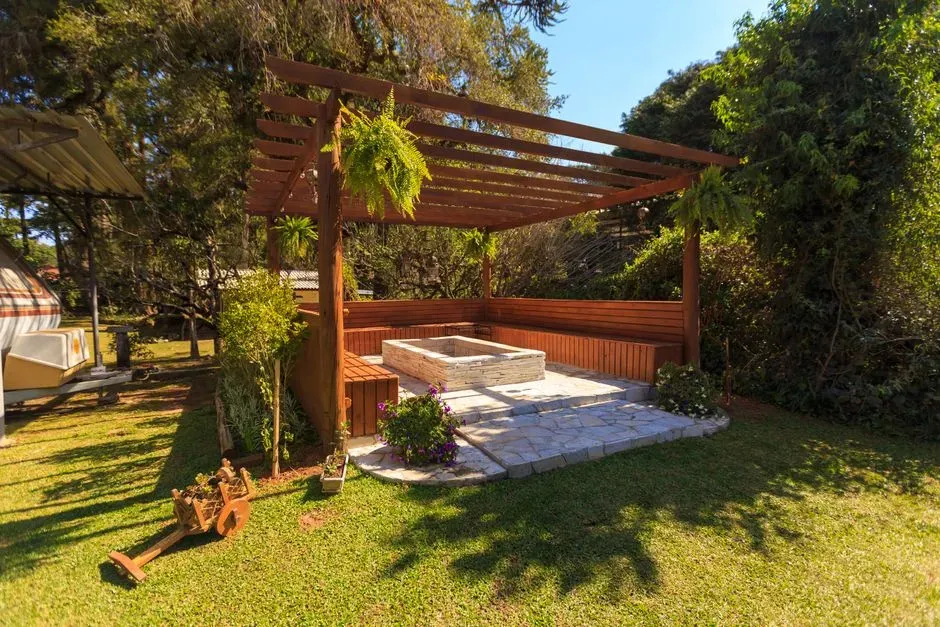
A backyard that tries to do everything at once often ends up doing nothing particularly well. The more successful approach right now is dividing space into zones, a dining area , a quiet reading nook t, maybe a small garden bed near the kitchen door. Landscape professionals are noticing an increased demand for spaces that feel like home, rather than large, ostentatious showcase landscapes, with a strong trend toward small, intimate spaces expected to grow further in 2026.
This is not about shrinking ambition, it is about scale that matches real use. People are resonating with old school landscape methodologies of garden rooms, a personal, comfy, intimate aesthetic rather than one big open space, even as entertaining friends and family remains a main goal for many homeowners. A yard broken into smaller, purposeful areas often feels bigger, not smaller, because every corner has a job.
Hardscaping Sets the Foundation
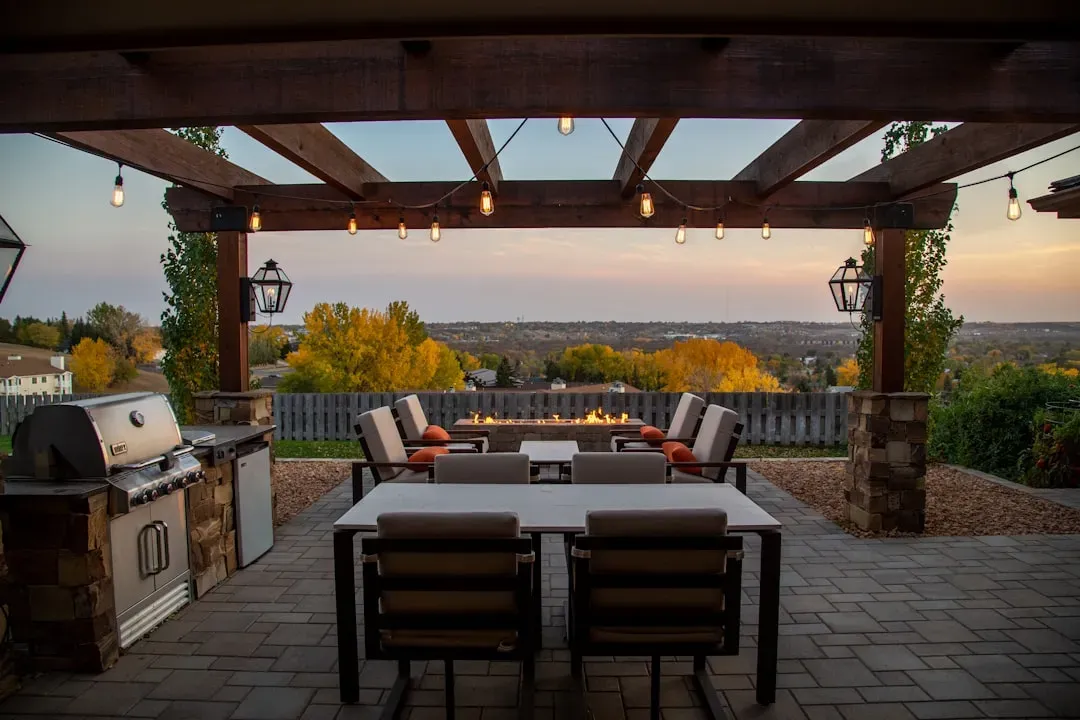
Patios, walkways, and retaining walls are the bones of a backyard, and getting them right early saves headaches later. Flexibility has become a common theme across backyard trends as homeowners look for outdoor settings that serve more than one purpose, and low maintenance planning supports the same goal through durable materials, simplified layouts, and thoughtful surface selection. Material choice matters as much as layout, since a surface that cracks or fades within a few seasons defeats the purpose of investing in it.
Natural materials are having a real moment in 2026 hardscape design. Material availability has expanded drastically compared to fifteen years ago and regional styles are now blending across the country, making natural materials such as limestone, warm toned pavers, and wood accents a major trend this year. Costs vary widely depending on scope, but industry data puts average patio installation spend at around $3,400, a figure worth keeping in mind before committing to a design.
Native Plants and Water-Wise Landscaping
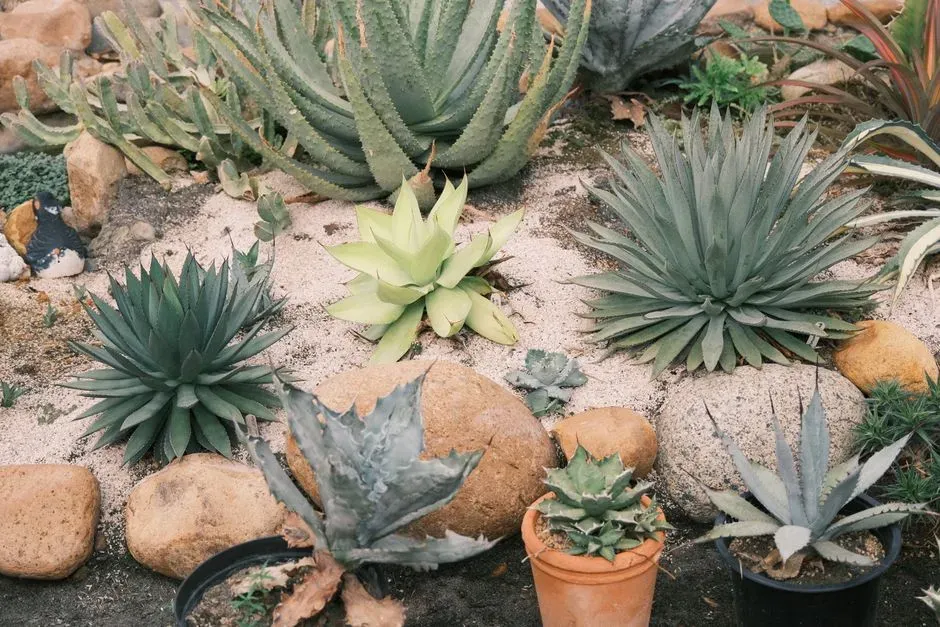
Lawns are quietly losing ground, and not because people have stopped caring about greenery. The focus for 2026 is shifting toward lawns that bring aesthetic returns alongside more free time, often by replacing traditional thirsty turfgrass with native grasses and drought-tolerant ground covers. The water savings are not marginal either. Research comparing turf to native landscaping found that native plants used an estimated total water use of 422 acre feet per year while turfgrass required 1407 acre feet per year, a sixty percent reduction in water use in that study.
The benefits extend beyond the water bill. Native plants provide food and habitat for local wildlife, help prevent soil erosion, and require less water than non-native species because they are adapted to the local climate, with deeper root systems that can access water further down in the soil. One Colorado homeowners association that swapped turfgrass and thirsty ornamentals for native planting saw its usage drop from about 37 million gallons of water a year in 2009 to less than 22 million gallons by 2014, saving 15 million gallons a year.
Outdoor Kitchens and Dining That Rival the Indoors
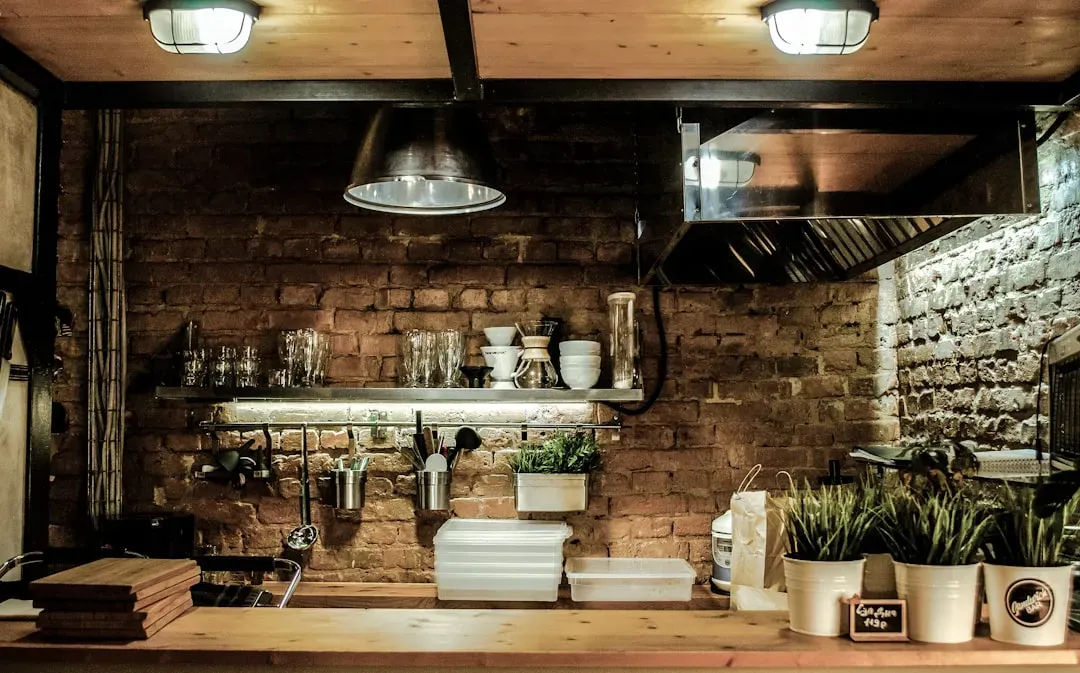
Cooking outside used to mean a grill on the patio and not much else. That has changed considerably. Barbecues have been upgraded in 2026, with the outdoor kitchen evolving into a fully functional culinary destination complete with countertops, storage, and even refrigerators. For homeowners budgeting a project, this category tends to be one of the bigger line items, with industry estimates putting average outdoor kitchen spend at around $13,000.
Designers describe the trend as a continued blurring between indoor comfort and outdoor practicality. Clients increasingly see the landscape as an extension of their homes and are seeking a natural flow from interior living spaces into their yards, part of a continued blurring between architecture and landscape architecture. A well-placed outdoor kitchen does not just add convenience, it often becomes the anchor around which the rest of the seating and gathering space is designed.
Lighting That Changes How a Yard Feels After Dark
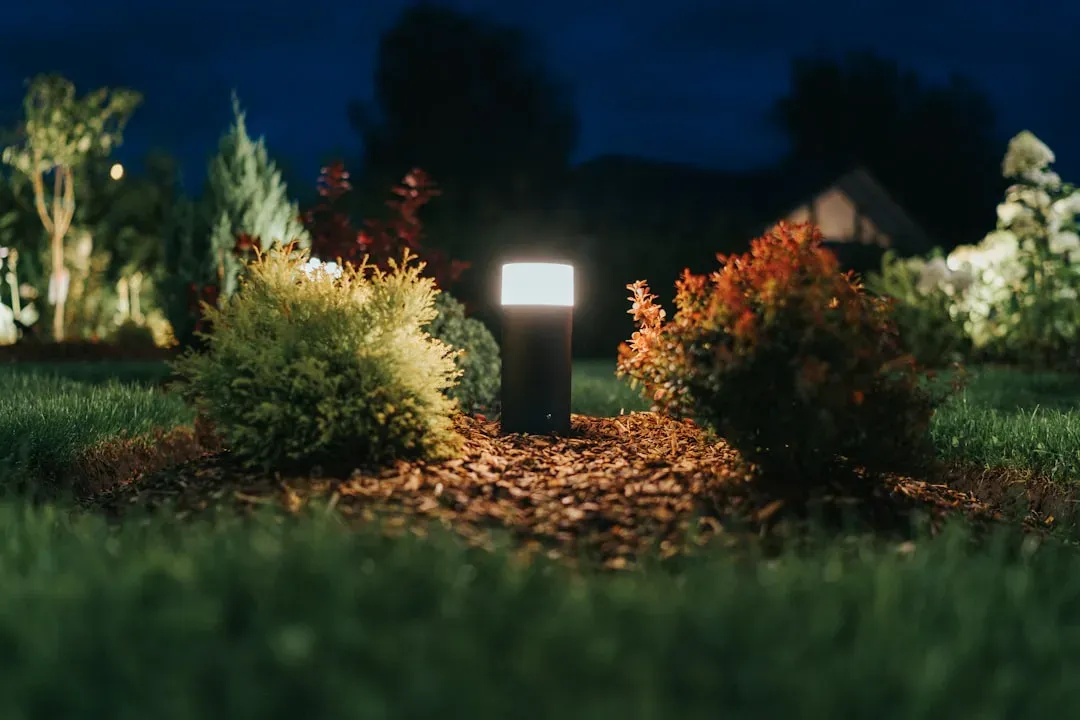
Lighting decisions get overlooked until the sun goes down and the yard suddenly feels unfinished. That is changing as homeowners treat it as a design category in its own right rather than an afterthought. The trend for 2026 incorporates small lighting features to add a soft, subtle glow, including string lights, warm lanterns, LED candles, and hidden light strips, as garden lighting moves away from flat, functional setups toward something more atmospheric and design led.
Layering is the key technical idea behind the trend. Combining ambient, task, and accent lights at different levels creates a magical ambiance after dark without relying on a single harsh floodlight to do all the work. Industry data pegs average landscape lighting installation at about $2,500, a modest investment relative to the difference it makes in how usable a yard feels in the evening.
Wellness Features Are Reshaping the Backyard
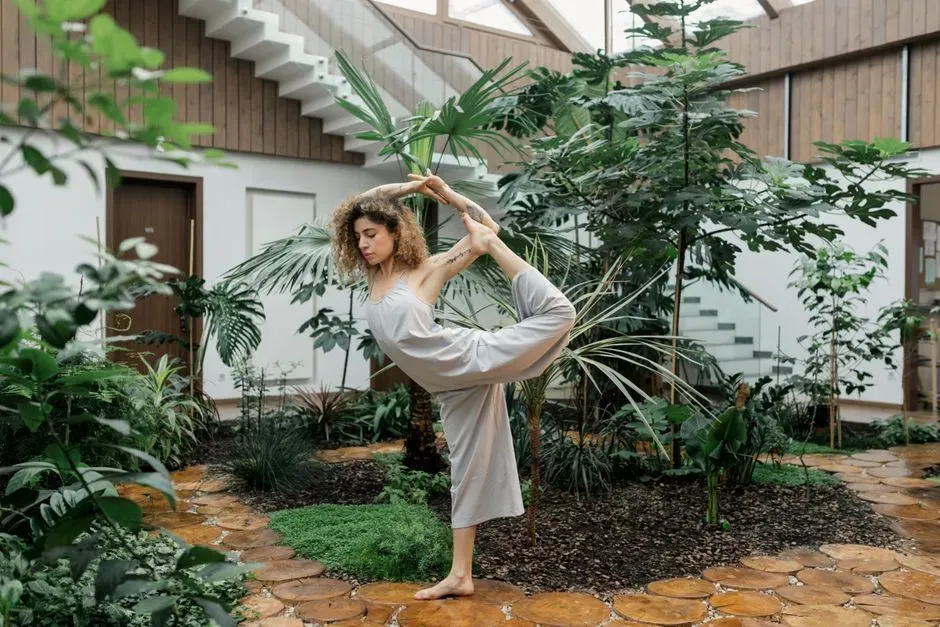
Backyards are increasingly being treated as places to decompress, not just entertain. Backyards are now considered personal sanctuaries for mental and physical well-being, and the rise of wellness trends is reshaping how people design their outdoor areas. Cold plunge pools, saunas, and quiet meditation corners have moved from niche to mainstream fairly quickly.
The numbers back up how fast this has grown. Search and social data show that cold plunge is a top trend with 1.08 million Google searches and 227,000 TikTok posts, dominating in warm weather cities like Miami and Scottsdale. Meanwhile, broader survey data found that health focused features such as hot tubs or plunge pools, pickleball courts, and outdoor saunas reflected strong interest in wellness focused backyards across the country this year.
Smart Technology Finds Its Way Outdoors
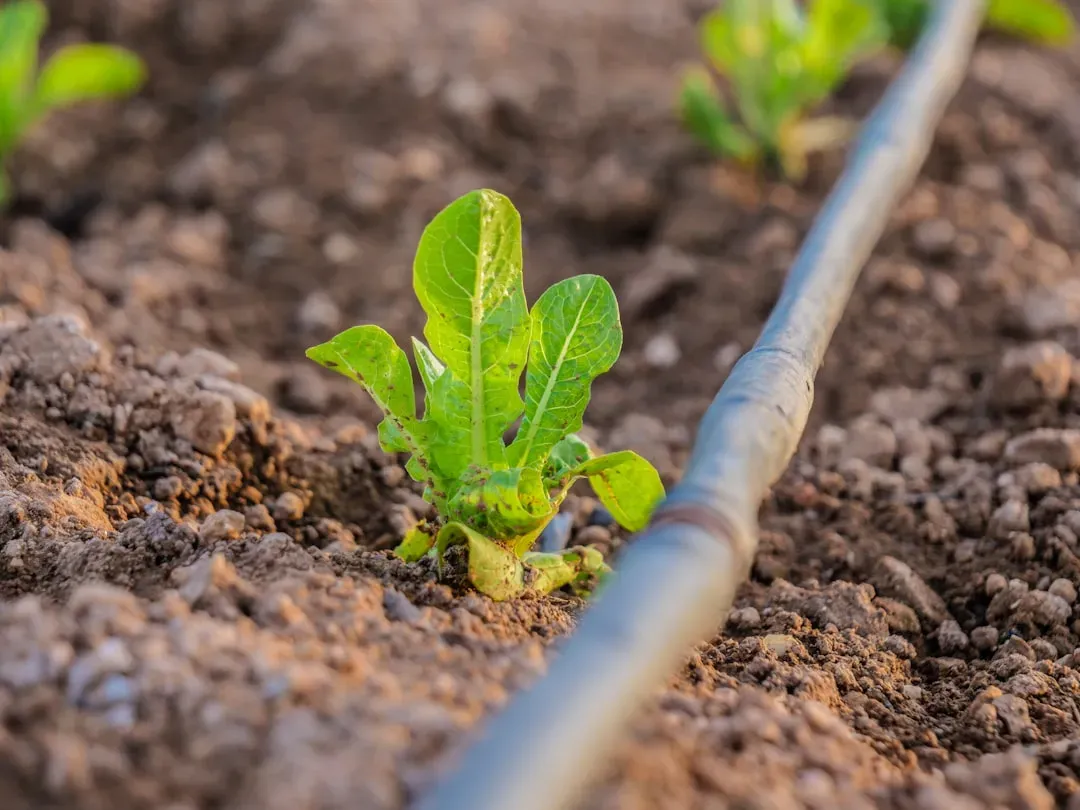
Backyards are becoming noticeably more connected. 2026 is the year everyone is looking to incorporate smart technology into their outdoor spaces, with smart sprinkler systems helping save water and keep plants healthy, and automated smart lighting meaning owners never have to remember to switch it on or off. Even routine chores are getting automated, since basic yard maintenance tasks like pool cleaning or lawn mowing can now be handled with sensing technology.
The efficiency gains are measurable, not just convenient. AI irrigation controllers can save around 25% water compared to manual watering schedules, while LED landscape lights use roughly 80% less energy than older fixtures. For homeowners easing into a tech-forward yard, starting with smart outdoor lighting and smart irrigation offers greater impact for a relatively minimal investment.
Budgeting the Project Realistically

Ambition is easy, budgets are harder. National survey data from earlier this year found that 77% of homeowners were planning a backyard upgrade in 2026, with a median budget of $1,500, while 23% planned to spend $5,000 or more transforming their backyard. That gap between a modest refresh and a full transformation is worth acknowledging honestly before drawing up a wish list.
DIY ambition is common too, though it does not always pay off. Nearly one in ten homeowners reported attempting a DIY backyard upgrade that did not go as planned, and successful DIY projects averaged $1,928 in spending compared to $818 for failed attempts, suggesting that proper planning and materials play a critical role in lasting results. That is not an argument against doing the work yourself, it is an argument for doing the planning first, however modest the project.
Extending the Season and Designing for Every Month
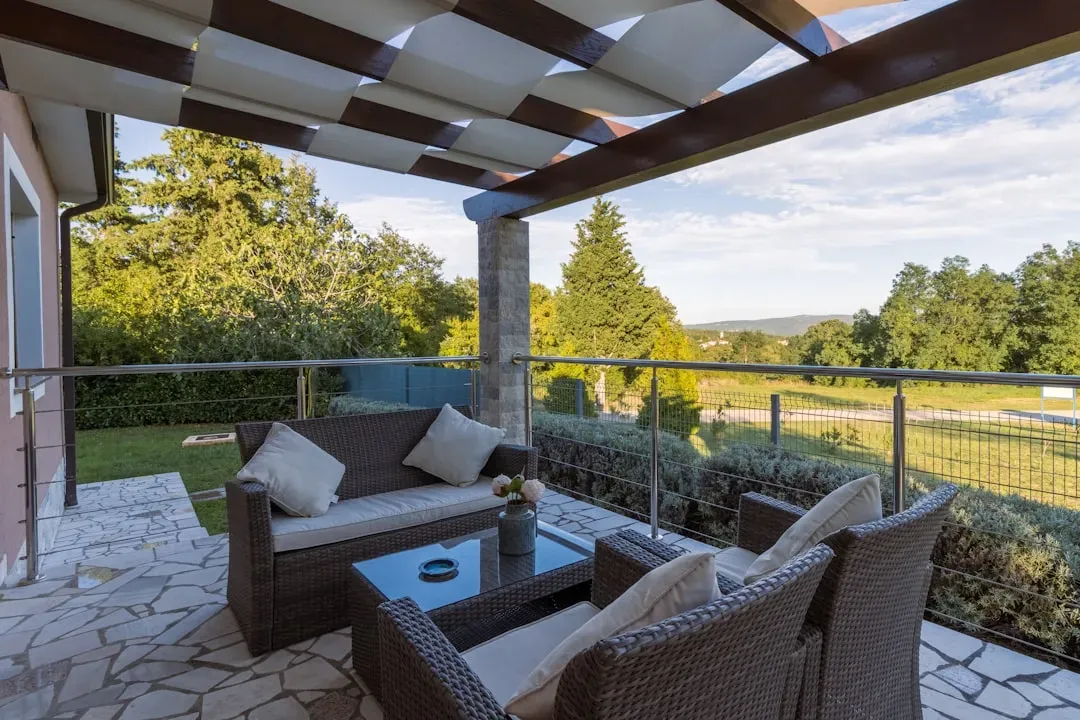
A backyard that only works for three months of the year is only doing a third of its job. Designers report growing demand for year-round usability, since one of the biggest shifts in landscape design right now is the desire to extend the outdoor season, as homeowners are no longer satisfied with just a few months of patio weather and want spaces usable comfortably from spring through fall, and sometimes into winter.
Covered structures and heating solutions are doing most of the work . Covered patios and pavilions are becoming essential as homeowners want protection from rain, snow, and harsh sun while still feeling connected to the outdoors, with features like automated screen systems, fireplaces, infrared heaters, and outdoor ceiling fans helping stretch the usable season well into late fall. It is a shift that treats the backyard less like a seasonal amenity and more like another room of the house, one that just happens to have weather.
A great backyard rarely comes from a single big decision. It comes from a series of smaller, well-considered ones, the plant that actually suits the climate, the patio material that will still look good in a decade, the lighting layer that makes a Tuesday evening outside feel worth it. Start with how the space will actually be lived in, and the rest tends to follow.