
There’s a particular kind of quiet that settles over a room once everything has found its place. The counters are clear, the floor is visible, and for a moment, the whole house seems to exhale. It’s a small thing, maybe even a mundane one, but it changes how a space feels the second you walk into it.
Tidiness has become something of a cultural fixation in recent years, from minimalist tours to decluttering shows and endless online debates about how much stuff a person really needs. Beneath the trend, though, sits something more grounded: a genuine, well-documented connection between the order of our physical surroundings and the order of our minds.
Why a Tidy Space Feels So Good
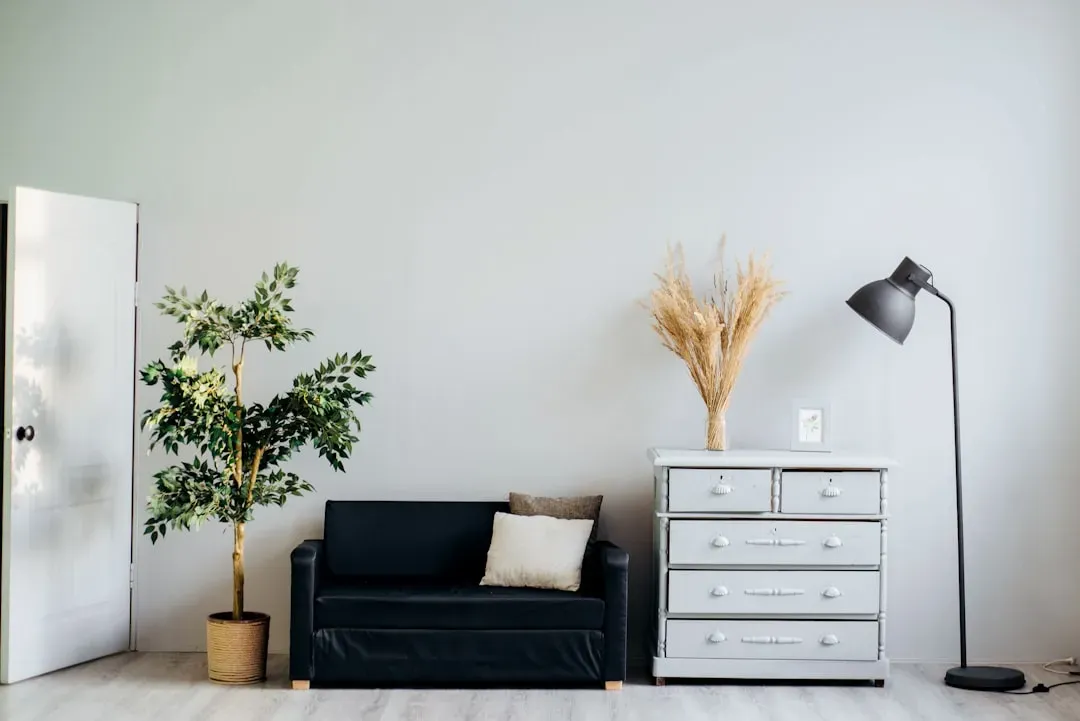
There’s a reason walking into a freshly organized room feels almost like a reset button. The brain reads visual order as a signal of safety and control, two things that matter more than people often realize in daily life. When surfaces are clear and items have a place, there’s simply less for the eyes and mind to process at once.
This isn’t just a feeling people describe casually. If you’re looking for an easy way to reduce stress, decluttering your environment may be a good place to start, since getting rid of excess stuff can benefit your mental health by making you feel calmer, happier, and more in control, and a tidier space can make for a more relaxed mind. That sense of ease tends to show up almost immediately, before any deeper organizing even happens.
The Science Behind Clutter and Stress

One of the most cited pieces of research on this subject comes from UCLA’s Center on Everyday Lives of Families, which spent time inside the homes of dozens of Los Angeles families to understand how possessions shaped daily life. Researchers found clutter to be such an overwhelming problem that it elevated stress hormone levels, especially in mothers, and discovered that only a quarter of families used their garages to store cars because the space was filled with clutter instead.
A related study led by researcher Darby Saxbe examined how people described their homes and how that language lined up with their cortisol patterns. The way people describe their homes may reflect whether their time at home feels restorative or stressful, and the study analyzed spouses’ self-guided home tours for language describing clutter and a sense of the home as unfinished. The findings suggested something simple but powerful: the words we use for our homes often mirror how our bodies respond to them.
A Clear Home, A Clearer Mind

Clutter doesn’t just sit quietly in a corner. It competes for attention, even when we’re not consciously looking at it. According to a study by Princeton University, researchers discovered that the environment can positively or negatively impact your ability to complete tasks and your overall mental health, and if the physical space around you feels scattered, it’s likely your mental space will feel the same.
That mental spillover explains why so many people report feeling foggy or unfocused in a messy room, even when the mess itself seems minor. A study by the University of Connecticut found that by removing or controlling clutter, you can directly reduce the stress that stems from the mess. Fewer distractions tend to mean more room, literally and figuratively, for actual thinking.
Better Sleep Starts With a Tidy Bedroom
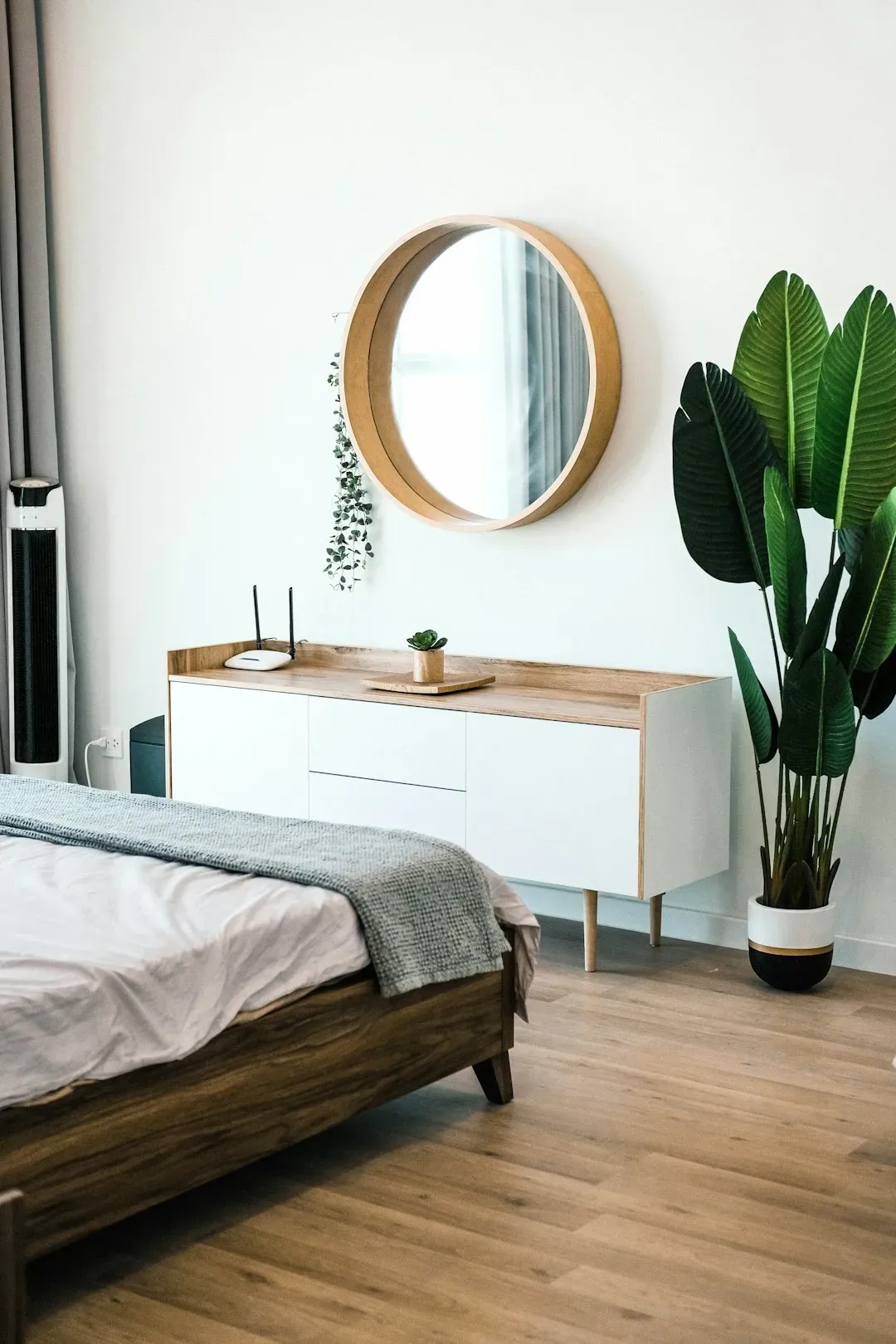
The bedroom is one of the few rooms where clutter has an almost immediate cost, since it’s the last thing many people see before closing their eyes. A room full of unfinished piles can quietly signal to the brain that there’s still work to do, which makes winding down harder than it needs to be.
Decluttering increases self-worth, creates healthy habits, and boosts productivity, and a clean and tidy home can also improve sleep, boost mood, and promote relaxation. It’s a modest change with an outsized payoff, since sleep quality tends to ripple into nearly every other part of the day that follows.
Tidiness and the Choices We Make
Order doesn’t just affect mood, it seems to shape behavior too. Several researchers have looked at how an organized environment nudges people toward steadier, healthier decisions, from what they eat to how they spend their time.
Interestingly, the picture isn’t entirely one-sided. Another study found that while orderly environments are more linked to healthy choices, disorderly environments promote creativity and fresh ideas, so if creativity matters to you, a little mess in certain areas of life might actually be worth allowing. A tidy home, in other words, supports discipline, while a touch of controlled chaos can support imagination.
The Social Side
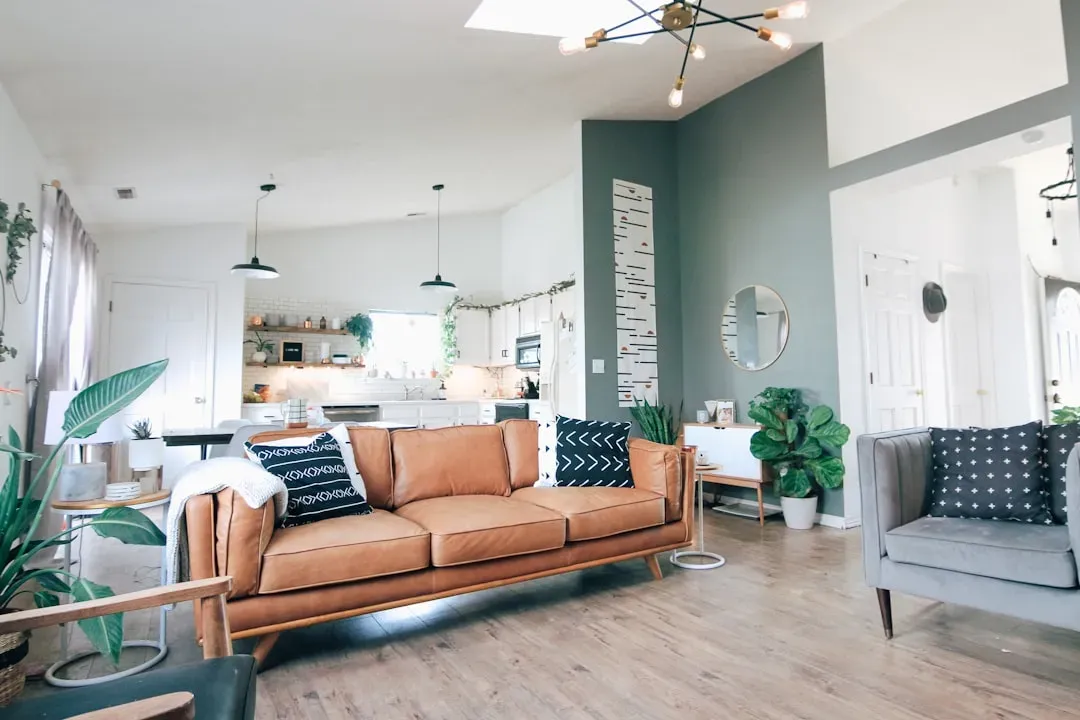
A tidy home changes how it feels to invite people over, and that matters more than it might seem. There’s a certain ease that comes from not scrambling to hide piles of laundry or clear off a couch before guests arrive.
Beyond visitors, tidiness affects the people who live there every day. Household order has been linked to smoother family dynamics, since shared spaces that function well tend to reduce the small daily frictions that build up between people living under the same roof.
Small Habits That Keep Things Tidy
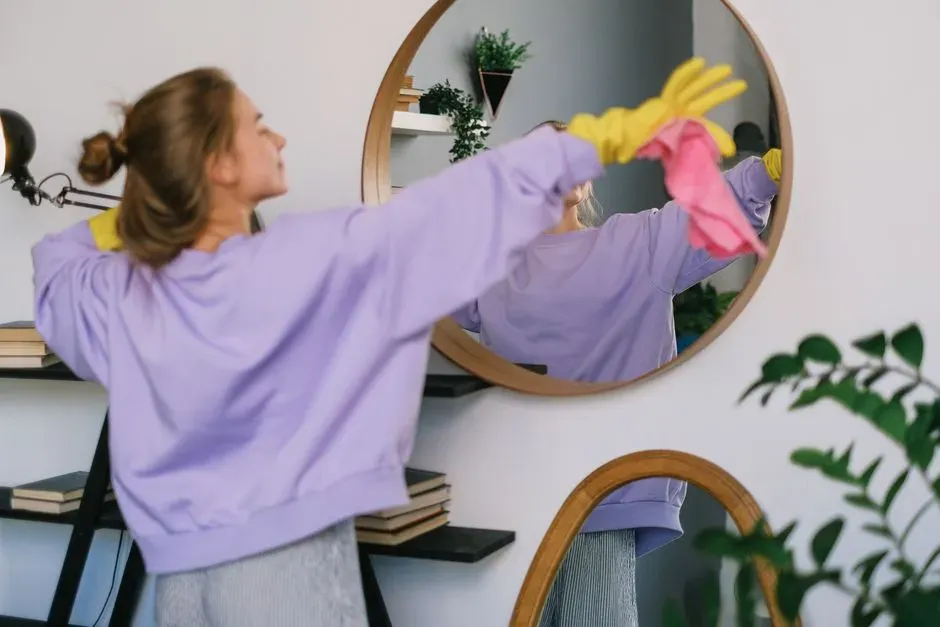
Maintaining a tidy home rarely comes down to one big cleaning session. It’s usually built from small, repeated habits, like putting shoes away at the door or clearing the kitchen counter before bed. Experts suggest starting small rather than trying to declutter everything at once, focusing on one manageable area each day, such as the bottom half of a closet one day and a junk drawer the next.
In a matter of weeks, this steady approach tends to produce a noticeable difference in how organized a person feels. The habit matters more than the intensity, since consistency is what actually keeps a space from sliding back into disorder.
Tidying as a Family Affair
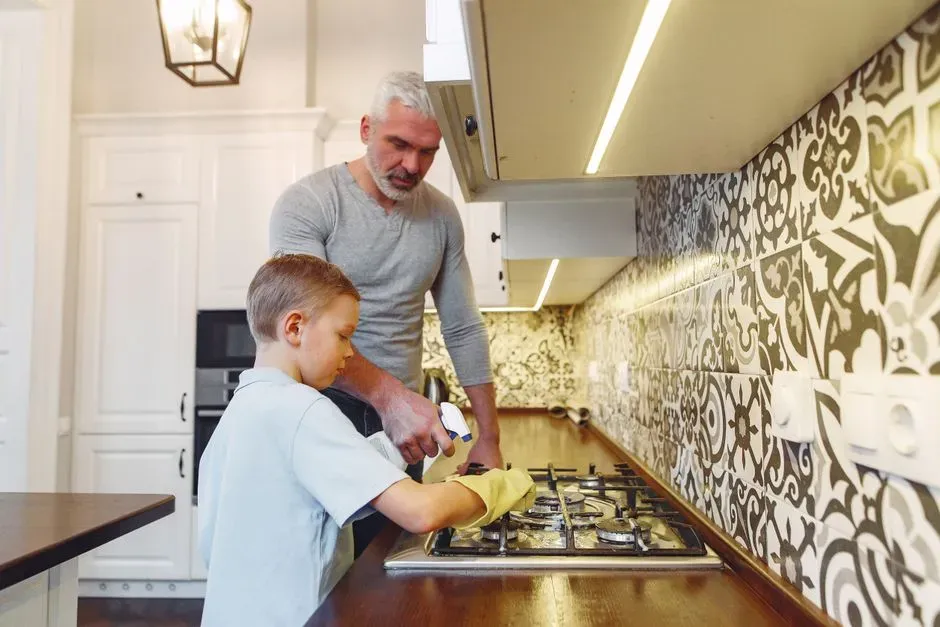
Children absorb household habits early, and a home’s general level of order tends to shape their sense of routine and calm. Research into household chaos has looked specifically at how disorganized environments relate to outcomes for children and parents alike, treating it as a genuine area of family wellbeing rather than a purely aesthetic concern.
Involving kids in tidying, even in small ways, tends to give them a sense of ownership over shared spaces. It also spreads the workload, which matters in households where one person often ends up carrying most of the mental and physical labor of keeping things in order.
The Minimalism Movement in 2026

Interest in minimal, intentional living hasn’t slowed down. If anything, the last couple of years have seen a steady stream of decluttering content, home organization services, and social media trends built around clearing out excess belongings. Professional organizing has grown from a niche service into something closer to mainstream, with more households turning to outside help to manage the sheer volume of possessions modern life tends to accumulate.
This isn’t only about aesthetics or trends, though. The connection between decluttering and mental health lies in how it reduces external stimuli, minimizes stress, and restores a sense of order. That practical benefit is likely why the movement has staying power rather than fading as a passing fad.
Finding Balance: Tidy Without Being Perfect
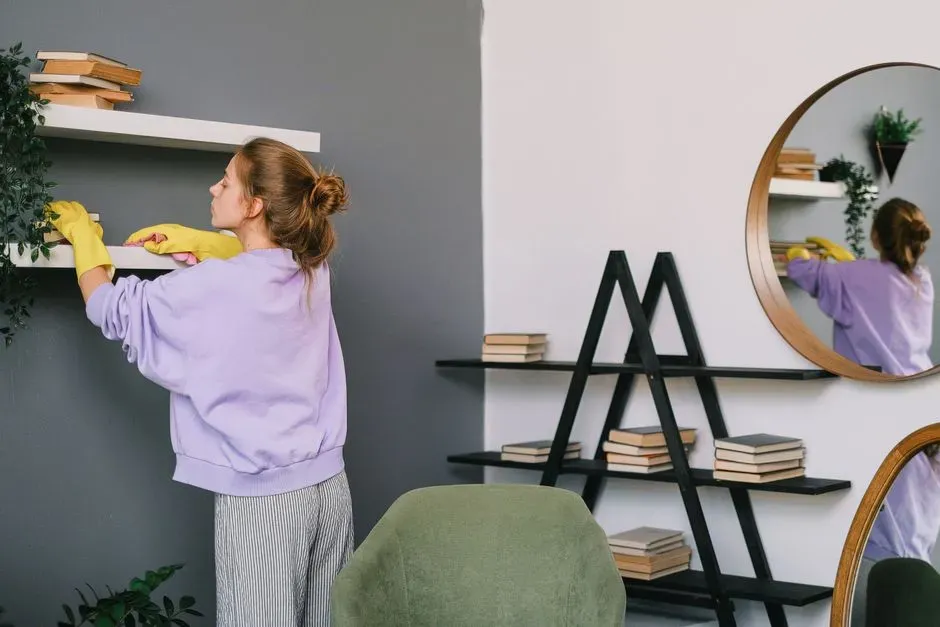
It’s worth saying plainly that a tidy home doesn’t need to mean a spotless or rigidly organized one. Chasing perfection can backfire, turning a helpful habit into another source of stress rather than relief. Once something is done and it looks good enough, it is good enough, and the focus should shift from perfectionism to simply completing the task at hand.
For most people, the real goal is a home that functions well and feels calm to be in, not one that looks staged for a photograph. That distinction matters, because sustainable tidiness has far more to do with ease than with flawlessness.
A tidy home isn’t really about the home itself. It’s about the small, steady relief of walking into a space that doesn’t ask anything more of you than to simply be there. That, more than any organizing method or minimalist trend, is where the real joy comes from.