
When summer vacation planning turns into something more serious than choosing the right hotel, families across America take notice. As of July 3, 2025, the U.S. Department of State has updated its travel advisories, issuing a “Do Not Travel” alert that has captured the attention of countless families preparing for international trips. This wasn’t just another routine update buried in government websites. It was a stark reminder that the world beyond American borders carries risks that parents need to understand before packing those suitcases.
The timing couldn’t have been more critical, arriving right as summer travel reaches its peak season. Let’s dive into what this really means for families and why government officials felt compelled to issue such a strong warning.
Understanding the Four-Tier Travel Advisory System
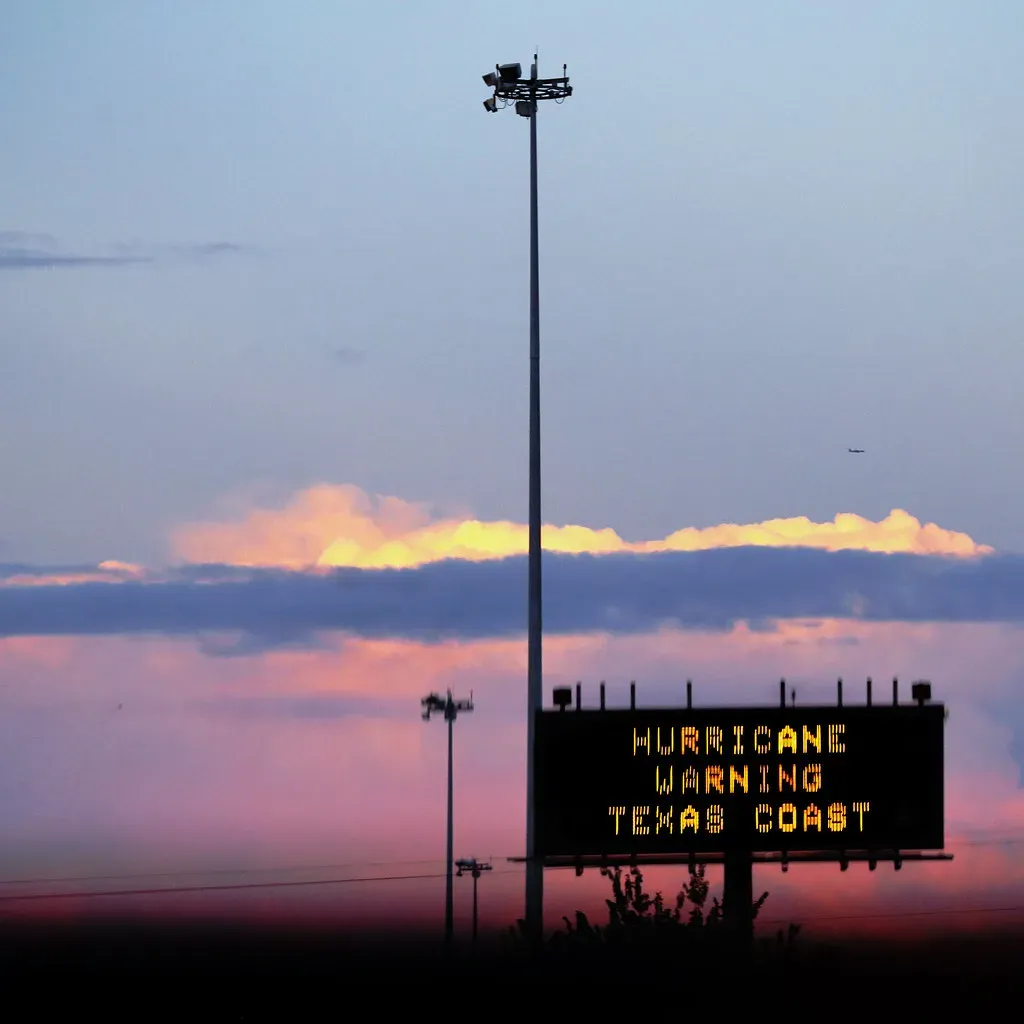
Here’s the thing: not all travel warnings are created equal. These advisories are issued by the U.S. Department of State and include 4 levels of increasing risk: Level 1 – Exercise normal caution. This is the lowest level of risk. Think of it like a traffic light system, except the stakes are considerably higher than running a red light.
This is the highest advisory level due to life-threatening risks. Specific risks are described in the Travel Advisory. The U.S. government may have very limited or no ability to help, including during an emergency. We advise that U.S. citizens do not travel to the country, or to leave as soon as it is safe to do so. Level 4 means the government is essentially saying stay away, period. It’s hard to be more clear than that.
The advisory levels get reviewed regularly, with Level 3 and Level 4 destinations scrutinized more frequently. Levels 3 and 4: At least every 6 months. A Travel Advisory will also be updated any time conditions change substantially.
Countries Currently Under Level 4 Restriction
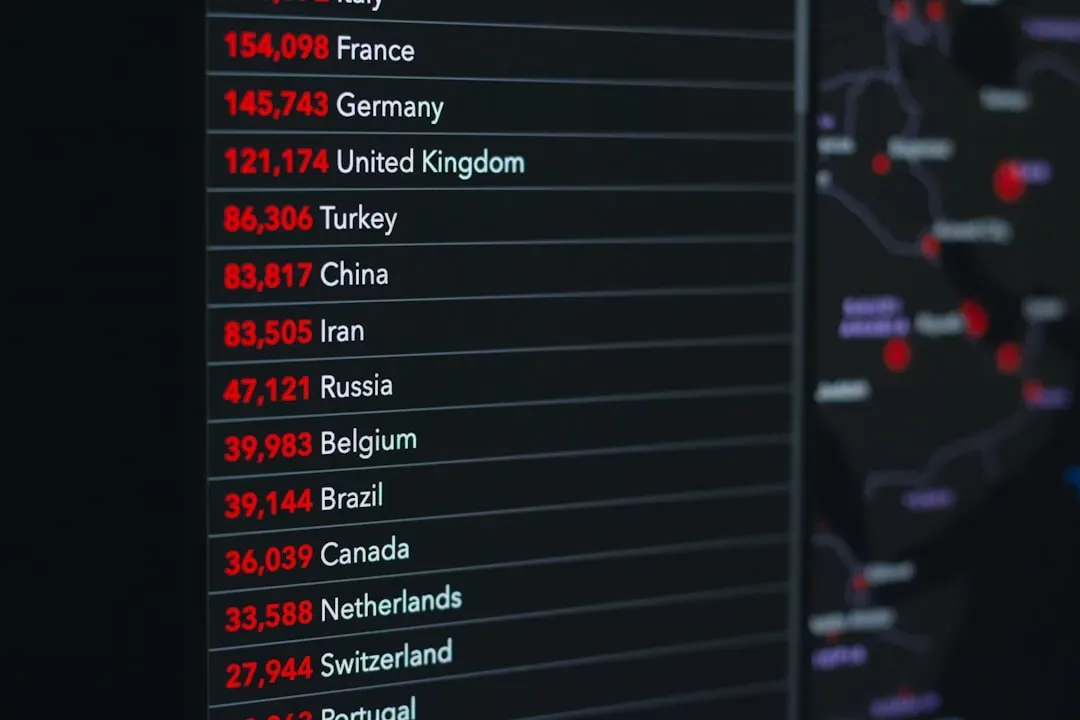
So which destinations made the list? The State Department has designated 21 nations as Level 4, advising Americans not to travel to them. They include Russia and Ukraine due to Russian President Vladimir Putin’s invasion of Ukraine. Others at Level 4 include North Korea, Syria, Iraq, Sudan and South Sudan, the Democratic Republic of the Congo, Venezuela and Haiti.
Mali: Issued July 31, 2023, due to crime, terrorism, and kidnapping. Ukraine: Issued Nov. 14, 2024, due to Russia’s war against Ukraine. These aren’t just abstract geopolitical concerns. They represent real, immediate dangers to American families who might otherwise have cultural or family connections to these regions.
Afghanistan and Belarus also sit firmly on this list. Afghanistan: Issued Jan. 13, 2024, due to civil unrest, crime, terrorism, risk of wrongful detention, kidnapping, and limited health facilities. The reasons vary from armed conflict to terrorism, but the conclusion remains the same: these places are off limits.
Why Haiti Presents Special Concerns for Families

Haiti deserves particular attention because it’s geographically close to the United States, making it tempting for quick Caribbean getaways. Haiti has been under a State of Emergency since March 2024. Crimes involving firearms are common in Haiti. They include robbery, carjackings, sexual assault, and kidnappings for ransom. Do not travel to Haiti for any reason.
Let’s be real, the situation there has deteriorated dramatically. The advisory warns that kidnapping in the country is widespread and that “U.S. citizens have been victims and have been hurt or killed.” Additionally, U.S. victims’ families have paid tens to hundreds of thousands of dollars to rescue family members who have been kidnapped. These aren’t scare tactics; they’re documented cases affecting real American families.
In July 2023, the Department of State ordered nonemergency U.S. government employees and their family members to leave the country due to security risks. When the government evacuates its own personnel, that should tell you everything you need to know.
The Growing Number of Americans Traveling Internationally
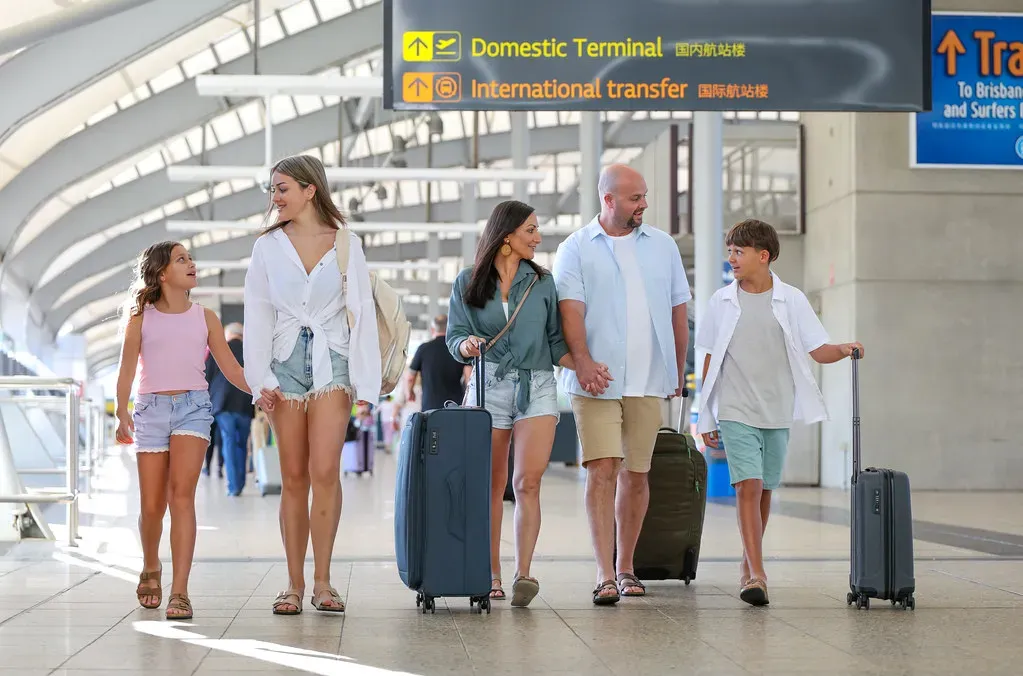
Despite these warnings, Americans are hitting the road in record numbers. In January 2024 alone, about 4.6 million U.S. citizens left the country for international destinations, 17% higher than the same month in 2019, according to the International Trade Administration. That’s a massive increase, showing that pandemic-era travel restrictions have given way to wanderlust.
Still, international tourist arrivals reached 87% of pre-pandemic levels in 2023, according to estimates by UN Tourism. Global tourism has bounced back with remarkable resilience. Families are eager to expose their children to different cultures, languages, and experiences that only international travel can provide.
This creates an interesting tension. More families want to travel, yet the number of restricted destinations continues to evolve based on global events. Parents face the challenge of balancing their children’s educational experiences with genuine safety concerns.
Myanmar and the Risk of Wrongful Detention

Southeast Asia typically ranks high on family travel lists, but Myanmar stands out as a notable exception. As of April 2024, the Burma military regime began implementing a military conscription law for males up to age 45 and females up to age 35. The military regime may prevent departure of people they view as eligible for conscription, including U.S. citizens who previously held Burmese nationality, and force them into the military.
Imagine planning a heritage trip to reconnect with family roots, only to discover you can’t leave the country. Foreign nationals, including U.S. citizens, have been trafficked into Burma and forced to work in internet scam centers, often located in active conflict zones along Burma’s eastern borders. These victims often respond to ads promising jobs in Thailand and are then forced or unwittingly lured into working at scam centers in Burma.
These aren’t just theoretical risks. They’re happening to actual travelers who thought they were making safe choices. Civil unrest following the 2021 military coup continues to create unpredictable and dangerous conditions.
Russia, Ukraine, and the Impact of Ongoing Conflict

The conflict in Eastern Europe has fundamentally changed the travel landscape for families with European heritage connections. Ukraine: Issued Nov. 14, 2024, due to Russia’s war against Ukraine. Belarus: Issued Dec. 18, 2024, due to the Belarusian authorities’ arbitrary enforcement of local laws, the risk of detention, the continued facilitation of Russia’s war against Ukraine, the potential of civil unrest, and the Embassy’s limited ability to assist U.S. citizens residing in or traveling to Belarus.
Russia presents its own unique dangers. Ukraine, harassment of U.S. citizens by Russian government officials and arbitrary law enforcement as a few of the reasons for the Level 4 designation. Chechnya and Mount Elbrus are specifically listed as Level 4 regions. Terrorism, civil unrest, health, kidnapping and wrongful detention are all noted as risks.
What’s particularly troubling is the arbitrary nature of these detentions. You could be doing nothing wrong and still find yourself held by authorities with limited recourse for help. For families, the thought of a parent or child being wrongfully detained thousands of miles from home is nightmare fuel.
Special Considerations for Traveling with Children

Traveling internationally with kids requires additional layers of preparation beyond just checking advisory levels. Because of concerns about illegal transport of children across international borders, parents traveling alone with children should carry relevant custody papers or a notarized permission letter from the other parent. This applies even when traveling to safe countries.
Single parents or divorced parents need to be especially diligent. Two-parent consent is not always needed for a minor to leave the United States. Without a valid court order prohibiting the child’s travel outside of the United States, there may be no way to prevent an abduction. The United States doesn’t have exit controls, which means documentation becomes your primary protection.
The Children’s Passport Issuance Alert Program (CPIAP) allows the Office of Children’s Issues to contact the enrolling parent or legal guardians when a passport application for their child is submitted. They do this to check if the two-parent consent rule for children’s passports has been met. This program exists specifically because international parental abduction is a genuine threat.
Countries That Have Issued Travel Warnings About the United States
Here’s something that might surprise you: it’s not just Americans worrying about travel safety. While many countries advise taking normal safety precautions when visiting the U.S., others are issuing general warnings about crime. At least one country currently has a heightened travel advisory in place for the United States. That’s right, other nations warn their citizens about visiting America.
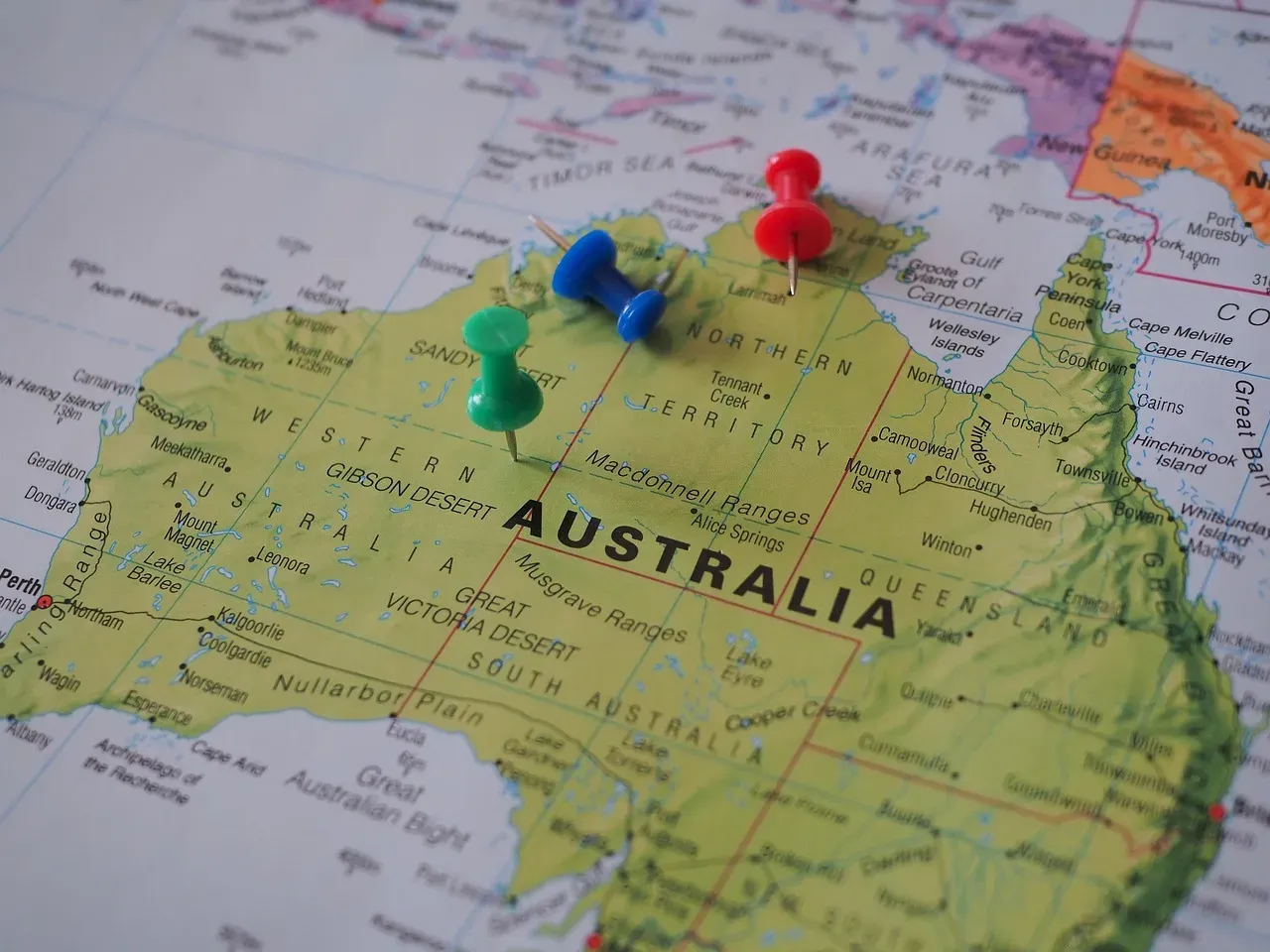
Australia does, however, warn its citizens that violent and gun-related crimes are more common in the U.S. than in Australia. Additionally, the country warns of a “persistent and heightened threat of terrorist attacks and mass casualty violence in the U.S.,” and advises people to remain vigilant when in public places or attending events.
New Zealand takes a similar stance. New Zealand categorizes its travel advisories into four levels, ranging from “exercise normal safety and security precautions” to “do not travel.” The current travel advisory level for the U.S. is 2 out of 4, meaning travelers are advised to exercise increased caution. New Zealand’s government attributes the rating to the threat of terrorism. It’s sobering to realize that other countries view American gun violence and mass shooting incidents as significant travel risks.
How to Access Current Travel Advisories
Honestly, checking travel advisories should be step one for any international trip planning. Find your destination and explore the Travel Advisory map before you go. Sign up for the Smart Traveler Enrollment Program (STEP) to receive email updates from the local U.S. embassy or consulate. The STEP program is completely free and provides real-time updates about safety conditions.
A free service, STEP allows enrollees to receive information and alerts from local US embassies or consulates about safety, security, or health conditions at their destination. STEP can also help the local embassy or consulate locate missing US citizens or contact them in an emergency (e.g., civil unrest, a family emergency, natural disasters). Think of it as an insurance policy that costs nothing but could prove invaluable.
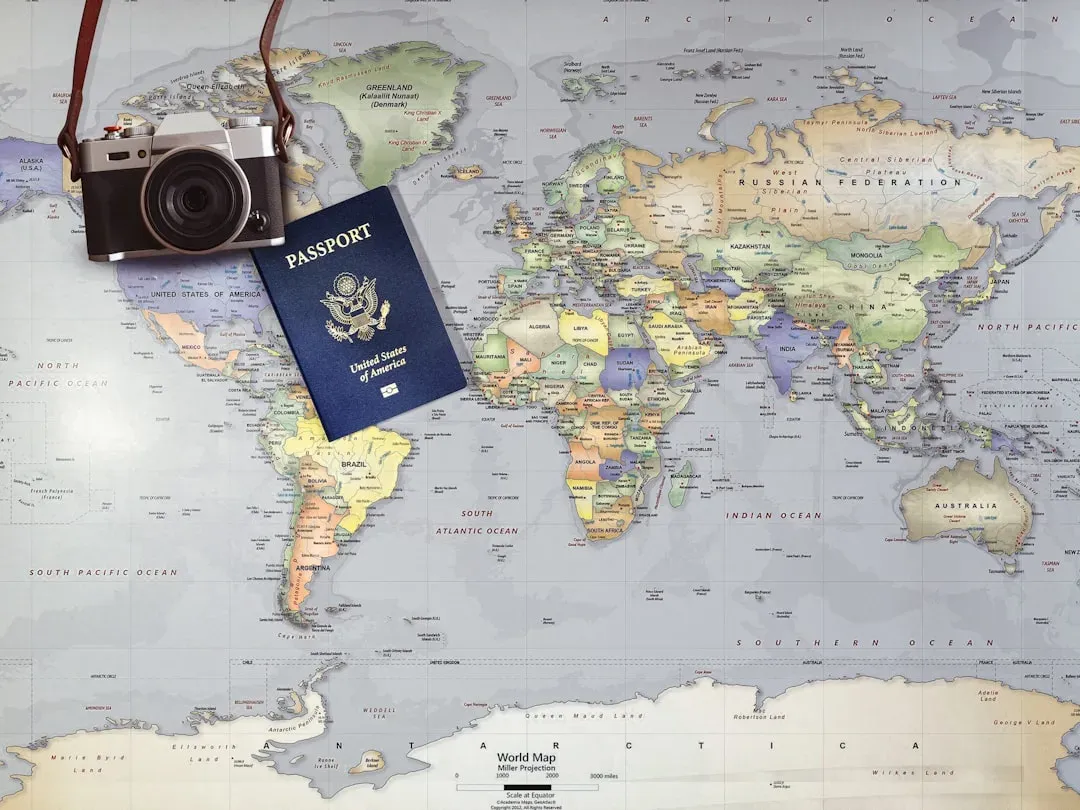
The State Department website maintains an interactive map showing all current advisories by country. The international Travel Advisory map provides an overview of the level of advisory in different destinations. Select “explore full map” to zoom in on the detailed safety and security risks.
What Happens When You Ignore Travel Warnings

Some travelers adopt a “it won’t happen to me” mentality, but that’s dangerous thinking when it comes to Level 4 destinations. When a country is placed on the Level 4 advisory list, the U.S. government strongly discourages any travel to that destination. U.S. embassies and consulates may have limited or no ability to assist citizens in distress due to security concerns, making it difficult to evacuate or provide aid. U.S. citizens who choose to ignore the advisory and travel to these regions do so at their own risk and may find themselves in life-threatening situations with little to no recourse for help.
The department advises Americans to write a will and leave DNA samples if they decide to travel to a Level 4 nation in preparation for possible worst-case scenarios. Let that sink in for a moment. The government is essentially saying to get your affairs in order before going, which should tell you everything about the severity of these warnings.
Insurance becomes another complication. Many travel insurance policies won’t cover incidents that occur in countries under Level 4 advisories. If a travel advisory is issued after you purchase your policy but before you depart for your trip, you may be eligible to cancel your travel plans and recover your prepaid trip costs. Comprehensive travel insurance policies include Trip Cancellation insurance, which reimburses up to 100% of your non-refundable travel expenses if unforeseen events restrict or disrupt travel to your destination.
Making Informed Decisions for Your Family

The July 3 advisory serves as a crucial reminder that international travel requires serious preparation and awareness. The Department of State has no higher priority than the safety and security of U.S. citizens abroad. Information contained in these advisories reflects an assessment of threats only insofar as they may impact U.S. citizens, nationals, and legal residents. These aren’t arbitrary restrictions designed to limit your freedom; they’re based on genuine intelligence and risk assessment.
For families, the stakes are even higher. Children may not understand dangerous situations the way adults do, and language barriers can compound problems in crisis scenarios. Parents bear the responsibility of weighing adventure and cultural education against concrete safety risks.
Does this mean families should never travel internationally? Absolutely not. The vast majority of countries remain safe and welcoming to American tourists. It means doing your homework, staying informed, and making decisions based on current conditions rather than outdated guidebooks or wishful thinking. Your family’s safety depends on the choices you make before leaving home.