
There’s something quietly satisfying about a home that shifts with the calendar. Not a full renovation every three months, but small, thoughtful changes that acknowledge the world outside is different than it was a season ago. A swapped throw pillow, a new scent drifting from the kitchen, a wreath that finally comes down after winter overstays its welcome.
Seasonal transitions in the home don’t require a big budget or a weekend of hard labor. They require attention, a little planning, and a willingness to let go of what no longer fits the moment. Here’s how to make every season feel intentional the second you walk through the door.
Start at the Entryway

The entryway sets the tone before anyone even steps inside, so it’s the most logical place to begin a seasonal refresh. A doormat swapped for something with warmer tones in autumn or brighter patterns in spring signals the change immediately. Adding a console table with a rotating tray of seasonal items, whether that’s pinecones in winter or citrus in summer, keeps the space feeling current without much effort.
Lighting matters here too, especially as daylight hours shift dramatically between seasons. A simple lantern or string of warm bulbs near the front door can make a autumn evening feel cozier or a summer night feel inviting. Even a fresh coat of paint on the front door, done once every couple of years, gives the whole entrance a seasonal identity that lasts.
Bring the Outdoors In
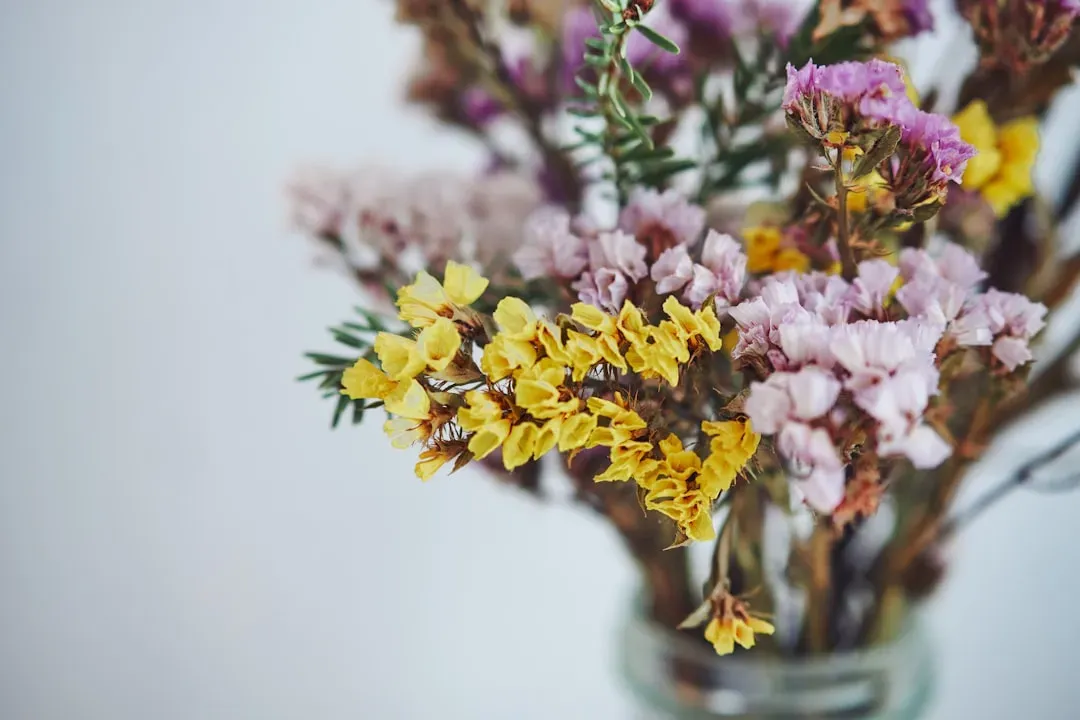
Nature offers the easiest and most affordable way to mark a season, and it rarely feels forced. Branches with early buds in spring, a bowl of fresh apples in fall, or a vase of wildflowers in summer all bring an authentic sense of time and place into a room. Even a single stem in a glass jar on a windowsill does more to signal seasonal change than most store bought decor.
Foraging locally, when possible, adds a personal touch that mass produced decorations can’t replicate. A walk through a nearby park or backyard often yields more than enough material for a centerpiece or mantel display. This approach also tends to be more sustainable, since it avoids plastic ornaments that end up in landfills after a few uses.
Rotate Textiles Thoughtfully

Textiles are one of the fastest ways to change the feel of a room without moving furniture or repainting walls. Heavier wool throws and flannel sheets in winter give way to linen and cotton in warmer months, and the shift in fabric weight alone changes how a space feels to touch and see. Curtains can follow the same logic, with sheer panels letting in more light during spring and summer, and thicker drapes helping retain warmth once temperatures drop.
Storing off season textiles properly extends their life and keeps them ready for the next rotation. Vacuum sealed bags or cedar lined storage boxes protect wool and cotton from moths and moisture during the months they’re not in use. This kind of rotation also means less clutter, since only the current season’s items are visible and in circulation.
Let Scent Do the Talking
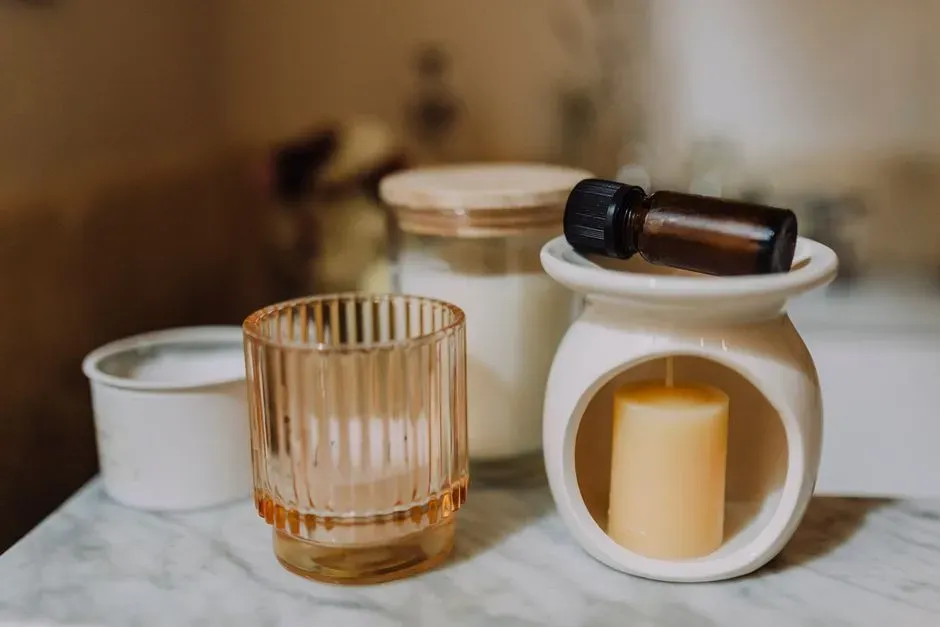
Smell is one of the strongest triggers for seasonal memory, which makes it a powerful and often underused decorating tool. Cinnamon and clove candles in autumn, fresh linen or citrus scents in spring, and something smoky or woody in winter each create an immediate sensory shift. Simmering a pot of water with orange peels and spices on the stove is an old trick that still works, filling a home with scent without any synthetic additives.
Essential oil diffusers offer more control over intensity and can be adjusted room by room depending on use. A bedroom might call for something calming like lavender in any season, while a kitchen or living room can handle bolder, more seasonal notes. Rotating scents every few months keeps a home from feeling static, even when the furniture hasn’t moved an inch.
Adjust the Color Palette
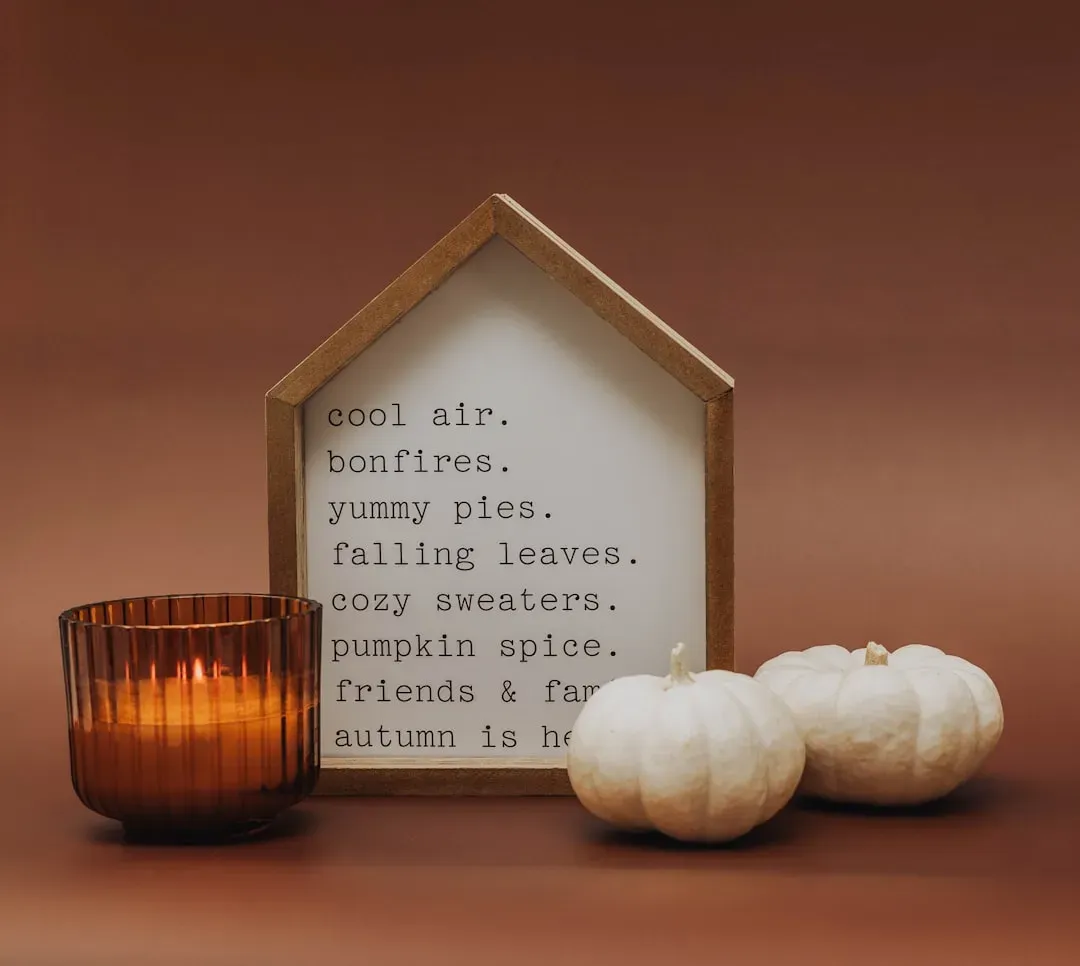
Color has a psychological effect on how warm or cool a room feels, independent of actual temperature. Deep greens, burgundies, and mustard tones tend to dominate autumn and winter palettes, while pastels and brighter whites take over in spring and summer. This doesn’t mean repainting walls every few months, but rather swapping accent pieces like cushions, vases, and artwork to reflect the shift.
A neutral base in main living spaces makes this kind of rotation far easier and more affordable. Walls in soft gray, white, or beige act as a blank canvas that accepts seasonal color changes without clashing. Investing in a few key accent pieces per season, rather than an entire new set of decor, keeps the cost manageable while still making a visible difference.
Update the Dining Table

The dining table is where families and friends gather most often, making it a natural focal point for seasonal change. A simple table runner swap, from linen in summer to something with texture like burlap or velvet in fall, changes the entire mood of the room. Seasonal centerpieces, whether fresh flowers, dried wheat, or a bowl of citrus, add color and life without requiring new dinnerware.
Napkin rings and placemats are small details that carry surprising weight in seasonal design. A set of woven placemats feels right at home in summer, while something in a heavier fabric suits the cooler months better. These changes are inexpensive and easy to store, which makes them one of the most practical seasonal updates a household can make.
Refresh the Mantel or Shelf Display

A mantel or open shelf acts almost like a rotating gallery for seasonal storytelling. Layering items of different heights, such as candles, small plants, and framed art, creates visual interest that can be swapped out as the calendar turns. In winter this might mean pine branches and warm toned candles, while summer calls for lighter materials like driftwood or seashells.
Keeping a small box of seasonal decor items on hand, separate from year round decorations, makes these transitions faster and less stressful. Labeling storage bins by season helps avoid the frustration of digging through boxes to find the right items. This kind of organization turns what could be a chore into a quick, enjoyable refresh every few months.
Bring in Seasonal Plants

Houseplants and seasonal blooms do more than decorate, they actively improve air quality and add a living element to a home. Spring and summer are ideal for bringing in flowering plants like tulips or hydrangeas, while fall and winter suit hardier greenery like eucalyptus or evergreen branches. Rotating plant choices with the seasons also means working with what’s naturally available, which tends to be more affordable and longer lasting.
Outdoor potted plants near entrances or on balconies can follow the same seasonal logic. Mums and pumpkins in autumn, poinsettias in winter, and daffodils in spring each mark the calendar in a way that feels effortless. Even a single well chosen plant by the front door does more to welcome a season than an entire display of artificial decorations.
Create Small Seasonal Rituals

Beyond physical decor, small household rituals help mark the transition between seasons in a way that feels meaningful rather than purely decorative. This might mean a specific day each season set aside for deep cleaning, swapping wardrobes, or rearranging furniture to let in more or less natural light. Some households tie these rituals to specific meals, like a first soup of the fall or the first outdoor barbecue of summer, giving the change a sense of occasion.
These rituals don’t need to be elaborate to be effective. Something as simple as changing the music playing in the background, or lighting a specific candle only during certain months, trains the senses to associate certain cues with certain times of year. Over time, these small habits become as much a part of seasonal welcome as any physical decoration.
Keep Sustainability in Mind
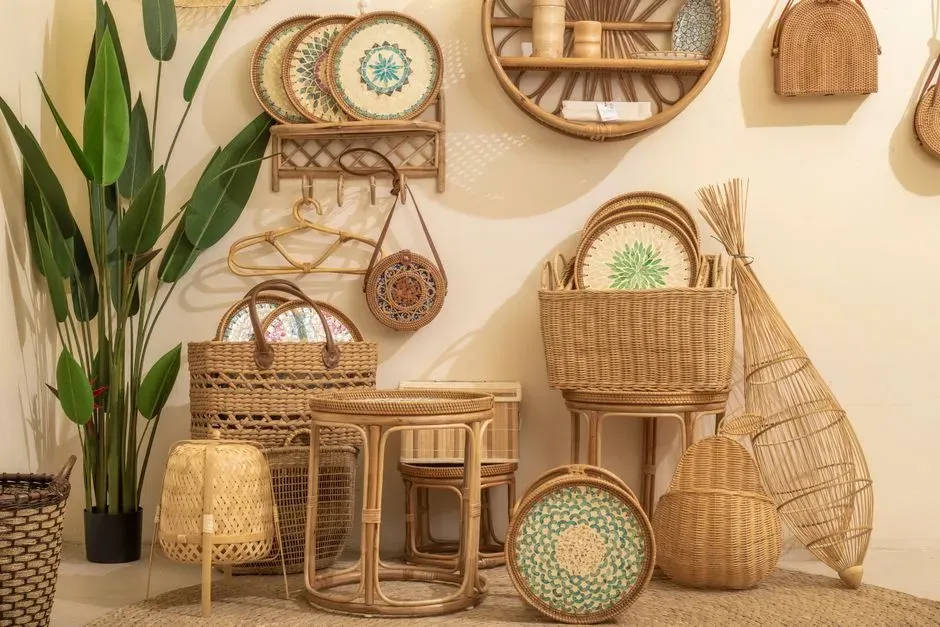
Seasonal decorating has historically leaned on disposable items, from plastic pumpkins to single use string lights, but that approach carries a real environmental cost. Choosing durable, reusable decor items, even if the upfront cost is slightly higher, reduces waste significantly over several years of use. Natural materials like wood, cotton, and dried botanicals also tend to age more gracefully than plastic alternatives, which often look worn or dated after just one season.
Secondhand shops and local markets are increasingly good sources for seasonal decor that doesn’t rely on new production. Many households have also started swapping decorations with neighbors or friends between seasons, effectively sharing a larger collection without anyone needing to buy everything themselves. This shift toward reuse and sharing reflects a broader move in home design away from disposability and toward pieces meant to last.