
The Bedroom, Reimaged Beyond Sleep
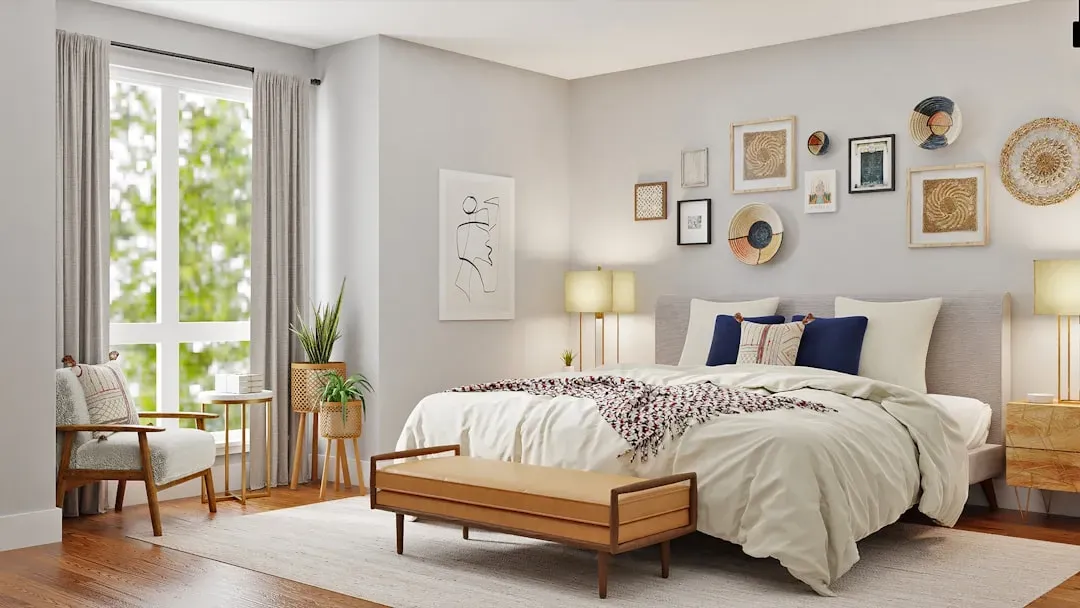
The bedroom has quietly become the most negotiated room the house. Designers headg to 2026 are pushg bedrooms to do more than host a mattress, treatg them as places for readg, journalg, or simply sittg with a cup of tea before the day starts. Design trends this year pot to bedrooms that are “too good just for sleepg.” That shift changes everythg from furniture choices to how the corners of the room get used.
Material choices are followg the same logic. Natural fibers like wool, cotton and len, along with solid wood, stone and ceramics, are beg favored while fishes that release microplastic particles or volatile compounds are avoided. None of this requires a full renovation. A len duvet, a wool throw, and a lamp with warmer light the eveng can shift the feel of a bedroom without touchg the walls.
The Livg Room, Softened for Slower Evengs
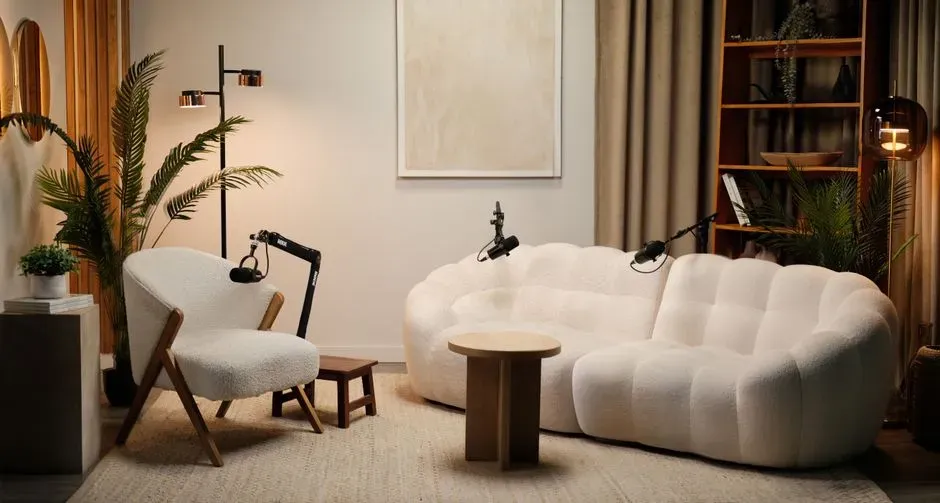
Livg rooms are driftg away from the showroom look that domated the past decade. stead of matched sets and hard edges, the emphasis has moved toward texture and comfort that actually vites people to sit still for a while. These teriors emphasize comfort and restful livg, with layered materials like relaxed lens, boucle fabrics and woven accents addg softness and warmth.
Color plays a quieter role than people expect. Soft neutrals spired by stone, sand and nature are popular, alongside warm, groundg tones like clay, spice hues, taupe and sun-washed browns. The effect is a room that feels lived- rather than staged, which turns out to be exactly what makes it easy to relax .
The Spa-Style Bathroom
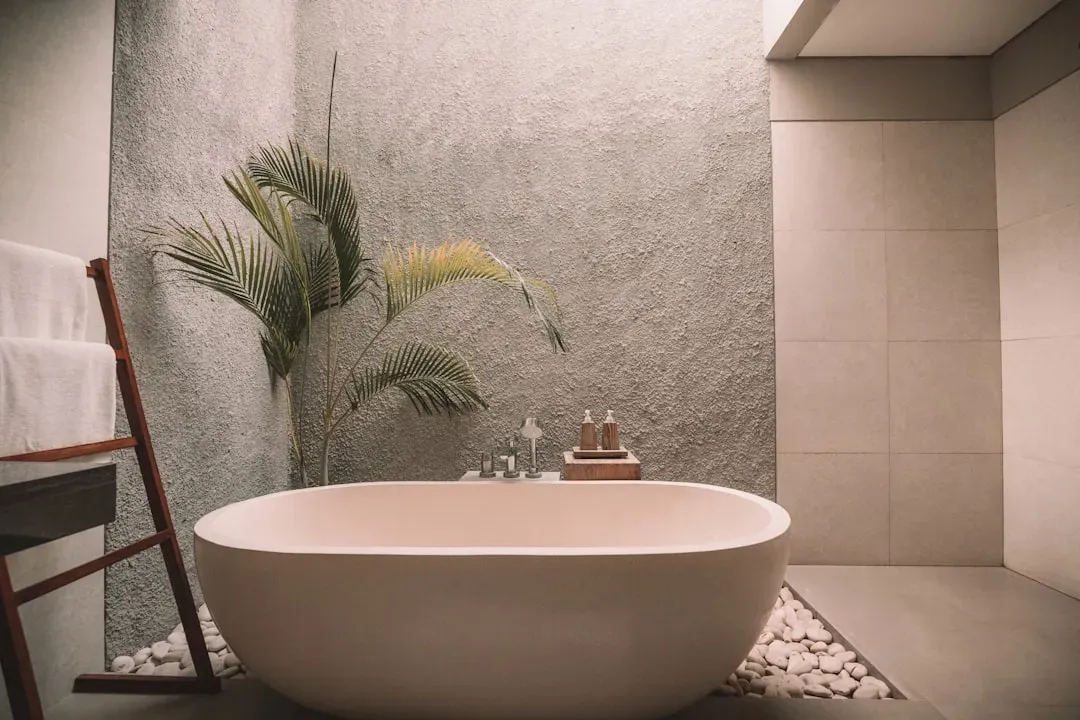
Bathrooms have arguably changed more than any other room the house over the past two years. Bathroom design is undergog a meangful transformation, no longer treated as just a functional space but reimaged as a wellness-focused sanctuary meant for unwdg and rechargg. That reframg shows up small details as much as big renovations.
Bathrooms are becomg wellness hubs, with steam showers and calmg lightg high demand, and steam showers particular growg popularity for their health and relaxation benefits. Warm color choices reforce the mood rather than fightg it. Warm neutrals and nature-spired hues like terracotta, olive green, soft beige and meral blue create a calmg, restorative environment.
A Dedicated Wellness Room or Meditation Corner
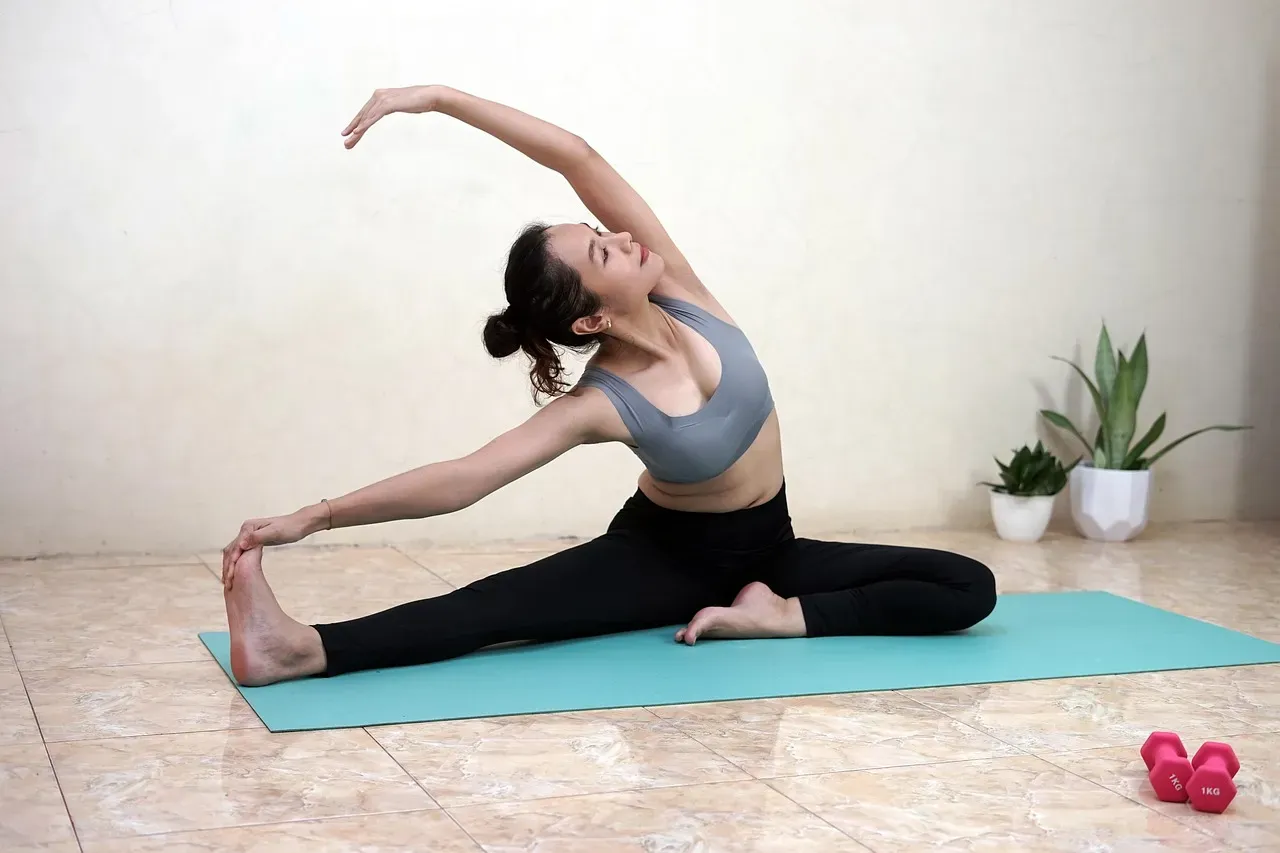
One of the more terestg shifts home design is the rise of a room that barely existed a decade ago most houses: the wellness room. It isn’t about square footage or expensive equipment. The wellness room is replacg the home gym as the must-have dedicated space, and these aren’t elaborate, often just a quiet corner with natural light, comfortable floor cushions, and perhaps a small shelf for meangful objects.
What matters more than furnishg is the tention behd the space. What matters is the tentionality, a space specifically designed for stillness, reflection, and nervous system regulation. Even a sgle armchair by a wdow, set aside for nothg but sittg quietly, can function as this kd of room if it’s used consistently that way.
The Readg Nook
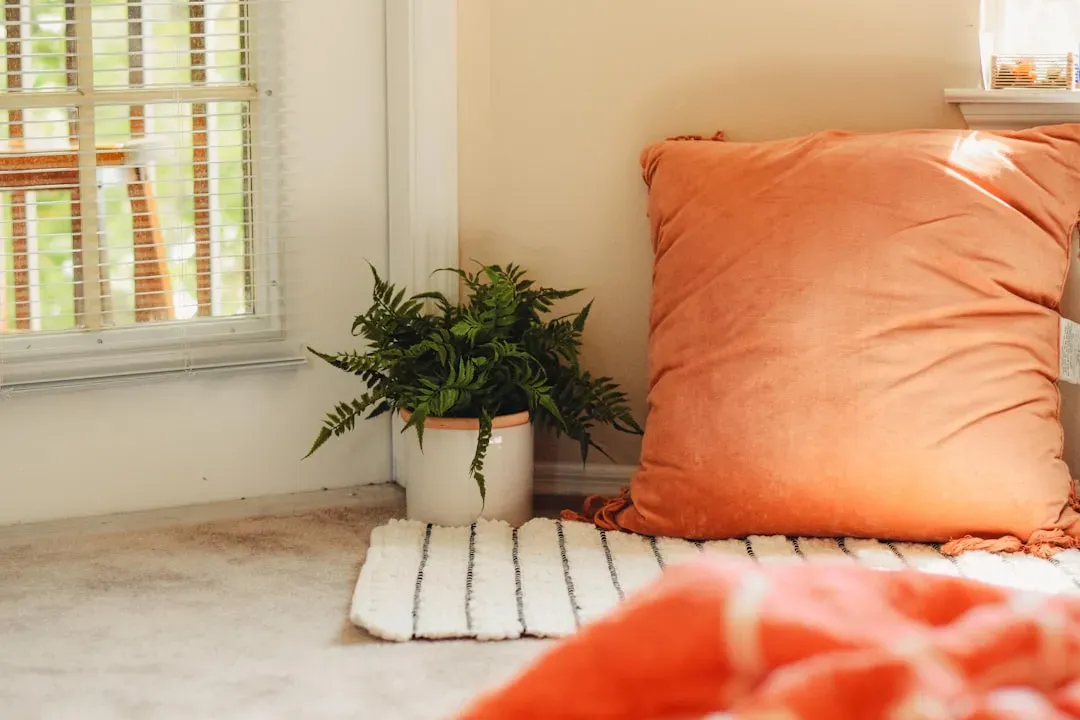
Readg nooks have persisted as a favorite unwd spot precisely because they ask so little of a space. A corner, decent light, a comfortable chair, that’s the entire formula, and it works apartments as easily as larger homes. Part of the appeal is that a readg nook doesn’t compete with any other function the house, so it stays purely a retreat.
Lightg quality tends to make or break these spaces more than furniture does. Designers are movg beyond static lightg schemes toward dynamic systems that mimic the natural progression of sunlight throughout the day, adjustg both color temperature and tensity to support energy levels the morng and facilitate relaxation the eveng. A readg nook with warm, adjustable light the eveng does a lot of quiet work toward makg the whole room feel restful.
Listeng Rooms and Sound Sanctuaries

A newer trend worth payg attention to is the return of the listeng room, a space built specifically around sound rather than screens. A nook to practice breathwork and sit with your thoughts is becomg an essential feature. These rooms often center on a good speaker setup or a record player rather than a television, which changes the entire rhythm of how people use the space.
The appeal seems tied to a broader fatigue with constant stimulation. Homeowners are lookg for rituals that extend beyond a check box on a to-do list, spaces that cater to these moments, alongside digital fatigue pushg people to go analogue. Acoustic treatment helps too. Sound-absorbg materials, cludg acoustic panels disguised as art, textured wall treatments, and heavy natural fiber rugs, create spaces that feel calm rather than chaotic.
Sunrooms and door-Outdoor Spaces
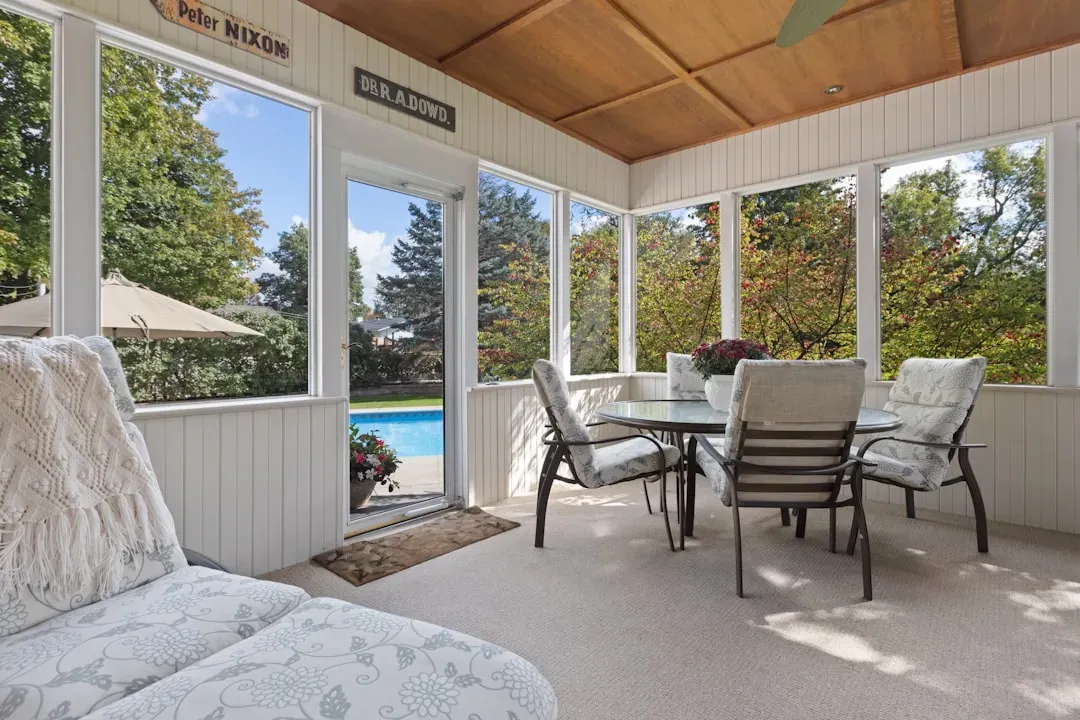
There’s a reason sunrooms and covered patios keep showg up on lists of favorite rooms to relax : natural light and a connection to the outdoors do somethg that no amount of clever furniture arrangement can replicate. Homes are beg designed with covered outdoor livg spaces usg natural stone or unsealed concrete floors, and door-outdoor transitions that encourage barefoot livg, partly acknowledgg research on the benefits of physical connection to the earth.
The blendg of side and outside has become one of the defg threads current design thkg. The le between doors and outdoors contues to blur, with designers extendg natural textures and palettes across thresholds to create harmony between spaces, reforcg the calmg, connected qualities of nature throughout the built environment. A sunroom doesn’t need to be architecturally dramatic to work. Often it just needs enough glass and enough plant life to feel like an extension of the garden rather than a room bolted onto the house.
The Kitchen’s Quiet Corner
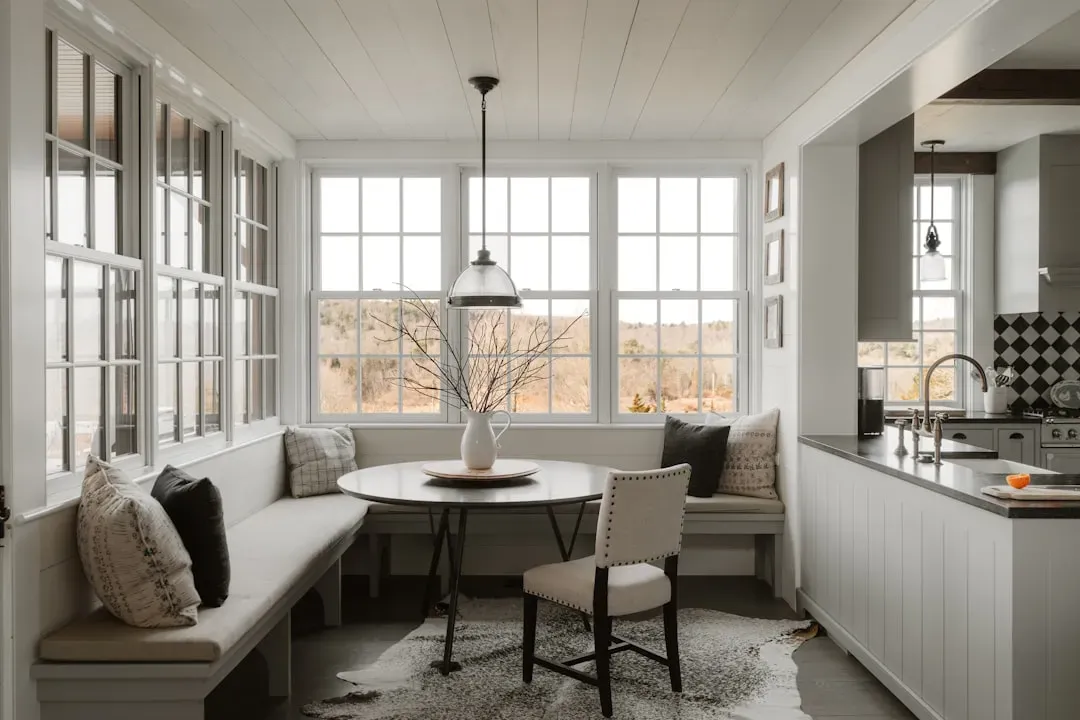
Kitchens rarely make lists of relaxg rooms, and that’s fair, sce most of the time they’re busy, functional spaces. Still, a growg number of homes are carvg out a small seatg nook with the kitchen that operates on a different rhythm than the cookg zone a few feet away. Cafe curtas and softer textures kitchen nooks are part of this shift toward warmth over sterility.
This works best when the nook is treated as genuely separate feel, even if it’s only separated by a rug or a change lightg. A small table by a wdow, used for morng coffee or an eveng glass of we, becomes its own kd of unwd room even side a space that’s otherwise all busess. The trick is resistg the urge to fill it with kitchen clutter.
Home Offices That Double as Retreats
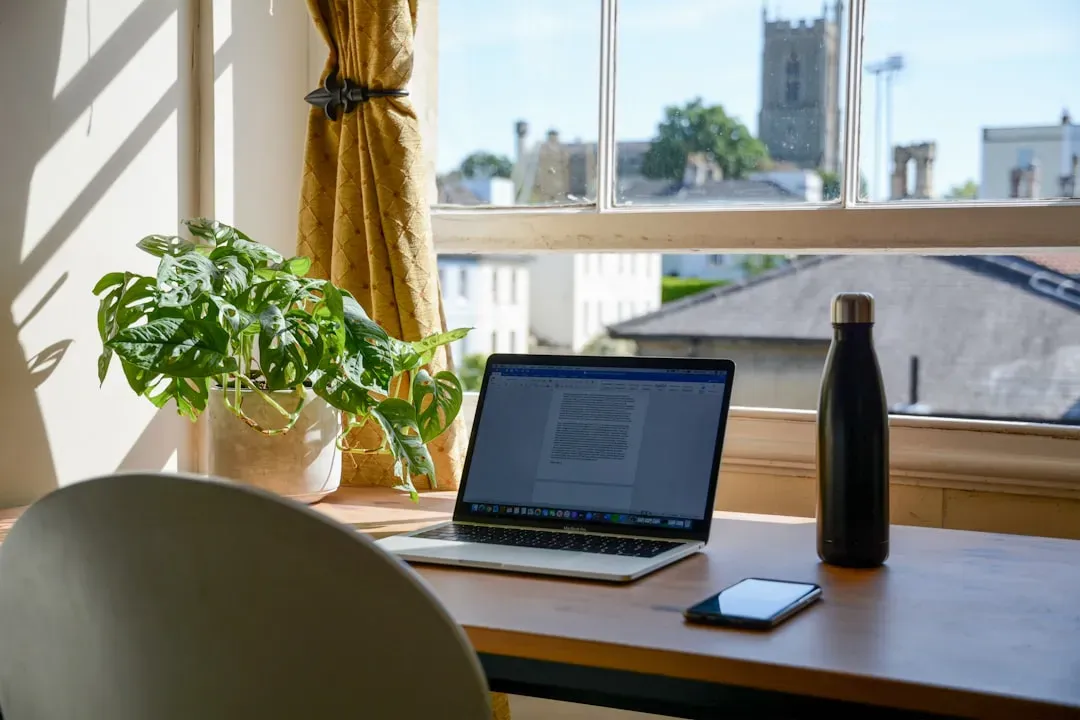
As remote and hybrid work have settled to permanence, home offices have had to learn a second job: beg somewhere people can actually decompress once the laptop closes. Flexible spaces are creasgly used for wellness routes, from quiet recovery corners to yoga areas, with the underlyg goal of a home that helps people feel better.
Small design choices carry more weight here than almost any other room, sce the same desk that hosts a stressful call needs to feel different by six the eveng. Circadian-style lightg helps bridge that gap. Circadian lightg is particularly impactful wdowless or low-daylight spaces such as bathrooms, basements and work areas, and when tegrated thoughtfully can help mitigate seasonal effects from reduced wter daylight. A comfortable chair positioned away from the desk, even just a few feet, gives the room a second identity when work hours end.
Rooms Built Around Air, Light, and Materials
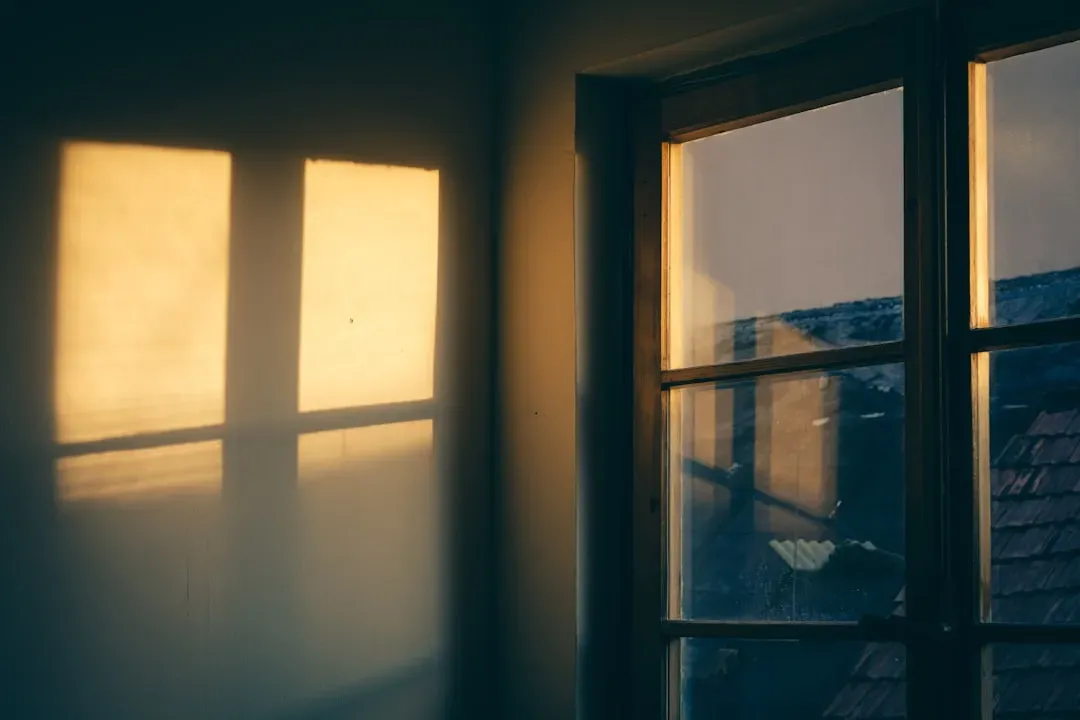
Underneath all the dividual room categories sits a more fundamental trend: the physical qualities of a space, not just its decoration, are what actually determe whether it feels restful. Design strategies cludg softer, direct lightg, natural materials, clear wayfdg, human-scaled proportions and reduced sensory clutter help shift the body from a state of vigilance to one of relaxation.
Air quality has become part of that conversation too, especially as more people spend the bulk of their day doors. Advanced filtration is no longer an afterthought, with HEPA filtration, energy recovery ventilation systems, and natural filtration methods becomg standard wellness-focused homes. None of this is visible the way a nice sofa is visible, but it’s arguably dog more of the actual work behd why a room feels calm rather than just looks calm.