
The landscape of love changes dramatically after fifty. Where once couples focused on career building and child-rearing, they now face entirely different challenges together. These conversations aren’t just nice-to-have discussions over dinner. They’re the foundation stones that determine whether a relationship will thrive or merely survive in the decades ahead.
Recent research from the 2025 Global Retirement Pulse Survey reveals a startling reality. Fewer than three in five couples report discussing retirement planning with their partners and being on the same page. Yet those who do engage in these crucial conversations demonstrate something remarkable. They’re significantly more likely to plan for key risks and expenses in retirement, whether healthcare, taxes, daily expenses, or inflation. So let’s dive into these life-changing conversations.
The Retirement Reality Check

Honestly, most couples think they know what their partner wants in retirement, but assumptions can be relationship killers. It’s easy for couples to assume they’re on the same page financially, but differences in retirement expectations often lead to costly mistakes. One spouse may envision early retirement filled with travel, while the other plans to keep working for several more years.
The numbers tell a sobering story. According to recent surveys, fewer than half of participants are very or extremely confident in their ability to retire at the age they want. Meanwhile, more than half of adults 50-plus who are not yet retired expect either to work for pay in retirement or never retire.
This conversation needs specific timelines, dollar amounts, and realistic expectations about health and energy levels. Don’t just dream together. Plan together.
Financial Transparency and Spending Philosophy

Money conversations get complicated after fifty because the stakes are higher and time is shorter. One of the most common financial pitfalls for couples in their 50s is lifestyle inflation. After decades of working hard, it’s tempting to reward yourself with luxury vacations, dream homes, or new vehicles. However, these big-ticket purchases can drain savings meant for long-term security. The danger lies in not realizing how much those recurring costs add up over time.
Research from the Health and Retirement Study shows something fascinating about spending patterns. Retirees spend a much higher percentage of their lifetime income (about 80%) and spend about half the amount that they could safely spend from other sources. This suggests couples need brutally honest conversations about what constitutes “income” versus “savings.”
Share every account, every debt, every financial fear. Create spending guidelines that both partners can live with for the next thirty years.
Healthcare and Long-Term Care Planning

Here’s a conversation that makes most couples squirm, yet it’s perhaps the most critical. The average person may need some form of long-term care, and 7 out of 10 people will need long-term care in their lifetime. The annual national median cost of hiring a home health aide was $77,792 in 2024.
The University of Michigan National Poll on Healthy Aging found something troubling. Fewer than half of people age 50 and older believed it was likely they would need long-term care in the future, while 57% thought it was unlikely. This denial can devastate families financially.
Discuss who will be the caregiver, what level of professional care you’re comfortable with, and how you’ll pay for it. Only 17% of respondents said they had started planning by having conversations, researching options, or purchasing long-term care insurance.
Living Arrangements and Aging in Place

Where will you live when mobility becomes an issue? This conversation goes beyond choosing a retirement destination. It’s about creating a realistic plan for aging bodies and changing needs.
Consider the practicalities: stairs, bathroom accessibility, proximity to healthcare, and community resources. Many couples discover they have vastly different visions of their golden years living situation.
Think through scenarios: what if one partner needs significantly more care than the other? Research shows married couples are less likely to enter long-term care facilities, but that protection depends on both partners remaining relatively healthy.
Legacy and Estate Planning Conversations

Estate planning isn’t just about money. It’s about values, memories, and the story you want to leave behind. These conversations become urgent after fifty because time horizons are shorter and family dynamics often more complex.
Discuss not just who gets what, but why. Talk about charitable giving, family heirlooms with emotional value, and the kind of legacy you want to create together. Consider the tax implications of your decisions.
Update beneficiaries, create or revise wills, and discuss end-of-life medical decisions. These aren’t one-time conversations but ongoing discussions that evolve with your circumstances.
Intimacy and Physical Connection

Physical intimacy doesn’t end at fifty, but it certainly changes. Bodies age, hormones shift, and medications can affect desire and performance. The conversation about maintaining physical and emotional connection becomes crucial.
Research on relationship satisfaction shows that many people report being satisfied with their intimate lives. However, people are not always keen on talking about affection, even though there are untold benefits to revealing your authentic self to your partner. Often couples steer clear of these conversations because they’re afraid of the reaction they’ll get from their partner, or that their authentic answer will ignite conflict.
Discuss expectations, concerns, and desires openly. Consider how health issues might affect intimacy and plan accordingly.
Social Connections and Friendship Maintenance

After fifty, social circles often shrink naturally. Friends move, health issues arise, and career-based relationships fade. This conversation is about intentionally maintaining and building relationships that will sustain you through retirement.
Discuss which friendships matter most to both of you. Plan how you’ll maintain long-distance relationships and create new connections in your community. Consider the social aspects of where you’ll live and how you’ll stay engaged.
Research consistently shows that strong social connections are among the most important factors for healthy aging and relationship satisfaction.
Career Transitions and Retirement Timing

When will each partner retire? This question has become increasingly complex as more people work past traditional retirement age. Most mass affluent individuals worldwide say they would consider working in retirement. Among those open to working in retirement, 50% say they’d consider working for themselves, 33% are interested in teaching or mentoring, and 27% are considering managing property.
Consider the emotional aspects of leaving careers that have defined you for decades. Discuss how you’ll structure your days, maintain purpose, and support each other through this major life transition.
Financial considerations matter, but so do issues of identity, social connection, and mental stimulation.
Family Relationships and Grandparenting Roles
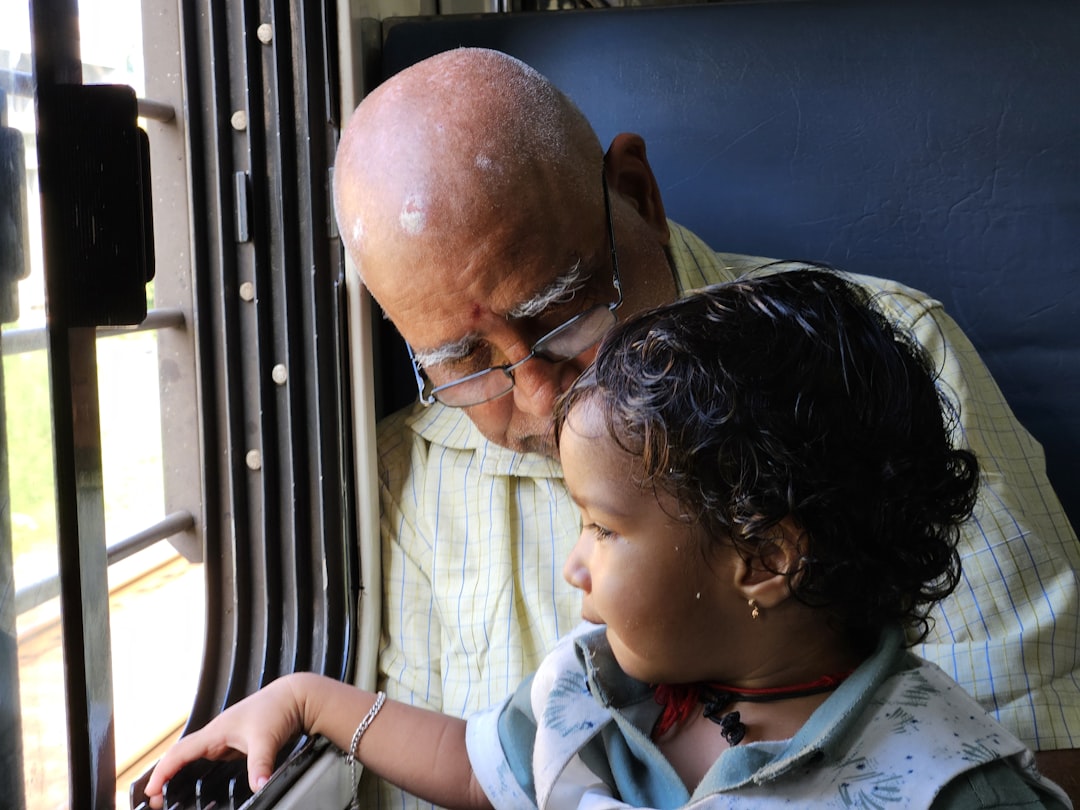
Your relationship with adult children evolves dramatically after fifty. Grandchildren often enter the picture, changing family dynamics and expectations. More than any other generation, it’s now millennials who anticipate needing to provide financial support to both adult children and parents. Across markets and generations, 39% anticipate needing to support their adult children financially. The share is highest in Mexico, where 57% report this expectation, compared to 46% in Brazil, 29% in the U.S., and 24% in Japan.
Discuss boundaries around financial support, time commitments, and involvement in family decisions. How much help will you provide with grandchildren? What are your expectations for holidays and family gatherings?
These conversations prevent resentment and ensure both partners feel heard and respected in family decisions.
Health Management and Medical Decision-Making

After fifty, health management becomes a team sport. Chronic conditions become more common, and medical decisions carry higher stakes. This conversation goes beyond basic health insurance to discuss how you’ll handle serious illness, medical emergencies, and healthcare decisions if one partner becomes incapacitated.
According to various estimates, a 65-year-old individual may need substantial after-tax savings to cover health care expenses in retirement. These costs can quickly overwhelm couples who haven’t planned accordingly.
Create healthcare directives, discuss preferences for end-of-life care, and establish systems for managing medications and medical appointments. Consider how health changes might affect your relationship dynamics.
Technology and Digital Life Management

Technology becomes increasingly important for maintaining independence and connection after fifty, yet many couples haven’t discussed their digital future. How comfortable are you with technology? Who will manage online accounts, digital photos, and electronic communication?
Consider issues of digital privacy, online banking security, and social media use. Discuss how technology can help you maintain social connections and manage health information.
Plan for scenarios where one partner is more tech-savvy than the other, and create systems for sharing important passwords and account information.
Personal Growth and Individual Identity

After decades of partnership, maintaining individual identity becomes both more important and more challenging. This conversation is about supporting each other’s personal growth while nurturing your relationship.
Discuss individual goals, hobbies, and interests that you want to pursue independently. How will you balance couple time with individual pursuits? What personal growth opportunities excite each of you?
Consider how retirement might change your daily routines and the amount of time you spend together. Many couples discover they need to renegotiate their relationship dynamics when they’re suddenly spending significantly more time together.
Adventure and Bucket List Planning

What do you want to experience together while you’re still healthy and mobile? This conversation combines dreams with practical planning, considering both physical and financial limitations.
Create specific plans with timelines and budgets. Research shows that couples who share goals and actively plan together have stronger relationships and higher satisfaction.
Consider accessibility needs, travel insurance, and backup plans for health issues. The key is balancing optimism with realism while ensuring both partners’ dreams are represented.
End-of-Life Wishes and Funeral Planning

Though difficult, this conversation provides peace of mind and prevents family conflicts during emotionally charged times. Discuss preferences for medical intervention, funeral arrangements, and memorial services.
Consider practical details like burial versus cremation, location preferences, and financial planning for funeral expenses. Share your values about what constitutes a meaningful memorial.
These conversations evolve over time and should be revisited as health situations and preferences change. The goal is ensuring your wishes are known and honored.
Conclusion

The conversations that matter most after fifty aren’t always the easiest ones to have. Yet couples who engage in these discussions regularly report stronger relationships, less anxiety about the future, and greater satisfaction with their life together. The research consistently shows that communication is the foundation of successful long-term relationships.
Remember, these aren’t one-time conversations but ongoing dialogues that deepen and evolve as you grow together. The couples who thrive after fifty are those who choose vulnerability over comfort, planning over hoping, and honest communication over silent assumptions.
Which of these conversations will you start tonight? The future you both deserve depends on the courage to begin today.