
Luxury doesn’t always come with a designer price tag. Sometimes it’s a matter of swapping out a dated fixture, layering in better lighting, or paying attention to small details that most people overlook. The upgrades below are approachable, affordable in most cases, and can make an ordinary room feel like something out of a boutique hotel.
What follows is a mix of quick fixes and slightly bigger projects, all chosen because they punch above their weight. None require a full renovation budget, but each one shifts the way a space feels the moment you walk in.
Upgrade your lighting layers
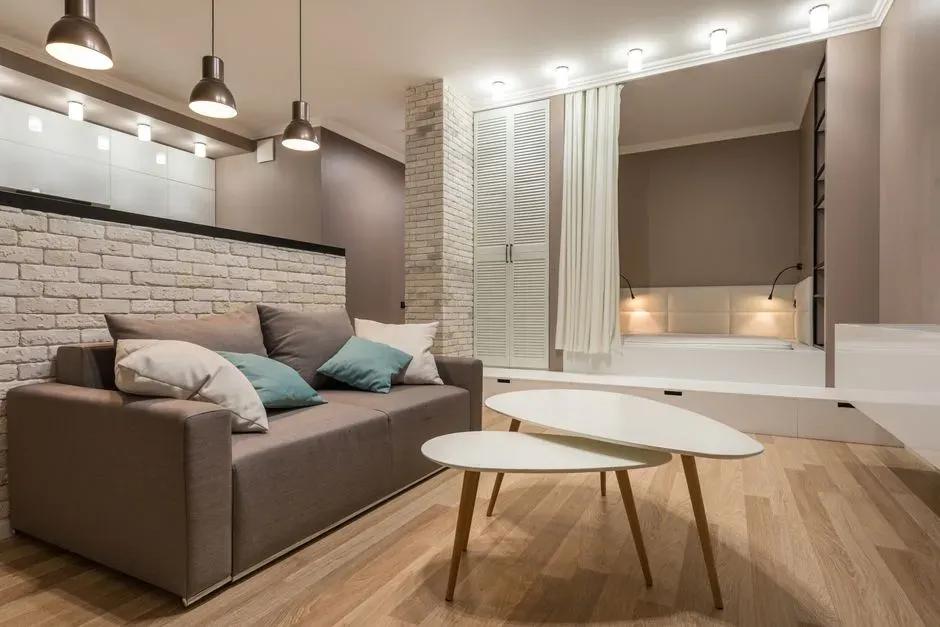
Most homes rely on a single overhead light, which tends to flatten a room and make it feel more like an office than a living space. Adding table lamps, sconces, or dimmable fixtures creates depth and warmth that overhead lighting alone can’t achieve. Layered lighting is one of the most repeated recommendations from interior designers precisely because it changes the mood of a room without changing its furniture.
Warm bulbs, generally in the 2700K to 3000K range, tend to read as cozier and more upscale than the cooler, bluish tones common in older fixtures. Dimmer switches are a low-cost addition that let a room shift from bright and functional to soft and relaxed in seconds. Even a single well-placed floor lamp can do more for ambiance than an expensive light fixture centered on the ceiling.
Swap hardware on cabinets and doors
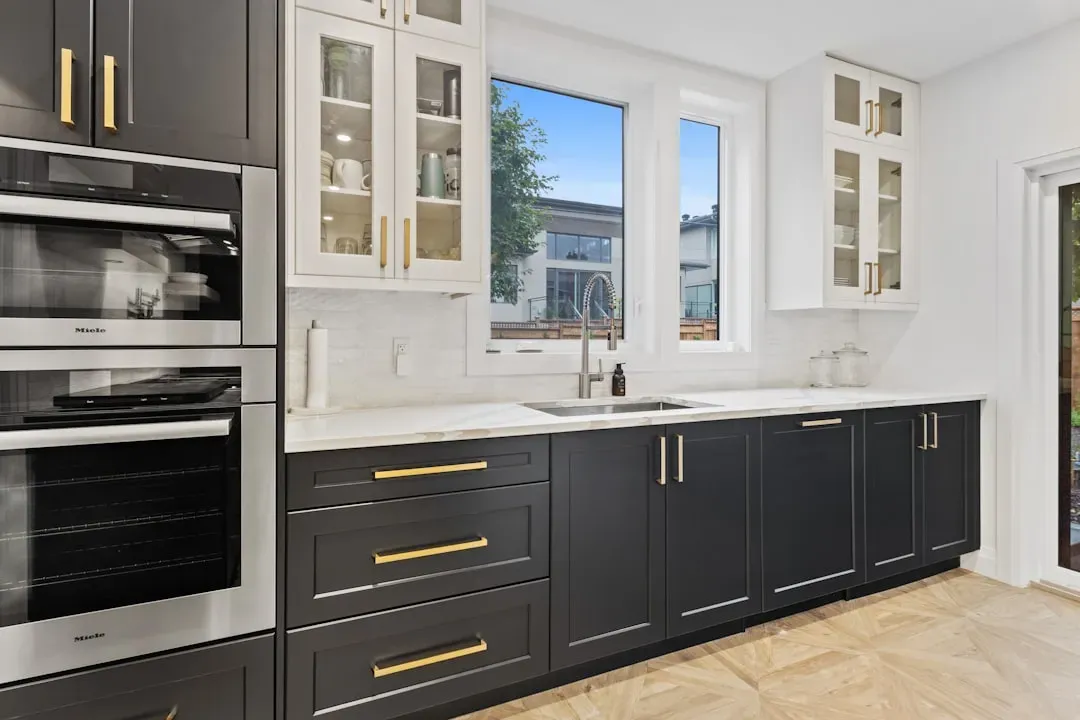
Cabinet knobs, drawer pulls, and door handles are small, but they’re also some of the most touched surfaces in a home. Builder-grade hardware tends to be thin, plastic-feeling, or inconsistently finished, and replacing it is one of the cheapest ways to elevate a kitchen or bathroom. Brushed brass, matte black, and aged bronze finishes are widely used in higher-end renovations because they photograph well and hold up over time.
This is a project that typically takes an afternoon and a screwdriver, not a contractor. Matching hardware finishes throughout a room, rather than mixing chrome with brass, creates a sense of intentional design rather than a patchwork of whatever was on sale. Even keeping the same cabinets but changing just the hardware can noticeably shift how finished a kitchen feels.
Invest in quality bedding and towels
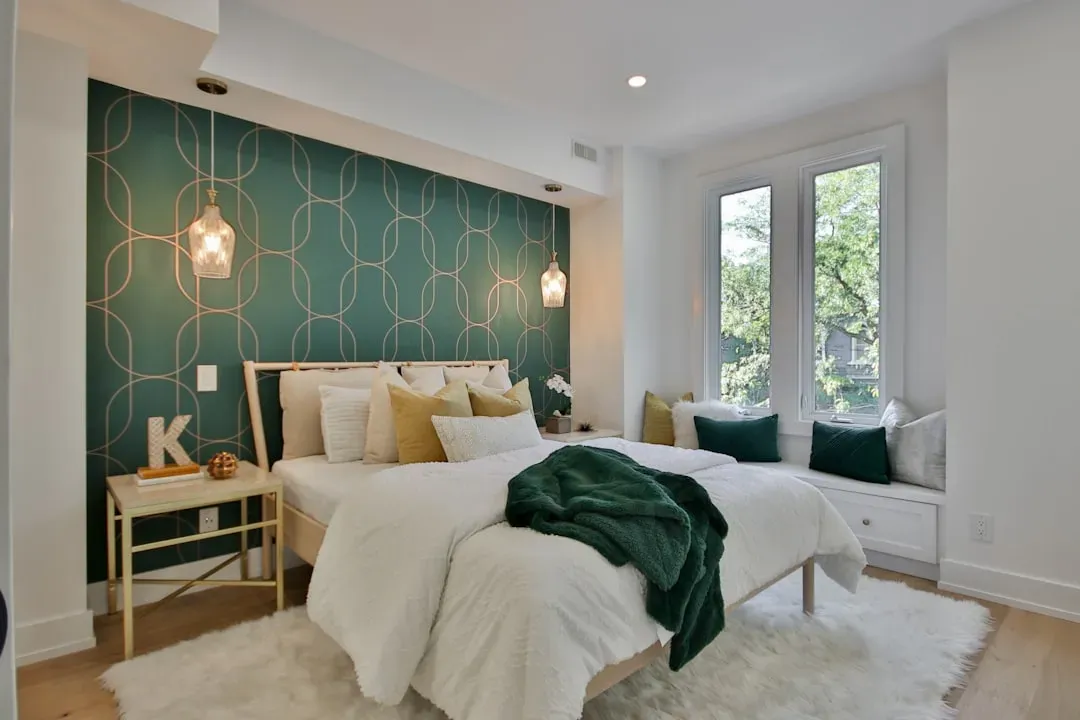
Hotels spend heavily on linens because guests notice texture almost immediately, whether they consciously register it or not. Higher thread count sheets, particularly those made from long-staple cotton or linen, tend to feel cooler and softer against skin compared to budget synthetic blends. The same logic applies to towels: thicker, more absorbent options in neutral tones instantly make a bathroom feel more like a spa.
This upgrade doesn’t require replacing everything at once. Starting with a single set of good sheets or a stack of matching towels in white or a soft neutral can already shift the feel of a bedroom or bathroom. Consistency in color also plays a role, since matching linens read as more curated than a mismatched collection built up over years.
Add fresh greenery or florals
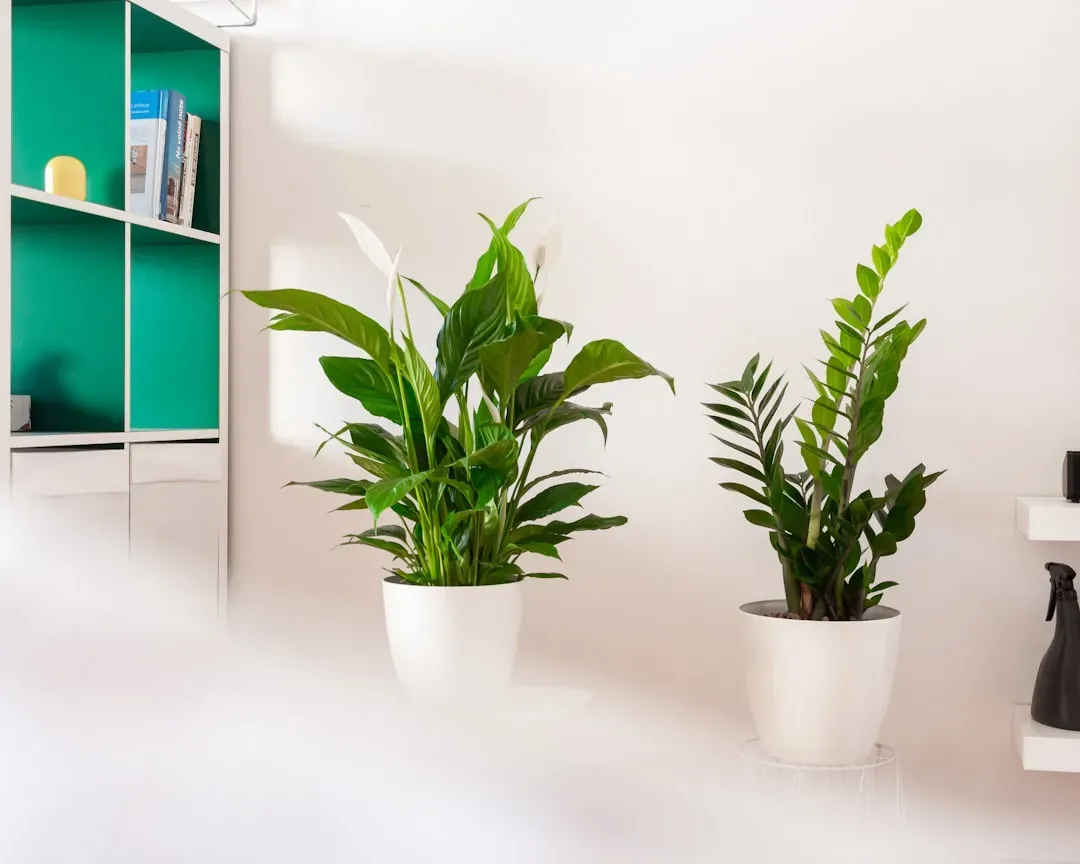
Live plants bring texture, color, and a sense of life to a room in a way that artificial decor rarely matches. Even low-maintenance options like snake plants, pothos, or ZZ plants can survive in lower light conditions while still contributing visual interest. Fresh cut flowers, even a modest bouquet from a grocery store, tend to make a space feel cared for and current.
Plants also serve a practical purpose beyond decoration, since research from institutions like NASA’s Clean Air Study has explored how certain houseplants can help filter some indoor air pollutants, though the effect in typical home settings is modest compared to lab conditions. Placing a plant near a window, in a simple ceramic pot rather than its plastic nursery container, is often enough to elevate the overall look. This is one of the lowest-cost upgrades on this list, since a single plant can cost less than a fast food meal.
Upgrade your shower head and bathroom fixtures
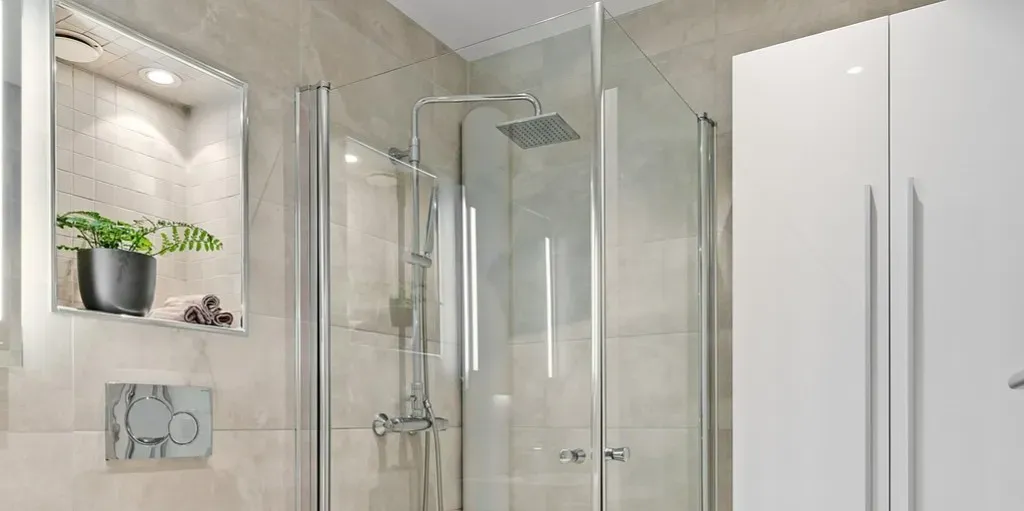
A high-pressure or rainfall-style shower head can transform a basic bathroom into something that feels closer to a spa experience. Many newer models are designed to meet water efficiency standards while still delivering strong pressure, which means comfort doesn’t have to come at the cost of higher water bills. Faucet finishes matter too, since matte black or brushed nickel fixtures tend to look more current than the polished chrome common in older homes.
Installation for most shower heads and faucets is straightforward enough for a confident do-it-yourselfer, often taking less than an hour with basic tools. Pairing a new shower head with a few small additions, like a wooden bath mat or a simple soap dispenser, reinforces the upgraded feel without a major investment. It’s a bathroom project that tends to deliver a noticeably different daily experience for a relatively small cost.
Add texture with rugs and layered fabrics
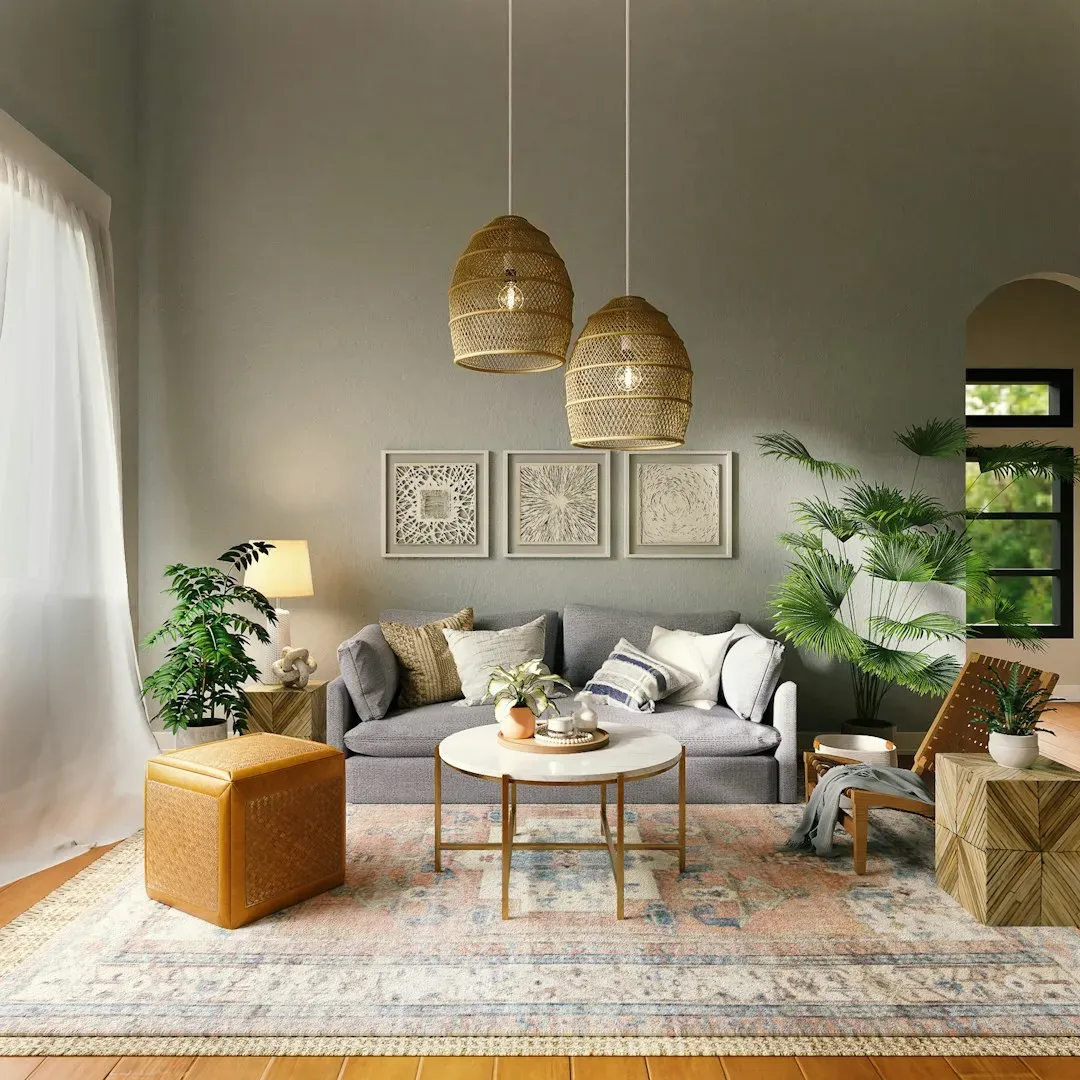
Hard flooring, whether tile, wood, or laminate, can feel cold and unfinished without something to soften it. A well-chosen area rug adds warmth underfoot and helps define separate zones within an open floor plan, which is a technique frequently used by interior designers to make large rooms feel more intentional. Layering in throw pillows or a textured blanket on a sofa adds another dimension without requiring new furniture.
Natural materials like wool, jute, or linen tend to read as more upscale than synthetic alternatives, partly because of how they feel and partly because of how light interacts with their texture. Mixing textures, rather than sticking to a single fabric type throughout a room, creates visual interest that flat, matching sets often lack. This is a flexible upgrade, since rugs and textiles can be swapped seasonally without any permanent commitment.
Declutter and edit what’s on display
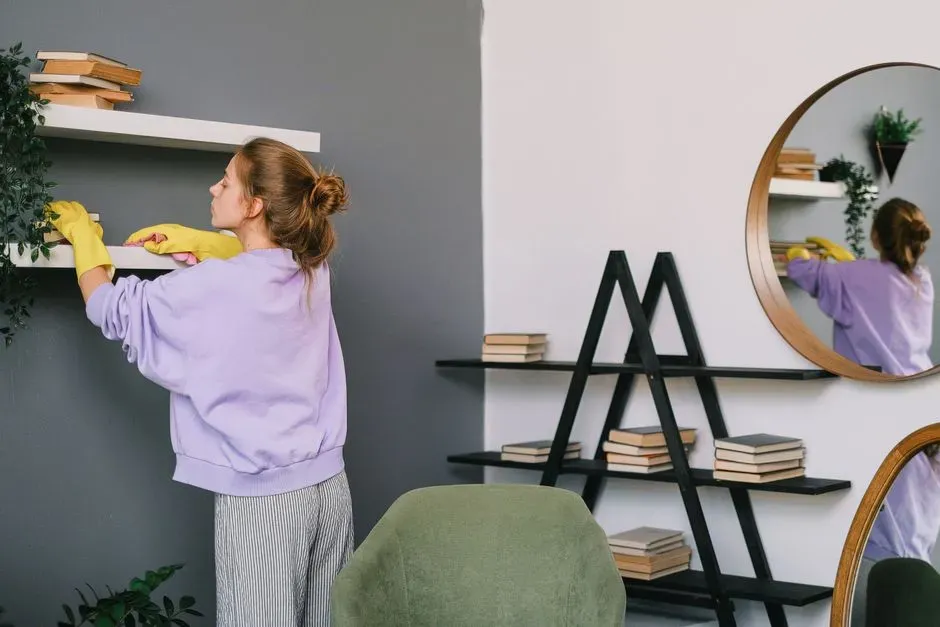
Luxury spaces, whether in magazines or actual high-end homes, almost always share one trait: restraint. Surfaces tend to hold fewer items, and what remains is usually chosen deliberately rather than accumulated by accident. Clearing counters, shelves, and tabletops down to a handful of meaningful objects can make a room feel calmer and more expensive almost immediately.
This doesn’t mean stripping a home of personality, but rather being selective about what stays visible. Storage solutions, even simple baskets or closed cabinets, help absorb the everyday clutter that tends to accumulate in kitchens and living rooms. A decluttered space also makes other upgrades, like new lighting or fresh greenery, stand out more clearly instead of competing with visual noise.
Refresh walls with paint or wallpaper accents
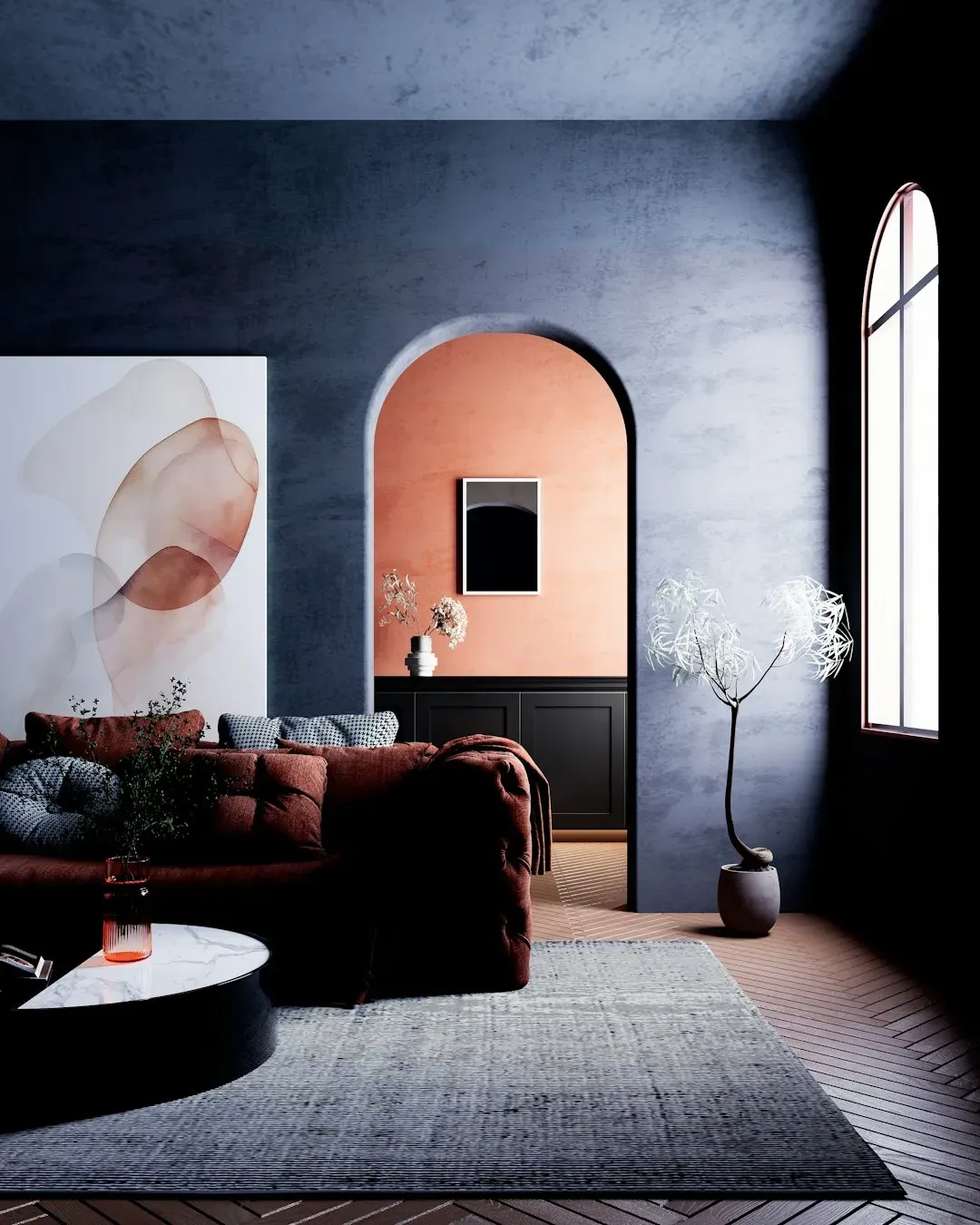
Paint remains one of the most cost-effective ways to change how a room feels, and color choice plays a bigger role than most people expect. Deep, saturated tones like forest green, navy, or terracotta have become increasingly popular in interior design because they read as more sophisticated than stark white walls. A single accent wall, rather than repainting an entire room, is often enough to create a noticeable shift in mood.
Wallpaper has also seen a resurgence, particularly peel-and-stick versions that allow for temporary, renter-friendly application. Textured or patterned wallpaper on just one wall, like behind a bed or in a powder room, can add the kind of visual richness that plain paint alone doesn’t achieve. This upgrade requires more effort than swapping hardware, but the payoff tends to last for years.
Add mirrors to expand light and space
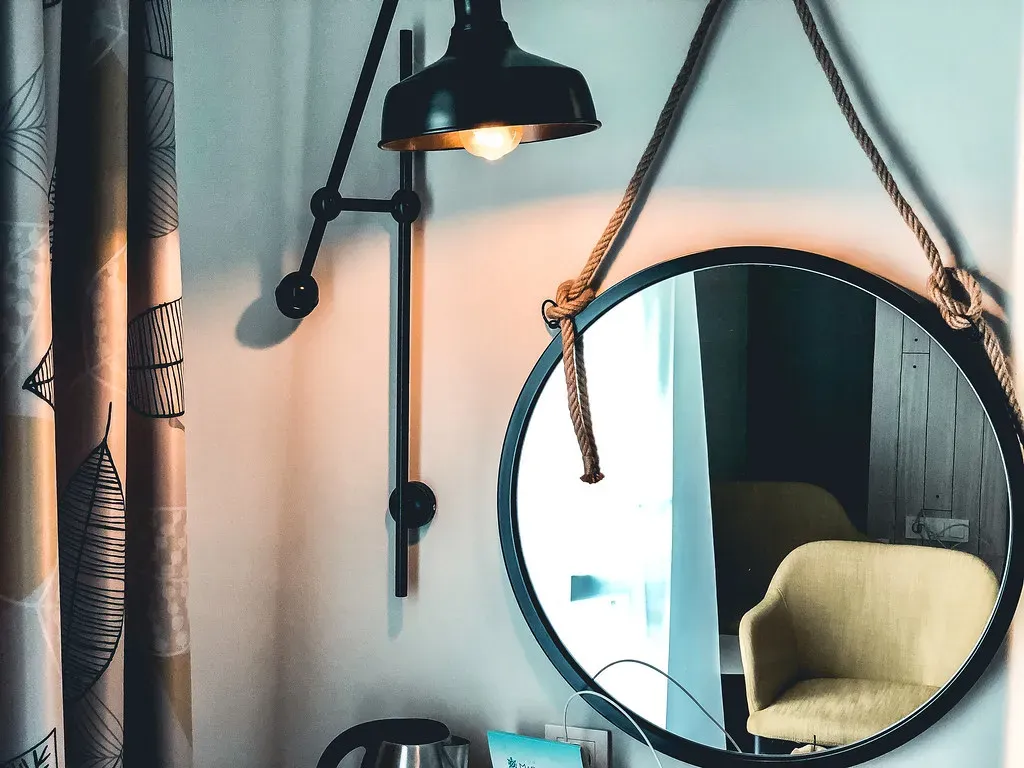
Mirrors do double duty in a home, since they reflect both natural and artificial light while also creating the illusion of a larger room. Placing a mirror across from a window can noticeably brighten a space during the day, particularly in rooms that don’t get much direct sunlight. Oversized or uniquely framed mirrors also function as statement decor pieces, which is why they show up frequently in higher-end interior design.
Beyond function, mirrors add a sense of polish that smaller decorative items often can’t match. A well-placed mirror in an entryway or hallway can make a narrow space feel more open, which is especially useful in older homes with smaller floor plans. This is a one-time purchase that continues to pay off visually every day, unlike decor that needs to be refreshed seasonally.
Upgrade scent with candles or diffusers
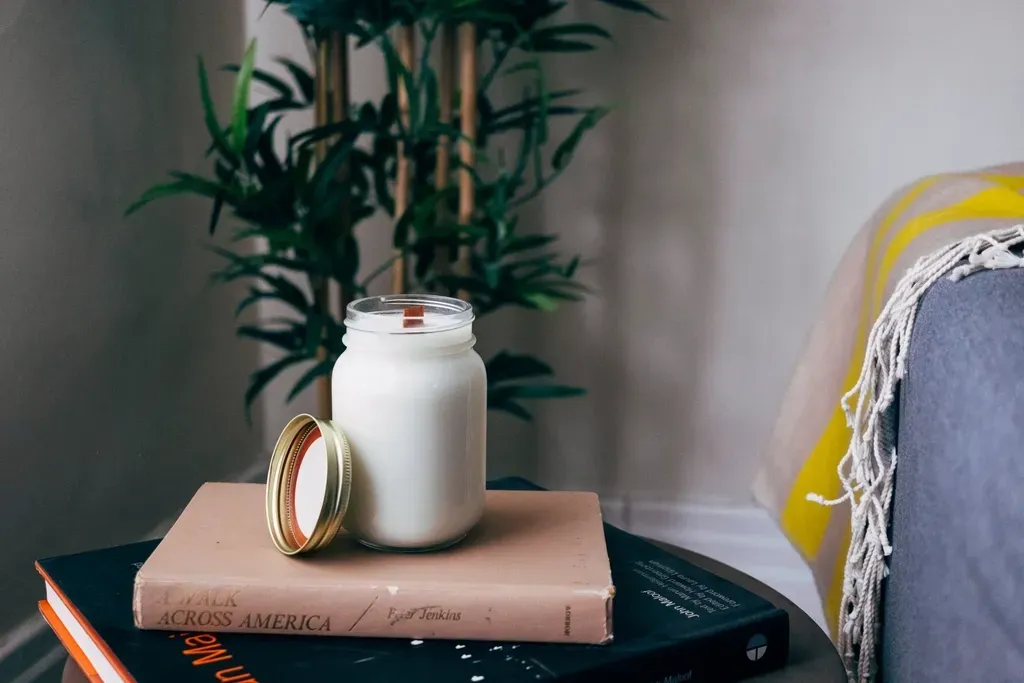
Scent is often the most overlooked element of a -feeling home, yet it’s one of the first things people notice when they walk through a door. Consistent, subtle fragrance, whether from a quality candle, reed diffuser, or essential oil blend, creates an association between a space and a feeling of comfort or sophistication. Many hotel chains actually license signature scents specifically because guests connect fragrance with the overall quality of their stay.
Choosing one or two signature scents for a home, rather than mixing several competing fragrances, tends to feel more intentional and less overwhelming. Unscented or lightly scented candles in simple glass or ceramic vessels also double as decor, blending function with aesthetics. This is a low-cost upgrade that can be rotated seasonally, keeping a home feeling fresh without any structural changes at all.