
Most homeowners assume that adding serious value to a property requires tearing out walls or taking out a large loan. The reality is more encouraging. Some of the highest-returning upgrades on the market right now are relatively modest, targeted, and achievable without months of construction disruption.
What matters isn’t how much you spend, but where you spend it. A handful of well-chosen improvements can signal to buyers that a home is cared for, current, and move-in ready, which is exactly what drives offers up and time-on-market down.
Replace the Garage Door First
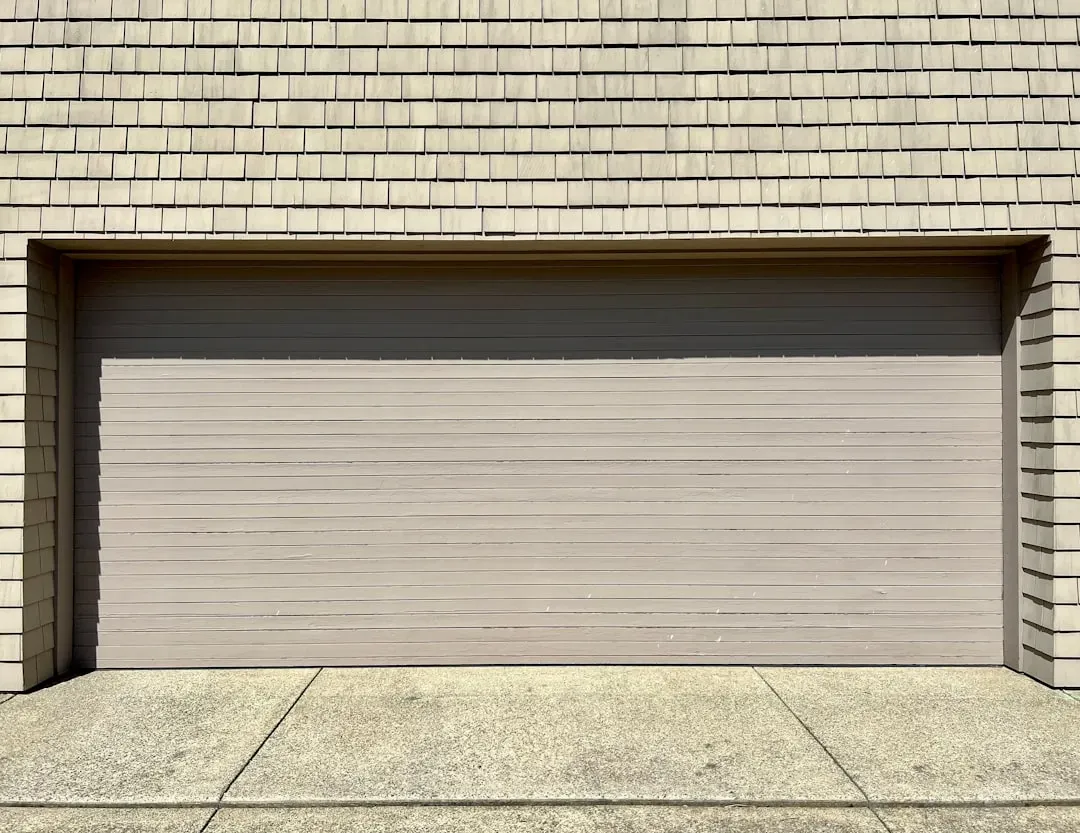
Garage door replacement has seen a remarkable rise in ROI, jumping from 194% to 268% between the 2024 and 2025 Cost vs. Value reports, a gain of more than 74 percentage points in a single year. That kind of return on a single project is rare in any category of home improvement. The average project cost sits around $4,672, and the average resale value added comes in at roughly $12,526.
This is a replacement, not a custom build. It involves a standard steel insulated garage door in an appropriate style for the home’s architecture, and the jump in ROI signals that buyer sensitivity to curb presentation continues to grow. A sleek, insulated garage door can modernize an entire exterior almost overnight, and these upgrades also help seal air leaks and improve energy efficiency, especially for attached garages.
Swap Out the Front Door
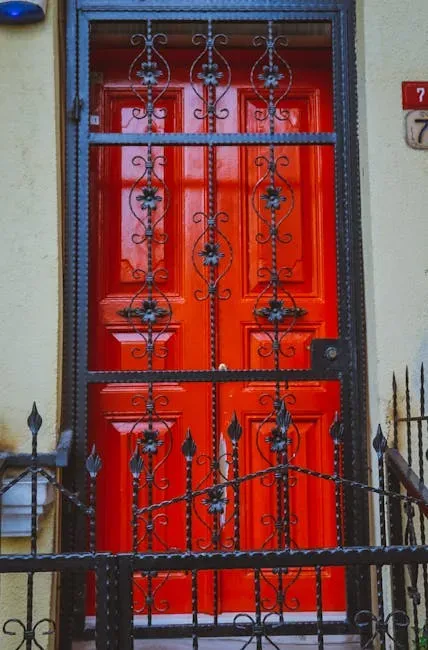
A steel entry door with low-e glass sidelights, a new lockset, and a deadbolt averages around $2,435 and adds approximately $5,270 in resale value, delivering a 216% ROI and ranking as the second-highest-returning project in the 2025 Cost vs. Value Report. It’s also one of the most immediately visible changes a buyer registers. Replacing an existing entry door with a steel one can recover more than twice its cost at resale, and buyers appreciate metal’s energy efficiency, low maintenance, and cold-blocking performance.
Nine of the top ten projects in the 2025 Cost vs. Value Report are exterior improvements, and these updates boost curb appeal and resale value with some projects returning more than double their cost. The front door sits at the center of that logic. Replacing a front door, upgrading exterior light fixtures, or installing modern house numbers can quickly shift the first impression a home makes.
Refresh the Kitchen Without a Full Remodel
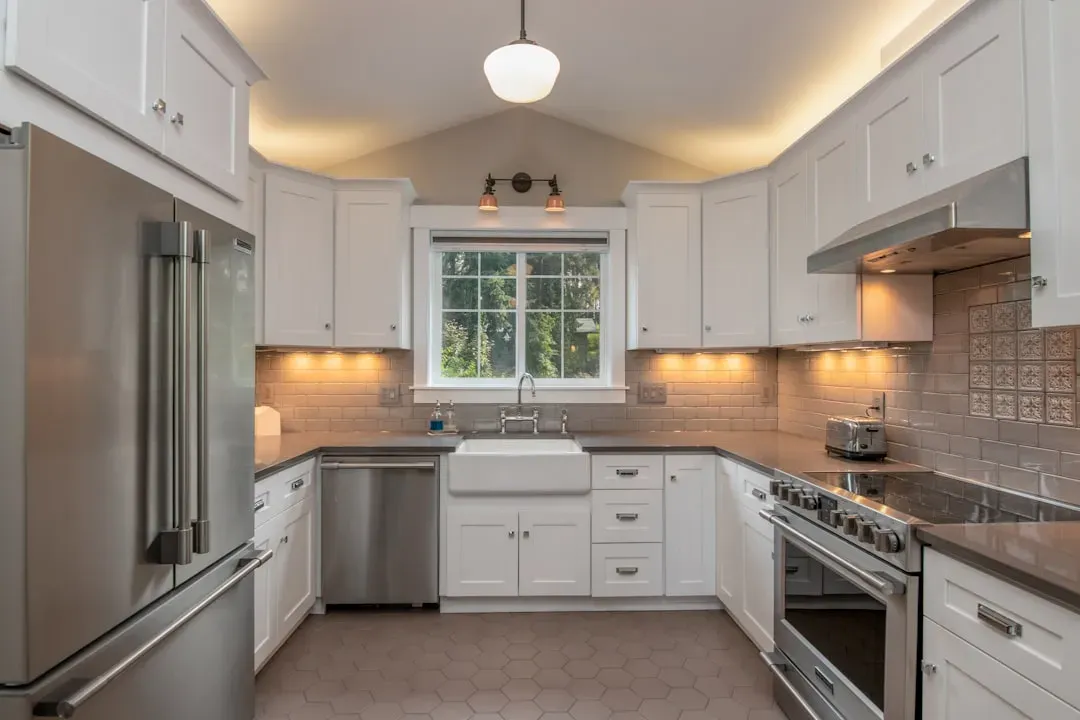
Among interior projects, the minor kitchen remodel stands out, returning a 113% ROI in 2025, up from around 96% in 2024, which positions it as the leading indoor project for value recovery. The key word here is “minor.” This upgrade typically involves refreshing cabinets, replacing countertops, and upgrading appliances without changing the room’s footprint.
A minor remodel of a 200-square-foot kitchen, including replacing cabinet fronts, countertops, and appliances, costs about $28,458 but recoups roughly $32,141 at resale. That compares to recouping only about half of expenses for a major midrange kitchen overhaul. Replacing cabinet fronts, updating hardware, installing modern countertops, or swapping in new fixtures can change the look of a kitchen without altering its layout, and even minor upgrades like a new faucet or updated lighting can make the space feel considerably more current.
Update the Bathroom Without Going Upscale
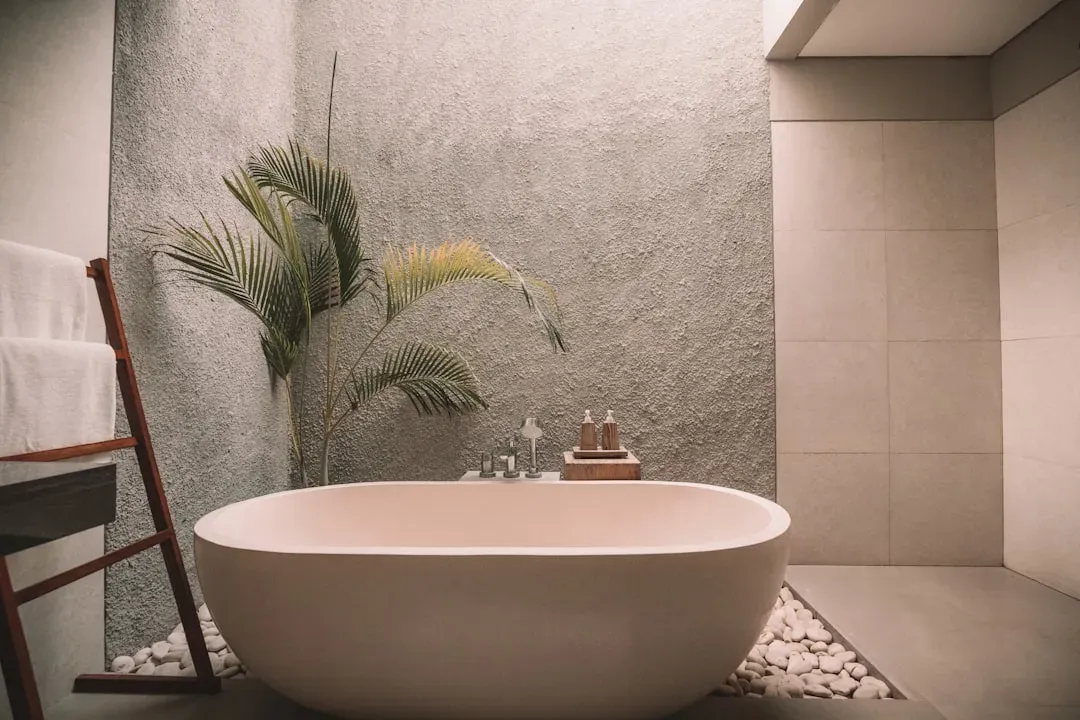
A midrange remodel of a 5-by-7-foot bathroom for around $26,138 recoups roughly 80% of its cost at resale, compared to only about 42% for an upscale bathroom overhaul. That gap tells you something important: restraint pays. Bathroom remodels consistently rank among the top value-adding projects, and a full gut renovation isn’t necessary to see meaningful results.
Modernizing a bathroom with new fixtures, improved lighting, and stylish vanities makes the space more inviting, and buyers tend to prioritize updated bathrooms, making these projects a reliable investment. In 2025, spa-like design is the most popular bathroom trend, according to nearly three quarters of experts surveyed, and thoughtfully designed storage spaces are considered the top priority for home buyers.
Add Manufactured Stone Veneer to the Exterior
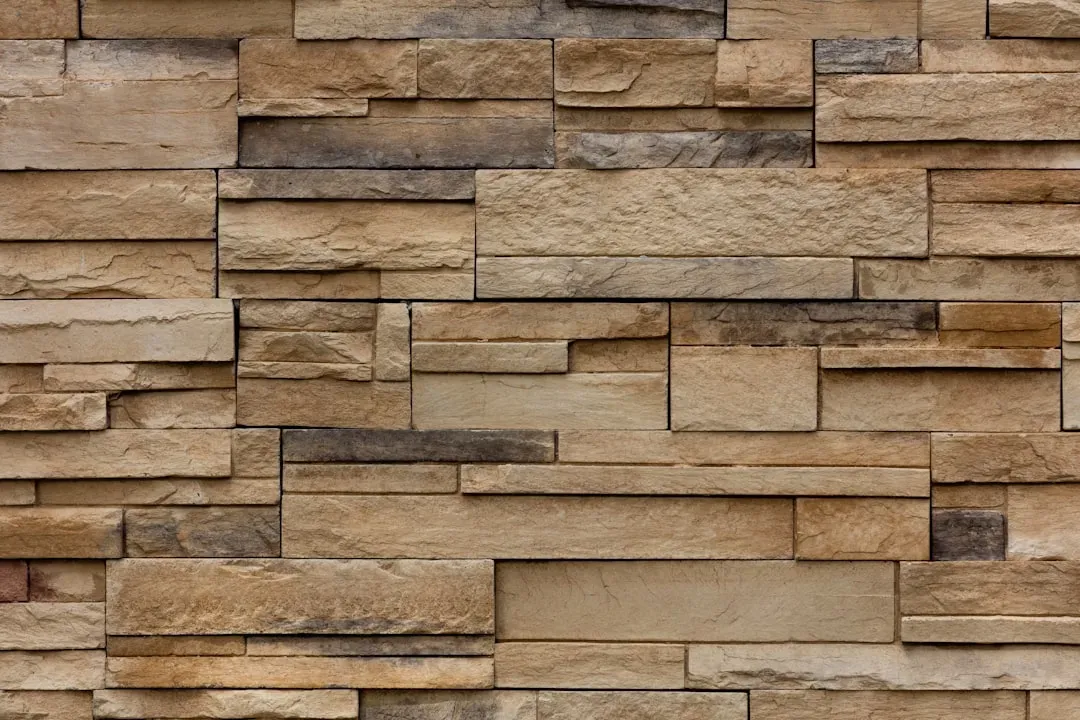
Replacing wood or vinyl siding on the lower third of the front facade with manufactured stone veneer costs roughly $11,000 and adds approximately $22,880 in resale value, with a 208% ROI reflecting the strong visual impact of a material upgrade that reads as premium without requiring full-facade replacement. It’s a targeted change that reads far more expensive than it actually is. Stone veneer delivers impressive returns, with homeowners recouping more than 208% of their investment in 2025.
Adding manufactured stone veneer to an exterior can make a home look more upscale without breaking the budget, and buyers find the attractive, textured appearance reminiscent of luxury homes, which can entice interest at first glance. Stone veneer is also durable and easy to maintain, making it a practical choice for both sellers and future owners.
Replace Old Flooring with Something Buyers Actually Want
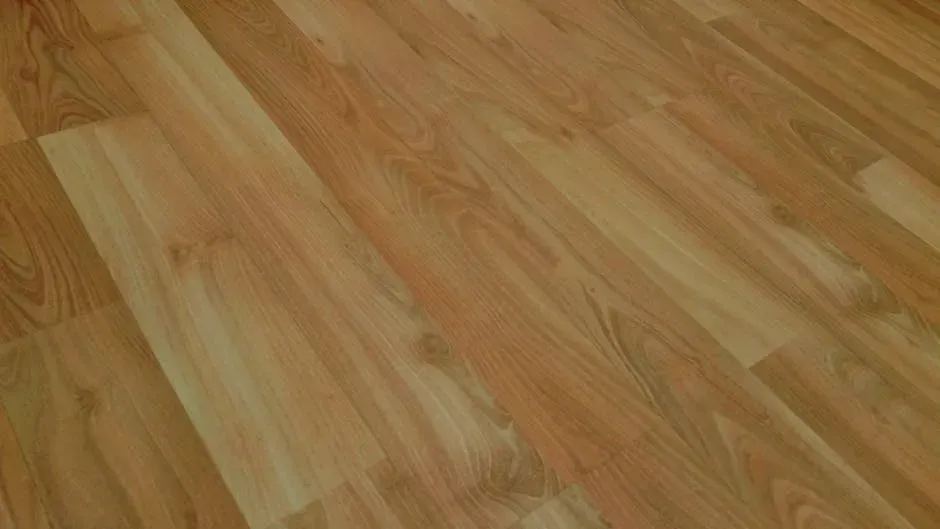
Flooring updates can increase a home’s value by an average of nearly $12,000, according to HomeLight survey data. Worn carpet is one of the first things buyers notice, and it tends to drag perceived value down fast. Replacing older carpeting or tile with hardwood, engineered wood, or luxury vinyl planks sets the tone for the entire home, and luxury vinyl plank in particular has become popular because it’s durable, water-resistant, and much more affordable than hardwood while still providing the upscale look buyers respond to.
Homes that sell quickly tend to feel finished. Lighting is consistent, storage makes sense, and nothing looks like an afterthought. That sense of cohesion carries through listing photos, showings, and ultimately offers. Fresh flooring is one of the fastest ways to establish that cohesion throughout an entire level of the home.
Improve Lighting Throughout the Home

Good lighting can make small rooms feel spacious and transform dark corners into inviting spaces. Modern lighting trends involve statement fixtures, sleek recessed lighting, and dimmable switches for maximum flexibility, and lighting enhancements are relatively affordable while reinforcing every other upgrade you’ve made. It’s one of those improvements that amplifies everything around it. Simple changes such as a fresh coat of paint, replacing light fixtures and ceiling fans, or swapping hardware can improve a home’s aesthetic and resale value without major investment.
Do-it-yourself projects like deep cleaning flooring, a fresh coat of paint, new tile or backsplash in the kitchen, upgraded outlets and fixtures, lawncare, and smart home technology can all offer strong ROI. Lighting sits at the intersection of most of those categories. Lower-cost projects such as repainting, refinishing floors, and upgrading light fixtures can still have a strong impact on home value and buyer appeal.
Invest in Smart Home Basics
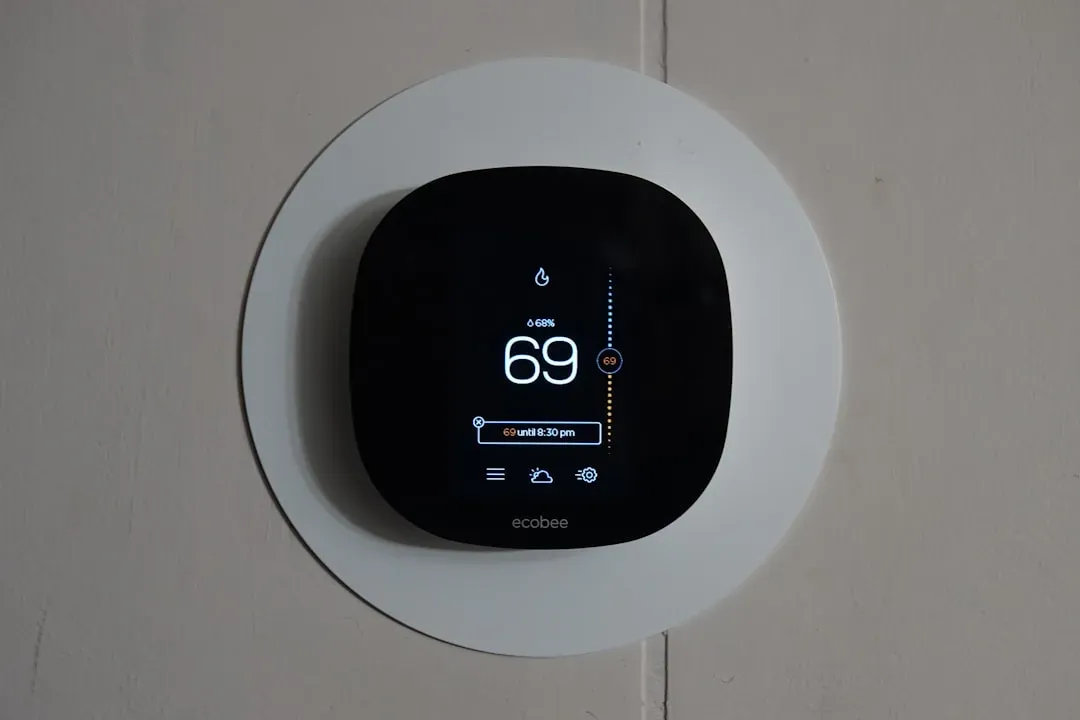
Smart home technology adds roughly three to five percent to property value, which translates to $15,000 to $25,000 on a $500,000 home. That’s a meaningful figure for changes that often cost a few hundred dollars to install. Smart thermostats are one of the simplest ways to signal a more modern, efficient home. They’re relatively inexpensive, easy to install, and give buyers the sense that heating and cooling costs are being managed more intelligently.
Installing smart thermostats, security cameras, or automated lighting improves both convenience and energy efficiency, and modern buyers are increasingly drawn to homes with smart technology features. Nearly four out of five homebuyers say they will pay more for a home that already includes smart devices. These aren’t novelty features anymore; they’re becoming a baseline expectation in competitive markets.
Upgrade Insulation and Energy Efficiency
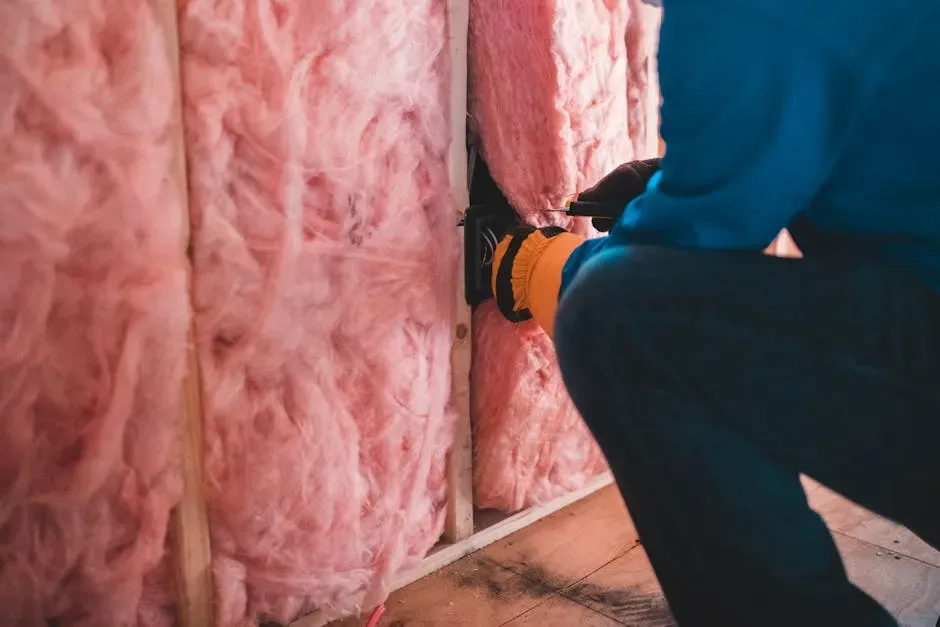
Attic insulation is one of the rare projects that pays for itself within a few years. By sealing an attic properly with fiberglass batts, spray foam, or blown-in cellulose, homeowners can reduce heat loss by up to roughly a quarter, qualify for energy rebates, and improve overall indoor comfort, with this small upgrade often returning well over its full cost in ROI. Energy efficiency upgrades don’t just save money month to month. They boost resale value by aligning a home with buyers’ growing sustainability expectations.
According to the U.S. Department of Energy, between a quarter and nearly a third of residential heating and cooling energy use comes from heat gain or loss through windows. Replacing old windows with new vinyl ones delivers between roughly 67% and 74% ROI in increased resale value and also provides savings on energy bills, and choosing a window with a low-emissivity coating can reduce energy loss by 30% to 50%. Backup power generators also now appear in the Cost vs. Value Report with a return of over 95%, signaling strong market interest particularly in regions prone to severe weather and outages, as buyers prioritize safety and energy resilience.
Don’t Underestimate Fresh Paint and Curb Appeal

Painting the interior of a home yields an average return on investment of roughly 107%, and this improvement can add up to $16,050 in resale value on its own, according to research from Angi. That’s a striking figure for what is essentially a weekend project on a smaller home. The vast majority of experts surveyed agree that when selling a home, soft or warm whites work best for living areas, neutral colors suit bedrooms, and off-white is the top choice for exterior paint.
A few yards of mulch, fresh edging, and well-trimmed shrubs create visual balance that frames a home naturally. Sticking to low-maintenance plant species and simple hardscape borders is usually the right call, and these quick weekend upgrades often deliver one of the highest returns per dollar spent in residential real estate. Even smaller changes like fresh paint, trimmed landscaping, or a pressure-washed walkway can make a home feel sharper and more inviting without requiring a major investment.
The pattern running through all of these improvements is the same: restraint and targeting outperform ambition and scope almost every time. Buyers respond to homes that feel cared for and finished, not to homes with one impressive room surrounded by neglect. Spending modestly in the right places, guided by what the data consistently shows, is still the most reliable path to adding real .