
Most people don’t lose their tidy home overnight. It slips away quietly, one misplaced item at a time. A jacket draped over a chair, dishes left to “soak,” a stack of mail that grows into its own small ecosystem. None of it feels urgent in the moment, but the accumulation is relentless.
Clutter consistently ranks as the most annoying form of mess in the home, outranking even hair and dirt, and a large majority of women report feeling anxious or nervous in a cluttered environment. The good news is that keeping a home doesn’t require a personality overhaul or a free weekend. It requires a handful of small habits done with enough consistency that they stop feeling like effort at all.
Make Your Bed Every Single Morning

Making your bed each morning can function as a “keystone habit,” one that produces a ripple effect where a single small positive action has the potential to generate better choices throughout the rest of the day. The bedroom is the first room you see each morning, and a tidy bed immediately signals that the space is under control.
A study of 1,000 people found that roughly four out of five bed-makers believe that completing a small task early in the day helps them stay productive throughout it, and nearly the same number said making the bed is an important part of starting the day right. This small act of tidiness can contribute to a feeling of control over your surroundings, instilling a sense of calmness and reducing stress.
Use the One-Touch Rule for Everything
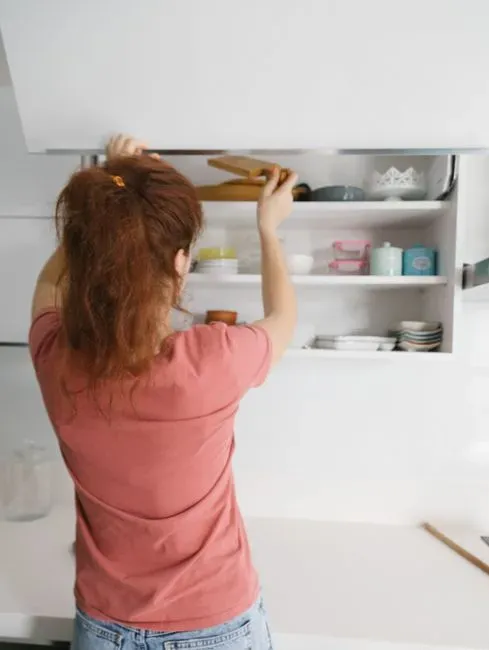
The core mantra of the one-touch rule is “don’t put it down, put it away.” Instead of picking up an object and setting it aside again, the rule relies on putting it away immediately. It’s a deceptively simple idea that eliminates the slow drift of items from their rightful places.
Every time you pick something up and think “I’ll deal with this later,” you’re not saving time. You’re creating a mental debt that compounds throughout the day. By evening, even the smallest task feels exhausting because your brain has already made hundreds of tiny decisions. The one-touch rule removes that cycle completely. You touch it, you put it away. No second guessing, no piling up for later.
Build a 10-Minute Evening Reset

Dedicating the last ten minutes of your day to resetting your main living spaces, tidying up pillows, gathering stray items, and assigning each family member one area to tidy, means waking up to a freshly organized home the next morning. It’s a low-effort investment with a surprisingly visible return.
Taking ten minutes every night to put away laundry, clear away clutter, and remove any tripping hazards from the floor means going to bed knowing it’s done, which is why many people report sleeping more soundly. The key is choosing a consistent time that you can maintain, which greatly increases the likelihood of the habit actually sticking.
Clean as You Go in the Kitchen
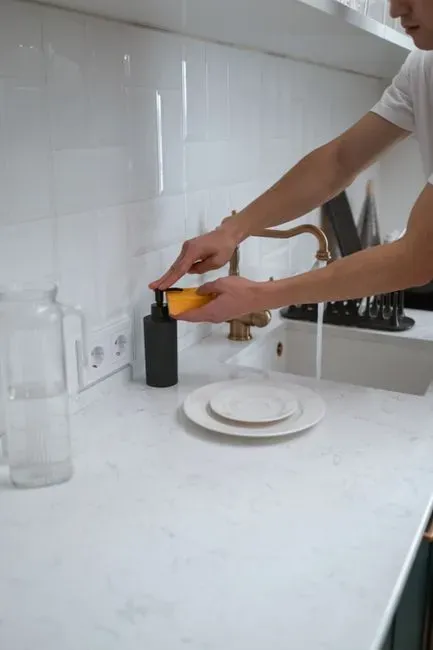
Wiping down surfaces daily can make a huge difference in how a home feels overall. Certain areas tend to pick up a lot of dust and grime throughout the day, and the kitchen is the biggest culprit, making a daily counter wipe-down essential for keeping things neat and tidy.
Tackling clean-ups as they happen makes a real difference. Wiping counters after cooking, folding laundry fresh from the dryer, and sweeping crumbs after meals are all small actions that add up and save you from weekend-long clean sessions. A kitchen that resets after each use rarely needs a major overhaul.
Give Everything a Designated Home
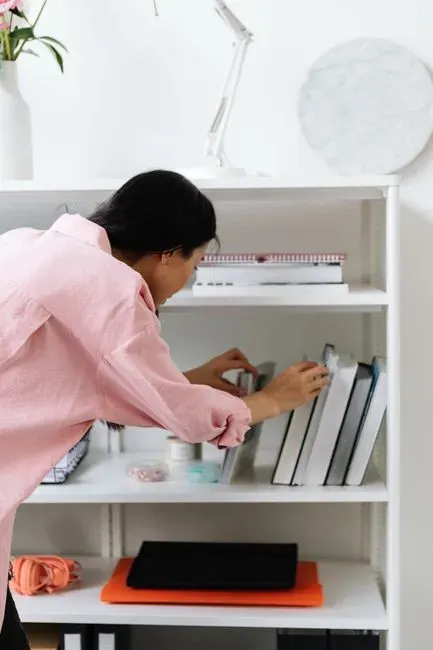
An organized home is simply easier to maintain. When everything has a designated place, tidying up becomes quicker and more efficient, and basic storage solutions reduce the time required for daily resets. The problem with most cluttered homes isn’t that people are lazy. It’s that too many items have no clear address to return to.
Bins, baskets, and drawer organizers make everything neater. Grouping similar items together and storing them in labeled containers gives easy access, and placing a basket near the stairs for items that need to move between floors, along with an inbox tray for paperwork, prevents loose items from spreading.
Practice Mindful Purchasing to Prevent Clutter Before It Starts

The average person only uses about twenty percent of the items in their home. That striking reality means the majority of what we own is passively taking up space. Keeping a home neat is significantly easier when fewer items enter it in the first place.
Mindful purchasing means being a deliberate consumer. Before making a purchase, considering its necessity and the value it adds to your life, and asking whether the item will be used regularly or will simply occupy space, helps create a home filled with useful and genuinely valued things. Investing in fewer, higher-quality items that last longer reduces clutter and promotes more sustainable living by minimizing unnecessary consumption.
Do a Weekly Surface Audit
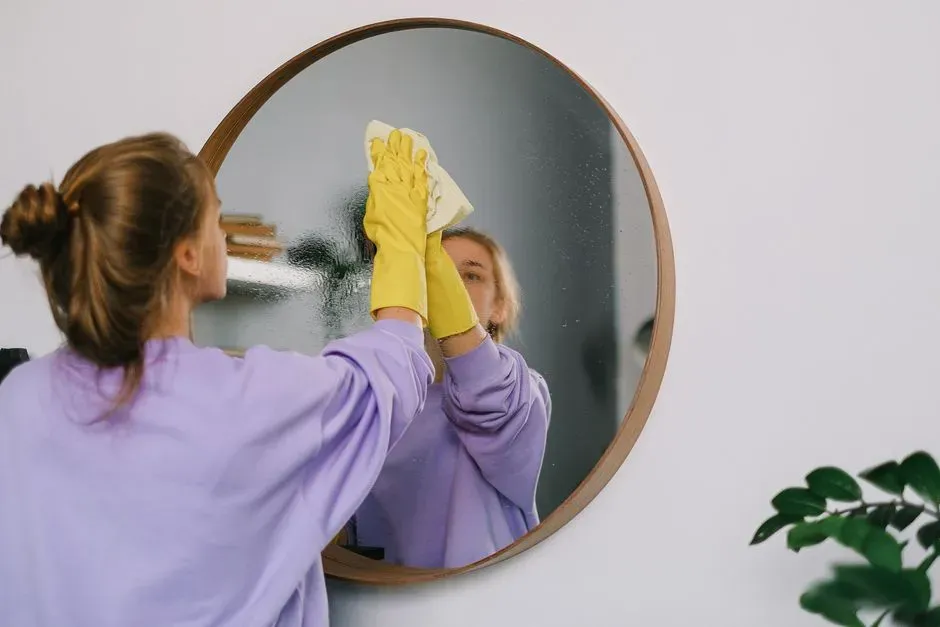
Rather than having big organizational goals, the focus should be on building good daily and weekly habits. Making a one-percent difference in every room, clearing the floor, tidying a bedside table, taking out the rubbish, adds up faster than most people expect. A weekly surface audit keeps spaces from quietly degrading between larger cleans.
Short bursts of cleaning can prevent bigger messes. Tidying a single shelf, filing a few papers, or wiping a counter during commercial breaks or while waiting for water to boil are the kinds of micro-moments that collectively maintain order. Thinking of it as maintenance rather than cleaning changes how it feels entirely.
Stay Consistent Rather Than Sporadic
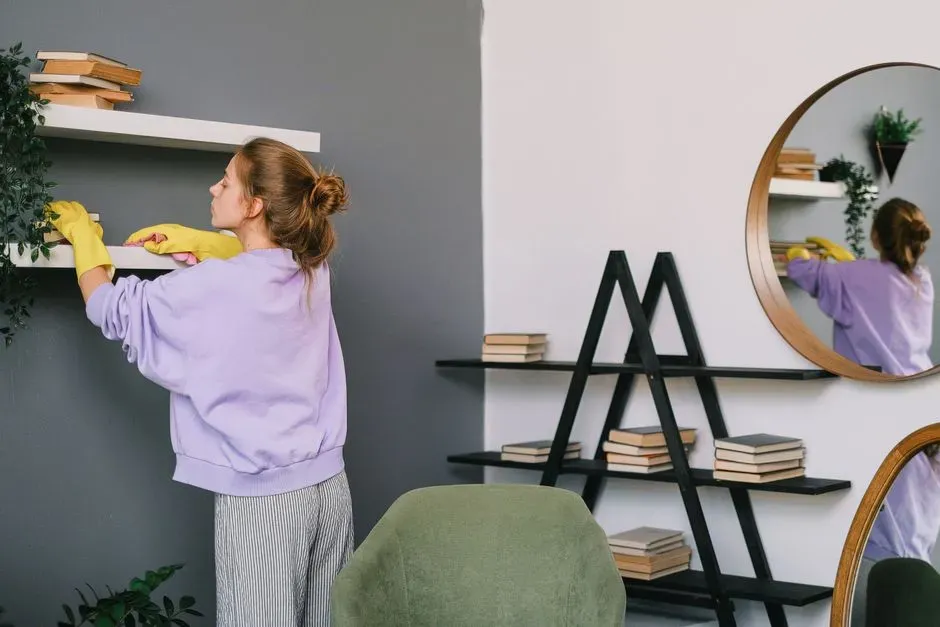
Getting started is the hardest part for most people, and the average person is more likely to maintain a regular cleaning streak after doing so for four consecutive weeks. Once that streak is broken, roughly half of people say it’s difficult to get it back. Consistency, however imperfect, matters far more than intensity.
Consistency matters much more than a single intense effort. By implementing even a few daily habits, you reduce the stress of overwhelming messes while creating a space that feels calm and welcoming. Focusing on small, consistent changes makes much more impact than trying to do everything at once. A tidy home is less a destination than a practice kept in motion.
Involve Everyone in the Household

Getting the whole household involved not only distributes the responsibility more fairly but also builds good habits in children early on. Assigning chores that suit each person’s ability, such as tidying toys, feeding pets, or resetting a common area, creates shared ownership of the space.
Cluttered living spaces can strain relationships, with couples engaging in roughly three arguments per month related to clutter. Family members in cluttered environments also report higher overall stress levels and decreased life satisfaction, which highlights how the tidiness of a home touches everyone who lives in it. When neatness becomes a shared value rather than one person’s burden, it tends to sustain itself far more naturally.
Accept That Maintenance Beats Marathon Cleaning
The Journal of Environmental Psychology reports a direct statistical link between home clutter and reduced well-being, with a notable share of adults feeling overwhelmed by visual disorder. A home that’s maintained daily rarely reaches that state of overwhelm that makes the whole task feel impossible.
A study in the Journal of Environmental Psychology found that people who considered their homes more cluttered had lower levels of well-being and life satisfaction, as well as higher levels of negative feelings, and clutter also reduces the psychological attachment people have to their homes. The simplest antidote isn’t a dramatic declutter. It’s the accumulation of small, repeatable habits that quietly hold everything together day after day.