
Your go-to tuna sandwich might need a makeover. While many of us grew up slathering mayonnaise on everything from sandwiches to salads, food experts are increasingly questioning whether this creamy condiment is truly the best partner for our beloved canned tuna. Most of us have experienced the tragedy of a sad tuna salad sandwich: a watery mess mixed with greasy mayo served between pale slices of white bread. That’s too bad, of course, since canned tuna is affordable, readily accessible, and quite nutritious. The average can of chunk light tuna (packed in water) contains approximately 25 grams of protein and 1 gram of fat (or less) alongside several vitamins and minerals. In other words, this canned seafood is both nutrient-dense and delicious.
The growing movement away from traditional mayo-heavy preparations isn’t just about taste preferences. It’s rooted in nutrition science and culinary innovation that’s transforming how we think about this lunchtime staple.
The Saturated Fat Concern
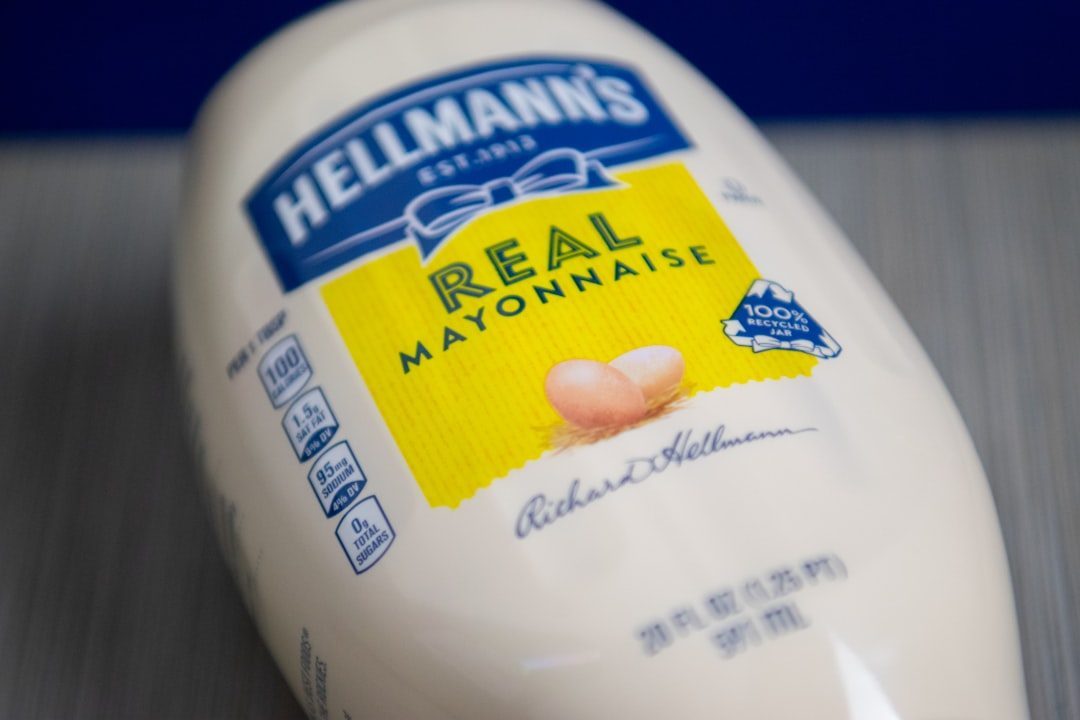
Traditional mayonnaise brings more baggage to your sandwich than you might realize. In general, mayo’s nutrition profile features approximately 10-11 grams of fat per tablespoon. About 1.6 grams come from saturated fat. Although this is not a lot of saturated fat in general, it’s quite a lot for such a small serving size. The health benefits can be negated if you load up with mayonnaise, for example, because that condiment is high in saturated fat. You’ll find about 1.6 grams (g) of this unhealthy fat per tablespoon according to the USDA. That’s about 12 percent of the daily recommended limit set forth by the American Heart Association – in just one tablespoon!
While recent research has questioned the direct link between saturated fat and heart disease, Mayonnaise is one of the most popular seasonings and well-established sauces globally, which is considered a high-fat and high-calorie product due to its high oil content. However, excessive consumption of fat (especially saturated fatty acids) leads to an increased risk of various chronic diseases including cardiovascular disease, coronary artery disease, type 2 diabetes, COVID-19, and obesity. Therefore, the demand for low-fat, low-calorie food products is increasing.
Greek Yogurt Emerges as the Top Alternative
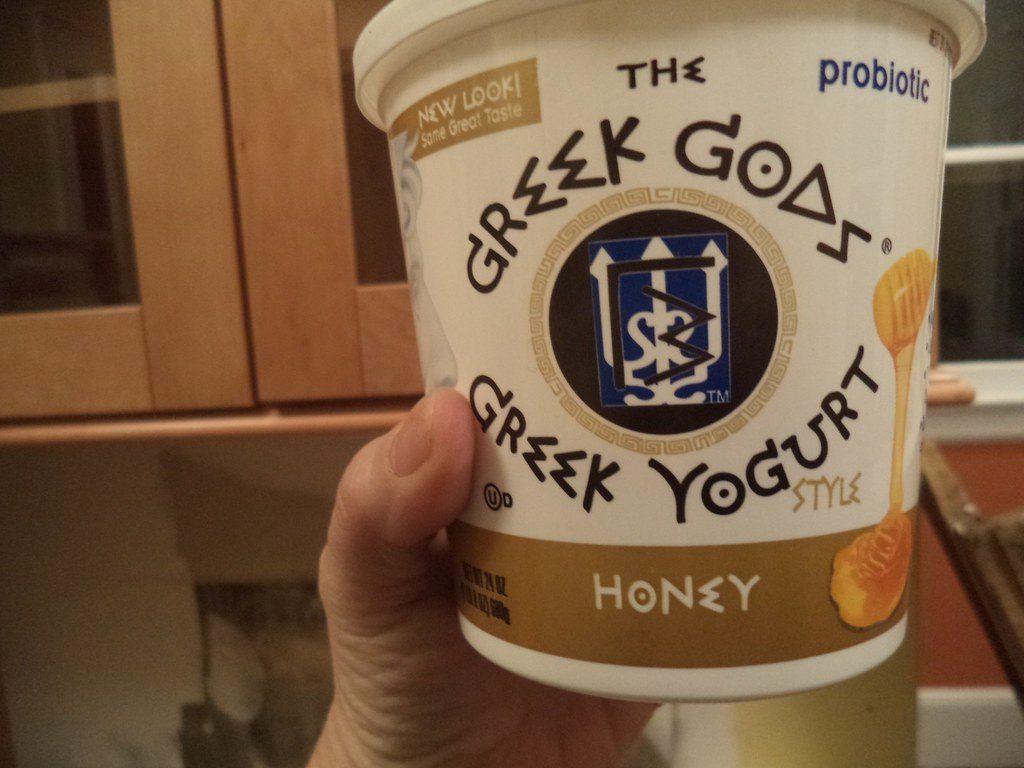
Greek yogurt offers a creamy, tangy, and nutritious substitute for mayonnaise in tuna salad. Greek yogurt has a thicker and creamier texture than regular yogurt and contains more protein. Food scientists and nutritionists consistently recommend this swap for multiple reasons beyond just reducing calories.
Greek yogurt is a great substitute for mayo in tuna salad because it brings a similar tang and creaminess. In place of mayonnaise, we’ve added Greek yogurt to lower the calories and fat while upping the protein, according to data from the USDA. In place of mayonnaise, we’ve added Greek yogurt to lower the calories and fat while upping the protein, according to data from the USDA. This protein boost can help keep you satisfied longer than traditional mayo-based preparations.
Cottage Cheese Delivers Protein Power
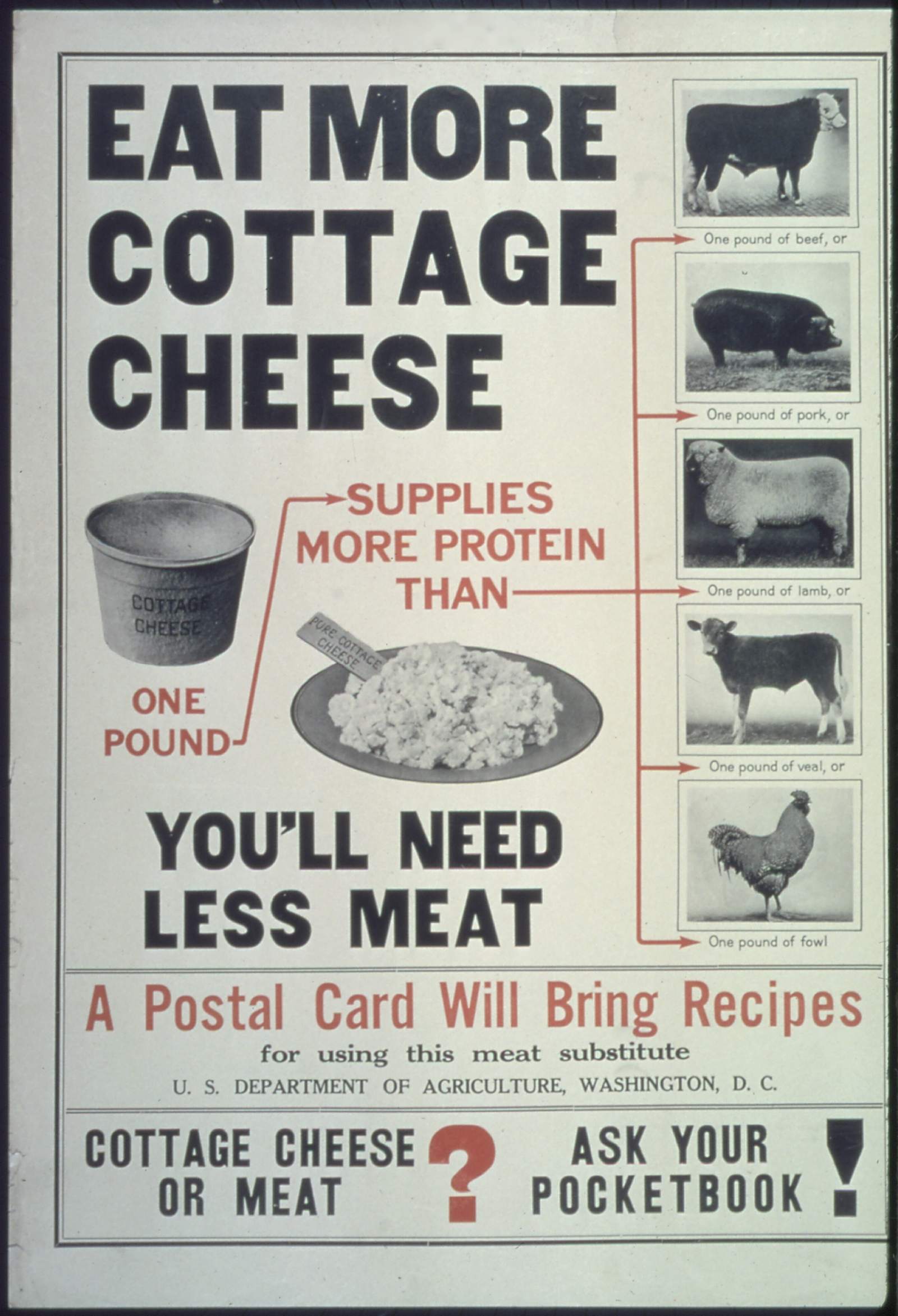
Using high protein cottage cheese instead of mayo has become one of my favorite ways to use cottage cheese. There are so many reasons to love this cottage cheese tuna salad, here are just a few! It’s high protein! This tuna salad packs 29 grams of protein per serving, so it’s going to keep you full and satisfied and support your protein intake goals. There’s no mayo. If you’re not a big mayo fan, you’ll love this cottage cheese swap instead of mayo.
For those focused on muscle maintenance or weight management, cottage cheese represents a game-changing alternative. It’s delicious. This tuna salad is SO flavorful and has everything you love about traditional tuna salad made with mayo. The texture mimics mayo’s creaminess while significantly boosting the nutritional profile of your meal.
Avocado Creates Heart-Healthy Richness
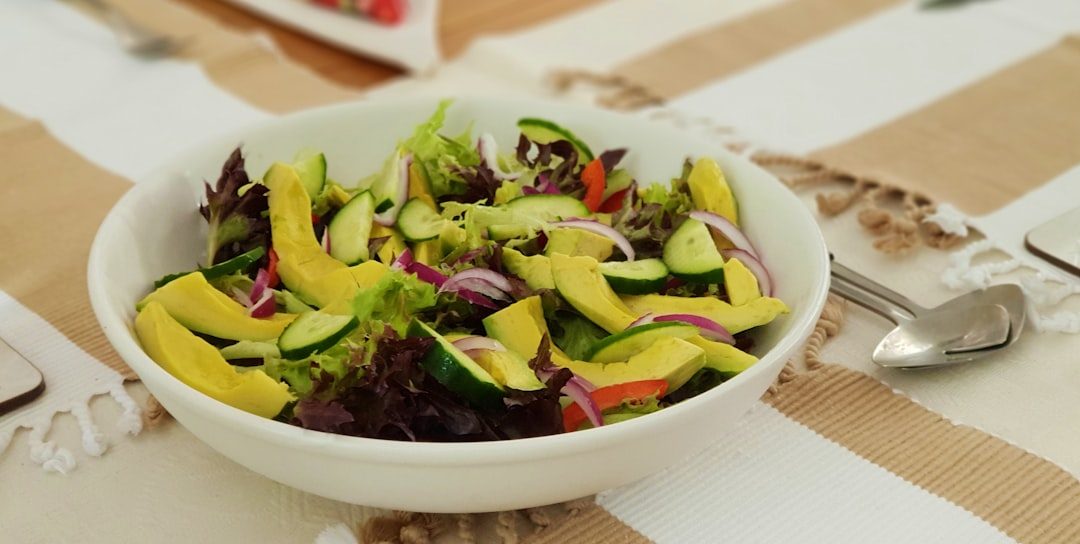
While it will make your tuna salad a little green, it does provide a fair amount of creaminess to create a texture you’re sure to love. Since avocados don’t have the same tartness as mayonnaise, you’ll want to add salt and a little vinegar or lemon to achieve a similar effect. To increase that creaminess, consider adding a dollop of that Greek yogurt.
Mashing avocado into the tuna creates a salad full of delicious, unsaturated fats, or you can fold the tuna into some hummus for added plant-based protein. Creamy Avocado Tuna Salad – add creaminess, extra fiber, and potassium by mixing in half of a mashed avocado. This option provides heart-healthy monounsaturated fats that may help reduce inflammation while maintaining that creamy mouthfeel we crave.
Olive Oil and Lemon Create Mediterranean Magic
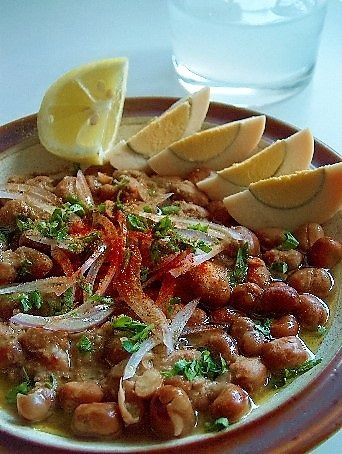
Adding your own fresh extra virgin olive oil is the key to the best tuna salad ever! The olive oil from the can doesn’t taste fresh and can be fishy. Don’t use water-packed tuna which isn’t as moist and flavorful. This Mediterranean-inspired approach eliminates mayo entirely while celebrating the natural flavors of quality tuna.
It’s a Mediterranean take on tuna salad, packed with finely chopped celery, onion, and cucumber, and then finished with lemon juice and extra virgin olive oil. It’s healthier than the classic mayo versions, and 1,000% better tasting too! Another option is olive oil and lemon juice for those who want richness and acidity without adding a creamy component.
Hummus Adds Plant-Based Protein and Fiber
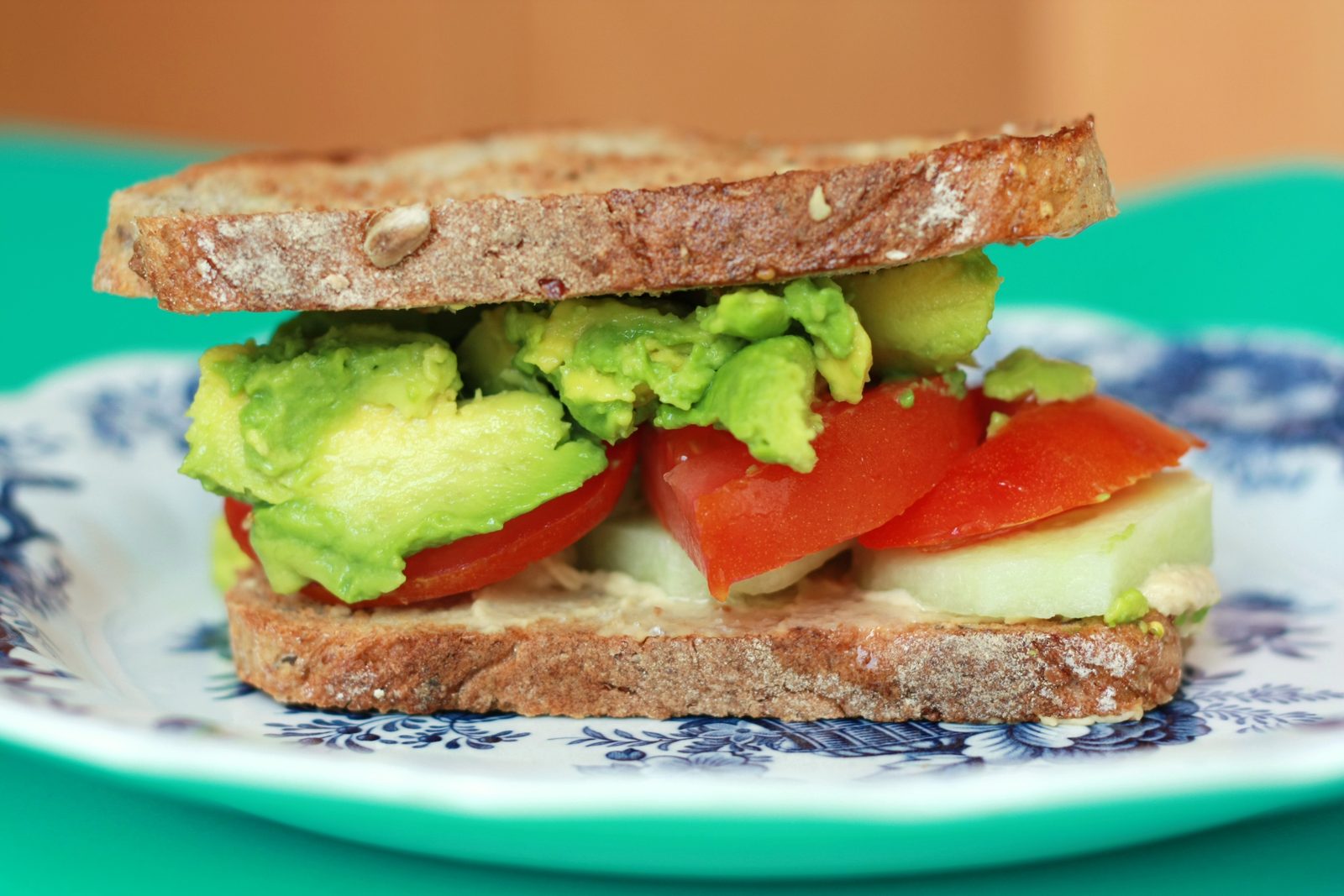
On its own, hummus is often a garlicky, savory spread that has tons of protein, fiber, and calcium (and very little fat). But when you add this chickpea-based spread to tuna instead of mayonnaise, you’ll find both tuna and hummus work well with the other to build layers of flavor. Seeing how tuna and white bean salad is a classic lunch combo, it makes perfect sense the bean-based Mediterranean spread also pairs so well with canned tuna.
While hummus isn’t always the perfect option, with tuna salad, it’s a pretty great substitute for mayonnaise. While there are many variations on the basic hummus recipe, typically, as a base, hummus will be a mash of chickpeas, olive oil, tahini, and a bit of intrigue in the form of lemon juice and garlic. This combination provides both plant-based protein and satisfying fiber that mayo simply cannot match.
The Calorie Density Problem
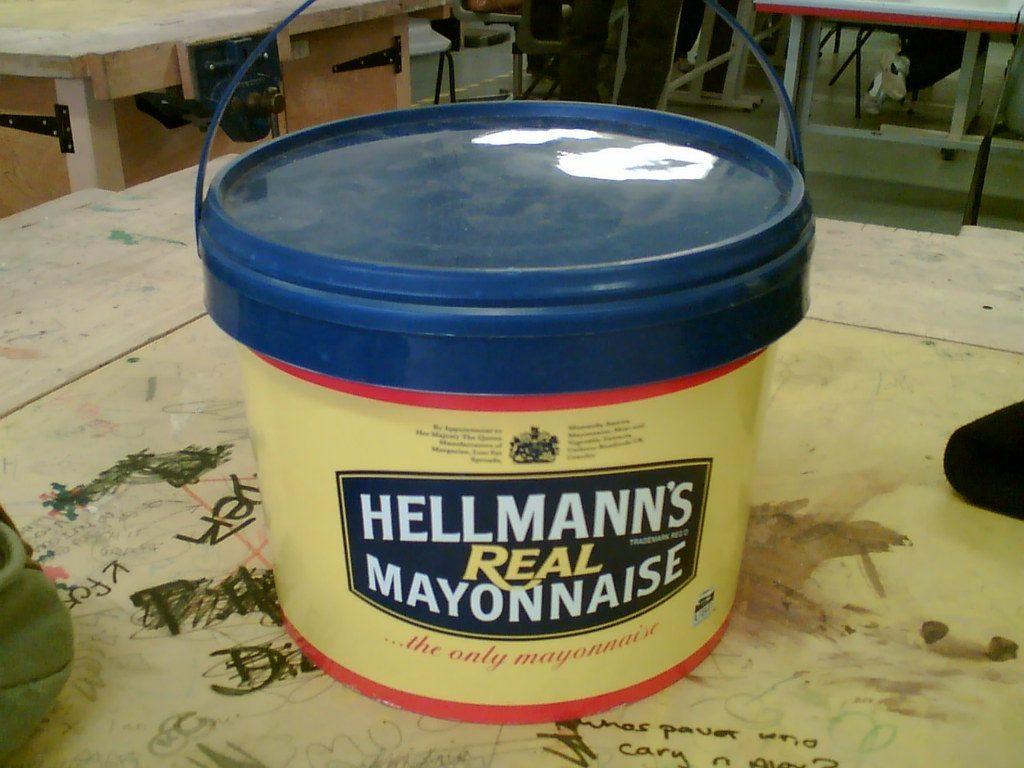
But remember not to lay on your love for mayonnaise too thick! It packs 100 calories into every tablespoon, so if you’re watching your waistline, just use a thin spread of the real thing, or try one of our options suggested below in a recent “Love It, Like It, Hate It” article. The USDA reports that mayonnaise calories total approximately 94-100 per tablespoon (14 to 15 grams). However, reduced-fat mayonnaise and no-egg mayonnaise products can have half as many calories: around 48 to 54 per tablespoon.
For weight management, every calorie counts. When it comes to egg salad, hold the mayo! Just two tablespoons pack on 188 calories and 20 grams of fat. To make your egg salad healthier, opt for nonfat yogurt or avocado. These alternatives provide similar satisfaction with significantly fewer calories per serving.
Flavor Enhancement Without Masking the Tuna
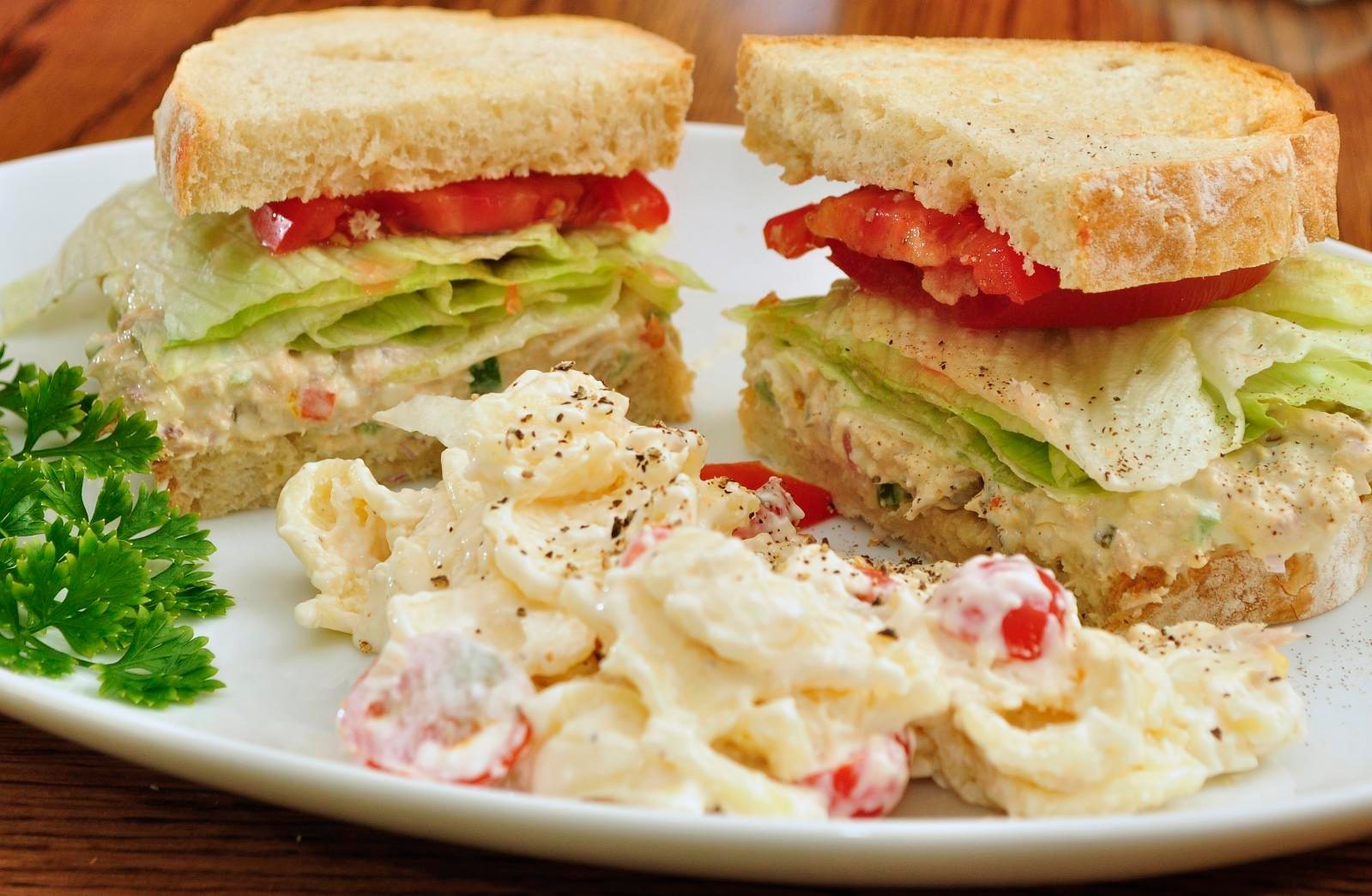
Duke’s tart taste can cut through the sometimes fishy and metallic taste tuna can take on. It lends itself to a more elevated mayo flavor – it’s the best for tuna salad. The bite from the cider vinegar adds to the depth of flavor but balances well with the tuna’s meaty flavor profile. However, many alternatives actually complement tuna’s natural flavors rather than masking them.
A tuna melt is undeniably comforting. One thing I love to do with these classic recipes is make a few swaps to transform something we all know and love into a meal with extra nutritional benefits. The bread is brushed with garlicky extra virgin olive oil for healthy fats, and the filling swaps mayo for a lighter, high-protein yogurt mix. These alternatives allow the quality and natural taste of tuna to shine through more clearly.
Professional Chef Recommendations
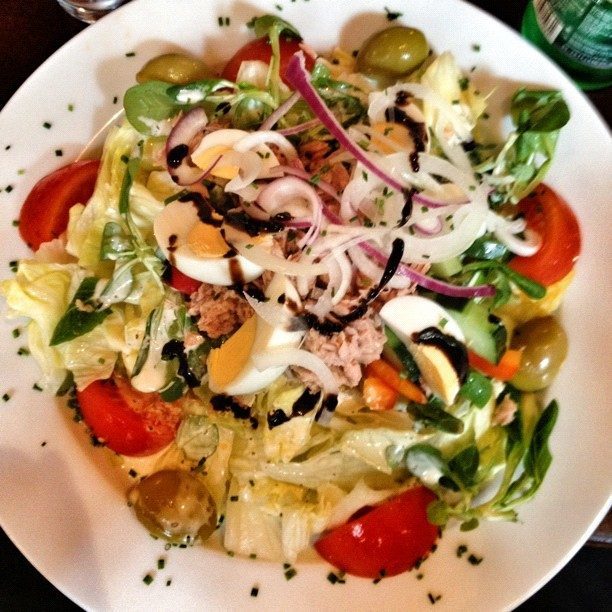
Mayo is gross, but tuna salad is the greatest. If you ever need to add creaminess, try tahini, hummus, hot sauce and ketchup. Or keep it simple and use ingredients for a vinaigrette. If you’re not using mayo, don’t be afraid to change it up with tuna salad. Professional chefs consistently emphasize creativity and health-conscious alternatives over traditional preparations.
Em The Nutritionist – a popular Instagram nutritionist – is big on upgrading your lunchtime sandwich to something more nutritious. And that’s just what she’s done with her Tuna Melt recipe below, including swapping out gloopy mayo for a lighter yogurt dressing. This professional guidance reflects a broader shift in culinary thinking toward healthier, more flavorful preparations.
Food experts aren’t just trying to ruin your favorite sandwich. They’re opening doors to more nutritious, flavorful, and satisfying alternatives that can transform your relationship with this lunchtime staple. Loaded with crunchy veggies and dressed with fresh lemon and olive oil, you won’t miss mayonnaise for a second. What do you think about these mayo alternatives? Tell us in the comments.