
There’s a particular feeling that settles in after living somewhere for a while. The excitement of moving day fades, and the space starts to feel more like a container for daily life than a place that actually reflects who you are. That gap between how a home looks and how it feels is closer than most people think, and it rarely requires a renovation to fix.
Small, intentional changes can shift the entire mood of a space without touching a structural wall or draining a savings account. What follows are practical, grounded ways to build a stronger connection to the place you already live in.
Let Natural Light Do More Work

Light shapes how a room feels more than almost any other single factor. Heavy curtains, cluttered windowsills, and dark paint near windows can quietly dim a space year round. Swapping in sheer curtains or simply pulling back existing drapes during the day lets rooms breathe and feel larger than their actual square footage.
Mirrors placed opposite windows bounce light deeper into a room, which matters especially in homes with smaller windows or north facing rooms. Even repositioning furniture so it doesn’t block a light source can noticeably brighten a space. This isn’t about buying anything new, just rethinking what’s already there.
Bring in Living Plants, Even a Few
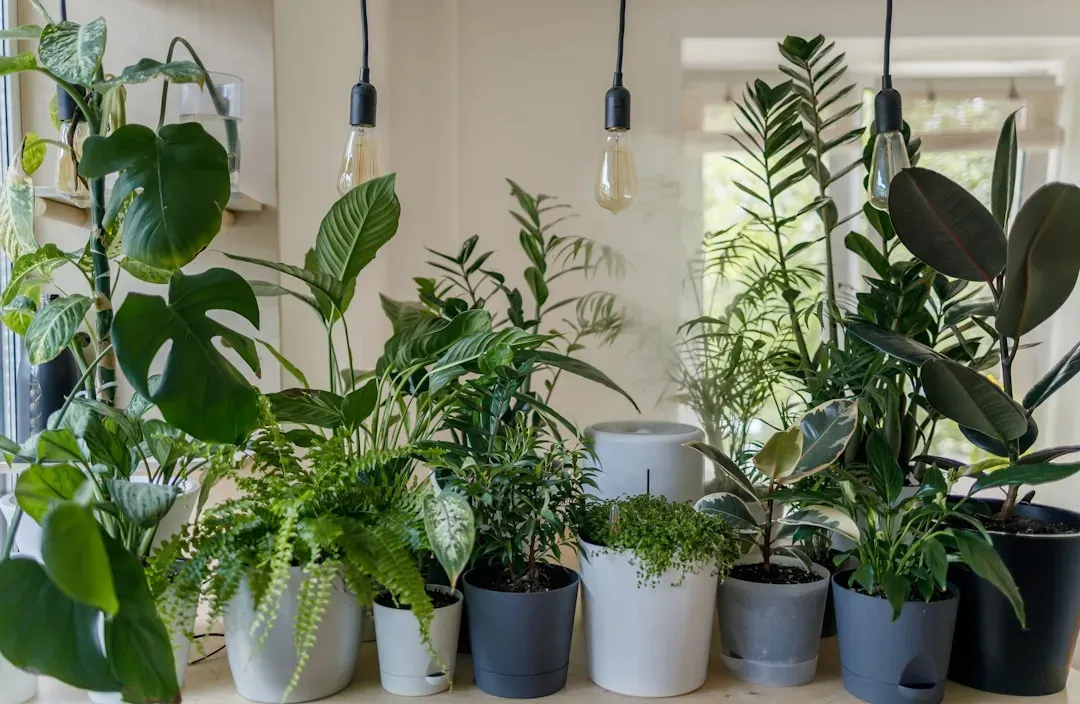
Houseplants have surged in popularity over the past several years, and the appeal goes beyond aesthetics. Caring for something living creates a small daily ritual, and greenery tends to soften hard lines in a room in a way that decor alone cannot replicate. Low maintenance options like pothos, snake plants, or ZZ plants work well for people who travel often or forget to water on schedule.
Groupings of plants at different heights create visual interest without requiring a big investment. A single healthy plant on a kitchen counter or by a reading chair can change the entire feel of that corner. It’s a low cost way to add texture, color, and a sense of life to rooms that might otherwise feel static.
Declutter One Surface at a Time

Clutter accumulates slowly, which is part of why it’s so easy to stop noticing it. Rather than tackling an entire home in one exhausting weekend, focusing on a single surface, like a kitchen counter or a bedside table, makes the task manageable and the results immediately visible. Clearing even one spot can shift how an entire room reads.
The goal isn’t minimalism for its own sake, it’s making room for the things that actually matter to be seen. A shelf crowded with old mail and stray objects hides the photo or book that might genuinely bring joy when spotted. Working surface by surface keeps the process from feeling overwhelming while still building real momentum.
Add Layers of Texture

Flat, uniform rooms tend to feel less inviting than spaces with a mix of materials. A wool throw on a leather chair, a woven basket next to a smooth ceramic vase, or a textured rug over hardwood floors all add depth without requiring a full redesign. Texture gives the eye somewhere to land and makes a room feel layered rather than staged.
This doesn’t mean mixing everything at once. Introducing one or two new textures per room, like a chunky knit pillow or a jute rug, is usually enough to notice a difference. The contrast between soft and hard, rough and smooth, is what creates warmth.
Display What Actually Means Something

Generic decor bought purely to fill a shelf rarely creates emotional connection. Swapping in items with real personal history, a piece of pottery from a trip, a childhood photo, a book someone gave as a gift, tends to make a home feel more distinctly like yours. These objects carry stories, and stories are part of what makes a space feel lived in rather than staged.
This doesn’t require a full overhaul of every shelf at once. Rotating in one or two meaningful items every few months keeps a home feeling fresh while staying true to what actually matters to the people living there. It also avoids the trap of decorating for an imagined audience instead of for daily comfort.
Pay Attention to Scent
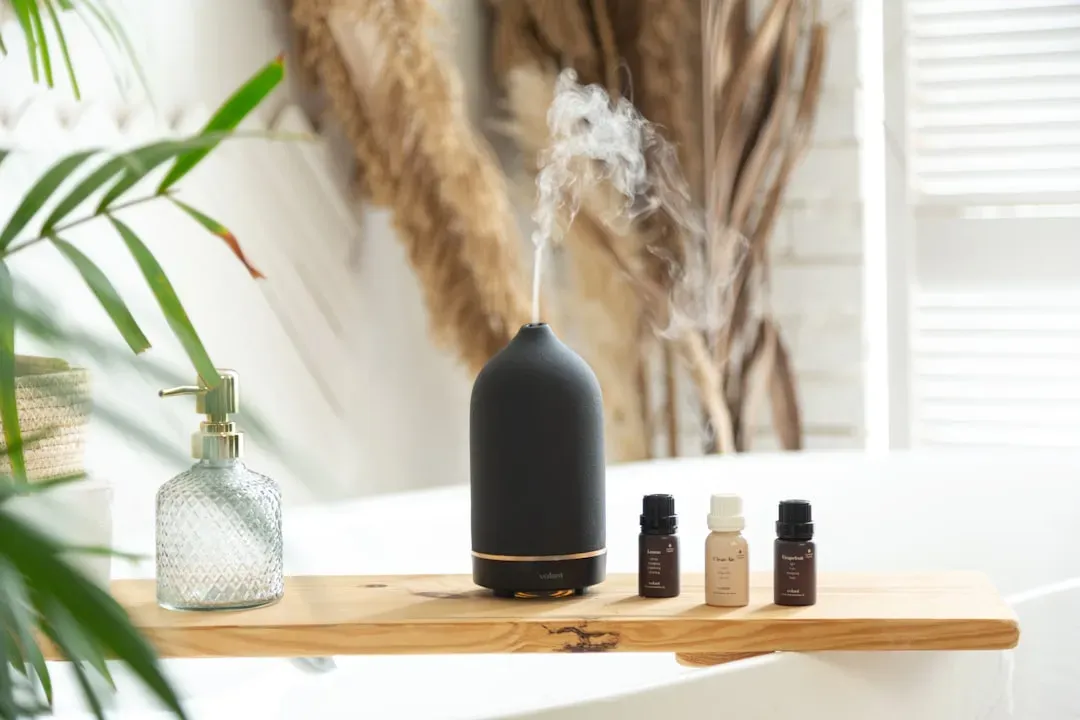
Smell is closely tied to memory and mood, often more than people realize until a specific scent triggers a strong association. A home that smells stale or neutral rarely feels as inviting as one with a subtle, consistent scent profile. Simple options like simmering citrus peels, a diffuser with essential oils, or fresh herbs on a windowsill can shift how a space feels within minutes.
Consistency matters more than intensity here. A home that always smells faintly of the same calming scent, rather than a rotating cycle of strong candles, tends to create a stronger sense of comfort over time. This is one of the fastest and cheapest ways to change how entering a room feels.
Rearrange Furniture Seasonally
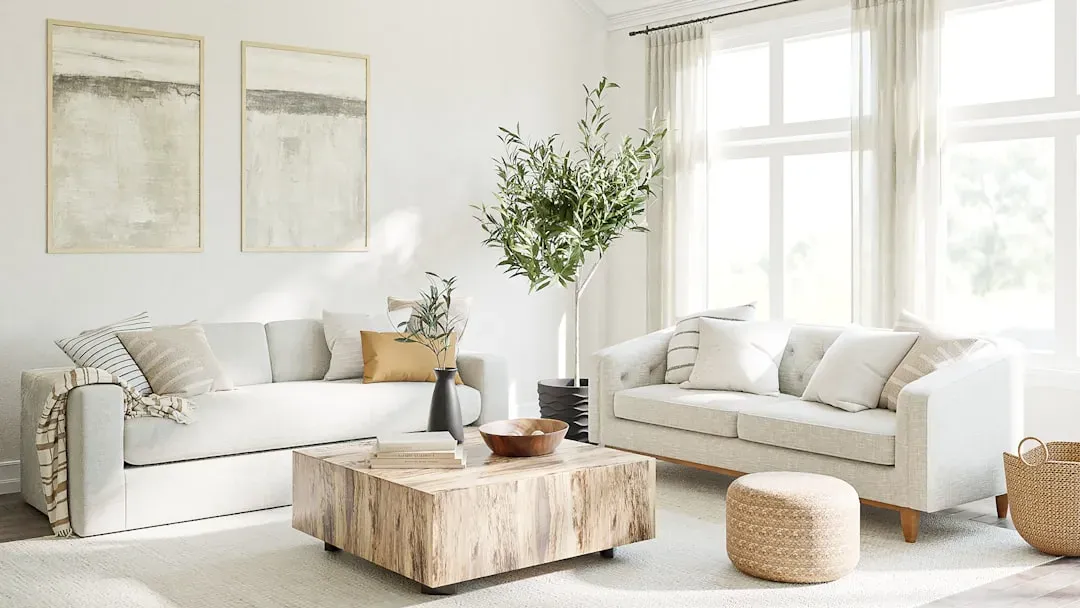
Furniture arranged the same way for years can start to feel invisible, even if it’s perfectly functional. Shifting a couch a few feet, angling a chair toward a window in winter for more light, or swapping heavy blankets for lighter throws as seasons change keeps a home feeling responsive rather than static. This kind of small seasonal refresh costs nothing but a bit of time.
It also forces a fresh look at a space that’s easy to stop truly seeing after months of routine. Moving furniture around often reveals better traffic flow or unused corners that could serve a new purpose, like a reading nook or a small plant display. Homes that shift slightly with the seasons tend to feel more alive.
Upgrade Lighting Beyond the Overhead Fixture

Relying solely on a single ceiling light tends to create flat, harsh lighting that doesn’t flatter a room or the people in it. Layering in table lamps, floor lamps, and even string lights adds warmth and allows different moods depending on the time of day or activity. Warm toned bulbs, generally in the 2700 to 3000 kelvin range, tend to feel cozier than the cooler, bluer light often found in office settings.
Dimmer switches, where feasible, offer even more control without a major electrical overhaul. Being able to shift from bright task lighting to soft evening lighting in the same room makes a home feel more adaptable to actual daily life. This kind of layered approach is one of the more affordable upgrades that pays off in daily comfort.
Create One Dedicated Comfort Spot
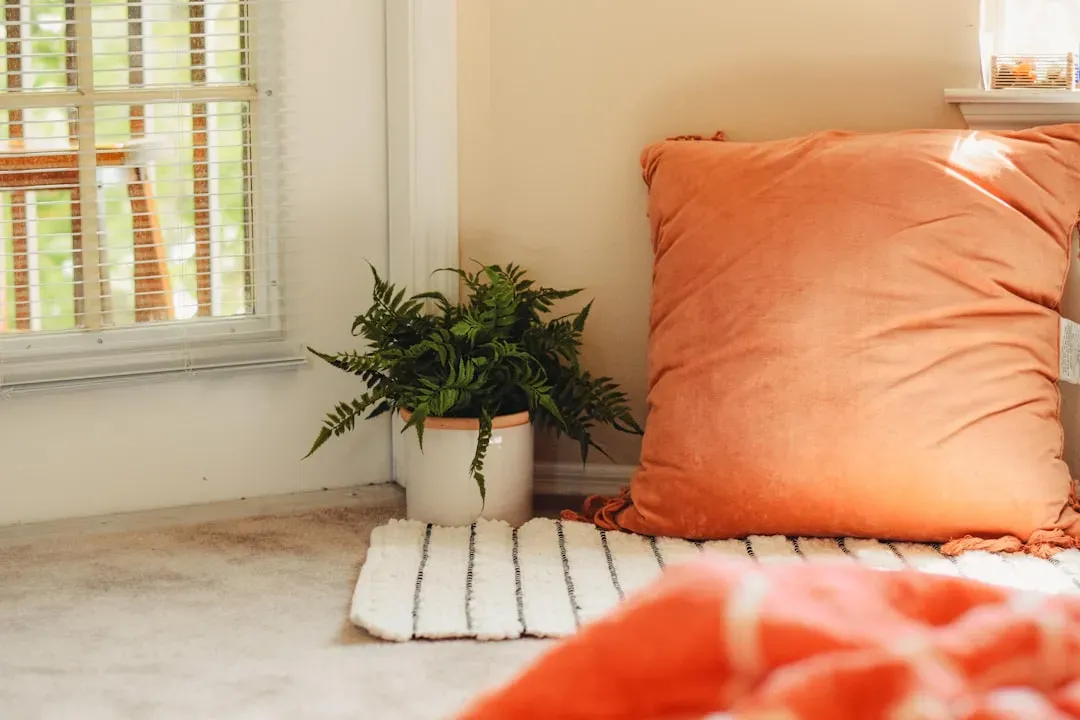
Not every corner of a home needs to be optimized for function. Having one specific spot, a reading chair by a window, a small bench near the door, or a cozy corner with good lighting, gives a home a place that exists purely for comfort rather than utility. This kind of intentional space tends to become a daily anchor point.
The details matter less than the consistency of use. A blanket kept nearby, a small side table for tea or coffee, and decent lighting are usually enough to make a spot feel inviting. Over time, that corner often becomes one of the most appreciated parts of the entire home.
Keep Maintenance Visible and Manageable

A home in good repair tends to feel more cared for, even subconsciously, than one with small nagging issues like a squeaky door or a flickering bulb. Addressing minor maintenance tasks as they appear, rather than letting them pile up, prevents the slow accumulation of small annoyances that chip away at how comfortable a space feels. This is less about major repairs and more about staying ahead of the small stuff.
Keeping a simple running list of minor fixes, tackled a few at a time rather than all at once, makes the task far less daunting. Homes that feel well maintained, even in small ways, tend to feel more respected by the people living in them. That sense of care tends to reflect back in how residents feel about the space itself.