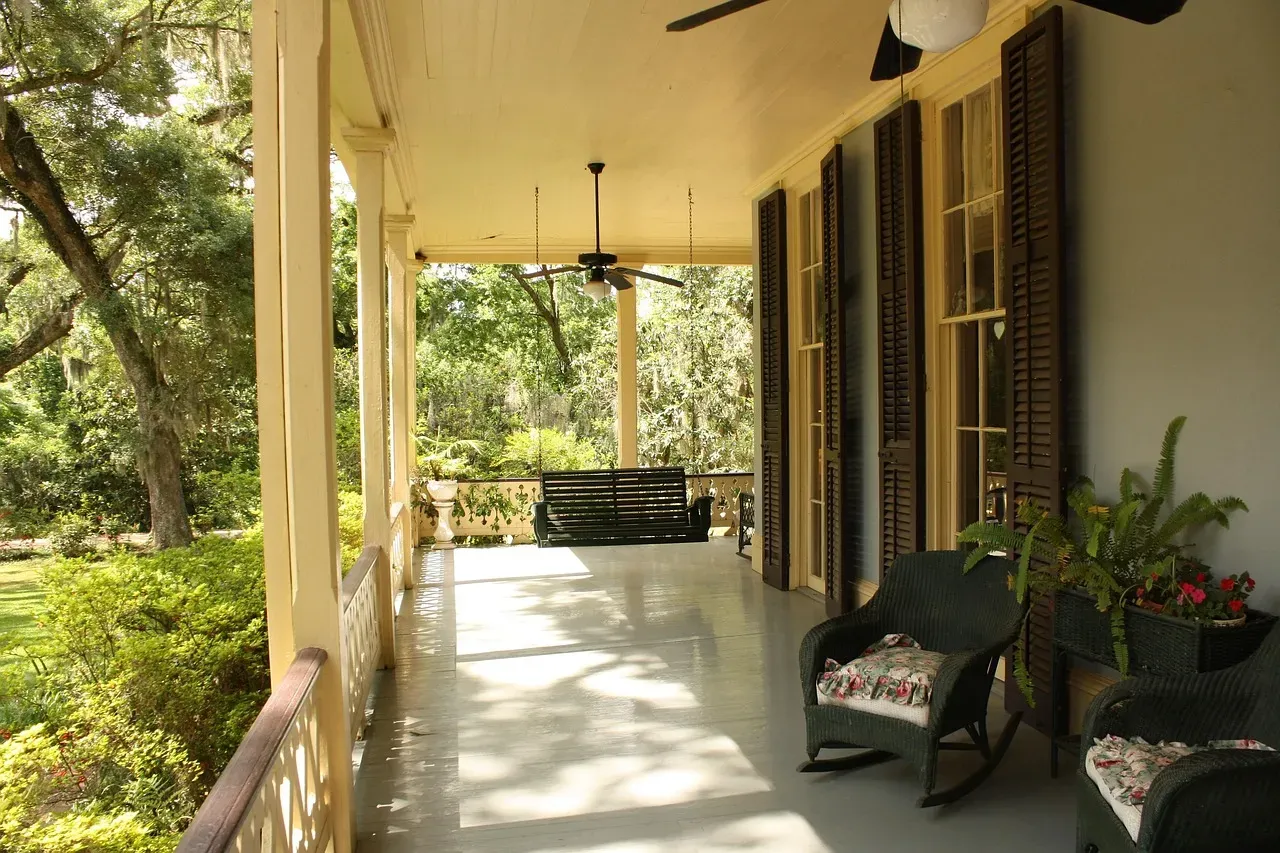
Why porches are gaining ground again
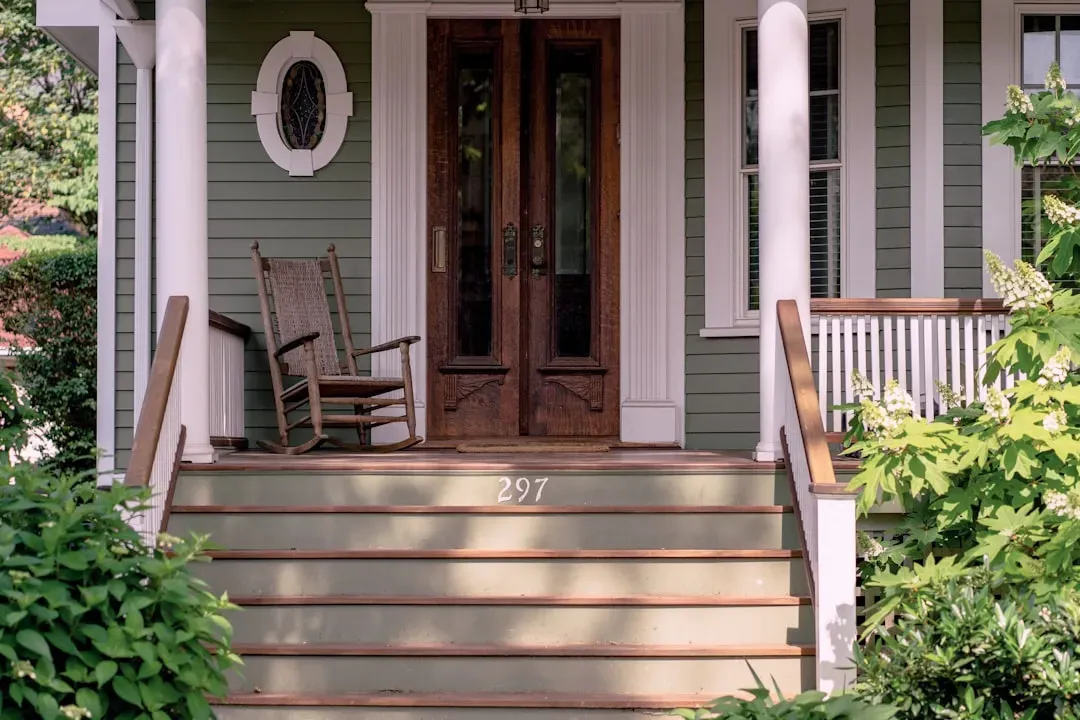
Housing affordability has been tight for a while now, and that pressure is quietly reshaping how builders think about outdoor space. Smaller homes generally improve affordability for buyers, and builders are increasingly expanding usable living space with patios, front porches and decks, complemented by exterior lighting and landscaping. In other words, when square footage inside gets tighter, the porch picks up some of the slack.
This isn’t a passing fad tied to one season of design blogs. Connection to the outdoors and nature ranked high on the top design drivers identified in a survey of residential architects, designers and builders, with 58% saying that connection to nature would be an important influence on their design choices in the coming years. A well used porch fits neatly into that goal, since it asks for very little new construction to deliver a lot of daily benefit.
Choosing a floor that can actually take the weather
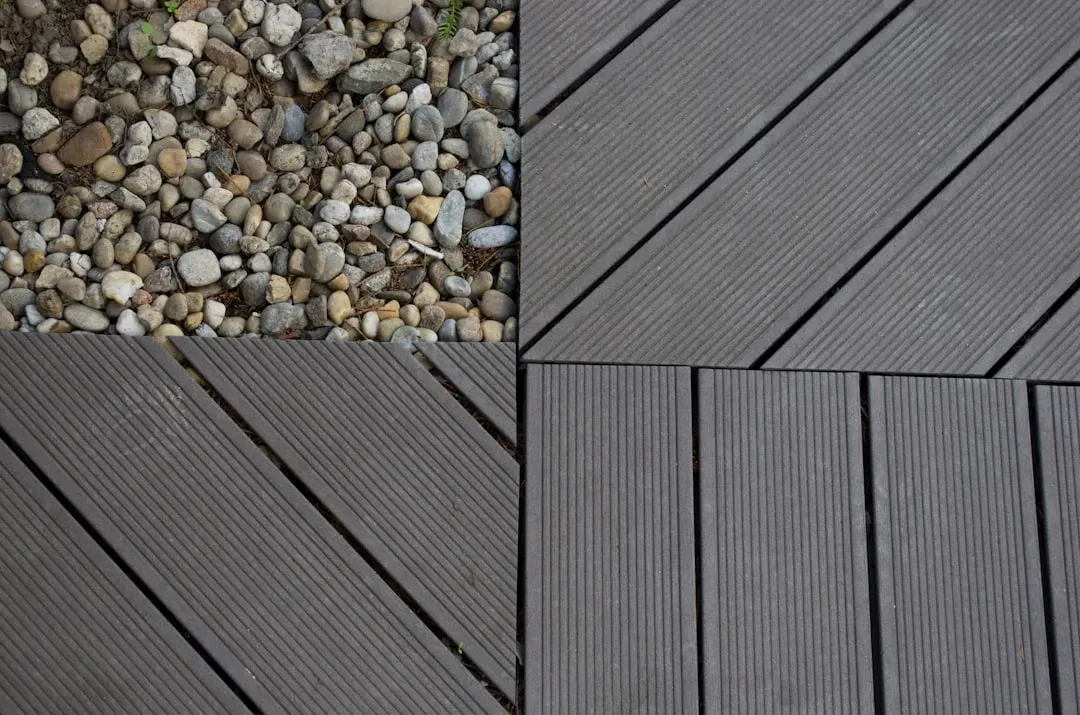
Flooring is one of those decisions that looks simple until you’re the one paying for it twice. Traditional wood decking still wins people over with its warmth and price, but composite decking costs roughly 50 to 80% more than pressure-treated pine at installation, though that gap narrows when compared to cedar or redwood. The upfront number tells only part of the story, though.
Over the long run, the math tends to flip. Over 25 years, a composite deck costs roughly half of what a wood deck costs, with the break-even point typically occurring around year five to seven. Wood still has real advantages, particularly for anyone who likes the idea of restaining a porch floor into a completely different color a few years down the line, which composite simply does not allow.
The blue ceiling that’s more than decoration
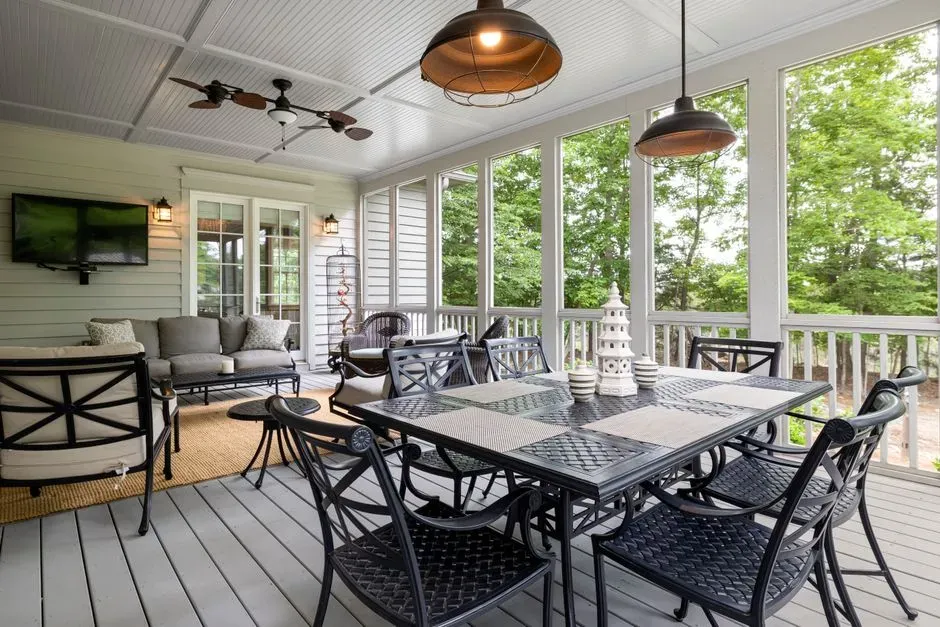
Look up on almost any porch across the American South and there’s a good chance the ceiling is painted a pale, almost watery blue. This color, known as haint blue, is a collection of pale shades of blue-green traditionally used to paint porch ceilings in the Southern United States, and the tradition originated with the Gullah people in Georgia and South Carolina. It isn’t just a pretty accident of taste.
The belief behind it runs deep. Haint blue was originally thought by the Gullah to ward off haints, or ghosts, either by mimicking the appearance of the sky to trick a spirit into passing through, or by mimicking water, which ghosts traditionally could not cross. Whether or not anyone painting a ceiling today believes in that folklore, the color has held on because it happens to be genuinely calming to sit under.
Furniture that earns a permanent spot outside
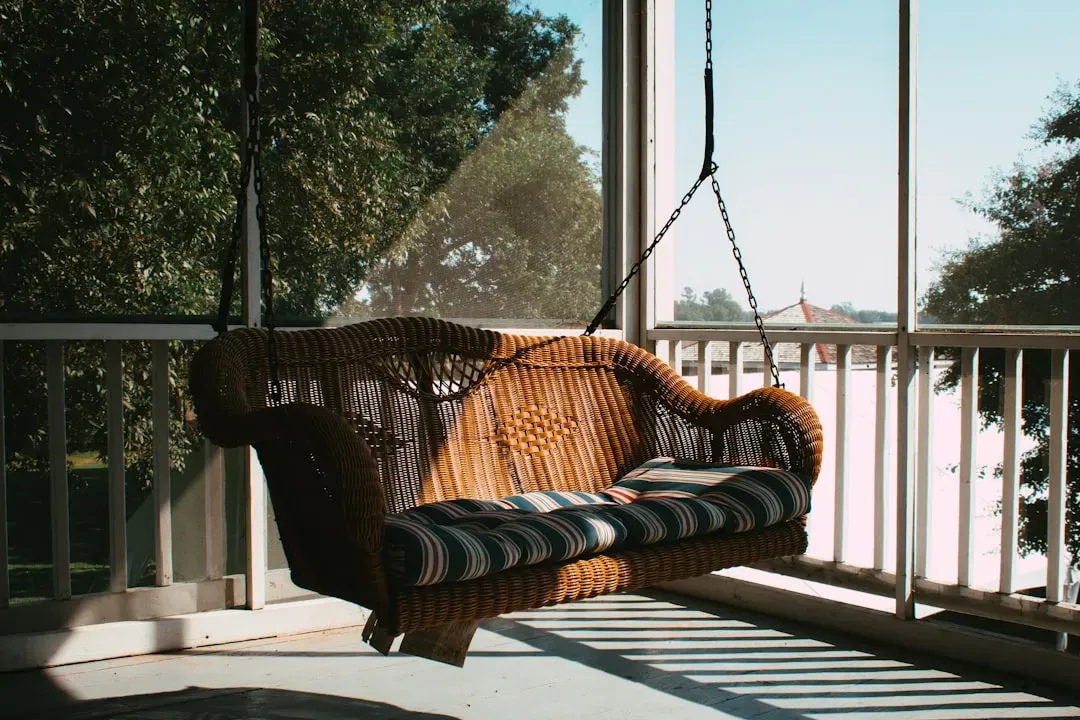
A porch without seating is just a covered sidewalk. Rocking chairs and wicker sofas remain the backbone of most setups because they carry a sense of nostalgia that newer materials struggle to replicate, while contemporary metal or minimalist pieces bring a cleaner look for homes that lean modern. The trick is choosing pieces sturdy enough to handle sun, rain, and the occasional thunderstorm without turning into an eyesore within a year.
A porch swing deserves special mention here, since it’s often the single piece that gets used the most once it’s installed. There’s something almost meditative about the gentle back and forth motion, which is probably why it keeps showing up as one of the most requested additions in porch renovations year after year, whether the style is a simple painted wood frame or a plush hanging daybed piled with cushions.
Splitting one porch into several small rooms
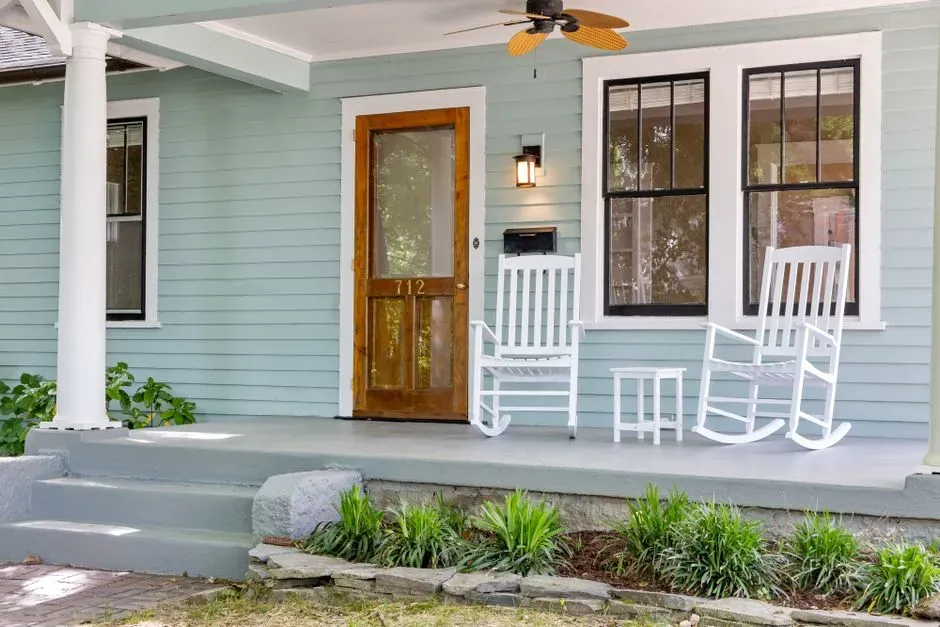
Design thinking that used to stay indoors is now spilling onto the porch itself. Open, single-use porches and patios are being replaced by more intentional, layered layouts, with homeowners creating distinct zones within the same footprint, such as a seating area anchored by a rug and ceiling feature, a transition zone with planters or a console table, and a separate dining or lounging area. It sounds fussy in theory, but in practice it just means the porch stops feeling like one undefined slab of concrete.
This zoning approach tends to hold up better than purely decorative trends because it solves a real problem rather than chasing a look. Bringing interior design principles outside reflects how homeowners are looking to create meaningful time outside, and trends rooted in function like this tend to have lasting power. A porch that separates a coffee nook from a dinner spot simply gets used more often, by more people, at more hours of the day.
Lighting that stretches the evening a little longer
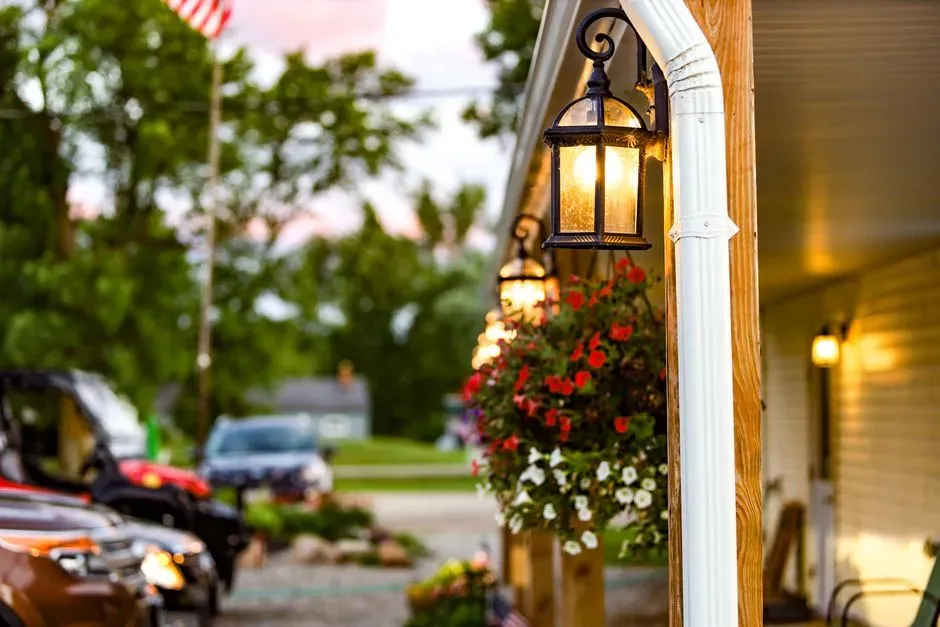
Once the sun goes down, a porch either becomes cozier or becomes forgotten, and lighting usually decides which. String lights, lanterns, and simple sconces do more than set a mood; a well lit porch also improves safety and makes the space usable well past dinnertime. Battery operated lanterns have become a popular low effort option for anyone who wants ambiance without running new wiring.
Warmer, dimmer bulbs tend to suit porches better than bright white ones, mostly because the goal is relaxation rather than task lighting. Pairing a ceiling fixture with a couple of smaller accent lights, like a lantern on a side table, gives the space depth instead of one flat wash of light, which matters more than people expect until they see it done well.
Plants and greenery without the clutter
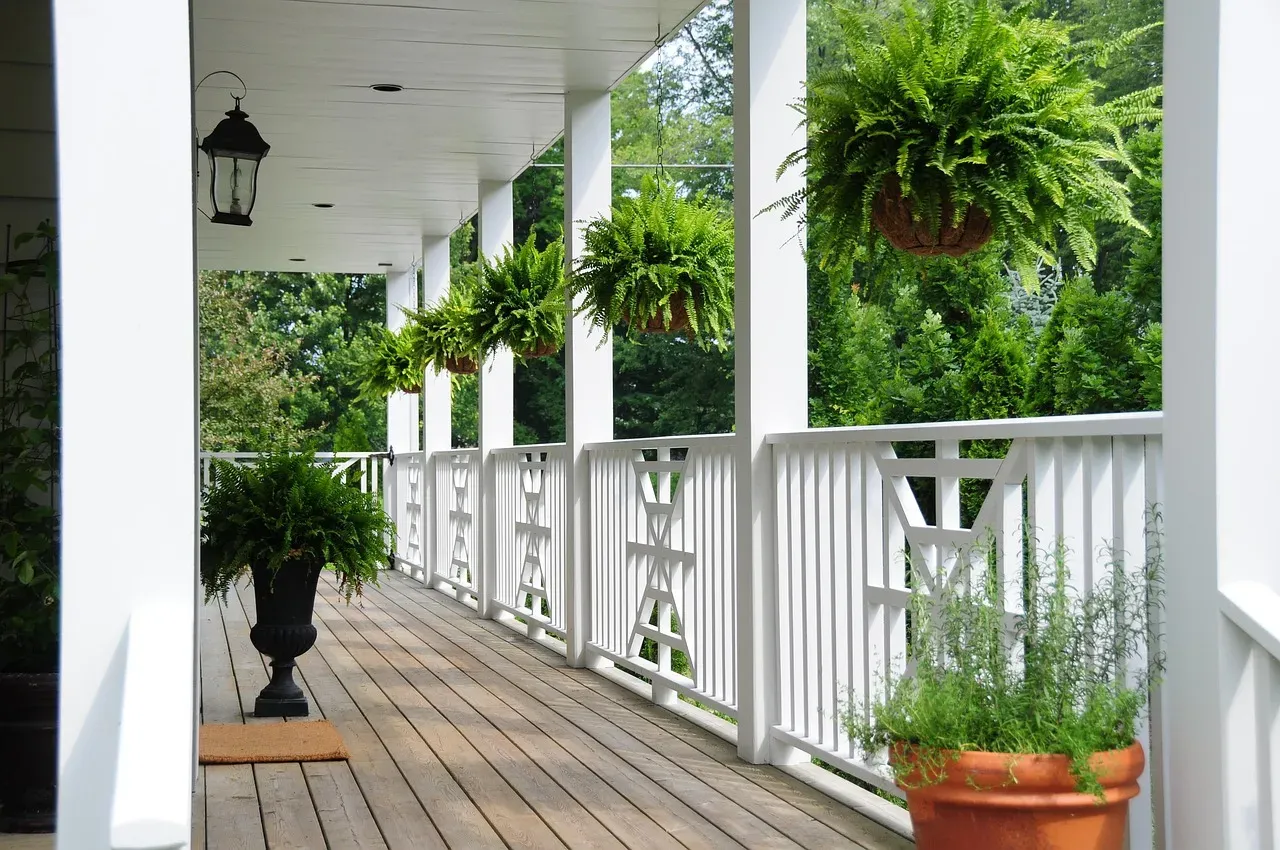
Greenery is one of the easiest ways to soften a porch, but it’s also easy to overdo. Hanging baskets by the door, a pair of tall planters flanking the steps, and a few pots of varying heights near the railing tend to do more visual work than a dozen scattered plants crowding the walkway. Boxwoods and hydrangeas remain reliable choices for anyone who wants a look that feels established rather than freshly unboxed.
Texture matters here as much as color. Mixing a woven basket planter with a smooth ceramic pot and a rougher terra cotta one creates the kind of layered look that designers keep coming back to, and it costs very little compared to furniture or flooring changes. A single well placed plant can sometimes do more than five mediocre ones spread too thin.
Designing a porch that works for every stage of life
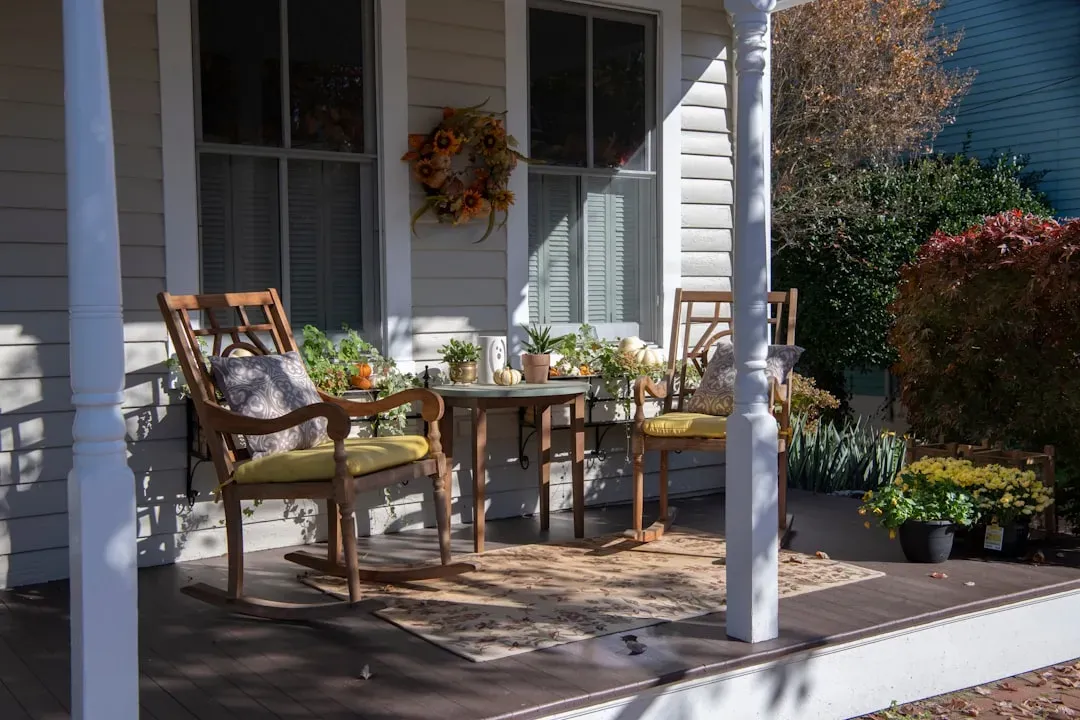
Accessibility has quietly become one of the more meaningful shifts in porch design, and it isn’t just about ramps anymore. There’s a growing focus on designing front porches that feel accessible and comfortable for everyone, regardless of age or ability, according to one outdoor living professional. That can mean smoother thresholds, more even footing, or a layout that simply feels open rather than cramped.
The details tend to work best when they’re built in from the start rather than tacked on later. Wider passageway openings, zero-threshold transitions, clear circulation paths, and flush decking are all becoming standard features, driven partly by homeowners planning for long-term living and a broader cultural shift toward inclusivity as a design standard rather than a requirement. A porch built this way tends to age well with the people who use it, which is a rare quality in home design.
Small color and material choices that change everything
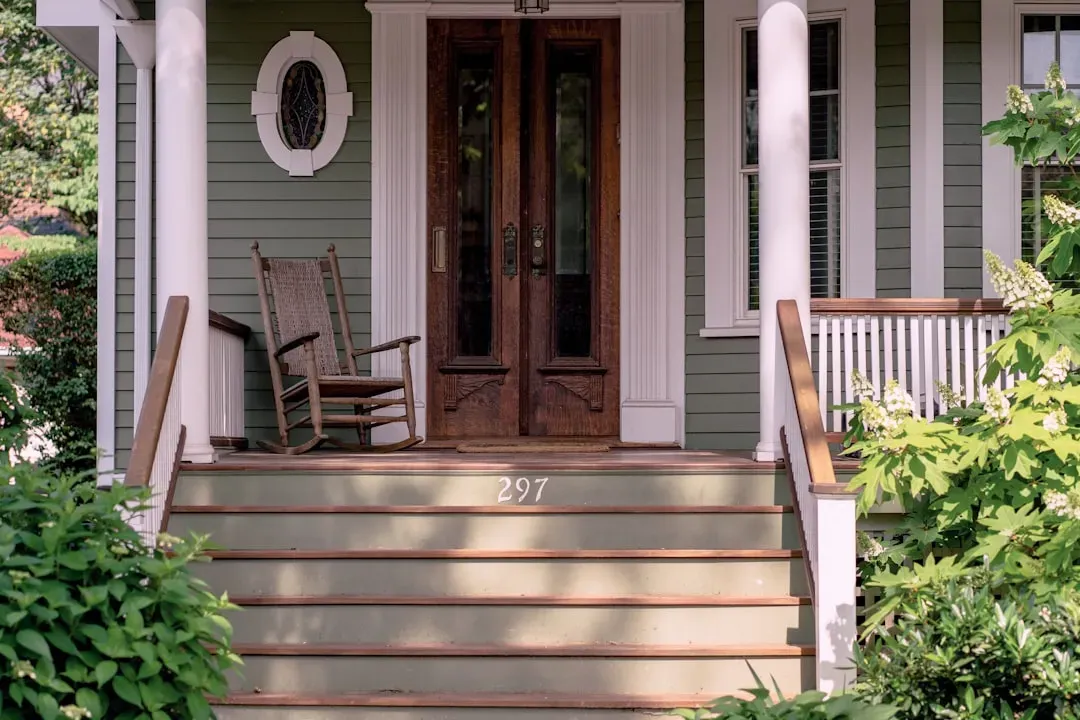
Sometimes the biggest transformation on a porch has nothing to do with furniture at all. A high contrast front door in deep black or sophisticated charcoal remains one of the strongest moves for curb appeal, acting as a crisp, modern anchor that pairs well against the grounded, earthy tones of a freshly stained porch. It’s a small surface area doing an outsized amount of visual work.
Consistency across the whole space matters just as much as any single bold choice. Instead of thinking about decking, railing, and furniture separately, homeowners are increasingly designing the entire space to feel connected, since a porch feels more intentional and inviting once everything works together. A porch that mixes five unrelated color palettes rarely reads as charming so much as unfinished.
Stretching porch season into spring and fall
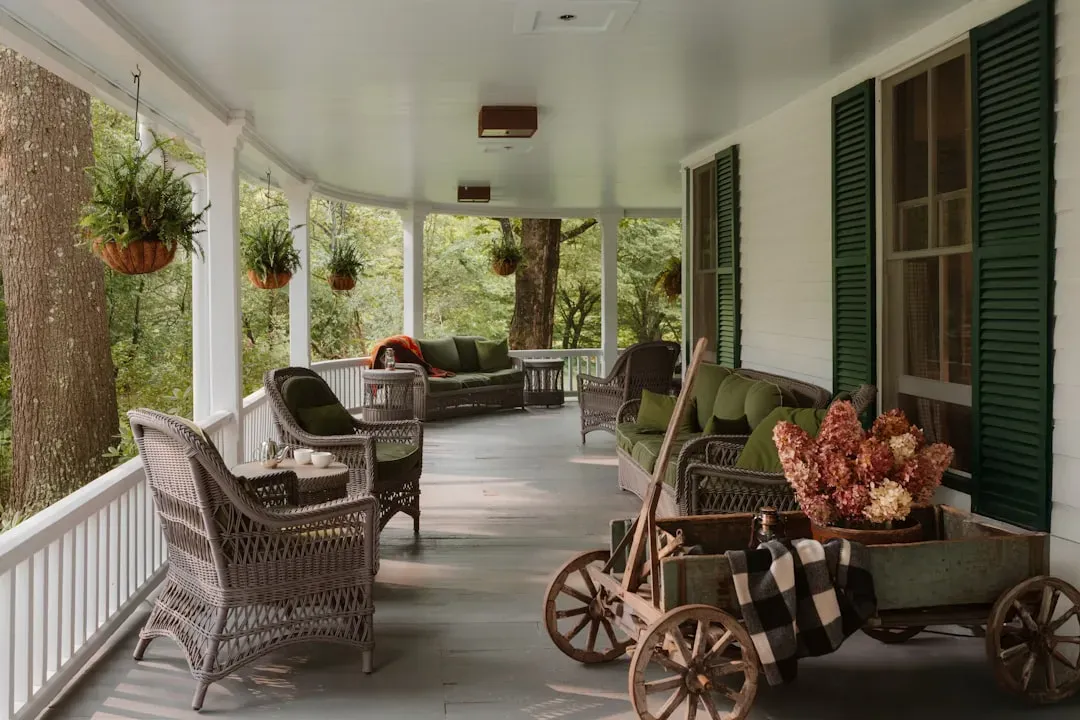
A porch that only works in June and July is leaving a lot of good weather on the table. Porches are no longer treated as a singular season thrill, and with features like retractable screens, ceiling fans, heaters, and materials built to withstand a variety of weather conditions, homeowners are looking for these spaces to extend into spring and fall. A screened section with interchangeable glass panels can turn a three season porch into something closer to a four season room without the cost of a full addition.
Adding that kind of function tends to pay off beyond comfort alone. Adding function also adds value, and for homeowners, increasing return on investment never goes out of style, according to one outdoor construction professional. A porch that survives a chilly October evening or an early April drizzle simply gets more use out of every square foot it takes up.
A space that keeps earning its place