
The design world moves with relentless precision, shifting away from what once seemed permanent. Interior designers who forecast these changes suggest that styles deserve to be retired to make way for a fresher, more meaningful approach to design. While trends naturally cycle through popularity, certain looks have simply overstayed their welcome, creating fatigue among homeowners and professionals alike.
Open Concept Living Spaces
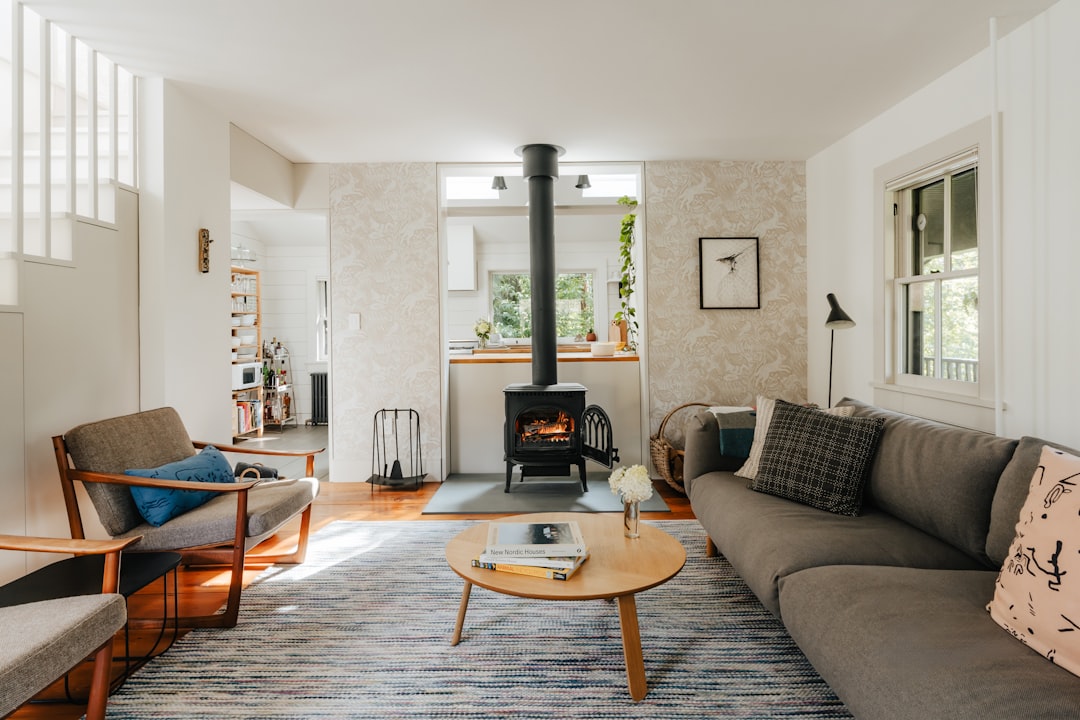
The open-concept layout, a primary feature of modern homes, is continuing to face pushback from designers who value privacy, defined function, and acoustic separation. Homes with open-concept layouts are loud, hard to furnish, and leave little room for real design moments, explains interior designer Cathryn Erickson. The 2020 pandemic revealed how challenging these spaces became when multiple family members needed separate areas for work and school. Every element has to coordinate instead of letting each room have its own personality, making it difficult to create distinct atmospheres throughout the home.
Bouclé Fabric Furniture
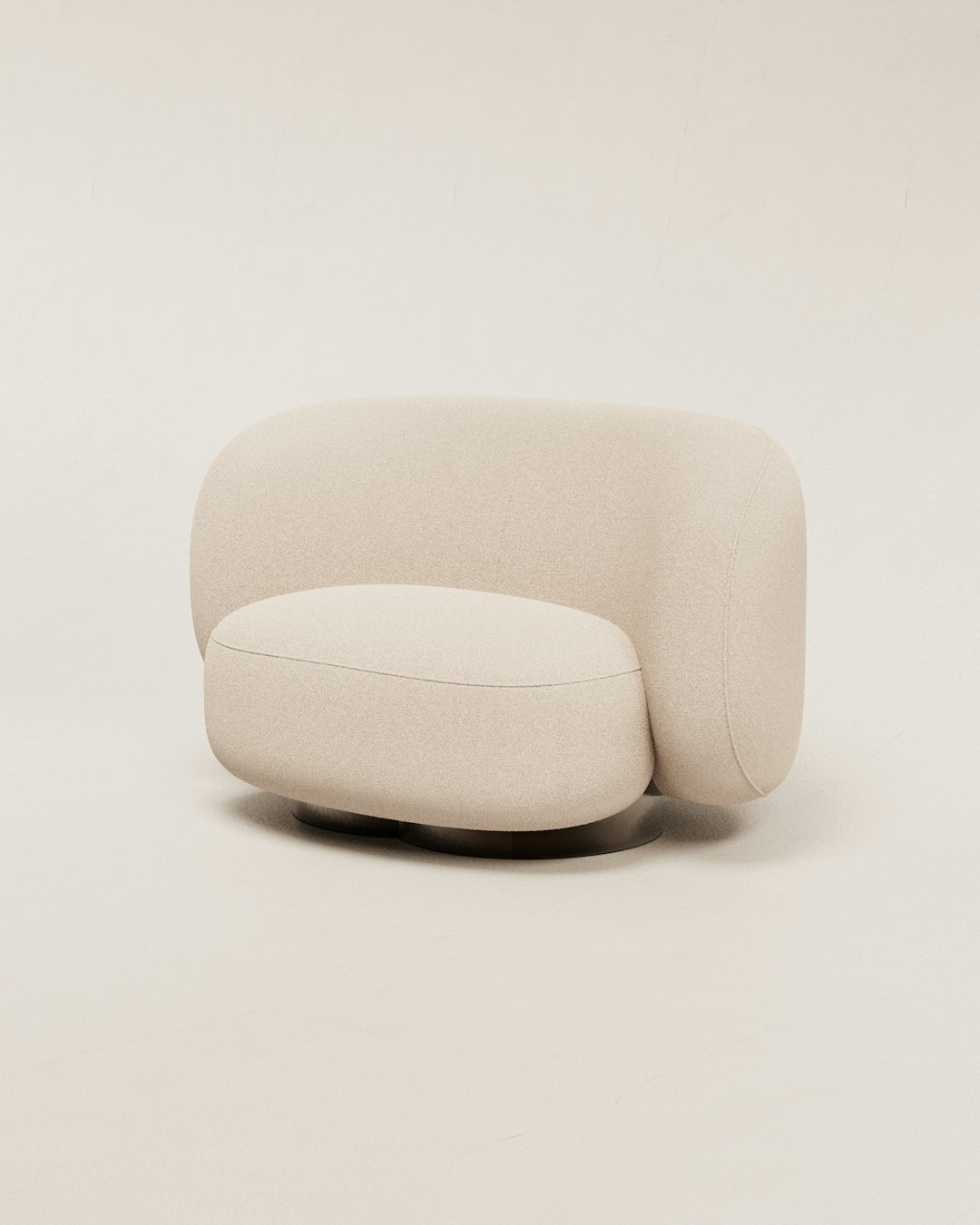
Recently, bouclé furniture has dominated seating and accent pieces. However, designers are now fed up seeing white bouclé sofas everywhere. The fabric doesn’t wear very well, especially in areas of friction, making it impractical for busy households. By 2026, we expect to see the shift away from materials like bouclé and an increase in textiles that age gracefully, like supple leather, raw silks, or natural linens, predict design experts from Essentia Environments. Its ubiquity has dulled its impact, with designers rediscovering depth through other tactile materials such as brushed wool, slub linen, and matte chenille.
Waterfall Kitchen Islands
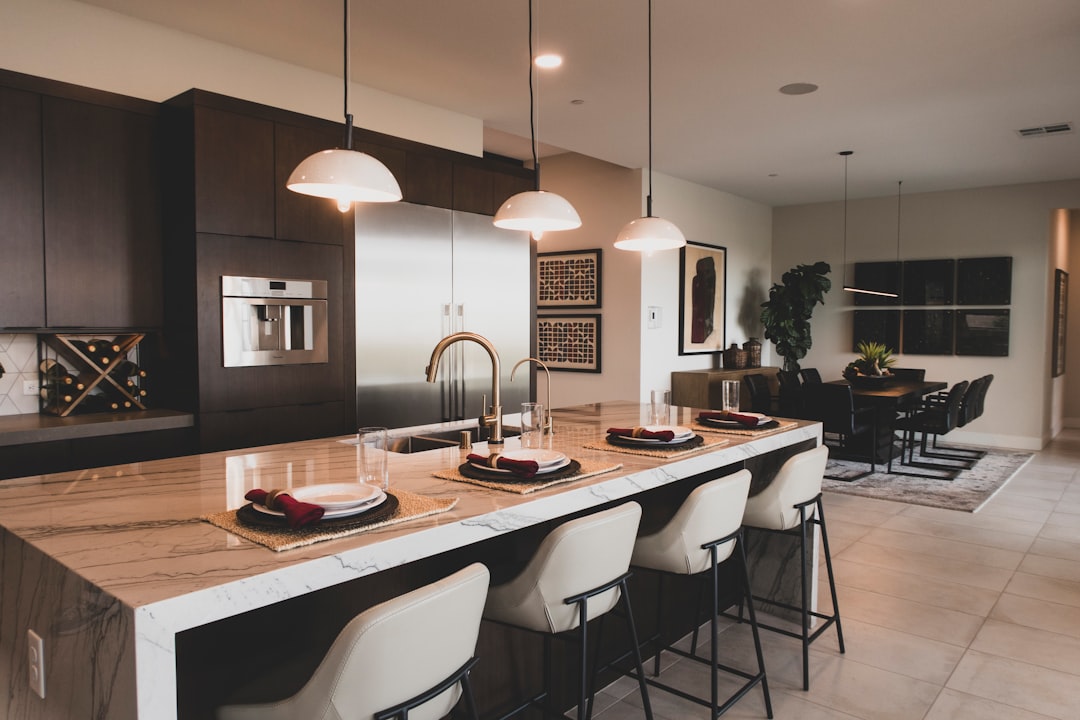
One design element we’re seeing phase out heading into 2026 is the waterfall island. While it once signaled a sleek, modern look, it’s become overdone and, depending on the material, can feel cold or one-dimensional. Today’s homeowners are looking for more warmth, personality, and visual interest in their spaces. We’re seeing a shift toward mixing materials like wood, metal, or natural stone to create depth and a more custom, personal feel. Kitchen designer Colleen Lettich Hyde notes that these monolithic surfaces lack the character that comes from thoughtfully combined materials.
Modern Farmhouse Aesthetic
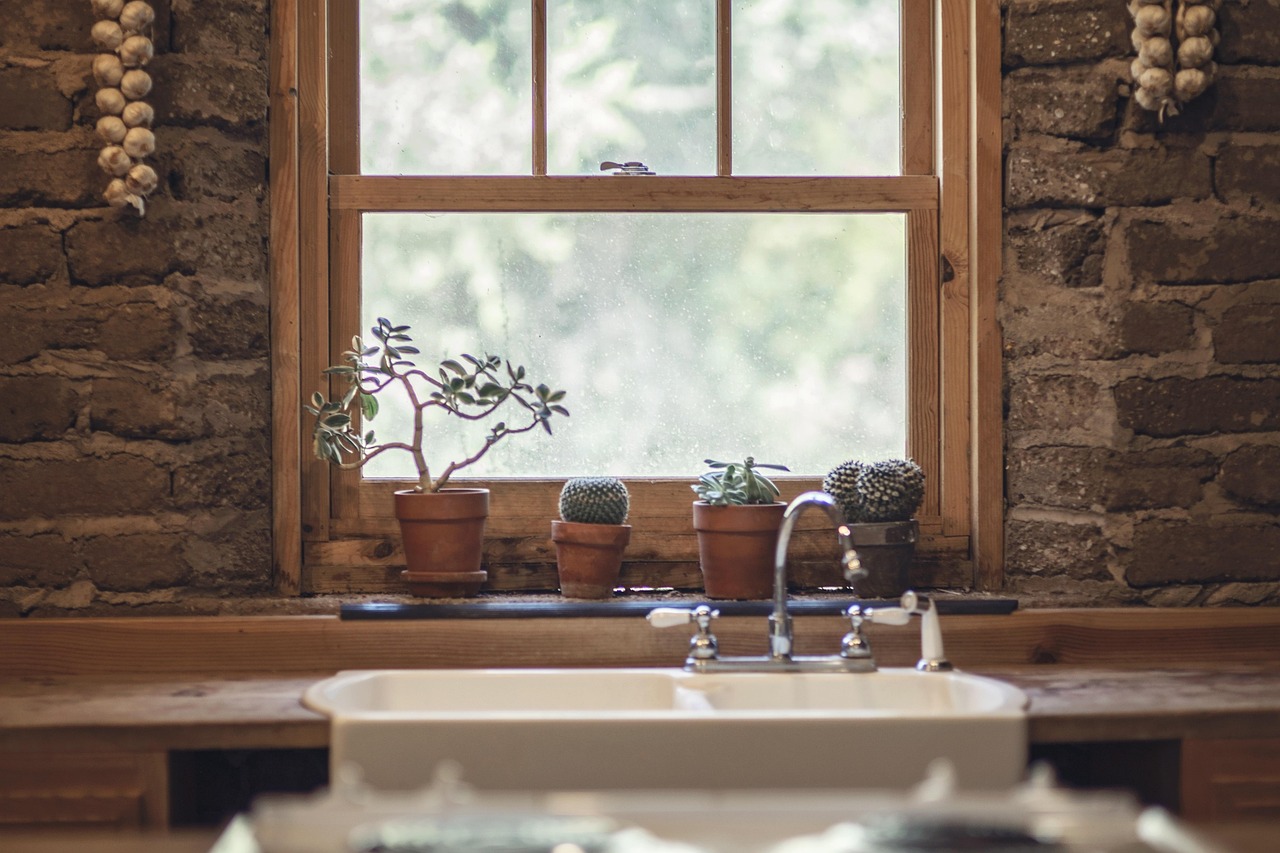
The modern farmhouse style will hopefully be officially out in 2026. Interiors and exteriors that are primarily in white and black are boring and look builder grade. Finishes and fixtures in black metal draw the eye to them, making them stand out as opposed to coordinate with the rest of the design elements in the home. The look doesn’t feel intentional. It feels lazy, and the result is a home that is beginning to look very dated, explains designer Liz Potarazu. The ubiquitous modern farmhouse aesthetic with its shiplap, barn doors, and rustic details is losing appeal. It’s being replaced by modern rustic or transitional styles that feel more refined and less themed.
Shiplap Wall Treatments
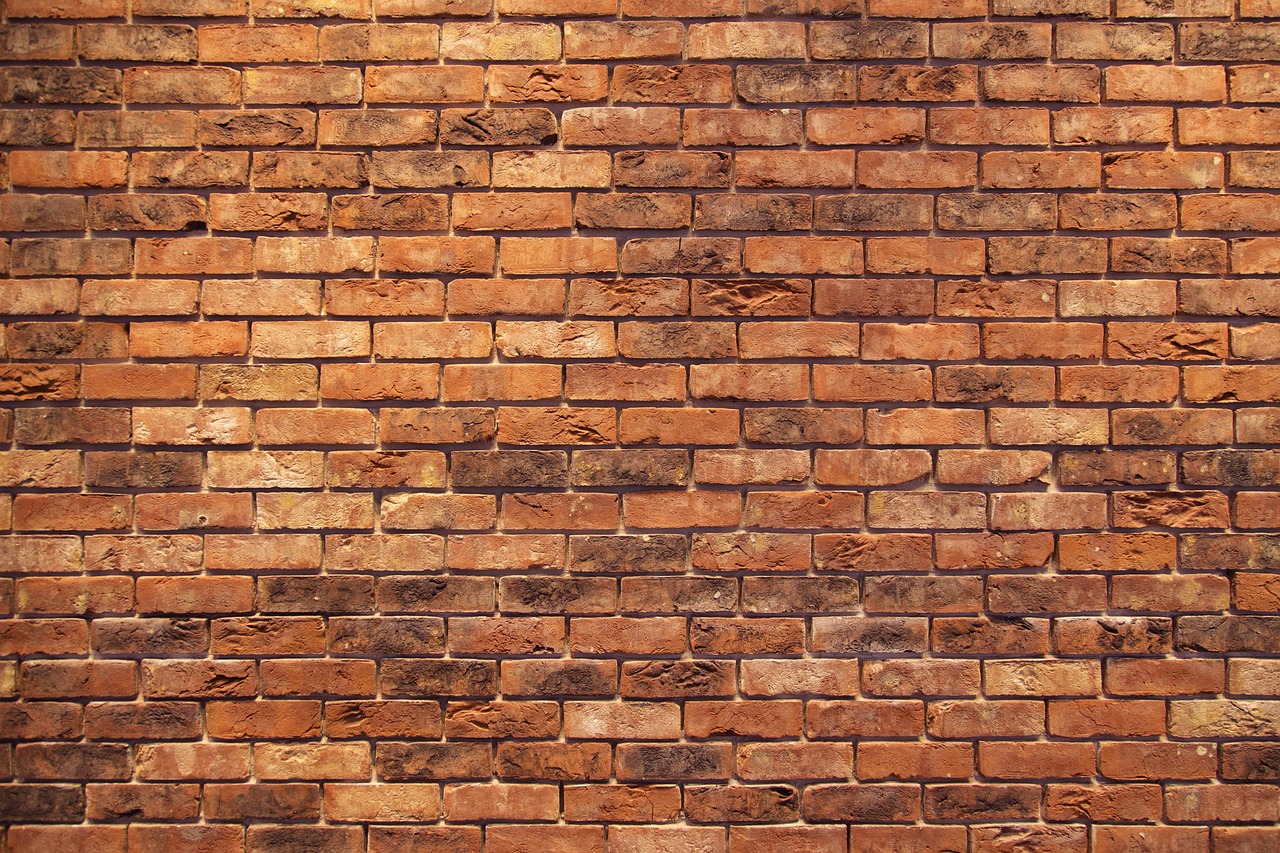
While this was a popular design feature for a while, shiplap is a trend designers aren’t loving in 2025. There are so many places I see shiplap being used, and it’s just so overplayed. Designer Yena Jung especially does not want a feature wall to be made with shiplap, saying the whole point of a feature wall is to make it special. The horizontal wood paneling became synonymous with the modern farmhouse trend, appearing on everything from kitchen islands to entire accent walls. Its overuse has made it feel more like a design cliché than a thoughtful architectural choice.
All-White Kitchen Designs
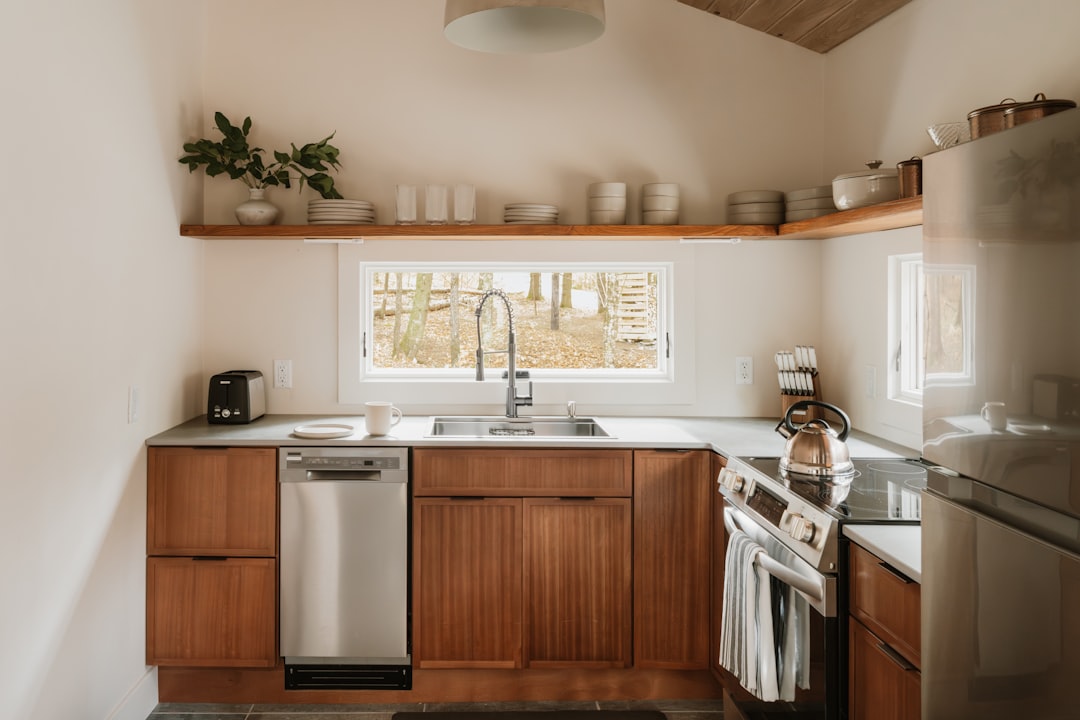
All-white kitchens are on their way out in 2026. Design is moving toward more layered, atmospheric spaces that embrace depth and warmth with deep greens, inky blues, and soft taupes, according to designer Corinne Ekle. Clients are moving beyond the stark all-white kitchen era and embracing rich, saturated cabinetry with earthy greens, marine blues, burgundies, and rich greige tones that bring a sense of coziness and dimension to a kitchen. Clients are craving more depth in colors and natural materials, with requests for crisp white walls and bouclé fabrics staying in the past as limewash, stone tables, and patterned fabrics take precedence.
Stark Minimalism
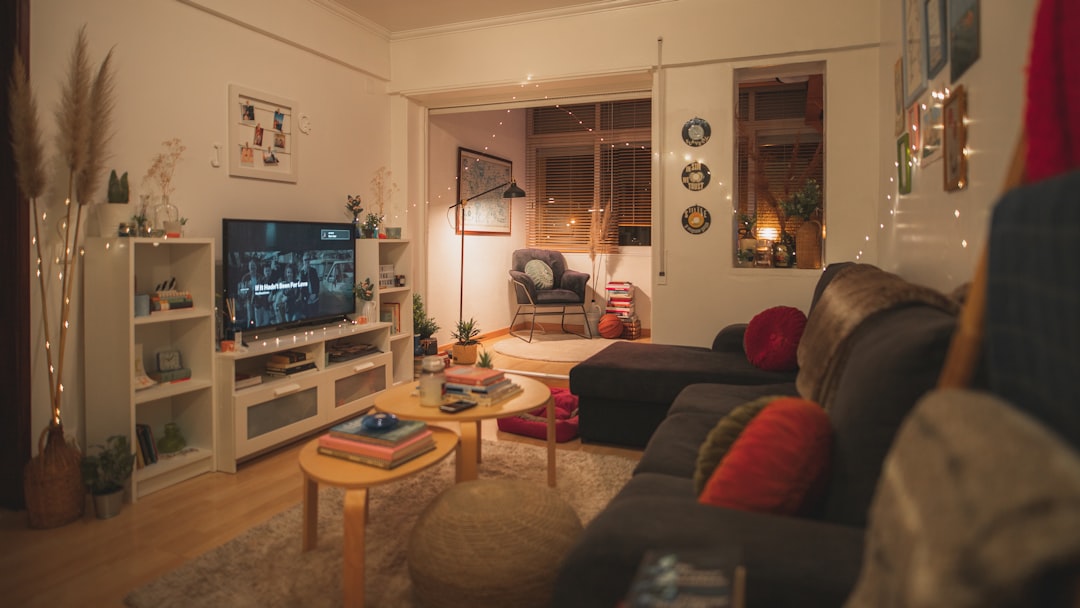
Stark minimalism, which dominated the 2010s, takes another step back to leave room for comfort and sensory experience. Minimalism will evolve into ‘warm minimalism,’ focusing on inviting textures instead of stark simplicity. Interior designer Taniya Nayak predicts that we’ll soon see a shift away from more novelty aesthetics that are hot for a moment but might not stick around too long. The cold, sterile environments that once defined modern minimalism are giving way to spaces that prioritize human comfort and emotional connection while maintaining clean lines.
Dedicated Home Office Spaces
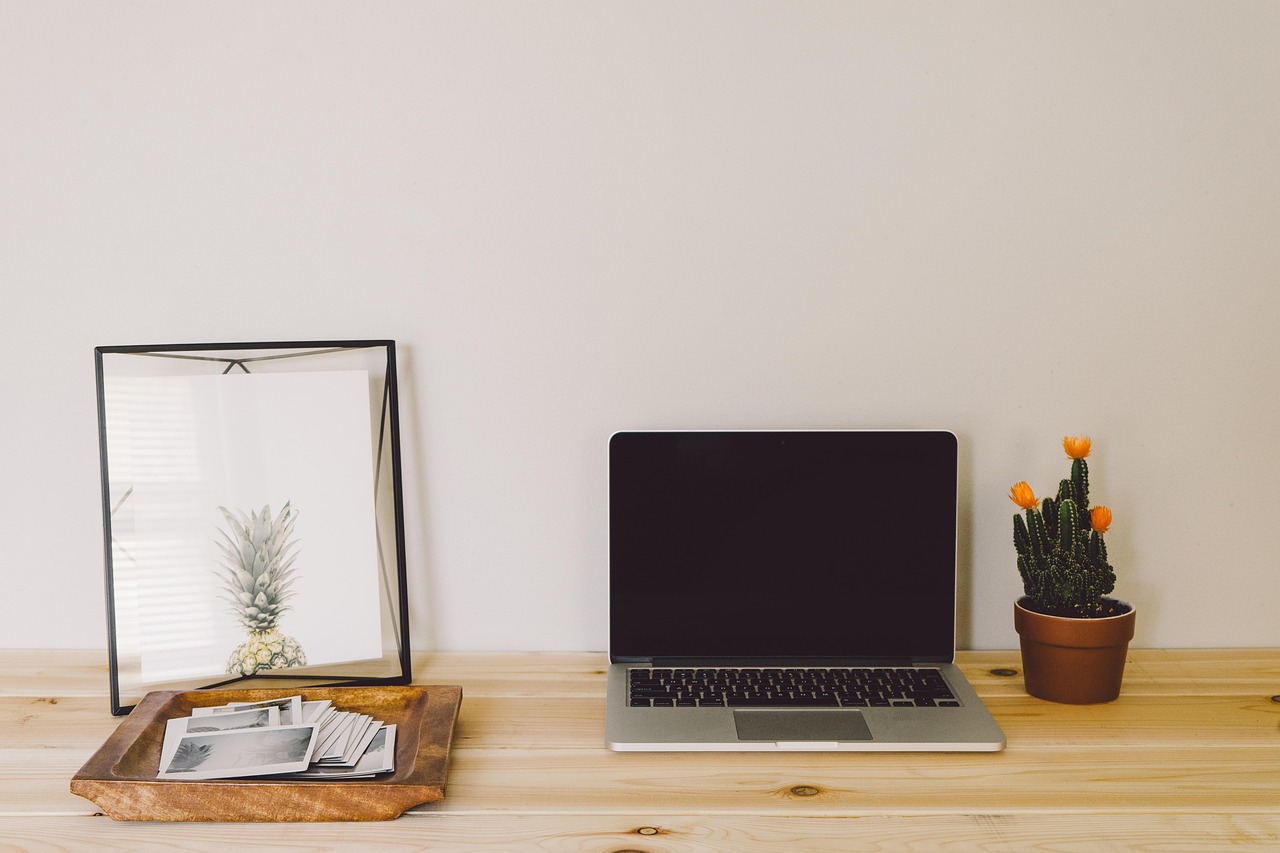
2025 marks five years since the 2020 pandemic upended daily life, and people are more than ready to part with its lingering relics. The era of home offices, it seems, is over. Only 13% of designers expect home office renovations to be their most requested projects in 2025, down from 32% in 2023, with Zoom rooms appearing in 34% fewer listings, according to industry reports. The single-purpose workspace room dissolves in favor of work zones distributed across rooms, with contemporary apartments thriving on functional workstation design ideas integrated into circulation paths or embedded within transitional thresholds.
Open Kitchen Shelving
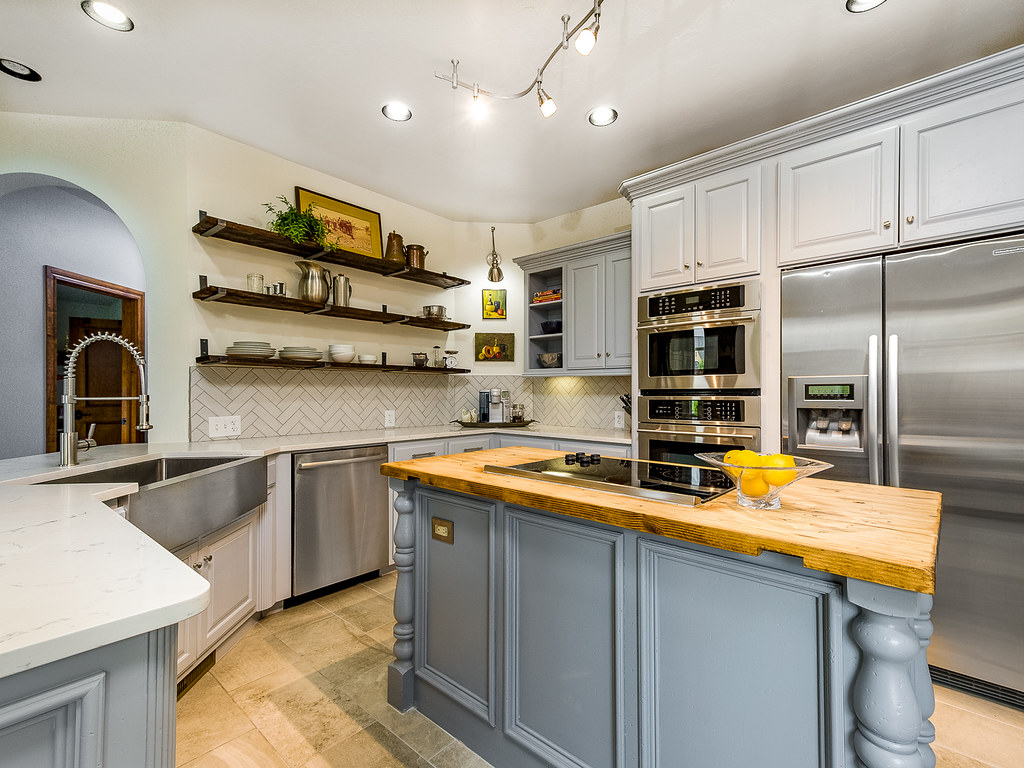
Designers are turning away from open shelving because the minimalist kitchen aesthetic featuring no upper cabinets with a single open shelf might seem stylish and create a clean, spacious feel, but it’s impractical. In 2026, function will triumph over form, particularly in the kitchen. Practical storage is a must-have for keeping things looking clean and stylish. The reality of daily kitchen use means that open shelving quickly becomes cluttered and requires constant maintenance to look presentable, making enclosed storage the more sensible choice for most homeowners.
Conclusion
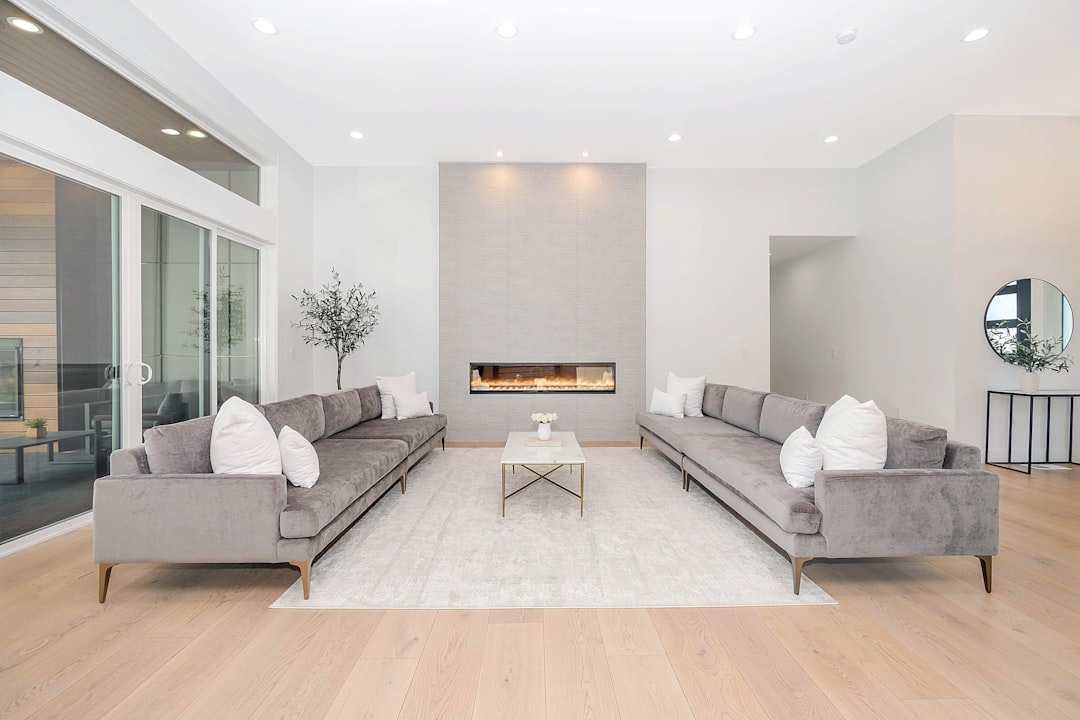
The design trends fading by 2026 share common threads of overexposure and impracticality. The future of design isn’t about playing it safe or clinging to trends of the past. It’s about storytelling, substance, and spaces that evolve with you, not just with the times. As we move forward, expect to see homes that prioritize personal expression over following prescribed formulas, spaces that blend functionality with authentic materials, and environments that support how we actually live rather than how we think we should live. What aspects of these fading trends have you experienced in your own home?