
Walking through a potential home for the first time is like speed dating for buyers. Those initial moments matter more than you might realize, and real estate agents know exactly what catches their attention right away. We talked to professionals who’ve watched thousands of buyers react to properties, and their observations paint a fascinating picture of human psychology in action.
Natural Light Levels Make or Break First Impressions

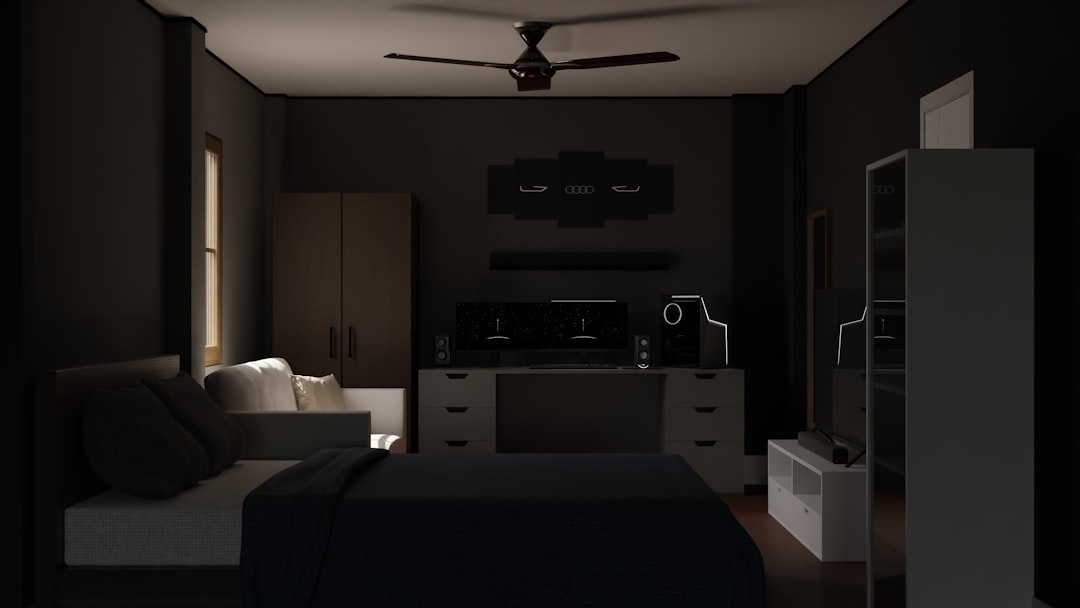
The first thing that buyers notice is the amount of natural light. A dark home seldom encourages a buyer to put in an offer. Real estate professionals consistently rank lighting as the absolute top priority for creating that magical first impression. Natural light is key. It’s one of the most desired features in a home. If the home is bright and airy, it just feels clear, open, and positive. Buyers subconsciously associate brightness with freshness and possibility, while dimly lit spaces trigger concerns about maintenance and age.
Kitchen Countertops Grab Attention Before Anything Else
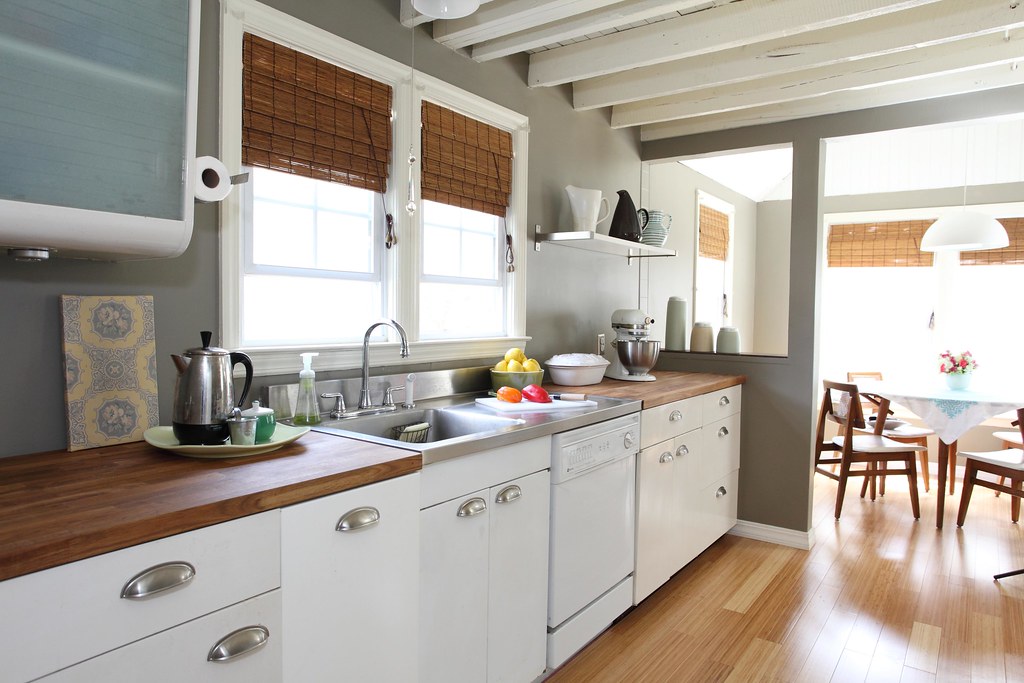
Countertops are often the first thing buyers notice when they step into a kitchen. They’re the visual centerpiece of the room, and when they look old, scuffed or mismatched, potential buyers will assume the entire home hasn’t been properly maintained. Kitchen spaces receive intense scrutiny since they represent both the heart of family life and a significant investment. Cabinets take up a large portion of visual space in the kitchen, which means buyers notice them right away. Even if everything in the home is worn out, worn cabinetry makes the space look dated and neglected.
Flooring Quality Sends Instant Messages About Home Care
Buyers often notice the flooring before anything else. Buyers form their first impressions within seconds, and damaged or outdated flooring can detract from your home’s overall value. Flooring is one of the first things realtors notice when walking through a home. Whether it’s warped hardwood, stained carpets, or mismatched materials throughout different rooms, flooring inconsistencies immediately signal potential maintenance issues and renovation costs to prospective buyers.
Damage and Disrepair Stand Out Like Red Flags

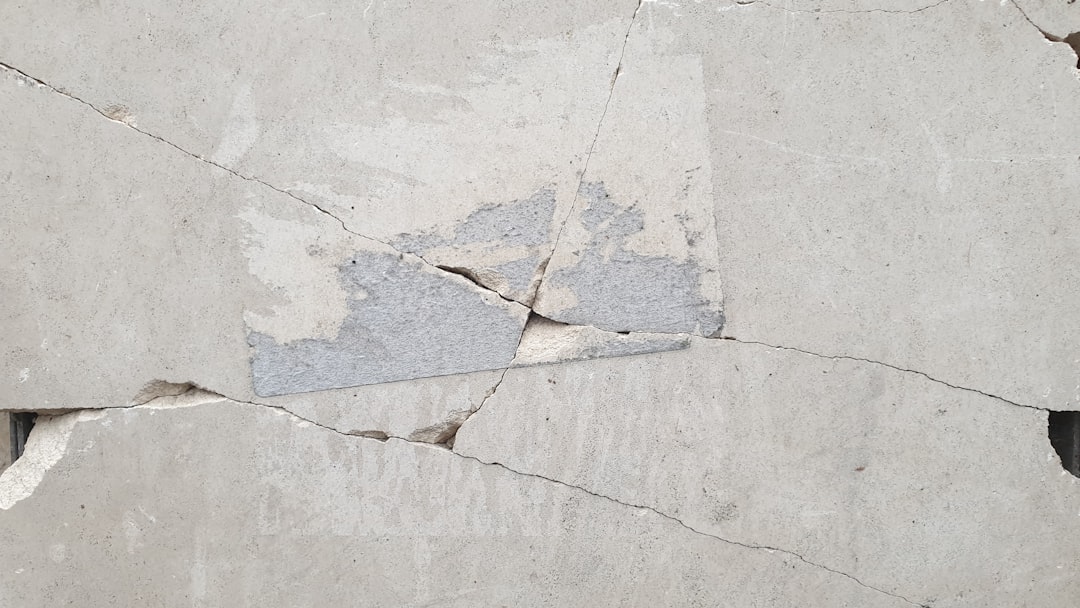
Buyers tend to almost immediately notice cracks, bad paint, broken or damaged tiles and the like. They also notice a dirty stove and untidy bathrooms. These visual imperfections might seem minor to homeowners who’ve grown accustomed to them, but buyers laser-focus on signs of deferred maintenance. While these may seem minor to the seller and might even be quite inexpensive to repair, the reality is that most buyers will look for an opportunity to discount the asking price. It is best not to give them any reasons to do so. Water damage indicators like brown stains, bubbling paint, or mildew odors particularly alarm potential purchasers.
Room Layout and Flow Create Emotional Responses

When looking at potential properties, buyers typically pay attention most closely to a home’s layout, natural light, and the size of rooms. Smart agents observe how buyers move through spaces and notice where they naturally gravitate or pause with confusion. Research shows that buyers appreciate open, flowing floor plans that allow for easy movement across common spaces and inspire a sense of connectivity within the home. Research suggests that buyers generally prefer contemporary open floor plans over traditional closed floor plans.
Bathroom Conditions Get Immediate Judgment Calls
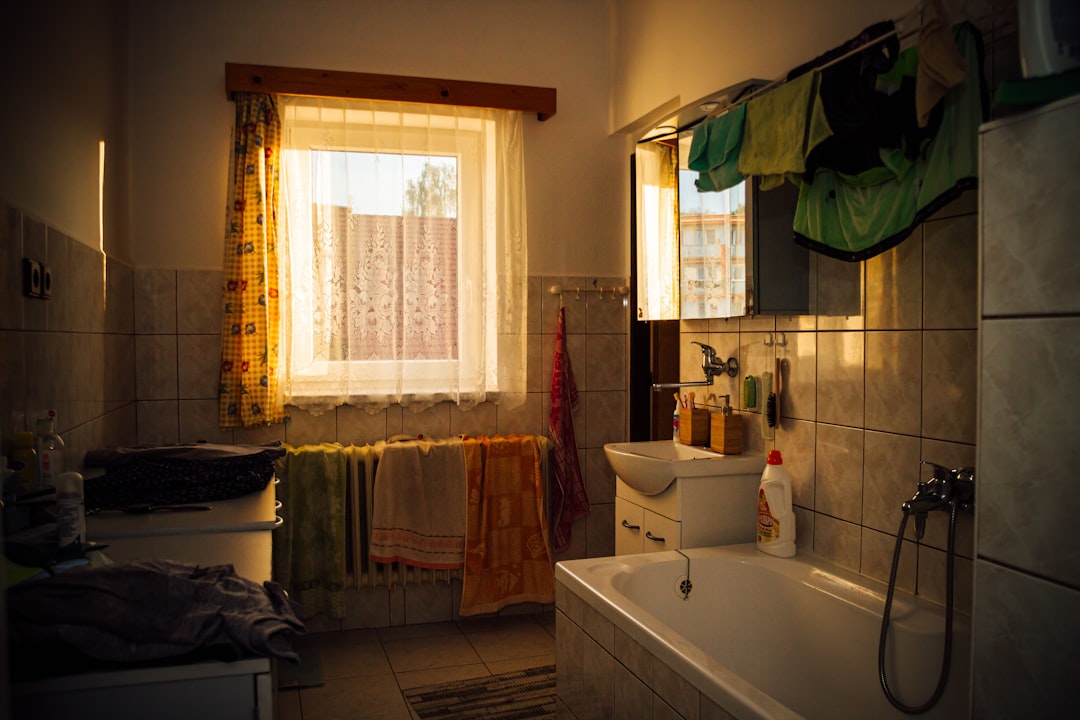
Dirty bathrooms are one of the first things potential homebuyers notice. Towels on the floor, overflowing laundry baskets, and hair in the tub can easily turn off potential home buyers. It gives them a bad impression of your home. Bathrooms represent intimate personal space, and buyers instinctively evaluate cleanliness standards as a reflection of overall home maintenance. Even minor details like outdated fixtures, poor lighting, or inadequate storage solutions register as negatives in those critical first moments.
Clutter and Personal Items Overwhelm Buyer Imagination
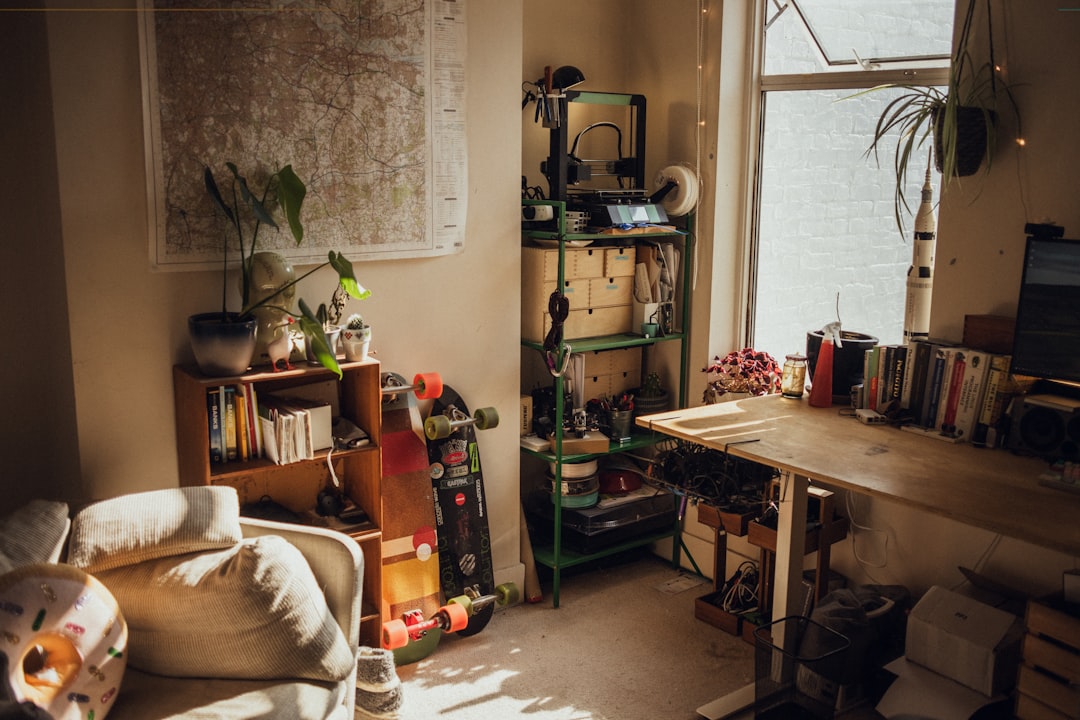
A cluttered home appears smaller than it actually is, and it makes it hard for buyers to envision the space as their own when they’re bombarded by you, you, you. Clear off your shelves and countertops as much as possible, and keep your walkways as open as possible. The bigger, brighter and airier your home feels, the better. Personal photographs, collections, and children’s artwork might feel warm to current residents, but they prevent buyers from mentally moving in. One of the first things homebuyers will notice when they are in your house is any signs of pets. They will see the pet toys lying around, the dog bed, or the dog bowl. Some homebuyers will be turned off by the fact that you have a pet and will not want to buy your house because of that.
Odors Create Lasting Negative Impressions
A clean and well-kept home usually also smells fresh. If there are any unpleasant odours, this will be off putting for a buyer. A lingering smell will make them uncomfortable, and they are likely to rush through the viewing and depart without indicating that they would like to put in an offer. Scent memories stick powerfully in human psychology, and unpleasant odors from cooking, pets, or moisture problems can overshadow every positive feature of a property. Real estate agents know that buyers often make subconscious decisions based on how a space smells within the first thirty seconds of entry.
Understanding what buyers notice immediately helps both sellers prepare their homes strategically and purchasers focus on what truly matters versus superficial fixes. First impressions count, and buyers often make up their minds within minutes of entering a property. These eight elements shape those crucial first moments when someone decides whether they can imagine calling a house their home. What surprised you most about buyer psychology? Share your own home tour experiences in the comments.