
Your fifties can feel like a crossroads for family relationships. The kids have likely grown and moved on with their own lives, yet the desire to maintain those precious connections feels stronger than ever. The number of people aged 65 years or older is projected to double within the next 20-30 years, with both a later onset of childbearing and a shorter span of years in which childbearing occurs, thereby extending the period parents live after their last child leaves home. This demographic shift makes strengthening family bonds more crucial than it’s ever been. Let’s dive into some truly surprising ways to bring your family closer together during this pivotal decade.
Create Intergenerational Learning Exchanges
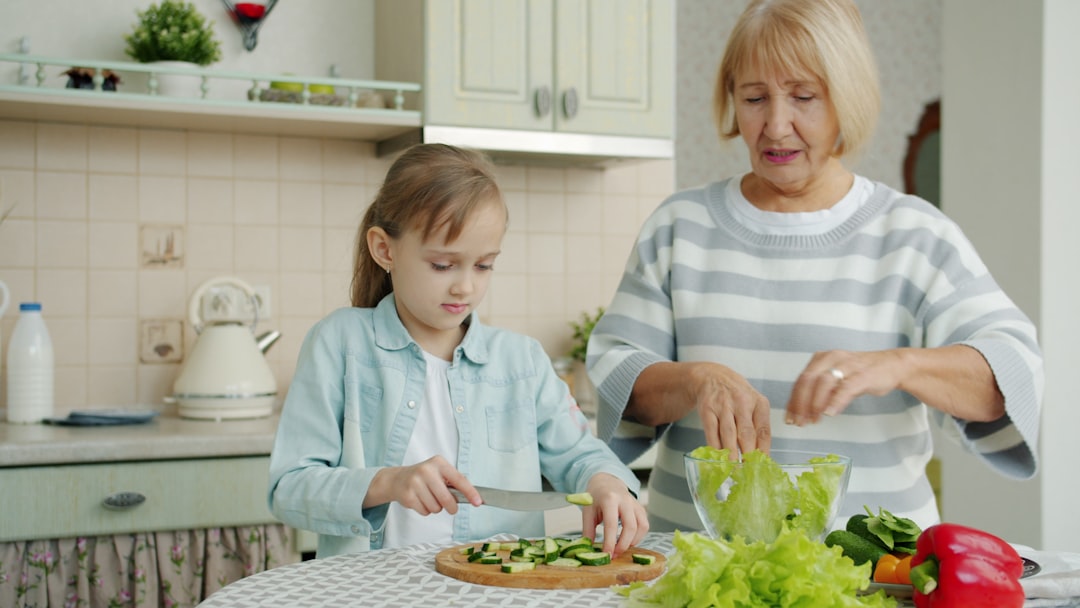
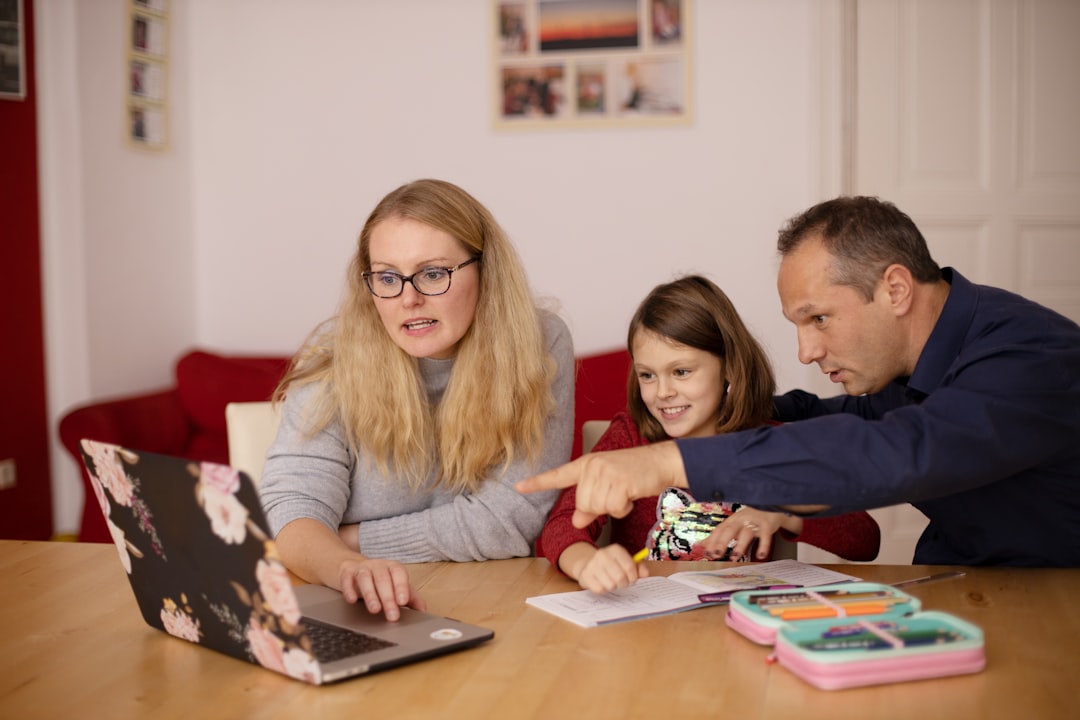
Instead of the typical “how was your day” conversations, establish regular learning sessions where different generations teach each other. Just as seniors can teach younger generations the skills and knowledge they have attained, younger people can be teachers as well, enhancing the lives of seniors by helping them increase their technology skills. Learning about technology can help seniors to stay connected to the world through social media, email, and the internet, and can keep their minds active and engaged.
Set up monthly “skill swaps” where your adult children teach you about new apps or social media platforms while you share your cooking secrets or woodworking techniques. This creates a beautiful reciprocal relationship where everyone has something valuable to contribute. The psychological benefits are remarkable for both generations involved.
Establish “Story Banking” Sessions

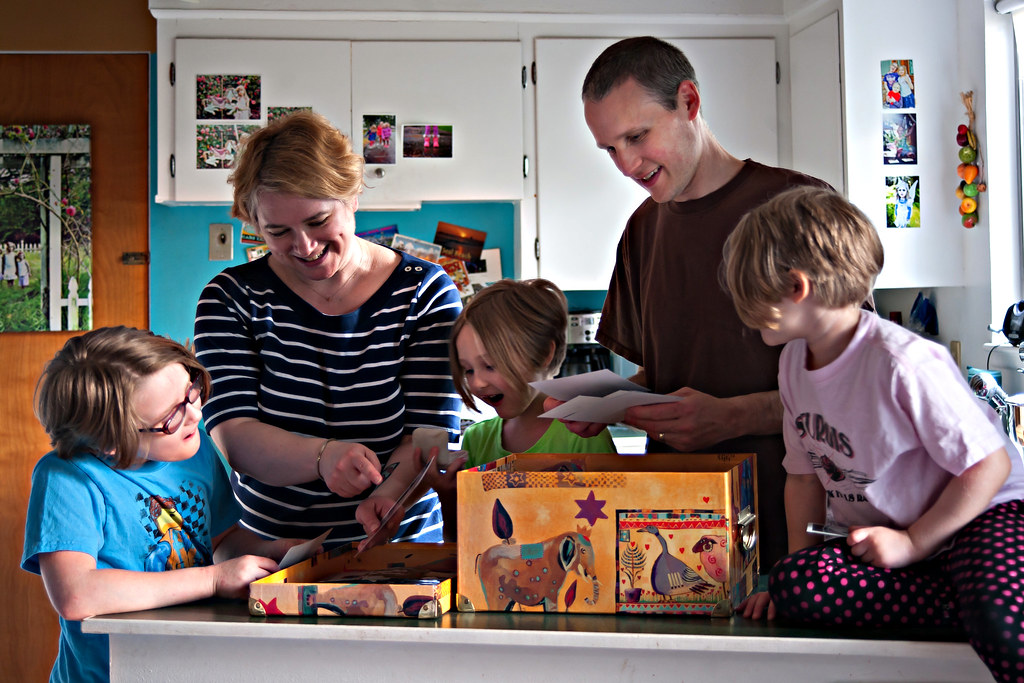
Moving beyond simple photo albums, create dedicated sessions where family stories get recorded and preserved. Are you searching for family bonding activities that offer a way to connect through history and shared stories? Seniors and the youngest family members can benefit from pulling out the albums and looking through old photos and videos together, keeping family tales and traditions alive through the generations.
Use voice recording apps to capture not just the stories themselves, but the laughter, the pauses, and the emotional nuances that make these memories truly alive. These sessions become treasure troves for future generations while creating incredibly intimate bonding moments in the present.
Consider involving grandchildren in these sessions too. Research shows how powerful these connections can be across multiple generations, creating lasting impacts on family unity.
Transform Household Projects into Bonding Rituals
Turn mundane home maintenance into meaningful family time. Does a family member need a room re-painted or have a deck that needs power-washed and stained? A DIY project is an excellent reason to bring the whole group together. This isn’t about getting free labor from your kids; it’s about working side by side toward a common goal.
The conversations that happen while painting walls or organizing garages often become the most memorable. There’s something about having your hands busy that makes deeper, more honest communication flow naturally. These projects create tangible results you’ll see every day, constant reminders of the time spent together.
Design Family-Specific Gratitude Practices
Move beyond generic thankfulness exercises to create gratitude practices tailored specifically to your family’s dynamics. Gratitude encourages positivity, emotional awareness, and a supportive environment. Pick weekly themes, like “Things in Nature,” “People Who Help Us,” or “New Skills We Learned.” This keeps the practice fresh and encourages deeper reflection.
Create a family gratitude jar where members contribute notes throughout the week, then read them together during Sunday dinners. The themes can rotate based on family interests or current events, making each session feel fresh and relevant rather than routine.
Cultivate Shared Cultural Explorations
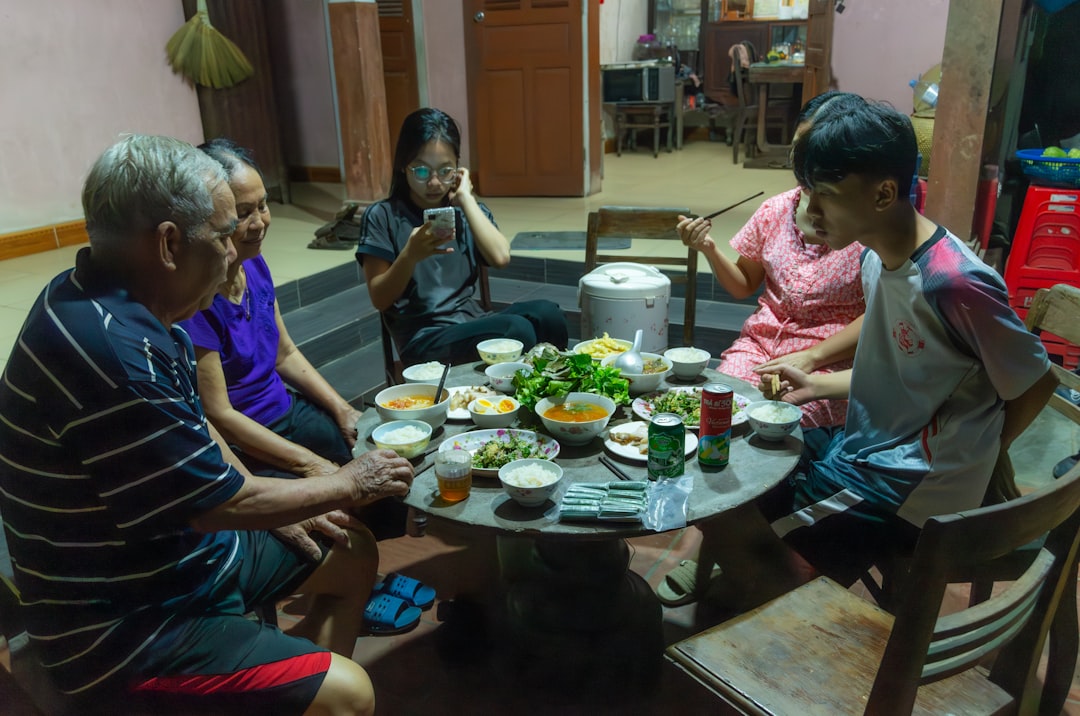
Expand your family’s worldview together through deliberate cultural immersion. Once a month, pick a cuisine from a different culture. Discuss traditions and learn greetings or fun facts about that place, which builds cultural awareness and respect. This goes far deeper than simply trying new restaurants.
Plan entire evenings around exploring different cultures: learn basic phrases, understand historical contexts, and even connect with people from those cultures in your community. This shared learning creates common references and experiences that bind families together in unexpected ways.
The beauty lies in how these explorations spark conversations about values, differences, and the wider world around us.
Develop Collaborative Creative Projects
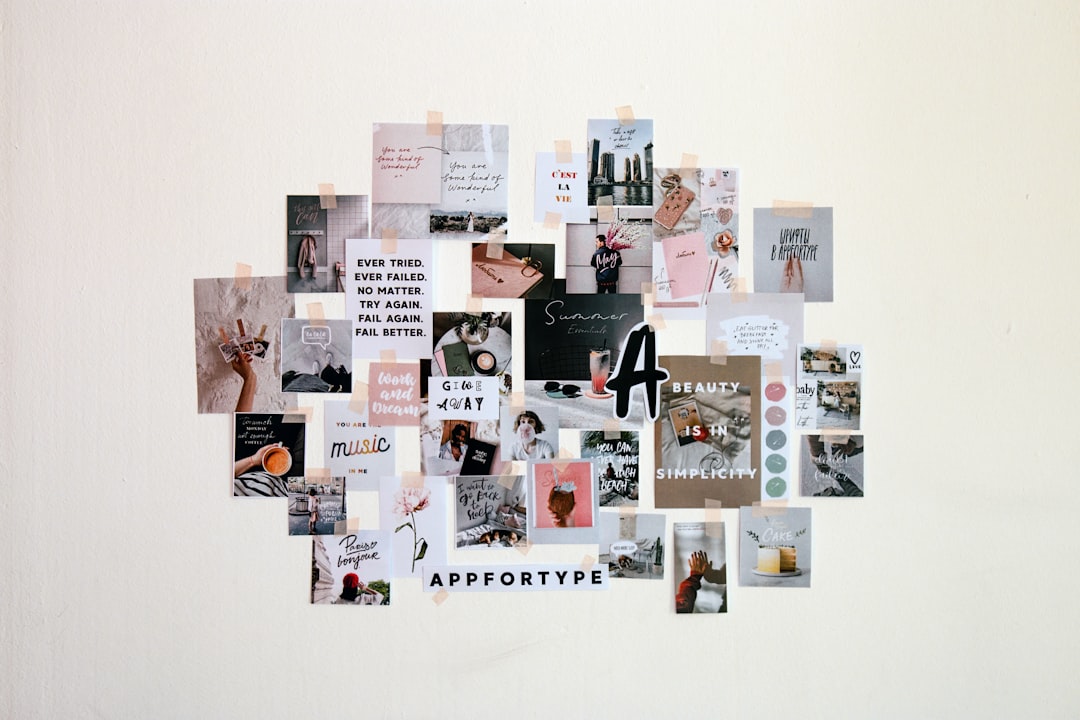
Engage in long-term creative endeavors that require ongoing collaboration. Choose a theme (e.g., “Our Hopes and Dreams”) and gather magazines, newspapers, and stickers. Each person cuts or draws images that represent their personal aspirations, then you assemble them into a large collage.
Consider projects that span months rather than hours: collaborative novels where each family member writes chapters, family documentary projects, or even planning and producing a small community event together. These extended collaborations create multiple touchpoints for connection and give everyone ownership in the outcome.
The process becomes more important than the final product, with each planning session and creative decision becoming an opportunity for deeper bonding.
Institute Regular “Life Review” Conversations
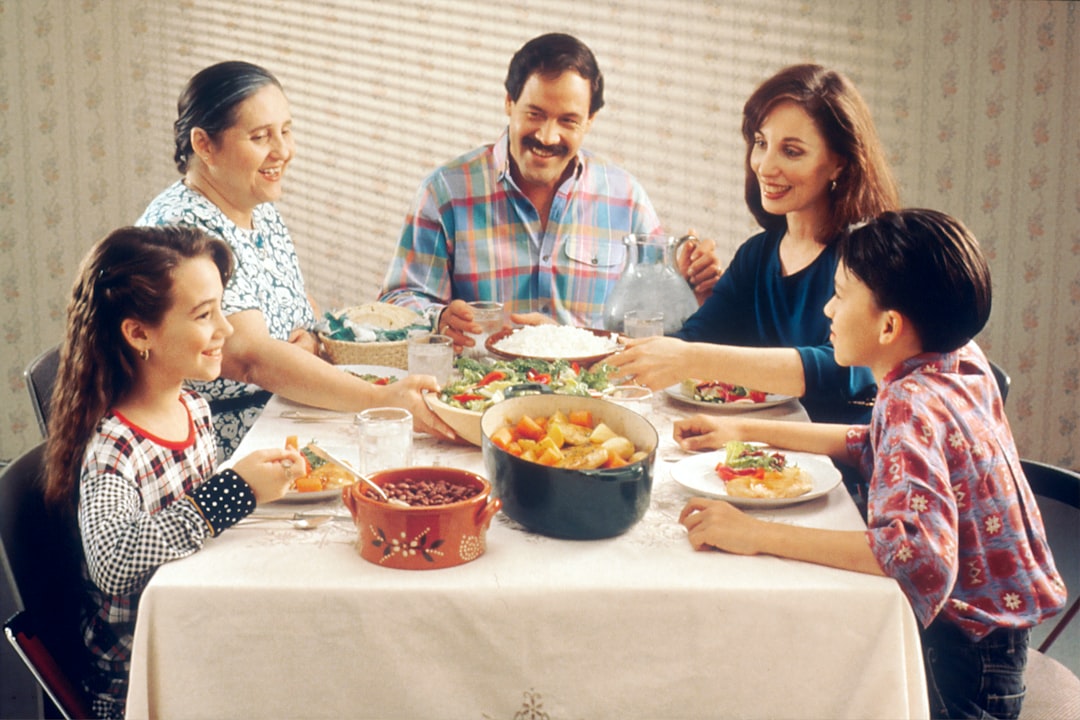
Create structured opportunities for family members to reflect on and share life changes, challenges, and growth. Unlike casual catch-ups, these conversations have depth and intentionality. The postparental period may relieve stress for collectivistic parents while allowing them to gain a sense of interdependence and well-being given that their children are obligated to maintain strong familial bonds and care for parents in return.
Schedule quarterly “life review” dinners where each person shares their biggest challenge, greatest growth area, and something they’re looking forward to. This creates a safe space for vulnerability and mutual support that goes beyond surface-level family interaction.
These conversations help family members understand each other as complex, evolving individuals rather than fixed roles within the family structure.
Create Legacy Projects Together
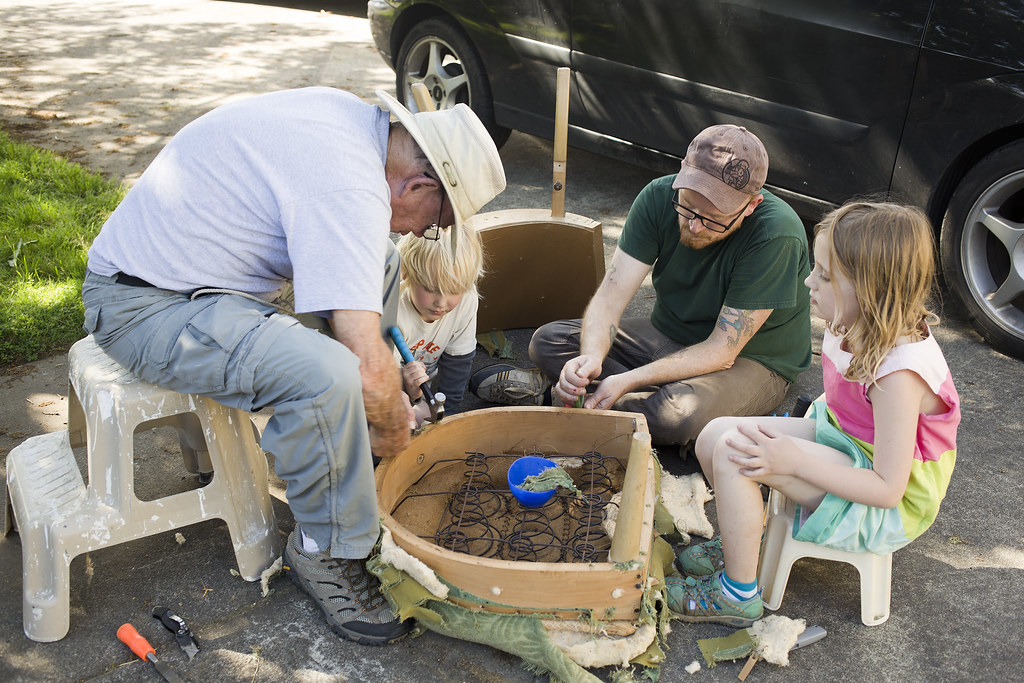
Work together on projects that will outlast your immediate family and benefit others. When seniors act as mentors to younger generations, they gain a sense that their life still has importance, and that they have valuable experiences, skills, and wisdom to pass on to the next generation. Whether they are tutoring, volunteering at a nonprofit organization, or spending time with their grandchildren, they feel a sense of purpose and that their life has meaning.
Consider establishing scholarship funds, community garden projects, or mentorship programs that multiple generations can contribute to and manage together. These projects create shared meaning that extends beyond the family unit while strengthening bonds within it.
The act of working toward something larger than yourselves creates a profound sense of shared purpose that can transform family dynamics. Plus, you’re modeling values-based living for younger family members in ways that lectures never could.
Research consistently shows that families benefit significantly when they engage in structured bonding activities across generations. Your fifties present a unique opportunity to deepen these connections before time makes them more challenging to maintain.
The key isn’t just spending time together but creating meaningful, intentional experiences that honor everyone’s growth and contributions. What aspect of family bonding are you most excited to explore first?