
The Handshake: From Universal Greeting to Cultural Minefield

The handshake, once considered the gold standard of international greetings, has become surprisingly complex. Research has shown significant cultural differences in how Americans and people from various Asian cultures interpret and perform gestures. What Americans consider a proper firm grip can be seen as aggressive in many Asian cultures.
In Middle Eastern countries, handshakes are much softer, where a firm handshake is considered rude. In some countries such as Turkey or the Arabic-speaking Middle East, handshakes are not as firm as in the West, and consequently, a grip that is too firm is rude. Meanwhile, in Japan, the handshake is traditionally limp with little or no eye contact made.
The gender dynamics around handshakes have also shifted dramatically. In Saudi Arabia, you can shake a man’s hand after meeting him but you cannot shake a woman’s hand at all in greeting, as under Sharia Laws, it is immoral for a woman to greet any man in public other than her husband.
Thumbs Up: From Approval to Deep Insult
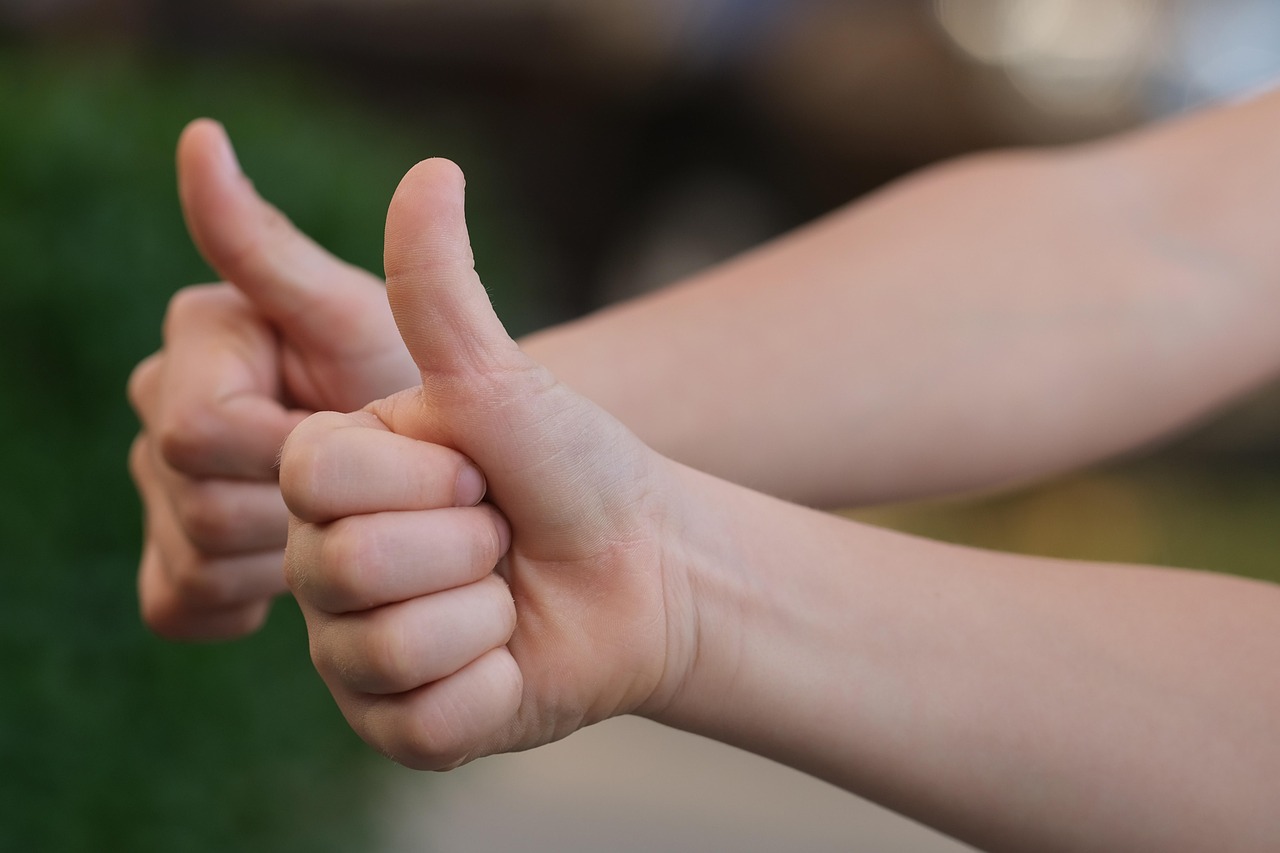
While in the United States, a thumbs-up gesture is a sign of approval, in several countries in West Africa and the Middle East, a thumbs-up has a negative connotation. This transformation has caught many travelers off guard, particularly as social media has made the thumbs-up emoji ubiquitous worldwide.
Linguistic research indicates that the thumbs-up gesture can have negative connotations in various parts of the Americas and other regions, sometimes carrying offensive meanings similar to other insulting gestures. In Iraq, giving someone a thumbs up is probably worse than giving someone the middle finger in the west and might be more similar to the forearm jerk.
The shift has been so dramatic that even younger generations are becoming aware of these cultural landmines. When Gen Z officially came out against the thumbs-up emoji, it got many thinking about the thumbs-up gesture itself, which remains an innocuous sign of affirmation in the United States but is one of the most notoriously rude hand gestures around the world.
The OK Sign: When Agreement Becomes Offensive
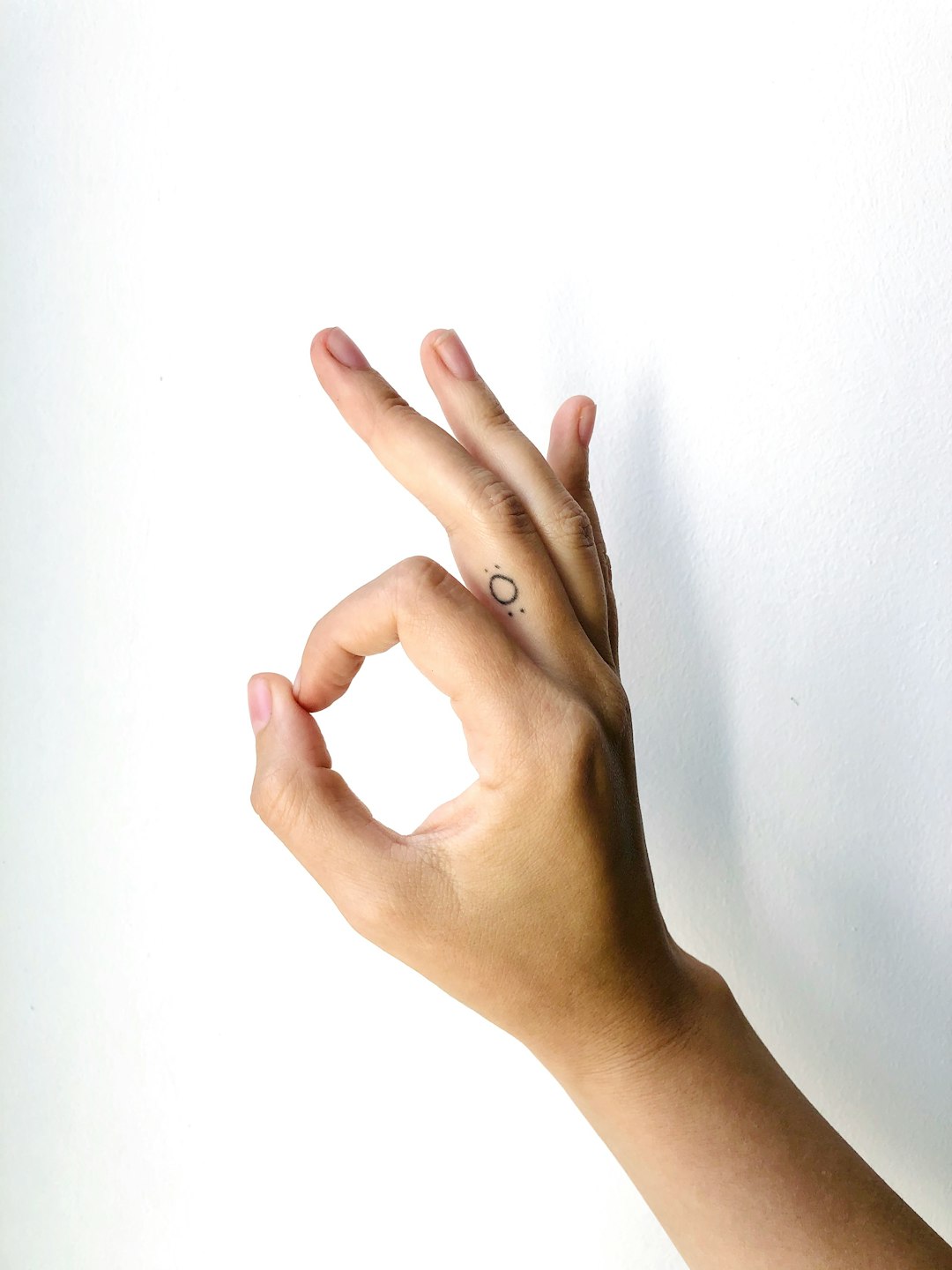
The circular gesture made with thumb and forefinger might seem like a universal symbol of approval, but cultural studies reveal a different story. In Brazil, this gesture is the equivalent of using your middle finger in America, and the OK hand gesture is also taken as an insult in most Latin American countries, Austria and France.
In the United States, the “OK” sign is a universal symbol of approval, but in other countries, such as Brazil, France, and Germany, the same gesture can be considered offensive and can mean “you’re a big zero” or “you’re a real loser”. There are reports of diplomatic incidents involving misunderstood OK gestures, though some specific accounts remain unverified.
The ‘OK’ sign in Greece, Spain or Brazil means you are calling someone an a**hole, and in Turkey, it’s meant to be an insult towards gay people. Modern cultural awareness campaigns now warn international business travelers about these potential misunderstandings.
Peace Sign: Victory, Peace, or Insult Depending on Direction

The V-sign’s meaning has undergone multiple transformations throughout history. Roughly two decades before members of the counterculture and activists against the Vietnam War adopted the V-sign in the 1960s, it represented victory for the Allied powers during World War II, but how did the V-sign go from meaning “victory” to “peace”?
American hippies took the ‘V’ for ‘Victory’ symbol and converted it into a more general ‘peace’ sign that conveyed the hope that the war in Vietnam would end rather than be ‘won’. However, the palm direction matters crucially. In the U.K., the palm-facing-inward version is known by some as the British middle finger.
The “V” sign with the palm facing outward was popularized by Winston Churchill during World War Two as meaning “V for Victory,” but by the 1960s and the Vietnam War, the hippie movement in America transformed the gesture to mean “peace,” while in the UK, Australia, and New Zealand, that same gesture with the palm facing inward can be considered offensive and mean “up yours”.
Pointing: From Direction to Disrespect
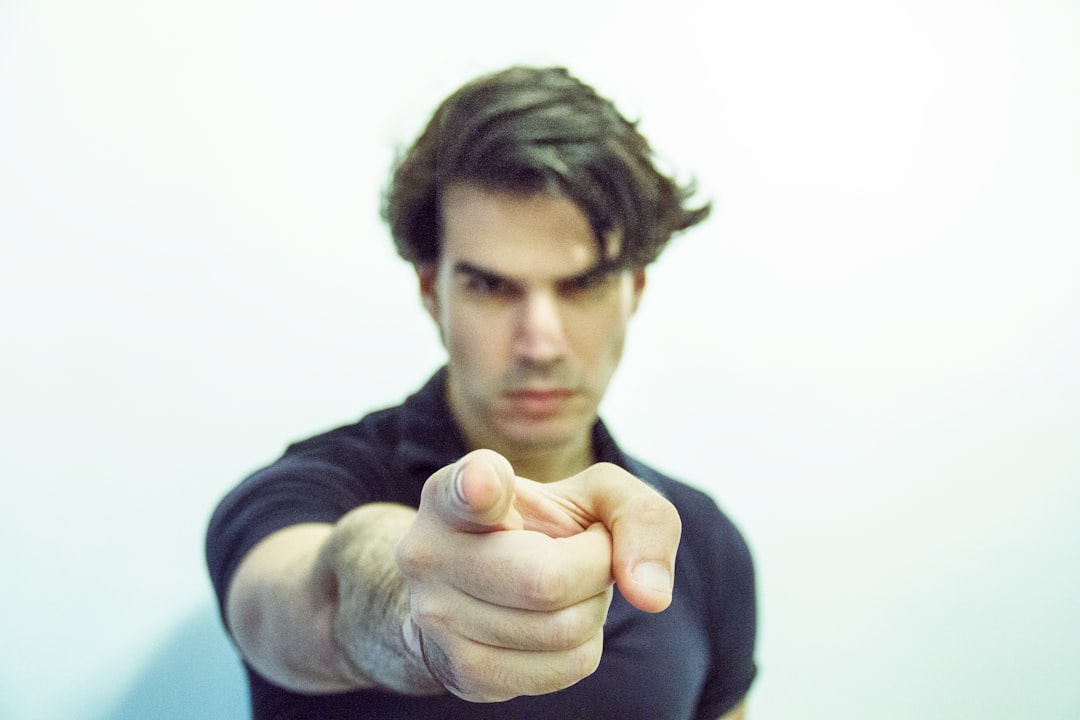
The simple act of pointing has become increasingly problematic across cultures. Pointing at a person or object with your index finger while saying “that” or “this” is considered rude, and if you must indicate something or someone, it’s more polite to extend your hand with your palm facing upwards and use your whole hand rather than just a finger.
Curling the index finger with the palm facing up is considered rude in China, East Asia, Malaysia, Singapore, the Philippines, and many other parts of the world, and it’s also considered extremely impolite to use this gesture with people as it is used only to beckon dogs in many Asian countries – and using it in the Philippines is considered highly offensive and disrespectful.
In some cultures, such as Greece, Russia, and the Middle East, holding up the index finger is considered rude and can be interpreted as an insult or a threat, equivalent to giving someone the middle finger in America. This has led to awkward misunderstandings in international business meetings and social gatherings.
Waving: From Hello to Hostile

Even the innocent wave goodbye has developed problematic connotations in certain regions. The hand wave in China has a significantly stronger meaning and is often used to break up relationships and friendships, especially in chat apps, while in South Korea, waving your hand at someone with your palm facing outward is a way to beckon dogs and other animals and will be considered very rude if aimed at a person, and even more insulting would be using this gesture in Pakistan, where it’s perceived as a string of imaginative curses hurled at someone.
This transformation has been particularly challenging for international travelers who might unknowingly cause offense with what they consider a friendly farewell. Cultural sensitivity training now specifically addresses these regional differences in seemingly universal gestures.
Number Gestures: Counting Chaos Across Cultures
In Chinese culture, one hand can represent digits above five, while in American culture an individual can only represent numbers one to five using one hand. This fundamental difference in counting systems has created confusion in international contexts.
Researchers could fairly accurately separate British people and US Americans from French, Greek, and German people based on a simple counting gesture – Americans and Brits start counting on their index finger and end with five on their thumb, while other Europeans start counting on their thumb.
These differences have practical implications in business settings, restaurants, and shopping scenarios where numerical gestures might be misinterpreted, leading to confusion or offense.
Head Gestures: Nodding Doesn’t Always Mean Yes

In some parts of India, people tilt their head from side to side to confirm something and demonstrate that they are actively listening, with the side-to-side head movement originating from British occupation, as the occupied Indian people were afraid to ever gesture ‘no’ to soldiers but wanted to show signs of understanding.
Head nodding can mean “yes,” “no” or “maybe,” depending on cultural context. This has created significant misunderstandings in international business negotiations and social interactions where assumptions about universal head gestures proved wrong.
These variations in head gestures demonstrate how even the most basic non-verbal communications have been shaped by historical and cultural forces in ways that continue to influence modern interactions.
Touch and Physical Contact: The Shifting Boundaries
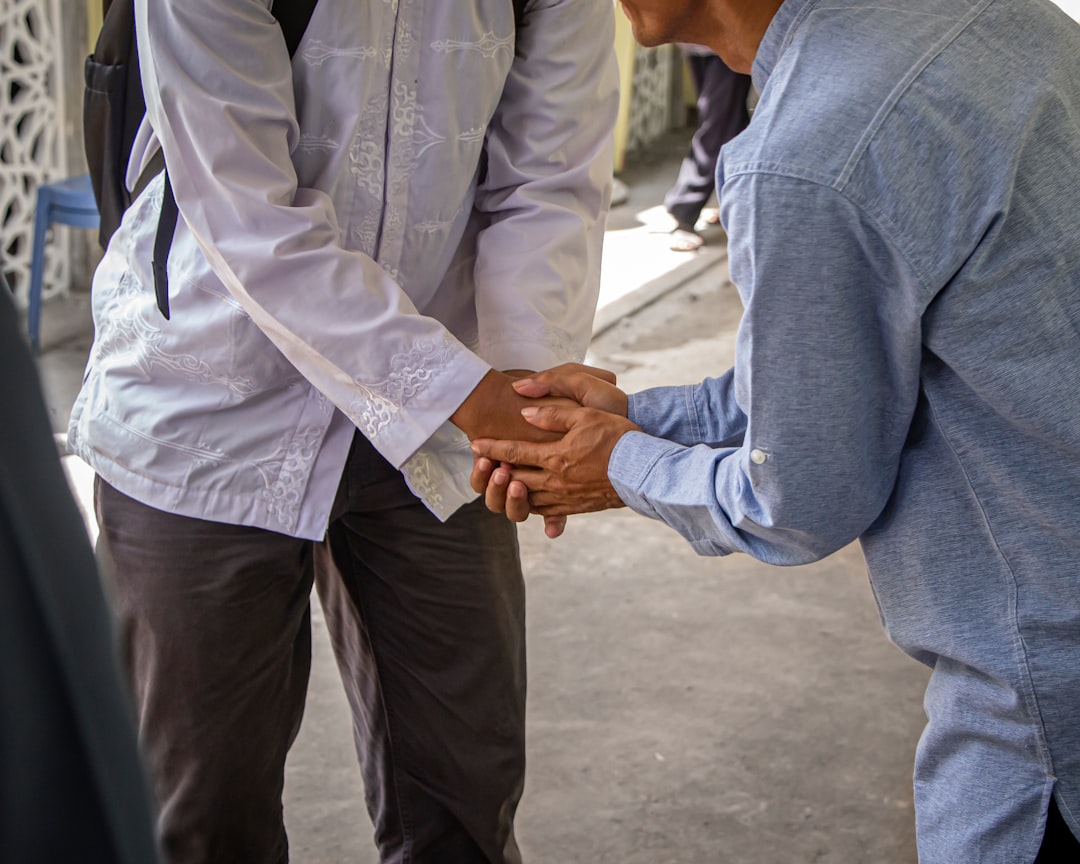
Northern Europe and the Far East are classed as non-contact cultures where there is very little physical contact beyond a handshake with people we don’t know well, and even accidentally brushing someone’s arm on the street warrants an apology.
By comparison, in the high-contact cultures of the Middle East, Latin America, and southern Europe, physical touch is a big part of socialising. In much of the Arab world, men hold hands and kiss each other in greeting, but would never do the same with a woman, while in Thailand and Laos, it is taboo to touch anyone’s head, even children, and in South Korea, elders can touch younger people with force when trying to get through a crowd, but younger people can’t do the same.
These cultural boundaries around touch have become more complex in our globalized world, where people from different touch cultures increasingly interact in professional and social settings.
Digital Age Transformation of Gesture Meanings

Hate groups have appropriated the okay sign, which renders it increasingly unusable, and based on contemporary social settings, many feel that 2021 may be time for the bilateral handshake as folk gesture to wane for good.
The forces of globalization and technology have exposed people worldwide to gestures used in popular media, and through the greater availability globally of North American television shows and movies, as well as the popularity of social media such as Facebook and YouTube, some North American gestures, such as those for greeting and departure, have become familiar in many other cultures.
Social media has accelerated the spread of gesture meanings but also their misinterpretation. The rapid global exchange of images and videos means that gestures can quickly gain new meanings or lose old ones, creating a constantly shifting landscape of non-verbal communication that requires ongoing cultural awareness.