
The Trash Can Time Trap

Here’s one that catches almost everyone. It might be against the rules to put trash cans out too early or not bring them in by a certain time, since they can attract pests and detract from the community’s appearance. Most homeowners think they’re being responsible by putting their bins out the night before pickup day.
Wrong move. Many HOAs have strict windows for when trash containers can be visible from the street. Some communities allow bins out only after 6 PM the evening before collection and require them back by 8 PM on pickup day.
Many HOAs have stringent rules regarding the placement of trash and recycle bins, as having trash accessible and outside during non-pickup hours can lead to a negative experience for other homeowners. The fines? They can range from fifty dollars to several hundred for repeat offenses.
The real kicker is that homeowners in an HOA can get into trouble for throwing certain items into community dumpsters, like furniture or boxes that haven’t been broken down. Your innocent cardboard box could become a costly mistake.
Holiday Decoration Duration Disasters

A common rule is removing the decorations within 20 days of the holiday. (Which, coincidentally, gives the homeowner time to plan their Thanksgiving décor!) That cheerful Halloween skeleton still hanging in February? You’re probably looking at a fine.
Most communities have specific timeframes for when decorations can go up and must come down. Christmas lights might be allowed starting December 1st but must be removed by January 15th. Halloween decorations often have even shorter windows.
Rules often dictate when decorations can go up and must be taken down, and some HOAs even regulate the size and type of decorations permitted. That giant inflatable Santa could violate size restrictions you never knew existed.
The holidays are a time for celebrations, but that doesn’t necessarily mean “the louder, the better.” That’s why your HOA board might want to consider rules about decorations with accompanying noise. A lot of decorations make noise – from cackling witches to singing Santas. And, for the most part, these kinds of decorations are fine, provided they only make noise during the appropriate times.
The Mailbox Color Catastrophe

Think you can paint your mailbox any color you want? Think again. Most homeowner’s covenants, codes, and restrictions (CC&R) include stipulations about: exterior paint colors, sheds and outbuildings, mailboxes, landscaping, play structures (ex: swing sets, basketball hoops, trampolines), and pets.
Many HOAs require mailboxes to match approved color schemes or specific styles. That bright red mailbox you love might clash with the community’s aesthetic standards. Some neighborhoods even require identical mailbox models for every home.
The approval process can be lengthy too. Most homeowners associations require members to get approval for any hardscapes or fences. The approval process works largely in the same way as the architectural application process. This often applies to mailbox changes as well.
Even decorating your mailbox can be problematic. While federal property laws allow basic seasonal decorations, your HOA might have stricter guidelines about what’s considered appropriate community aesthetics.
Vehicle Type Violations You Never Saw Coming
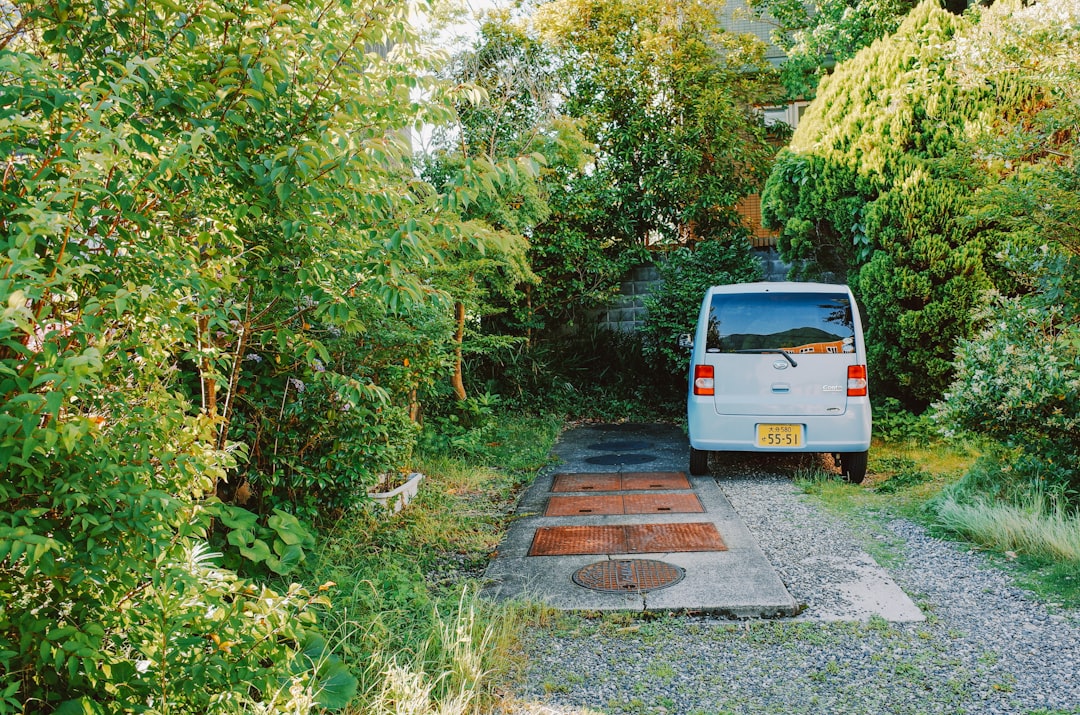
HOAs often limit how many and what type of motor vehicles (RVs, boats and commercial vehicles, for example) can be kept on the property. That pickup truck with your company logo could be considered a commercial vehicle.
The definition of commercial vehicles is broader than most homeowners realize. Work vans, trucks with business decals, and even vehicles used for rideshare services can fall under these restrictions. Some communities prohibit parking them in driveways or on streets overnight.
In addition, your HOA will most likely have rules about parking boats, commercial vehicles, or RVs in the driveway or the street. Check to see if you need a permit in your community to keep one of these vehicles on the street for an extended amount of time to avoid violating the rules.
HOAs commonly regulate the number and types of vehicles allowed on a property. Restrictions may apply to recreational vehicles, boats, and commercial trucks. That weekend fishing boat in your driveway might need special approval or designated storage.
Fence Height Follies
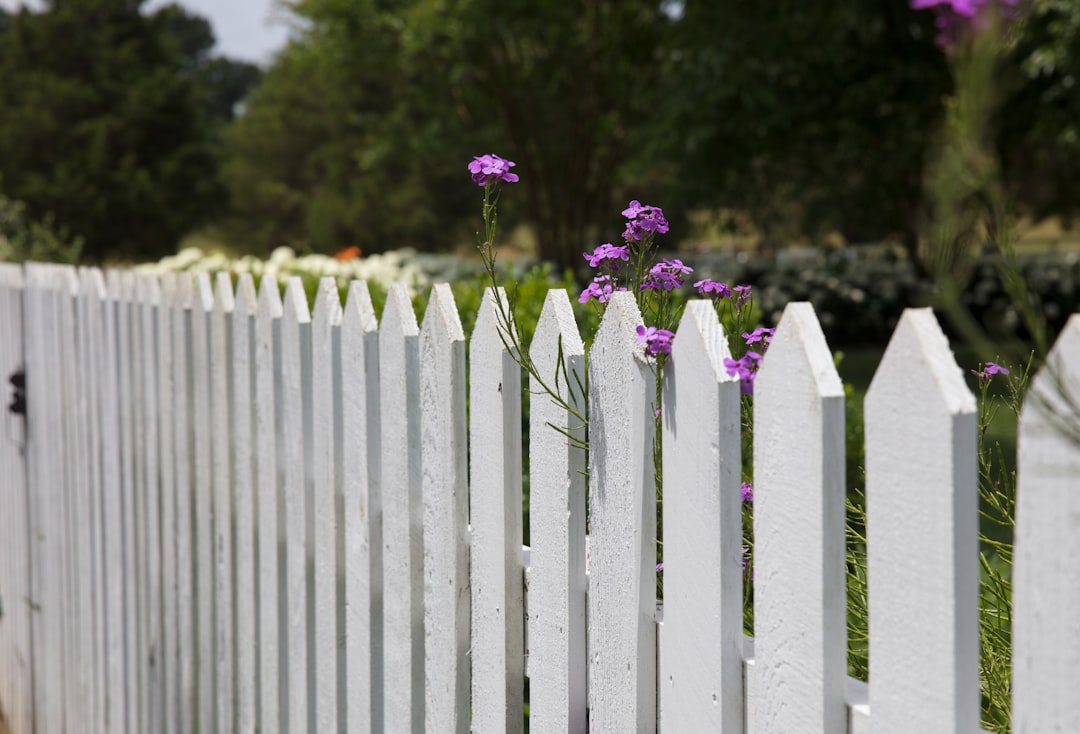
Installing a fence without checking height restrictions is one of the most expensive mistakes homeowners make. When done right, fencing and hardscaping can add personality and beauty to a home. But, far too many things can go wrong along the way. This is why most homeowners associations require members to get approval for any hardscapes or fences.
Height restrictions vary dramatically between front yards, side yards, and backyards. A six-foot privacy fence might be perfectly legal in your backyard but completely prohibited in your front yard, where heights might be limited to four feet or less.
Materials matter too. That beautiful wrought iron fence might violate rules requiring specific materials or styles. The association may ask owners to comply with a list of approved colors or materials, too.
They may also not care about shoveling shared pathways when needed or keeping their fences at the approved height. Regular maintenance and compliance checks mean your fence needs to stay within regulations year-round.
Landscaping Length Limits
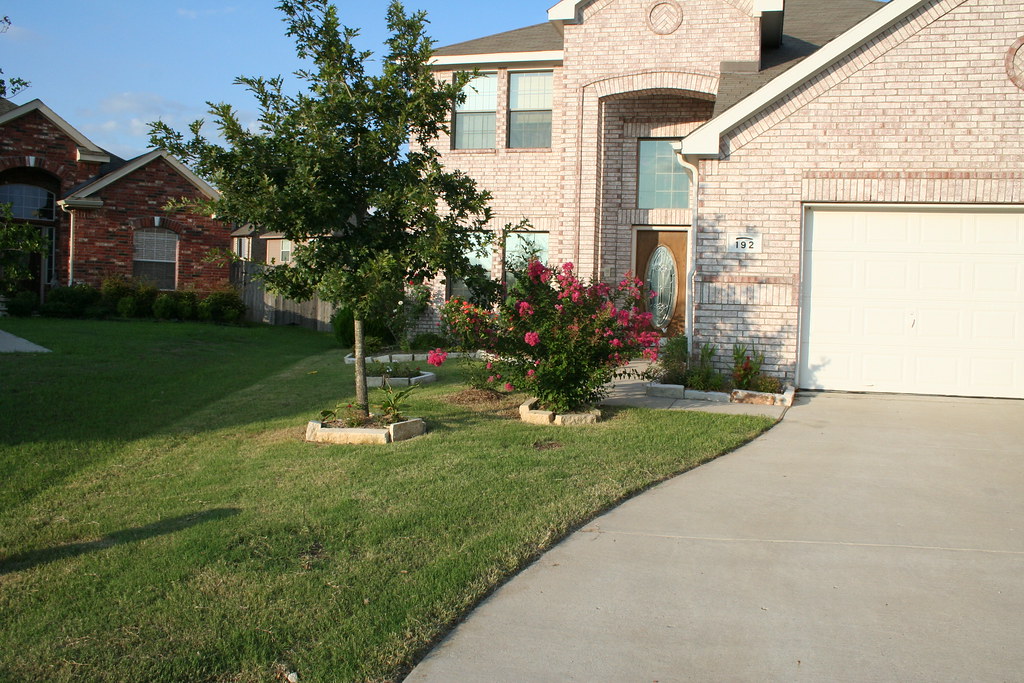
Homeowners cannot let their grass become overgrown. Homeowners can only use drip irrigation along their curb and sidewalks. The height of your bushes and shrubs in your front yard. These specific measurements often surprise homeowners.
Many communities have detailed landscaping codes that go far beyond basic lawn maintenance. Hedge heights, tree placement distances from property lines, and even specific plant species can be regulated. A homeowner’s tree may not extend further than five feet onto their neighbor’s property. A homeowner may only have certain types of plants.
This may involve prohibitions against overgrown grass, weeds, or unkempt exteriors. Additionally, the HOA may have rules about the types of plants, trees, and shrubs you can add to your yard, so review these policies before planting anything.
Watering restrictions add another layer of complexity. Some HOAs specify irrigation methods, watering times, and even the types of sprinkler systems allowed.
Rental Restrictions That Catch Investors

Some HOAs have rules about not subletting homes, both for security reasons and because a community’s insurance is often dependent on the percentage of owners versus renters. Most HOAs require written permission to rent a home, which may require the homeowner to join a waitlist.
Short-term rentals like Airbnb are often completely prohibited, even if local laws allow them. Before Atlanta hosted the Super Bowl back in 2019, one of Singletary’s neighbors mentioned that residents in their HOA community were allowed to rent their homes just for that weekend. So Singletary cleaned his house, took photos and posted them on a popular property-rental site. Instead, he received a cease-and-desist letter from a local law firm for breaking his HOA’s rules, as well as a $1,000 fine.
Long-term rental restrictions can be equally strict. Some communities limit the percentage of rental properties allowed or require landlords to register with the HOA. Background checks for tenants and lease approval processes are common requirements.
Typically, if the tenants break any of the rules, the fines will fall on the homeowners. This means property owners remain liable for their tenants’ violations.
Noise Rules Beyond Quiet Hours
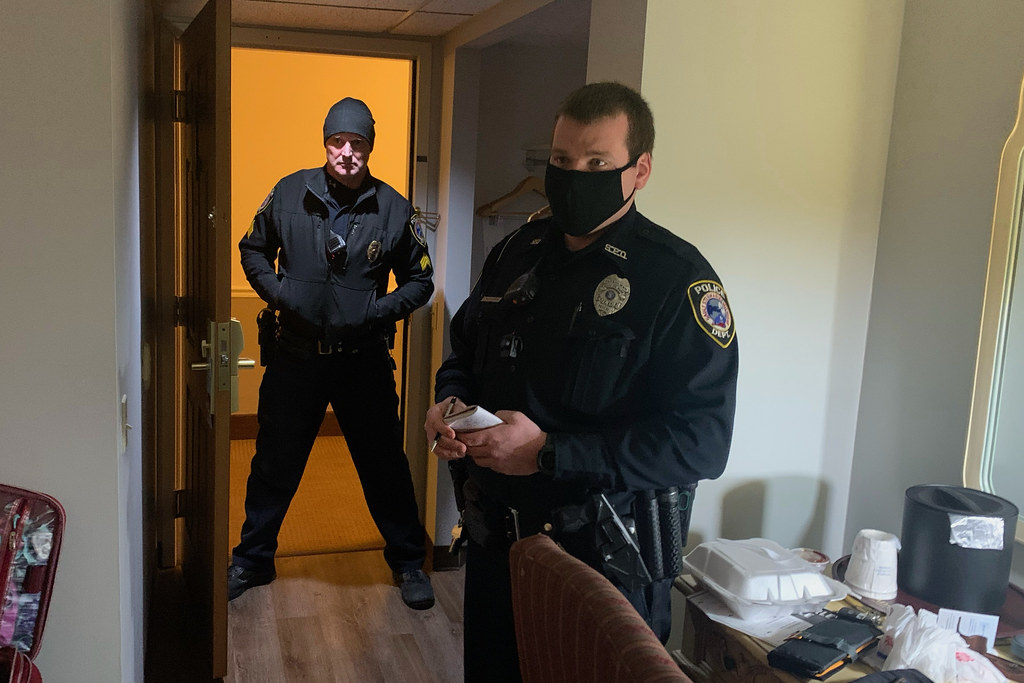
As the organization in charge of enforcing the CC&Rs, your fellow residents are permitted to contact the HOA if you are being too noisy. Many HOAs have restrictions on loud noises between certain hours. However, it’s not just about nighttime noise.
Construction and maintenance activities often have specific time restrictions. Weekend home improvement projects might be limited to certain hours or prohibited entirely on Sundays. Conducting construction or renovation activities outside of designated hours or without obtaining proper permits, leading to disturbances for neighboring residents.
You may decide to impose rules regarding noise levels at certain times of the day or night. A typical example of such regulation is keeping the noise levels down between late evening and early morning to tame noisy neighbors and allow residents the much-needed sleep and rest.
Pool parties, backyard gatherings, and even lawn mowing can violate noise ordinances if done at the wrong times or exceeding volume limits.
Pet Restrictions That Go Beyond Breed Bans
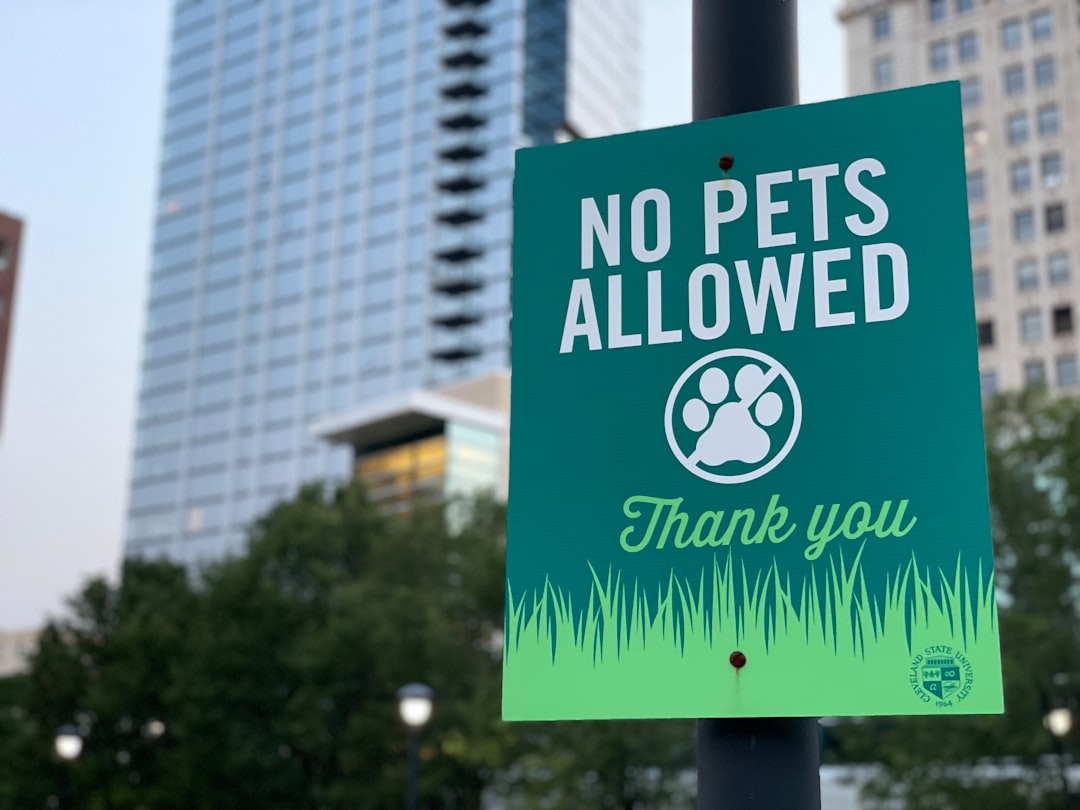
No matter what restrictions you go with, make sure they are enforced fairly across the board. If you put down a two dog limit per home, the same rules apply whether people have one old terrier or two pit bulls. Pet limits often surprise homeowners who assume they can have as many pets as they want.
66% of U.S. households own a pet, and, unfortunately, furry friends can open more opportunities for violations. While you may love your pet, your neighbors might not appreciate your dog howling until the late hours of the night. To promote a harmonious coexistence and avoid tense pet-related situations, your HOA may have pet restrictions, including: Number of pets allowed per household.
Weight limits for dogs are common, with many communities restricting dogs over 50 or 75 pounds. Leash requirements extend beyond common areas to include your own front yard in many neighborhoods.
Exceeding pet limits: Housing more pets than permitted by the HOA’s guidelines, leading to overcrowding and potential sanitation issues. Off-leash pets: Allowing pets to roam off-leash in common areas or failing to clean up after them, resulting in hygiene concerns and potential conflicts with other residents.
Home Business Boundaries

The situation is different if a resident decides to run a business that might disrupt their neighbors’ quality of life. For example, take small home-based manufacturing plants or construction businesses. Both will require constant deliveries, pickups, and storing of equipment and business vehicles on the estate.
Even seemingly harmless home businesses can violate HOA rules. Personal training sessions in your backyard, piano lessons that generate foot traffic, or online businesses requiring frequent package deliveries can all trigger violations.
Signs advertising home businesses are typically prohibited, and client parking can become an issue if visitors exceed guest parking limits. Some communities restrict the hours during which business activities can occur.
Most HOAs do not object to residents working from home. There is little disruption to others when you’re typing away at a computer from the comfort of your home office, after all. The line gets crossed when business activities affect neighbors or common areas.
The reality is that HOA rules have become incredibly detailed and specific. 67% of all new single-family homes built in 2023 nationwide were in communities with HOAs, according to data from the U.S. Census Bureau, up from 46% in 2009. With this growth comes increasingly complex regulations.
Recent changes in some states are trying to provide homeowner relief. Millions of California residents could get a break if they violate HOA rules under a new state law that caps fees at $100, without late fees or accumulating penalties. Still, the best defense against violations remains understanding your community’s specific rules before you need them.
The key takeaway? Read your HOA documents thoroughly, ask questions before making changes, and remember that ignorance of the rules isn’t a valid defense. These hidden regulations exist in nearly every HOA community, and discovering them after the fact can be both expensive and frustrating. What other surprising rules have you discovered in your neighborhood? Share your experiences in the comments below.