
Installing Electrical Outlets Without GFCI Protection
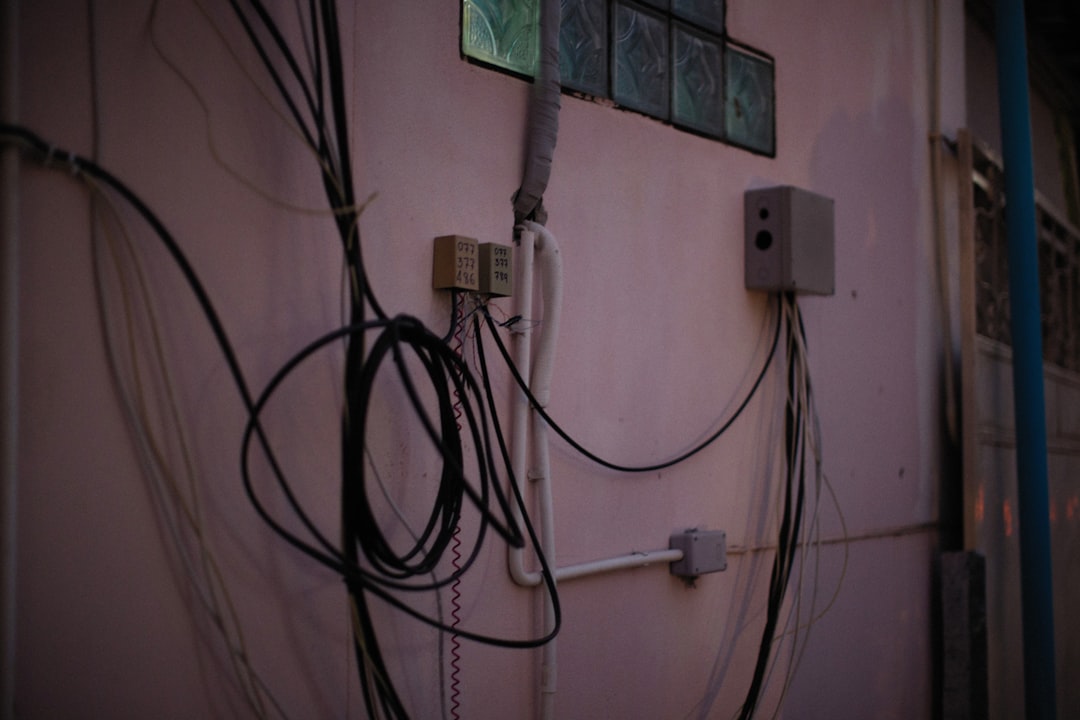
The most dangerous mistake DIYers make involves electrical work, particularly around water sources. The NEC instated the requirement for GFCI outlets in bathrooms in 1975, expanding to garages in 1978, yet many homeowners still install regular outlets in bathrooms, kitchens, and outdoor spaces.
GFCIs protect you from electric shock, and they’re required in multiple places around your home where water is present. Because GFCI requirements have expanded over time, many homes lack them, where the NEC currently requires them. The latest updates require GFCI protection for virtually all kitchen outlets, not just those near sinks.
If you have receptacles within 6-feet of your bathroom or kitchen sink, they need to be GFCI protected. Also, all countertop receptacles require GFCI protection and be placed no closer than every 4 feet. Violating these requirements puts your family at risk of electrocution and creates liability issues with insurance companies.
Violations can result in significant fines, lawsuits, and higher insurance premiums. Service Disruptions: Electrical violations can disrupt electrical services, causing power outages and inconvenience to occupants.
Venting Bathroom Fans Into Attic Spaces
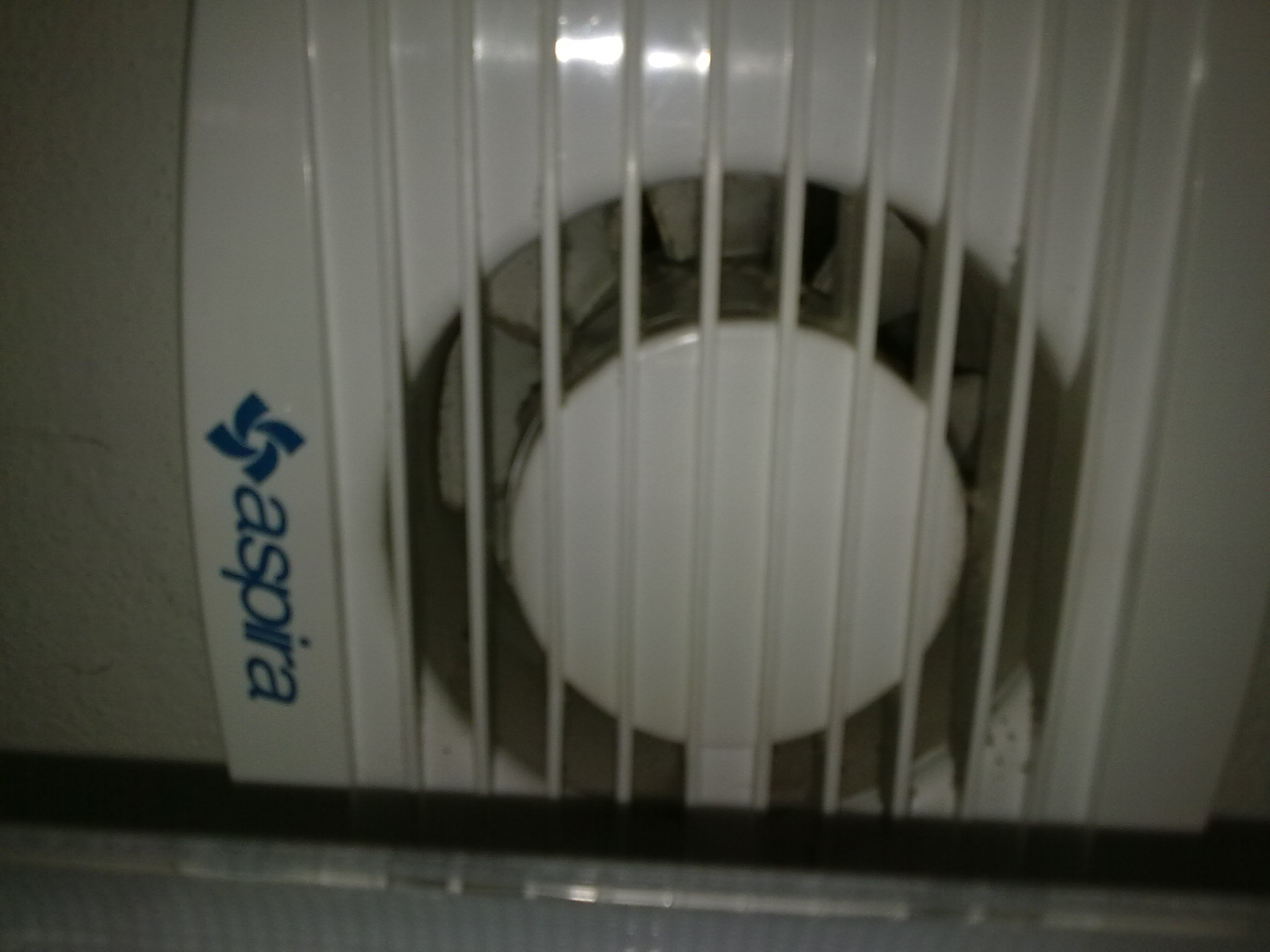
Bathroom ventilation isn’t just for steam – it’s crucial for preventing mold and moisture damage. Some DIYers install cheap fans or place them incorrectly, venting moist air into attics instead of outside. That’s a major code violation and a mold nightmare waiting to happen.
This seemingly innocent mistake creates serious problems. Moisture trapped in attic spaces leads to mold growth, wood rot, and structural damage. A proper bathroom vent must exhaust directly outdoors, usually through the roof or a sidewall. Without this, building inspectors will require costly corrections.
Got that new humidity-controlled venting fan all snugged up in the bathroom ceiling? Good job, but if your fan vents into an enclosed attic space, it’s a code violation. The repair costs often exceed what you would have spent hiring a professional initially.
Improper Deck Ledger Board Attachment

Deck collapses make headlines because they’re preventable tragedies. A building inspector informed us that incorrectly installed ledgers are the main cause of problems in do-it-yourself decks because the ledger may pull loose from the house. These decks can actually collapse, especially when loaded with people.
According to the North American Deck and Railing Association, some 40 million existing residential decks were built prior to 1990 – before stricter codes for deck construction mandated safer techniques. Many DIYers don’t realize that nails aren’t sufficient for ledger board attachment.
Ledgers are key points of deck failures. A ledger should be bolted or screwed directly to the house framing – not nailed – and must be protected with flashing to prevent moisture damage. Without proper flashing, water infiltration weakens the connection over time.
DIY decks are among the most frequent violations and also one of the most dangerous, according to building professionals who see the aftermath of improper installations regularly.
Installing Non-Compliant Handrails and Railings
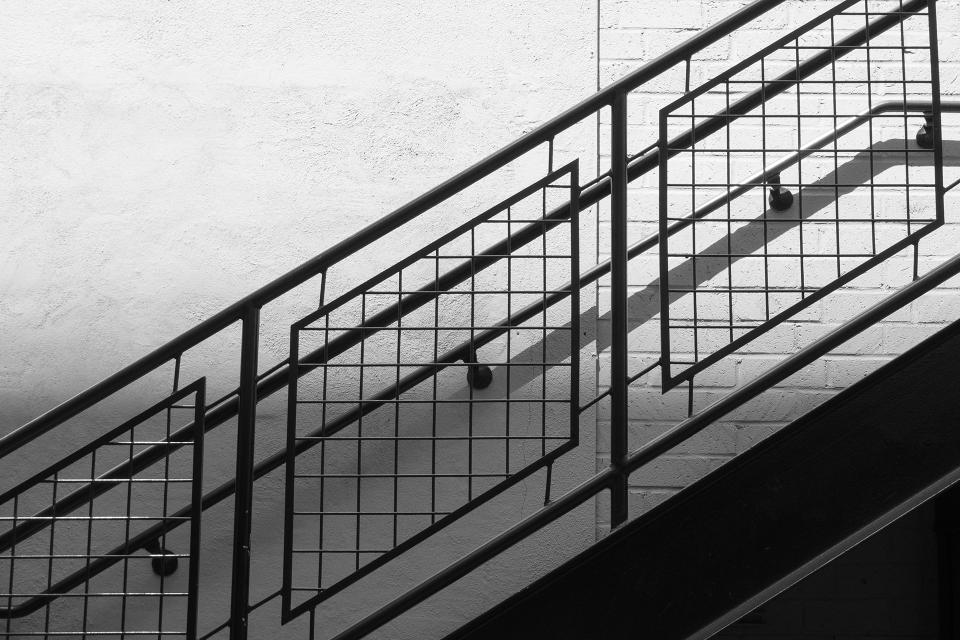
Handrail violations might seem minor, but they create serious safety hazards and legal liabilities. Missing handrails alongside steps and issues with decks are also common finds. Handrails frequently violate housing codes if they are at an improper height, not properly fastened, have an inadequate gripping surface or are missing entirely.
But unless the ends of your wall-side handrail make a 90-degree turn and dead-end into the wall, you’re violating code. Why? The open ends of a handrail can easily snag a purse strap or loose piece of clothing. Combine that goober with a set of stairs, and you’ve got a recipe for a hospital visit.
Key requirements include a 36-inch guard height for decks and porches, 34–38-inch handrail height for stairs, 4-inch maximum cable spacing, and 200-pound load resistance. These specifications aren’t arbitrary – they prevent falls and ensure accessibility.
California’s recent updates following the Berkeley balcony collapse show how seriously authorities treat railing violations. Non-compliance penalties of up to $500 per day emphasize the importance of adhering to these safety standards.
Skipping Building Permits Altogether

By far the biggest mistake do-it-yourselfers make is not getting the right permits. You may think you can do without permits, but that can really come to haunt you in the end. This decision creates a cascade of problems that follow homeowners for years.
Skipping permits means you won’t have access to your local building inspector, somebody who knows all the codes and can ensure your project is in compliance. That translates to the utmost safety for you and your family, and avoids code violation stumbling blocks when it comes time to sell your house.
The financial consequences extend beyond fines. Your insurance company may not cover your loss if it was due to improper installation or construction. When selling your home, unpermitted work can derail transactions or reduce your asking price significantly.
If a building inspector discovers that work on your property was not permitted correctly, you could pay thousands of dollars in fines or even face jail time. Hiring a pro for your project costs more because of general contractor markup and labor costs, but it can save you money in fines by ensuring all work is properly permitted.
Improper Window and Door Flashing Installation

Improper flashing was the most commonly cited violation with windows and doors. Flashing is a layer of waterproofing to protect the door, window and framing from water damage and prevents moisture from entering the home.
Water infiltration isn’t just a cosmetic issue. If moisture gets into the house or gets into places and sits for a long time, it can create conditions conducive to mold growth. That can cause health problems for your family. The health implications make this violation particularly serious.
Professional contractors understand that flashing requires specific materials, proper overlap sequences, and integration with house wrap or building paper. DIYers often skip these critical steps, assuming caulk will suffice. This creates entry points for water that may not show up for months or years.
Inadequate Smoke Detector Placement
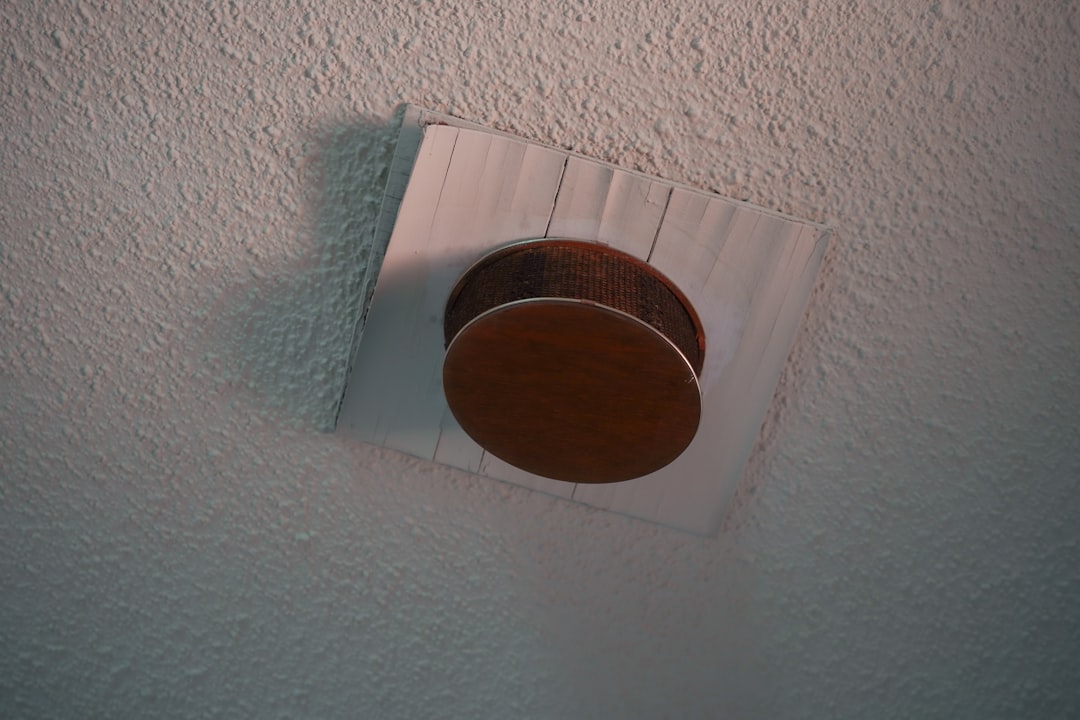
Codes require a smoke detector on each level of the house and outside each bedroom. Codes require new homes to have a smoke alarm in each bedroom, hard-wired with a battery backup and interconnected so if one activates, they all go off.
Missing, outdated or improper life safety devices are a common safety issue found by inspectors. We see out-of-date smoke detectors and missing carbon monoxide alarms. These devices literally save lives, making their proper installation crucial.
Location matters significantly for smoke detector effectiveness. You should install your ceiling-mounted alarms at least four inches away from walls. Wall-mounted alarms should be four to 12 inches down from the ceiling. Improper placement reduces their ability to detect smoke early.
Creating Unsafe Electrical Wiring Configurations
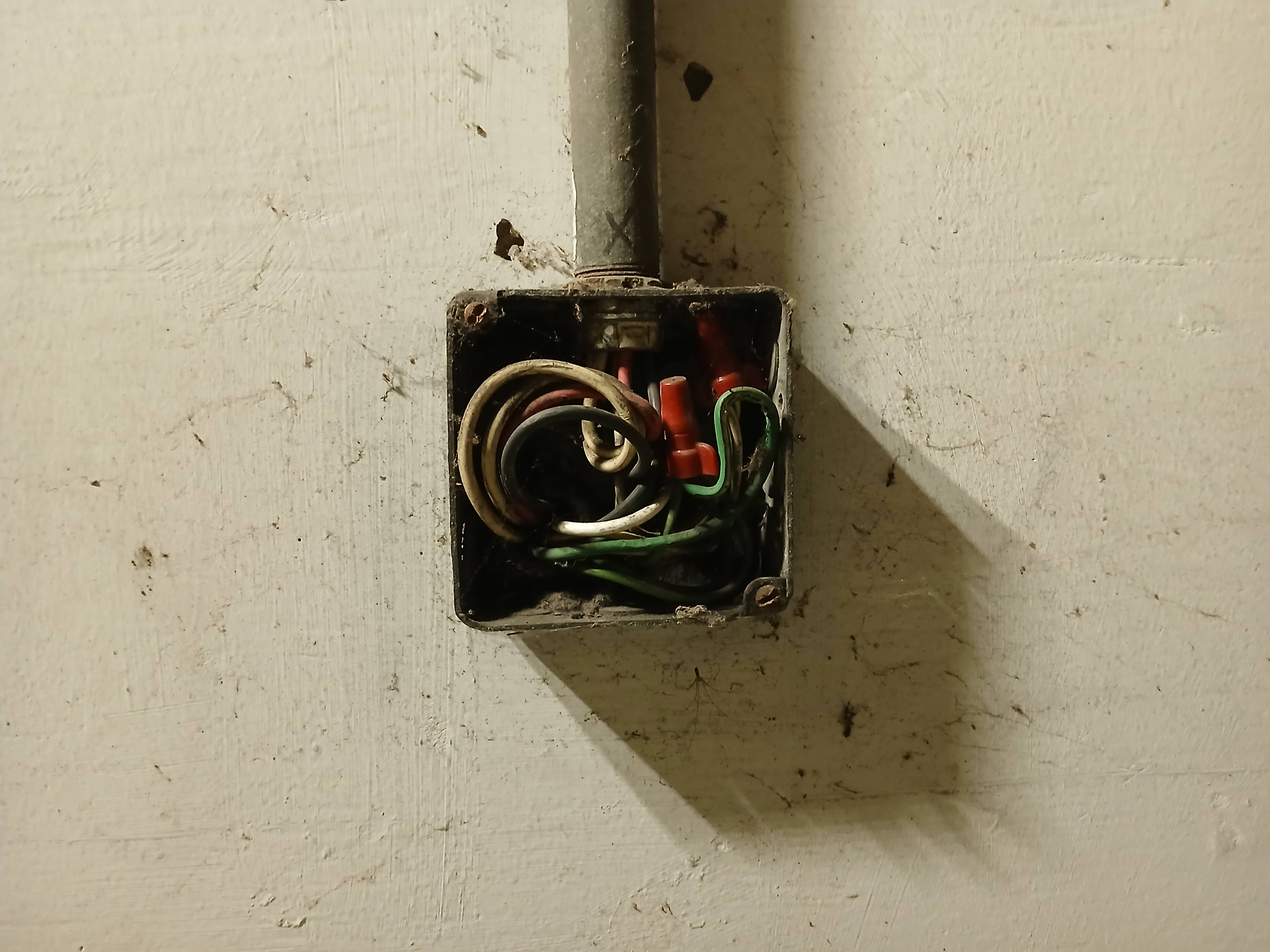
The most common electrical causes of code violations include faulty wiring, missing ground-fault circuit interrupter (GFCI) outlets, and a lack of wiring for permanent kitchen structures. These violations create fire hazards and electrocution risks.
When it comes to electrical work done by homeowners … the real risk is fire. Getting a permit will mitigate this risk, as well as the risk of electrocution. The statistics are sobering – according to the Electrical Safety Foundation International, about 400 electrocutions occur each year in the U.S.
No more than three wires should run through the same 7/8-inch hole, leaving enough room for wires to shift without burning. Hire an electrician to cut away the damaged wire, install a junction box, and replace the wire between here and the fixture or outlet.
A splice is a connection between two or more wires and is one of the worst code violations. Hidden electrical connections create ongoing fire risks that may not manifest for years.
Hiding Plumbing Shutoff Valves

Out of sight, out of mind? Not so fast. DIYers sometimes conceal water shut-off valves behind drywall, vanities, or tile, thinking it improves aesthetics. But plumbing codes require easy access in case of emergencies.
If a pipe bursts and the valve is hidden, you’ve created a major liability. Future owners – and inspectors – will not appreciate the hide-and-seek plumbing layout. Emergency access requirements exist for good reason – water damage can occur in minutes.
Professional plumbers understand that shutoff valves must remain accessible without tools or removal of permanent fixtures. This means access panels, removable tiles, or strategically placed openings. DIYers often prioritize appearance over function, creating dangerous situations.
Installing Recessed Lights Near Insulation
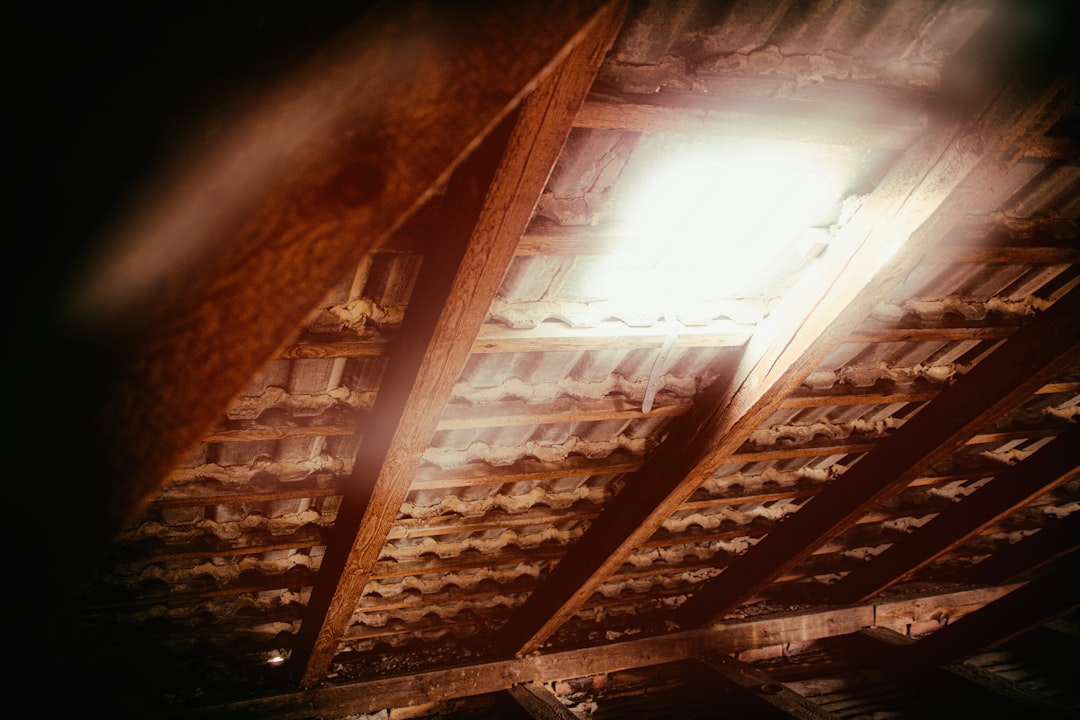
Recessed lights that come in direct contact with attic insulation must be IC-rated. Otherwise, you must keep three inches of space between the light and the insulation. This seemingly technical detail prevents house fires.
When non-IC-rated lights touch insulation, they can overheat and stop working. Over time, thermal protectors may fail and allow the light to stay on despite extreme heat, potentially lighting the insulation on fire. The fire risk makes this one of the most dangerous DIY mistakes.
Check your attic for insulation coming in contact with recessed lights there. Cut back insulation from non-IC-rated lights or replace them with IC-rated versions. This simple check could prevent a devastating house fire.
The pattern is clear – what seems like simple home improvement work often involves complex safety codes developed through decades of tragic experiences. Work that’s not up to code may be discovered by an inspector when you try and sell, putting a big damper on your plans. You may be required to fix any problems (with added expense) before a buyer will consider making an offer. Remember that building codes exist to protect lives and property, not to make your renovation more difficult. When in doubt, consult professionals who understand these requirements and can ensure your family’s safety while protecting your investment.
Did you expect so many seemingly simple projects could create such serious violations? What would you have guessed before reading this?