
Walk through enough home listings and a pattern emerges quickly. Certain rooms feel stuck in time, not charmingly vintage, just dated in a way that makes buyers start calculating renovation costs before they’ve even reached the kitchen. In a competitive market where first impressions drive decisions, that mental arithmetic can end a showing before it really begins.
What buyers want today has shifted considerably from even a decade ago. Homebuyers are now focused on energy efficiency, low maintenance, and functional layouts. The features that once signaled luxury or thoughtful design have, in many cases, become quiet dealbreakers. Here’s a clear-eyed look at what’s turning buyers away in 2025 and 2026.
Wall-to-Wall Carpeting
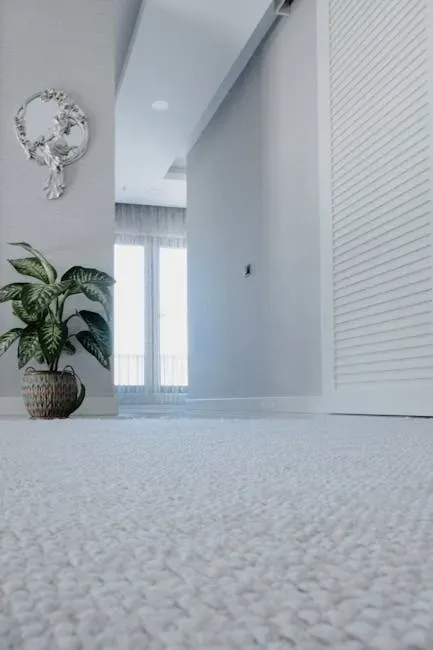
Carpeting used to be a staple in home design, but buyers today expect hard flooring in main living areas. Carpet is seen as high-maintenance, prone to stains, and less durable than modern flooring options. It also carries an invisible problem: allergens. Wall-to-wall carpeting is known for trapping all kinds of dust, mites, and other allergens, not exactly a healthy breathing environment.
Linoleum floors were once a popular and practical choice for homeowners, but they are now widely considered an outdated home trend. With a staggering majority of buyers expressing no interest, it’s clear that this flooring option can significantly deter buyers. Luxury vinyl plank, hardwood, or polished concrete are the preferred alternatives. LVP in particular is the most cost-effective choice because it’s durable, waterproof, and looks high-end without the cost of real wood.
Popcorn Ceilings and Dated Tile Backsplashes
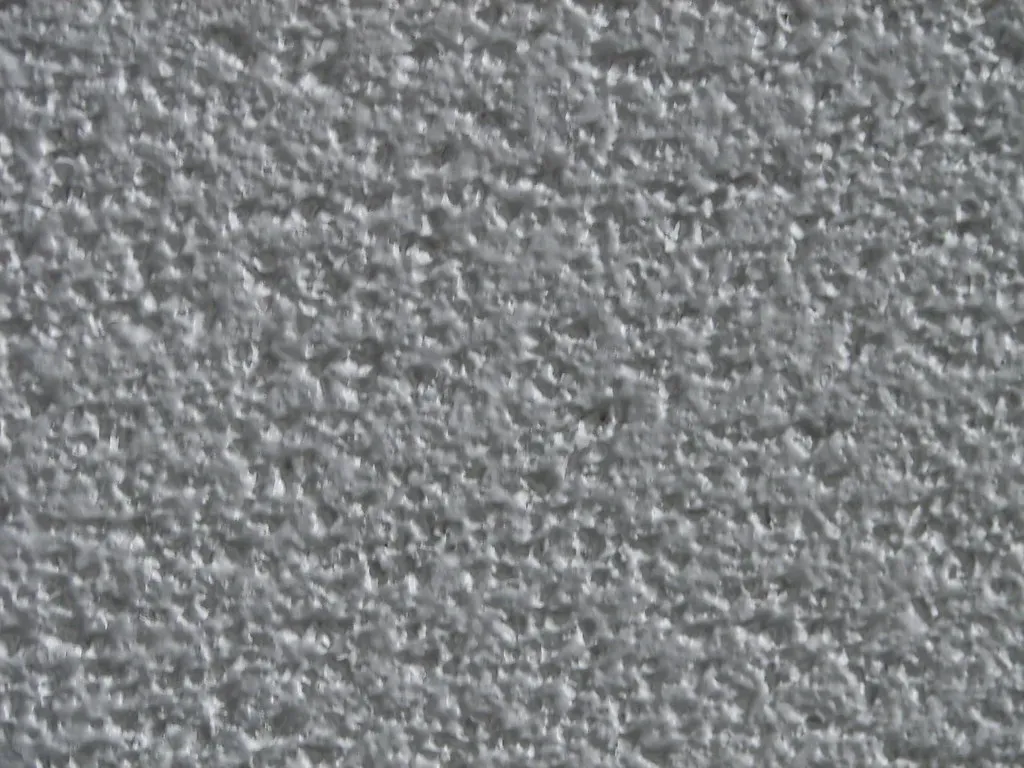
Features like popcorn ceilings no longer impress buyers. In fact, they can actively turn buyers away. The textured finish that was so common in homes built through the 1980s and early 1990s now reads as a signal of age rather than character. Many buyers are also aware that older popcorn ceilings can contain asbestos, which adds a layer of concern beyond aesthetics.
Outdated tile backsplashes, dark speckled countertops, track lighting, and dated wall coverings are among the things homebuyers dislike most. These details tend to cluster together in older kitchens and bathrooms, creating spaces that feel frozen in the 1990s. Tile countertops were a popular option in the 90s and early 2000s but have significantly fallen out of favor. According to a Redfin survey, the vast majority of buyers are no longer interested in this style.
Jetted Tubs and Impractical Bathroom Fixtures
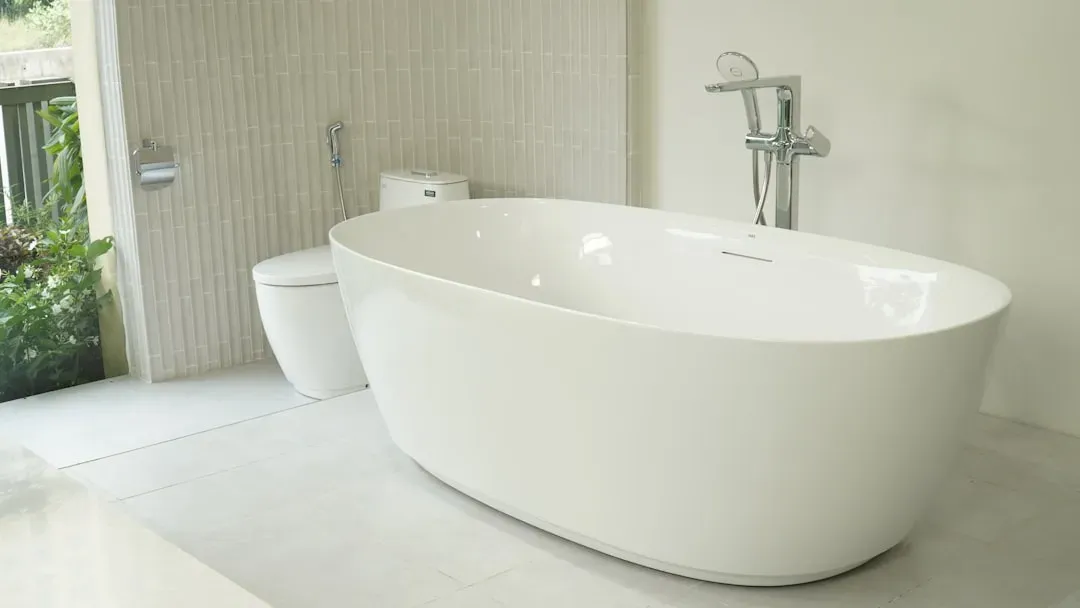
Once a symbol of luxury, the Jacuzzi tub has fallen out of favor with many modern buyers. With its larger size and impracticality for those who prefer showers, many sellers may want to remove the Jacuzzi tub and opt for a more modern shower design. A Redfin survey found that well over half of buyers are not at all interested in this feature.
Once seen as the pinnacle of relaxation, jetted tubs are losing their appeal. Buyers are now wary of the maintenance, energy use, and space they require. Many say they’d rather have a luxurious walk-in shower than a bulky tub they’ll rarely use. Concerns about mold buildup and outdated aesthetics also play a role. Marble sinks are also losing ground. While undeniably beautiful, marble sinks are high-maintenance and prone to staining, making them less practical for busy households.
Closed-Off Kitchens and Choppy Floor Plans
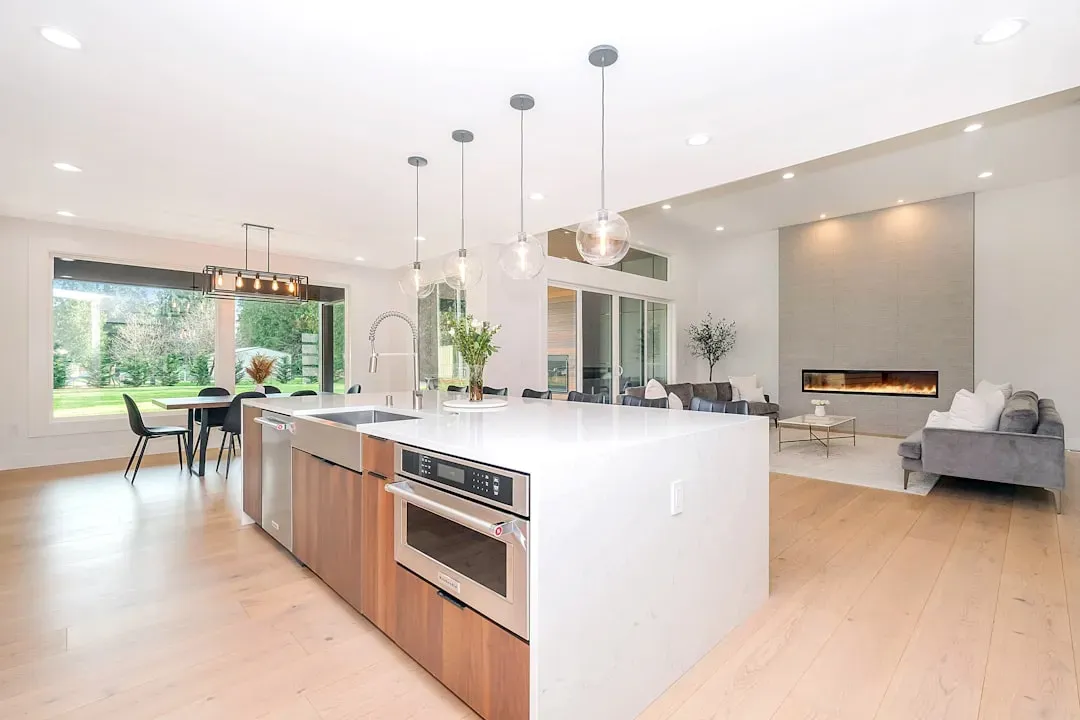
Homes with kitchens tucked away from living and dining areas are being passed over. Buyers want open layouts that allow them to cook and socialize at the same time. Closed-off kitchens feel restrictive and outdated. With the rise of entertaining from home, open-concept living is more in demand than ever.
Today’s buyers prioritize open concepts and natural flow between spaces. Homes with choppy layouts, tiny rooms, narrow hallways, and closed-off kitchens feel dated and restrictive. A spacious and interconnected living area is highly desirable, with a large majority of buyers in a Redfin survey citing it as a top priority. Structural walls cost real money to remove, which is why a home with a poor natural layout can sit on the market longer than comparable properties.
The Formal Dining Room
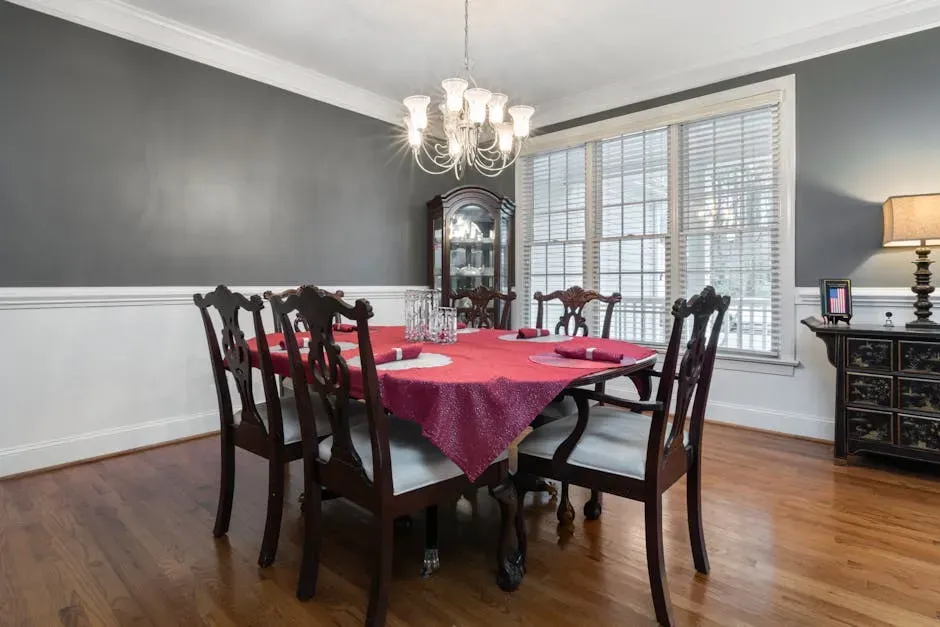
The once-coveted formal dining room is falling out of favor. Many buyers see it as wasted square footage, especially when open-concept kitchens with eat-in islands are more practical. With more families eating on the go or gathering casually, a closed-off dining room feels outdated. Buyers now prefer multipurpose spaces that can serve as offices, playrooms, or flex rooms.
Once a staple in traditional homes, formal dining rooms are increasingly seen as wasted space. While this used to be a major selling point, it’s now seen as an inefficient use of square footage unless you’re in the luxury market. Buyers today prefer multi-purpose spaces. Converting the room into a home office or casual flex space before listing can make a measurable difference in how quickly the house moves.
Overly Rustic Farmhouse Details
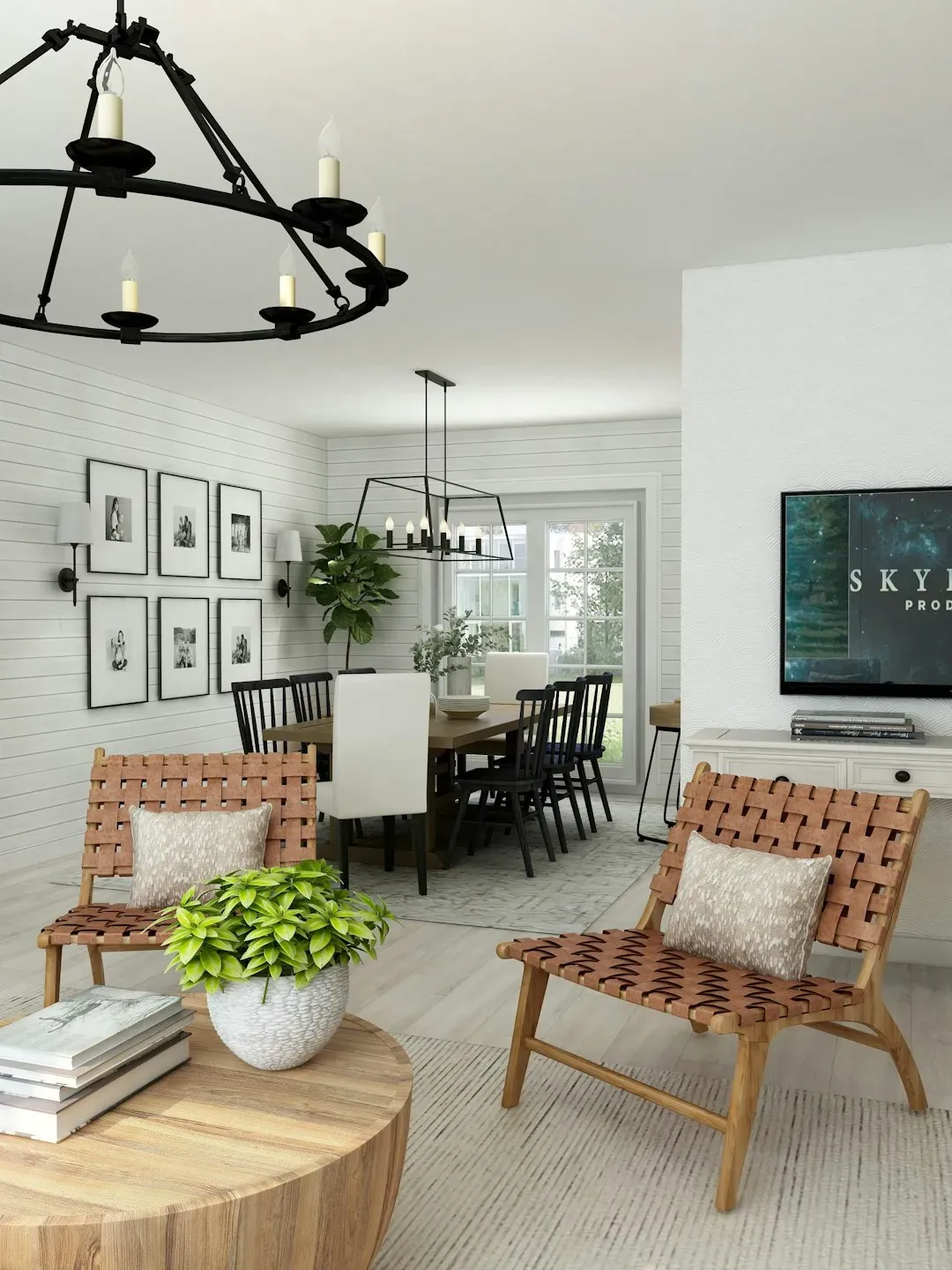
For the last decade, farmhouse design dominated house flips. Think shiplap walls, barn doors, and rustic beams. But the overly “rustic chic” look is officially outdated. Buyers are moving towards sleek, modern, and transitional designs that feel less theme-heavy. The aesthetic had an enormous run, partly fueled by years of home renovation television, but that familiarity is exactly what now makes it feel tired.
Shiplap, once the darling of DIY remodels, now feels busy and overdone. The barn door trend definitely dates a home to a certain period when everyone was installing the Pinterest-inspired doors, no matter how far away they lived from country life. Buyers in 2026 tend to respond better to what designers are calling “modern organic,” a style that still uses natural materials but in a quieter, less theatrical way.
Outdated Kitchen Appliances and Dark Countertops
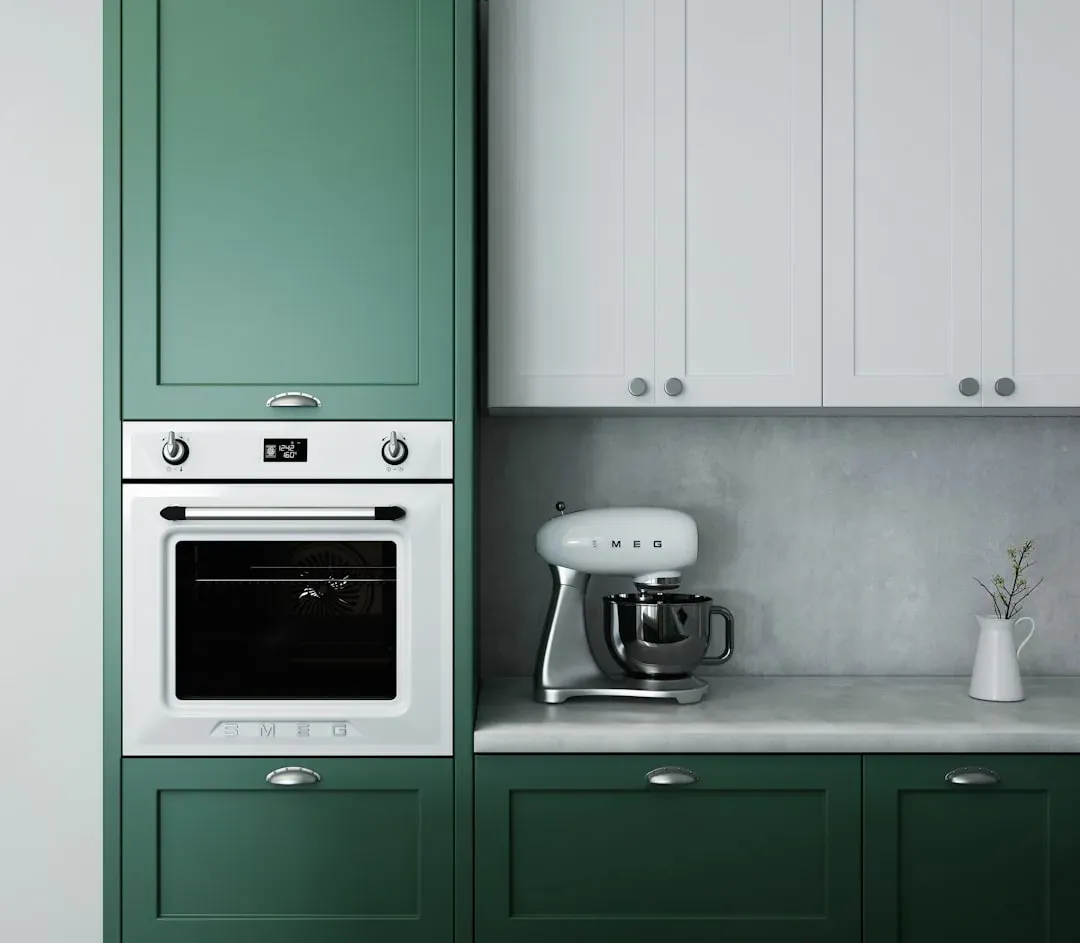
Modern buyers expect modern conveniences, and outdated appliances create a negative impression. According to Redfin Premier agents, nearly a third of buyers won’t even make an offer if the appliances are outdated. White appliances from the 1990s and early 2000s are a particular sticking point. Buyers expect modern functionality, not just aesthetic appeal. Outdated appliances, worn countertops, and cramped layouts signal immediate renovation needs, often costing significant sums.
Dark granite used to be a sign of an upscale kitchen, but trends have moved on. Today’s buyers want light, bright spaces, and that includes countertops. White quartz, butcher block, or soft veining is now the preferred look. Dark granite can make a kitchen feel dated and heavy, even if the layout is modern. Mounting a microwave over the stove was once a space-saving trick, but buyers now prefer range hoods for better ventilation and a more high-end kitchen look.
Open Kitchen Shelving
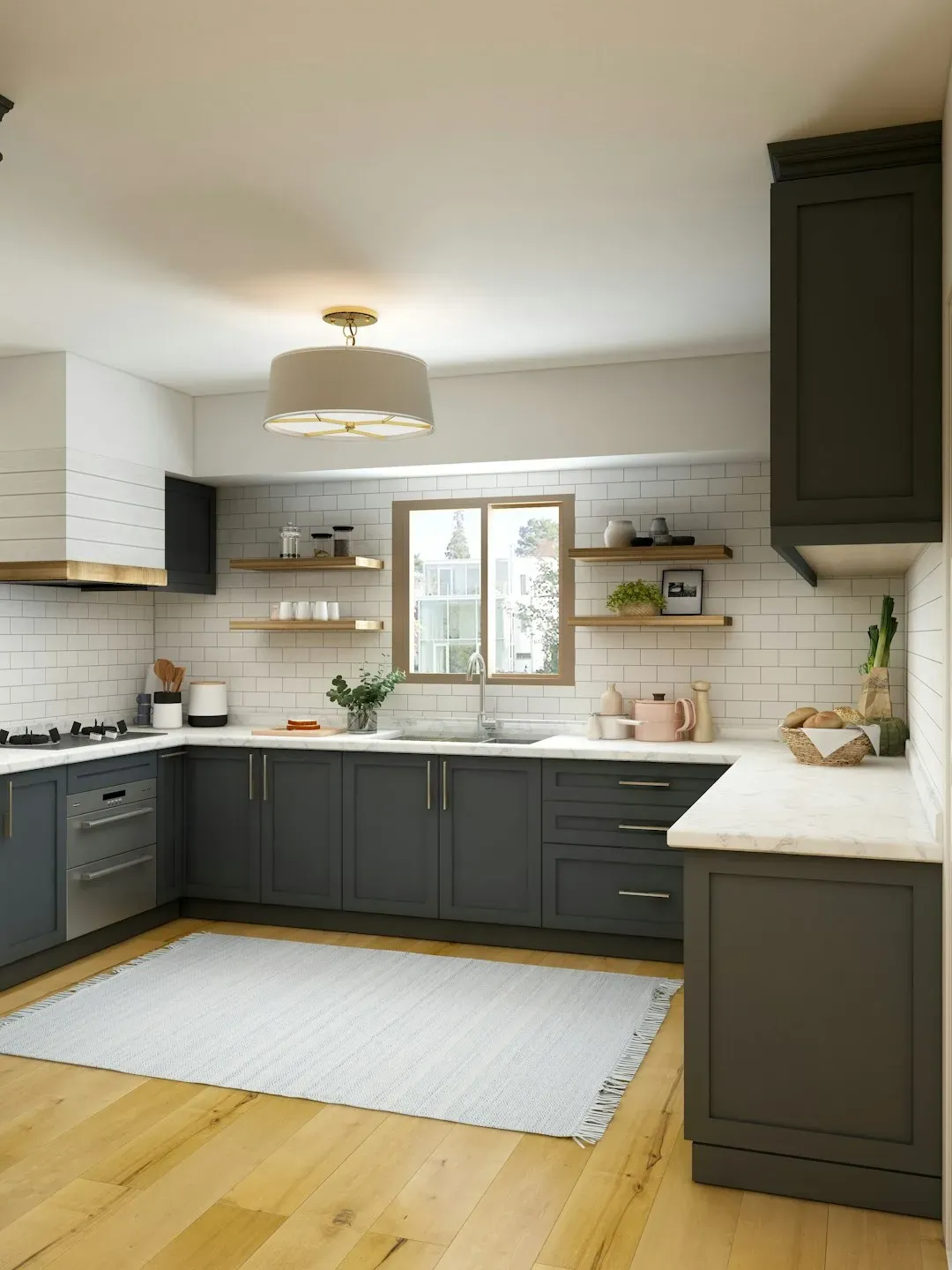
Open shelving in kitchens was considered stylish and modern, but buyers have had enough of dusty dishes and cluttered walls. Homebuyers are now prioritizing functional storage over aesthetics, making upper cabinets a must-have again. What looked minimal and curated in design magazines tends to look chaotic in an actual lived-in kitchen, and buyers are fully aware of that disconnect.
Open shelving had its moment, but it’s hard to maintain and not always practical. Buyers are prioritizing clean, concealed storage. The replacement is closed cabinetry with thoughtful display moments. Buyers want clean lines, practical storage, and minimal upkeep. A kitchen that signals ease tends to outperform one that demands constant tidying to look its best.
All-Gray or All-White Color Schemes
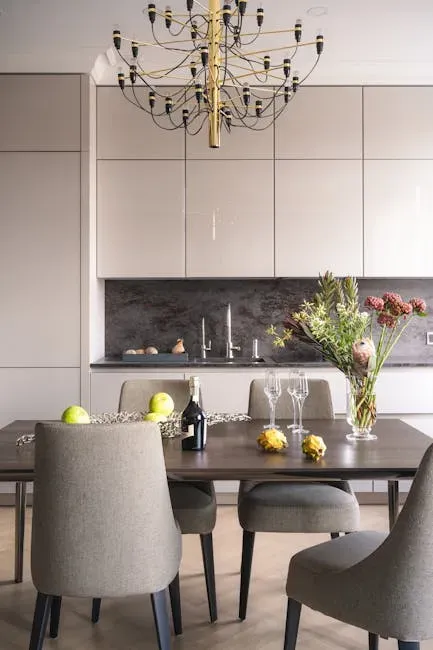
Gray dominated home design for the past decade, but buyers now prefer warmer, more natural tones. Cool grays are starting to feel flat. These spaces can come across as slightly cold or one-dimensional. Buyers are drawn to interiors that feel layered and inviting, rather than overly uniform. The gray-on-gray palette that swept through homes across the country became so uniform that it stopped feeling like a design choice and started feeling like an absence of one.
The stark contrast of cold white paint colors paired with bright white quartz countertops and matte black plumbing fixtures is definitely out of style. It was so overdone that it now feels cold, sterile, and lifeless. All-white kitchens have had a solid run, but they’ve become predictable and a kitchen cliché. Today’s homeowners want warmth and personality. Warmer tones, natural wood textures, and layered neutrals have taken their place, and homes that still lead with an icy, monochromatic palette can feel strangely unwelcoming to buyers who walk in expecting something more grounded.
Bold Accent Walls and Heavy Wallpaper
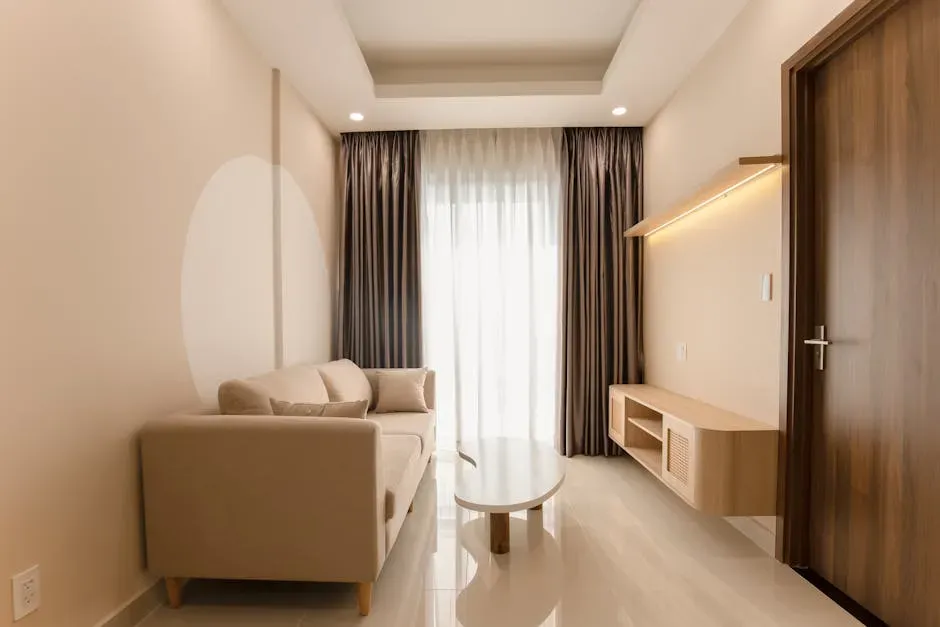
Bold and bright accent walls and wallpaper were once popular design choices, but tastes have shifted towards more neutral and sophisticated aesthetics. A large majority of buyers indicated they are not at all interested in brightly painted accent walls, and a significant portion are not interested in wallpapered rooms. Neutral-painted walls can appeal to a larger pool of buyers and help them envision a space they can make their own.
More than half of real estate agents surveyed by Better Homes and Gardens Real Estate called red walls an instant buyer deterrent. Red also ranked high on a 2025 survey of the most off-putting interior colors for home selling, along with lime green, bold pink, purple, orange, and mustard yellow. Soft greens, warm grays, and nature-inspired tones reign as the preferred neutrals. Buyers crave calm, move-in-ready spaces, not bold personal statements they’ll have to cover later. A single polarizing wall color can shift the entire emotional tone of a showing, and not in the seller’s favor.