
Living next to someone doesn’t automatically create goodwill. Most neighbors never shout insults or start open arguments. The disrespect comes quieter than that, settled into habits and small decisions that slowly make you feel invisible on your own property. It rarely announces itself.
The frustrating part is that wordless disrespect is harder to address. There’s nothing to quote back, no moment you can point to and say, “There. That.” Yet the cumulative effect is very real. Research has found that nearly half of Americans have experienced some form of disagreement with a neighbor, with noise being the single most common source of friction, followed by pets and general visual nuisance. Many of those conflicts never involve a single rude word.
1. Letting Noise Drift Into Your Space at All Hours
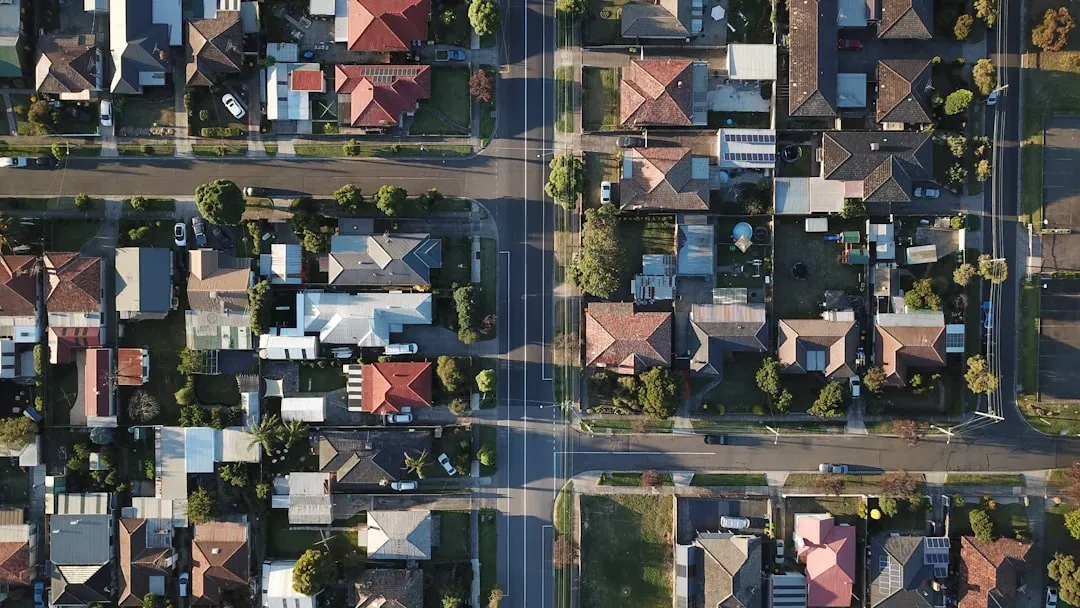
Persistent noise is one of the most common forms of nonverbal boundary-crossing between neighbors. It doesn’t require a confrontation or a rude comment to make someone feel completely disregarded. The message is already there in the bass rumble at midnight or the leaf blower at 7 a.m. on a Sunday.
Local noise ordinances in most cities set acceptable sound levels at roughly 50 to 55 decibels during the day and lower at night in residential areas, with specific rules covering construction, loud music, and barking dogs. A neighbor who consistently ignores those thresholds isn’t just being careless. They’re signaling, without any words, that your right to peace matters less than their convenience.
2. Blocking Your Driveway or Parking in Your Space

Few behaviors feel more deliberately dismissive than a car parked squarely in front of your driveway. It’s a physical act that says your schedule, your access, your day, simply doesn’t factor into their thinking. Blocked driveways are among the most frequently reported parking disputes between neighbors, and when someone parks in front of your driveway, you can find yourself unable to enter or leave your property, which creates real disruption to daily life.
While parking-related problems are often considered relatively minor compared to many property disputes, they can escalate and become more serious, especially when persistent. The occasional honest mistake is one thing. A repeated pattern, especially after you’ve already asked about it, is a different story entirely.
3. Letting Their Property Fall Into Neglect

A yard full of debris, an overgrown lawn, or abandoned vehicles piling up near the property line might seem like a personal choice. In practice, it affects everyone around them. Property neglect, including yards filled with garbage, abandoned vehicles, and excessive debris, can attract pests and reduce the neighborhood’s overall aesthetic, creating conditions that impact neighboring properties directly.
A neighbor’s problematic behavior can have a tangible impact on nearby property values, as appraisers and potential buyers consider the immediate surroundings, and an unkempt or hazardous neighboring property can become a significant deterrent. The neighbor may never say a single unkind word, but the visible neglect sends a message about whether they care about the shared environment at all.
4. Pointing Security Cameras Directly at Your Home
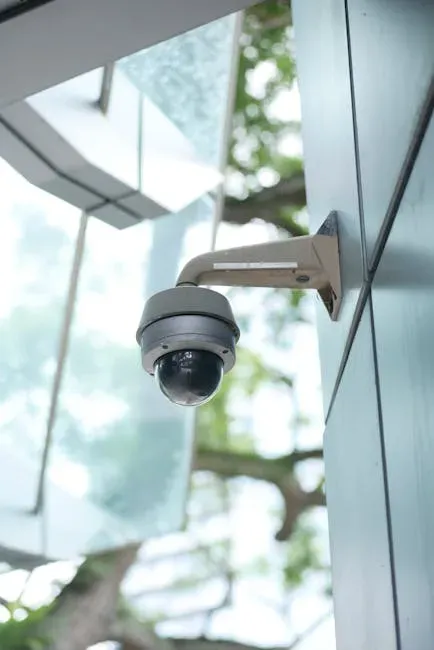
Security cameras have become genuinely common, and most of the time they’re entirely reasonable. The disrespect shows up when a camera is positioned in a way that seems deliberately aimed at watching you rather than protecting them. A camera with pan-and-tilt features that follows your movements around your yard can be considered harassment, and if a camera is installed with the intent to intimidate, it may cross into anti-stalking or harassment law territory.
The legality and ethics of a neighbor having security cameras pointed at your house is a complex issue that depends on local laws and privacy considerations, and while it’s generally legal for individuals to have cameras on their own property, respecting the privacy of neighbors is crucial for maintaining a harmonious community. When a camera makes you feel watched every time you step outside, that discomfort is hard to dismiss.
5. Letting Their Dog Roam or Cause Problems Without Accountability

A dog that wanders onto your lawn, digs through your flower beds, or relieves itself on your path without any response from its owner is a quiet but persistent statement of indifference. Deliberately allowing pets to roam free, bark incessantly, or create unsanitary conditions near your property, especially after a previous complaint has been made, is recognized as a form of neighbor harassment.
The “my dog doesn’t know better” excuse only holds so long. Once a neighbor has been made aware of the problem and still does nothing, their inaction speaks clearly. It’s not about the dog at that point. It’s about whether they consider your property worth respecting.
6. Encroaching on Your Property Line Without Asking
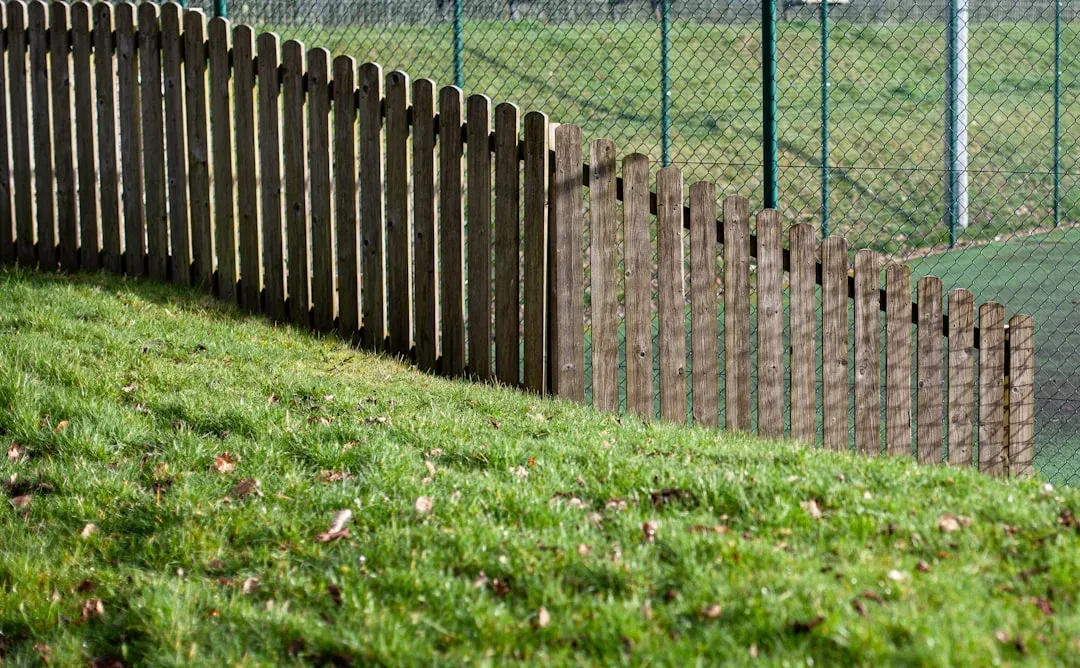
Fences built slightly over the line, plants allowed to sprawl onto your lawn, or sheds that creep past the boundary are all forms of encroachment that rarely come with a conversation. Encroachment occurs when a structure, improvement, or landscaping extends beyond a property line onto adjacent land, and these issues frequently arise with fences that have been built over property lines, often only discovered after a professional survey.
Questions about property lines are often among the most complex and expensive disputes to resolve, and they matter enormously because boundary disputes affect property values, cause neighbor conflicts, and decrease your enjoyment of your own home. Taking without asking, even a few square feet, is a form of disrespect that compounds over years.
7. Dumping Trash or Debris Near Your Property
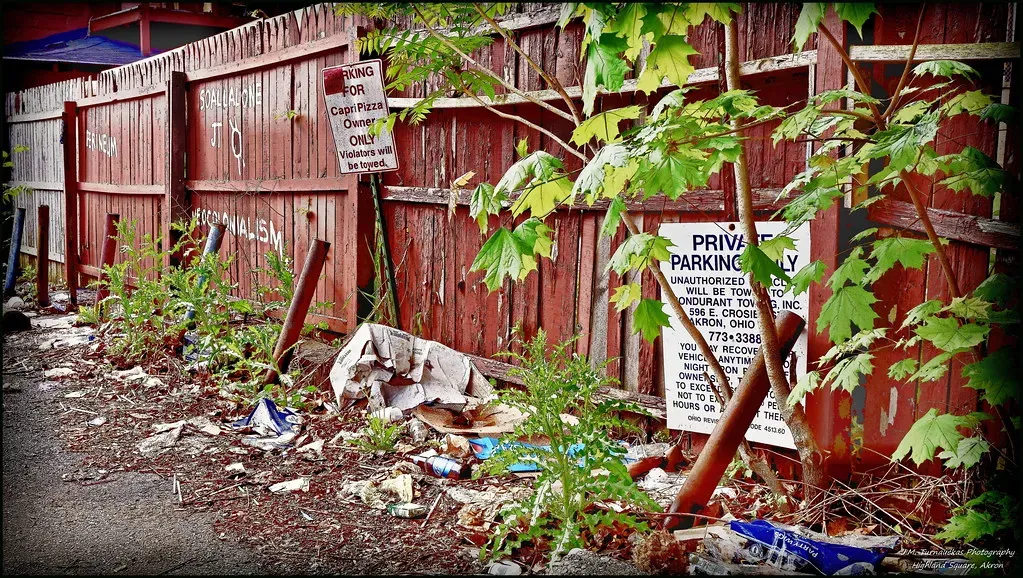
Leaving bags of garden waste against your fence, letting litter blow from their yard into yours, or placing rubbish near the shared boundary without any effort to contain it is a form of passive territorial disrespect. Dumping trash near your property line or deliberately allowing a dog to defile your lawn are forms of property interference that sit firmly in the category of neighbor harassment.
Private nuisances that interfere with a neighbor’s quiet enjoyment of their property include things like unsightly conditions, code violations, and poor upkeep that affect both property values and the general quality of the neighborhood. When someone repeatedly allows their mess to migrate onto your space, the action carries a message even without a single word attached to it.
8. Staring, Watching, or Following Your Movements

Prolonged staring from across the fence or watching from a window every time you go outside creates an atmosphere of unease that’s difficult to describe but impossible to miss. Disrespect can be conveyed through nonverbal behavior in ways that signal clearly that you are not valued, without a single word needing to pass between people. Sustained, deliberate watching is a display of power and dismissal rolled into one.
Boundary violations that involve repeatedly crossing onto your property without permission, peering into windows, or engaging in surveillance all fall into the category of disrespectful and potentially problematic neighbor behavior. Even when it stops short of anything legally actionable, being watched in your own yard strips away the sense of safety that home is supposed to provide.
9. Allowing Overhanging Trees and Plants to Damage Your Space

Tree branches that drop debris into your yard, roots that push under your fence and lift your paving, or hedges that quietly swallow shared light over several years. None of these require a single unfriendly word from the neighbor. Branches, roots, or plants from a neighbor’s property crossing onto yours can cause real damage and significantly impact your enjoyment of your own land.
Vegetation disputes are among the most common between neighbors, covering overhanging tree limbs that create liability if they fall, invasive root systems that damage foundations or plumbing, and trees that block views or sunlight. A neighbor who simply ignores the issue after being made aware is communicating something through their silence that no words could make any clearer.
10. Consistently Ignoring You When You Make Eye Contact or Wave

There’s a difference between a neighbor who is shy and one who deliberately looks away every time you catch their eye. The deliberate cold shoulder, repeated over weeks and months, is a form of social exclusion that psychologists recognize as genuinely harmful. Nonverbal miscommunication, even without intent, can lead to misunderstandings, mistrust, conflict, and the breakdown of relationships.
Cultural differences in interpreting nonverbal cues can lead to false assumptions and judgments that affect how people perceive and interact with one another. That said, when the pattern is consistent and clearly directed, it goes beyond cultural norms. It becomes a choice to exclude. Living beside someone who refuses to acknowledge your existence is its own quiet kind of hostility, one that costs them nothing but registers loudly all the same.
The common thread running through all ten of these behaviors is that none of them require confrontation to cause real damage. They accumulate over time, shaping the atmosphere of a neighborhood one small act at a time. Recognizing them for what they are is the first step toward deciding how and whether to respond, without losing the peace that your home is supposed to protect.