
Most people believe their home is secure enough to keep their most prized possessions safe. The truth is a bit more sobering. The average burglary lasts only 8 to 10 minutes, which means a thief moves fast, hitting predictable spots first and skipping anything that requires extra effort or time. Where you store something matters enormously.
About three quarters of burglars target the master bedroom as the first place to look for valuables. That single fact reshapes everything about how you should think about your storage choices at home. The seven options below are ranked from most secure to least, so you know exactly where your confidence is well-placed and where it isn’t.
1. In-Floor Safe Embedded in Concrete
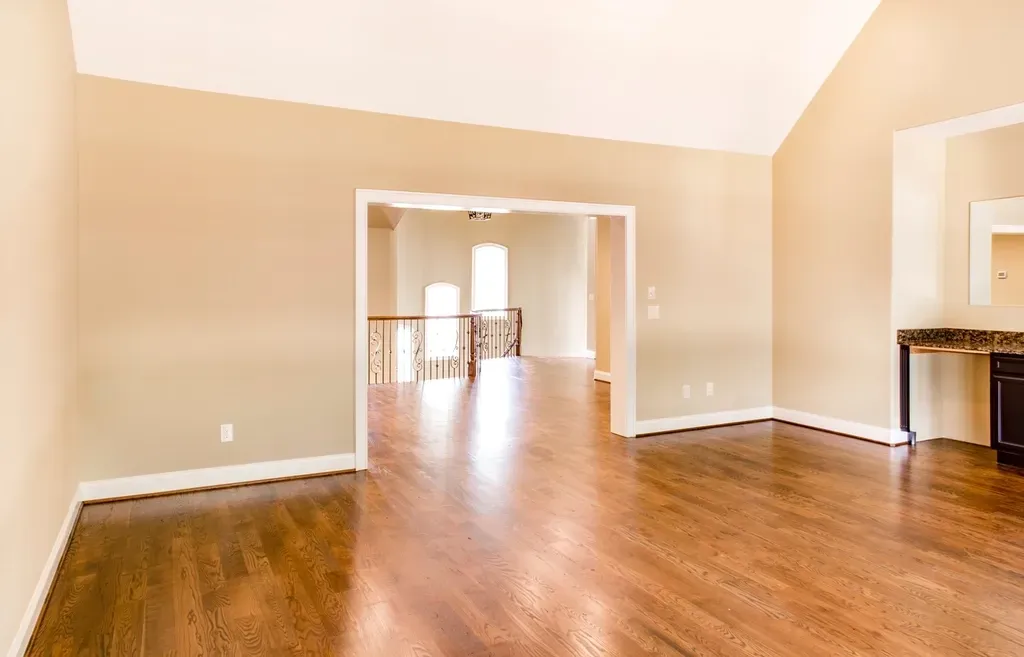
In-floor safes probably offer better overall burglary deterrence than any other security container, as they are sunk into concrete, most have heavy steel doors and good locks, and they are some of the most challenging safes to get open even for trained professionals. When hidden under a rug, they are very rarely found by burglars. This combination of concealment and raw physical security is genuinely hard to beat.
Installation does require cutting into your foundation, which might not be feasible if you rent or live in an apartment. The downside is that they are extremely inconvenient, as you need to get down on your hands and knees to access the safe. If the items you’re protecting don’t need to be retrieved daily, passports, emergency cash, heirloom jewelry, this is realistically the strongest option available for a private home.
2. Wall Safe Concealed Behind Artwork or a Mirror

Hidden wall safes are harder to find than floor safes, making them one of the smarter choices for home security. These safes fit between wall studs and can be easily concealed behind artwork, mirrors, or even inside closets. The concealment factor alone gives them a significant edge over any safe left in plain view.
If you have fewer resources to invest in security, a good safe is your next best option for securing valuables. For a little extra money, you can obtain a fireproof and waterproof safe to protect your belongings from the elements. A wall safe that carries both fire and water ratings covers more scenarios than simple theft protection alone, which makes it a genuinely well-rounded solution for most households.
3. Bolted-Down Freestanding Safe in a Hidden Location
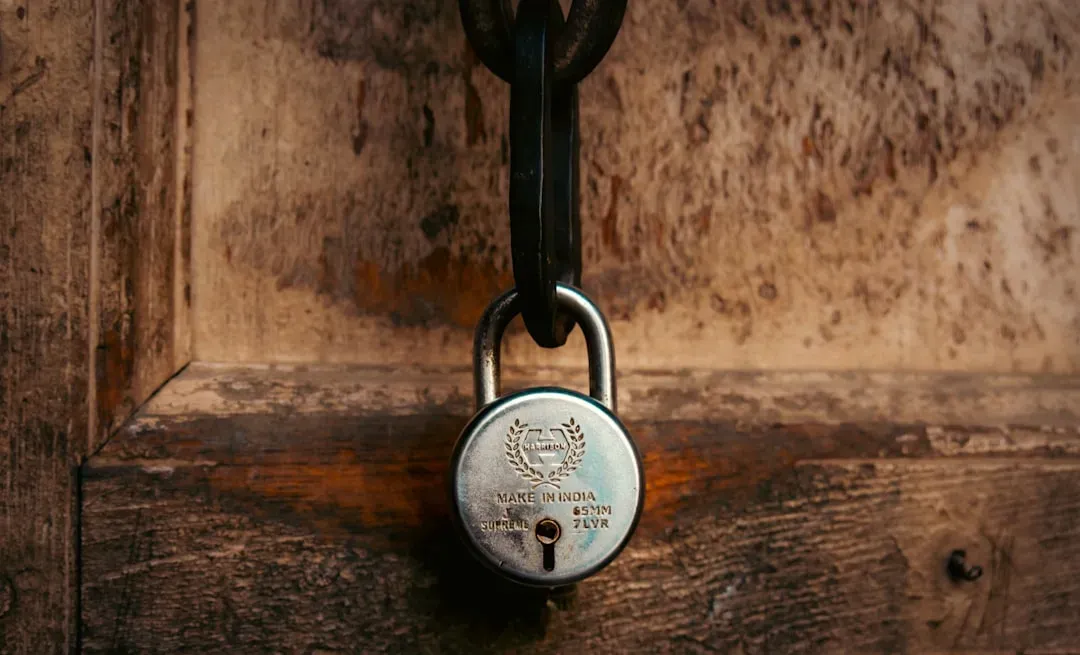
The key word here is “bolted.” Free-standing safes that aren’t secured can simply be carried out during a break-in. Look for models with fire ratings and strong pry-resistant construction. These safes work best when placed in inconspicuous locations like a basement corner or back of a closet. Positioning matters nearly as much as the safe itself.
A home safe can be discreetly placed in your bedroom, closet, or basement, protecting your valuables from theft, fire, and other potential risks. Placing your safe at the back of a closet or in a harder-to-reach space may prevent thieves from noticing it if they enter your home. A bolted-down safe in a discreet corner is still far superior to any hiding spot that relies purely on concealment without physical security.
4. A Child’s Room (Strategic Misdirection)
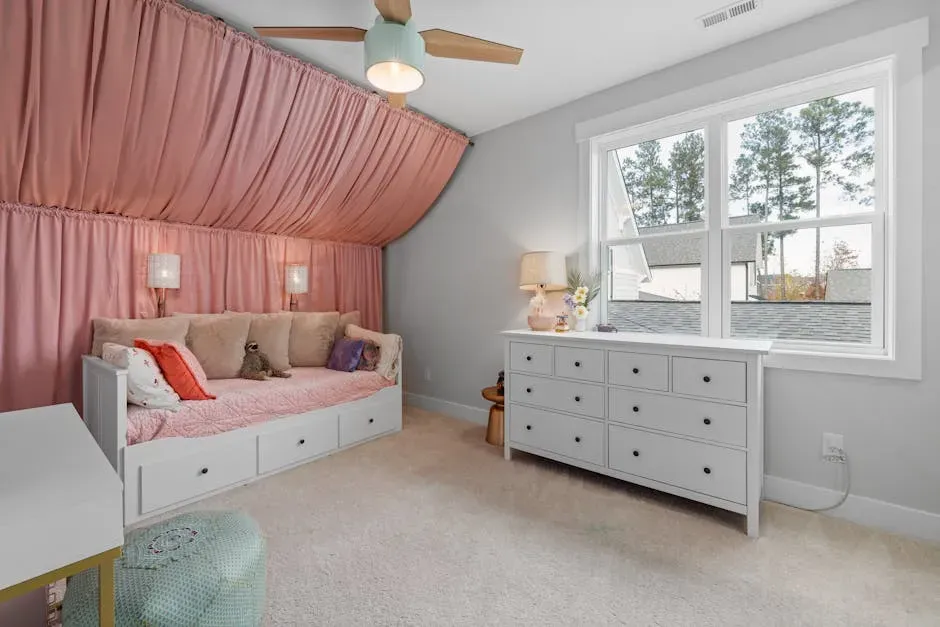
Children typically only possess a few costly possessions, and parents often hesitate to allow them to keep anything valuable due to concerns about their judgment. Most thieves will skip over their rooms. The kid’s room would be an unexpected place for storing valuables. It works precisely because it runs against the assumptions a burglar brings to the job.
It makes sense that burglars won’t think to ransack your kids’ bedrooms, especially ones filled with toys and clutter. Go ahead and hide a valuable item there, but make sure to keep it high up on a shelf where your kid won’t be able to get to it either. This approach works best as a secondary location, not your primary storage solution, and only for smaller items that don’t need frequent access.
5. Inside a Freezer or Deep Inside the Kitchen
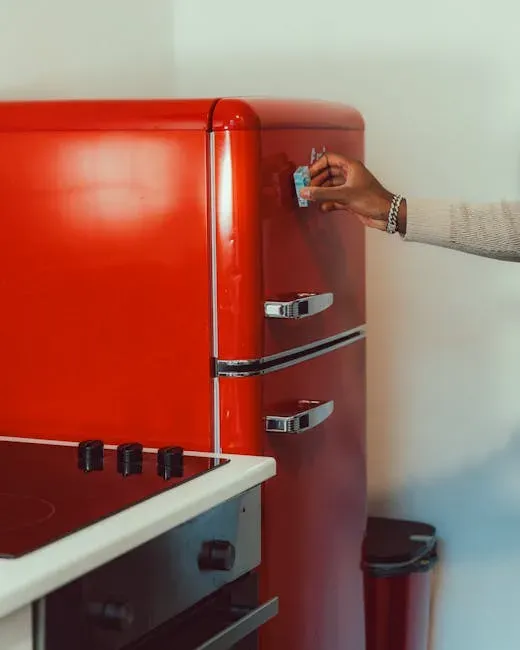
Storing cash in the freezer seemed to be such a 90’s movie cliché, but nowadays it’s a place burglars are unlikely to check. Place small valuables in a waterproof container or bag, and hide them inside a bag of frozen vegetables, one that doesn’t get eaten often by the family. This is especially useful for hiding valuables that don’t require frequent access.
Burglars are highly unlikely to go rifling through your tins, rice packets, or cereal boxes in search of valuables, so the back of a food cupboard could be a good option. The kitchen occupies a low priority on a thief’s mental map of your home. Still, this option has a clear ceiling. It offers no physical protection against fire or water damage, and it’s entirely dependent on the thief not having time or inclination to explore past the obvious rooms.
6. Under the Mattress or Inside Dresser Drawers
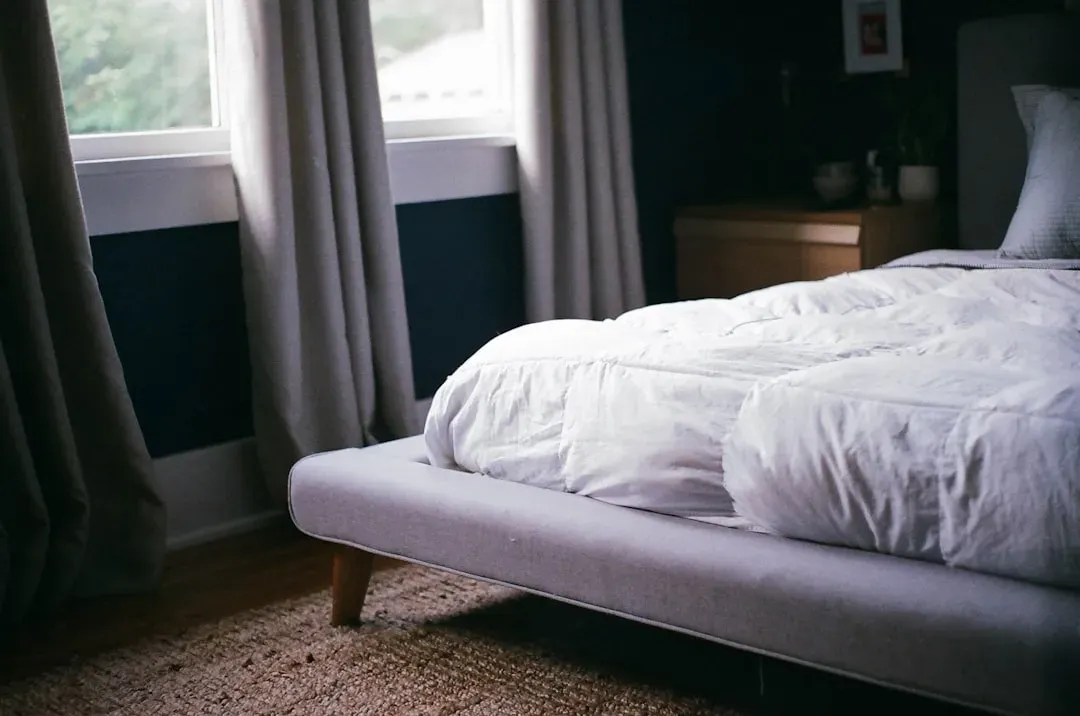
If the burglar makes it to a bedroom, one of the first places they may start rifling through is the dresser drawers. Valuables on top of dressers, such as in jewelry boxes, are obvious and easy to take quickly, but they also will be looking for other unique or more valuable items “hidden” in the drawers. The bedroom dresser is essentially a known quantity for anyone who has ever watched a crime drama.
Hiding valuables under the mattress is one of the oldest tricks in the book, so a burglar will check for anything of value, such as jewelry, firearms, prescriptions, and extra cash. The mattress in the master bedroom is particularly vulnerable because that room is likely where they will find the most items of value. These two spots rank near the bottom because they combine high predictability with a room that receives maximum attention during a break-in.
7. Near the Front Door or on Open Display
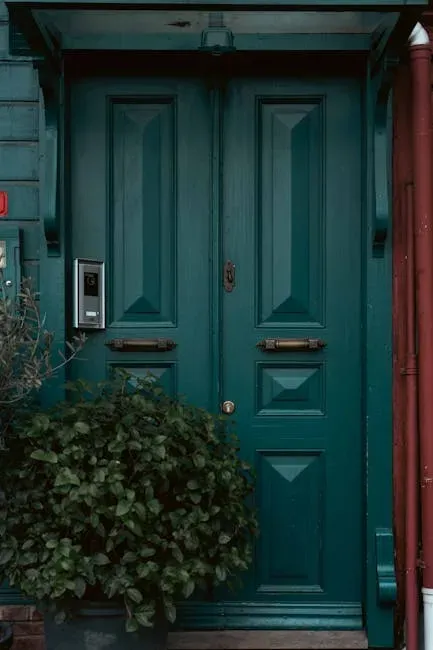
Doors and windows are the most common entry points for burglars, so areas near these entry points are often the first places they look for any valuables. Burglars also know many homeowners hide their house key near the front door, making it easier for them to break in within minutes or even seconds. Anything stored in a visible entry area is essentially advertising itself.
If a thief does break in the front door, they may not have time to go to other high-target areas of the house like the master bedroom or office. Instead, they’ll rummage through the drawers and cabinets right near the front door. Items most often found near the front door include car keys, backup cash, and personal documents. The front door zone is the single worst place to leave anything valuable. Speed and proximity make it almost effortlessly exploitable for an opportunistic thief working on a short clock.
The logic running through this entire list comes down to two things: time and expectation. In 2023, most burglaries lasted under 10 minutes, and criminals often know exactly what they’re looking for and how to get it. Storing valuables in ways that break those expectations, whether through physical barriers like floor safes or through misdirection like a child’s cluttered room, is what separates items that get recovered from items that don’t.
A layered approach tends to work best. Use a properly anchored safe for high-value or irreplaceable items, keep secondary hiding spots in low-priority rooms, and avoid the obvious spots that every thief checks first. The less predictable your choices, the better your odds.