
There is a good chance you have a jar of paprika, cumin, or ground ginger sitting in your spice rack right now that has been there since last year. Maybe two years. Maybe even longer. You keep using it because it still looks fine, smells like something, and hey, it hasn’t grown anything fuzzy. Here is the uncomfortable truth: the dish you made last night may have been missing its backbone of flavor entirely, and you never even noticed. Spices are quiet quitters.
Dried herbs and spices don’t spoil necessarily, but they do lose flavor and aroma over time. Since spices don’t expire like a gallon of milk, it can be difficult to gauge when to replace them. That ambiguity is exactly why most of us keep ancient jars around for years. So which spices are the worst offenders? You might be surprised. Let’s dive in.
1. Paprika: The Vibrant Spice That Fades Fastest
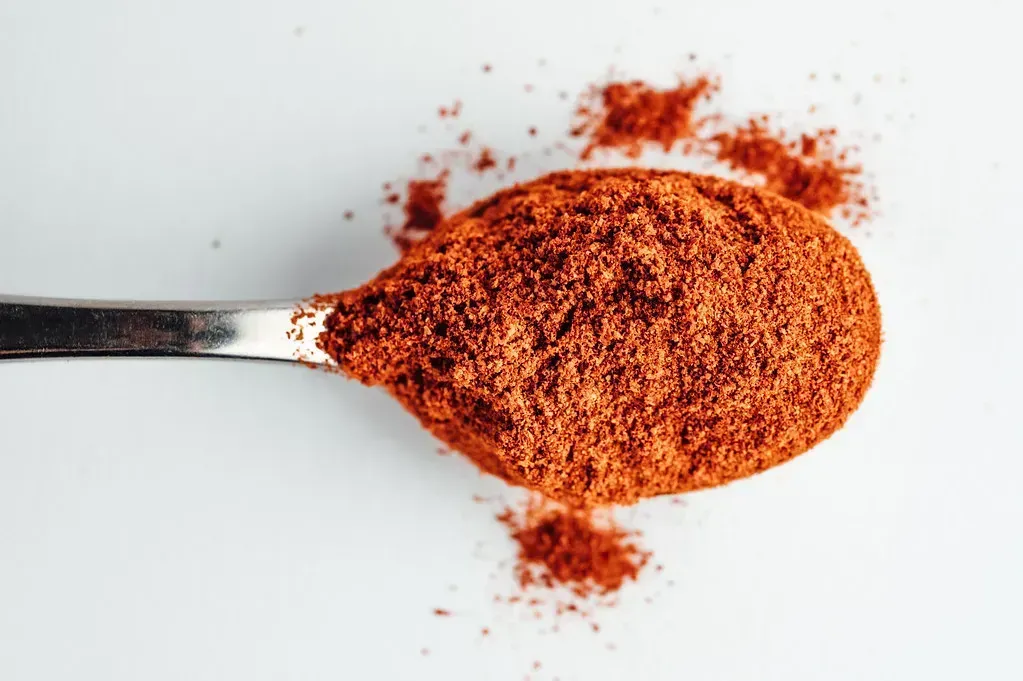
Paprika is one of the most visually dramatic spices in any kitchen. That deep, brick-red color is not just for show. It signals freshness, potency, and flavor. The moment it starts turning a dull orange or brownish hue, something important has already been lost.
Most home cooks don’t realize that paprika loses up to 70% of its flavor compounds within just six months of opening, according to research published by the American Spice Trade Association in 2024. That is not a small loss. That is nearly all of what makes paprika worth reaching for in the first place.
The U.S. Department of Agriculture’s Food Safety and Inspection Service documents this process through measurable volatile compound reduction, showing paprika losing 45% of capsaicinoids within 18 months when stored improperly. Vibrant red spices such as paprika and chili powder show color fading as one of the first indicators of degradation. Honestly, once the color has washed out, the flavor has too.
Red spices like paprika and cayenne pepper will retain their pigment longer if kept refrigerated. Still, even refrigeration can only slow the process. Buy smaller quantities, use them often, and treat that jar like the precious, perishable ingredient it actually is.
2. Ground Cumin: A Six-Month Countdown Starts at Opening
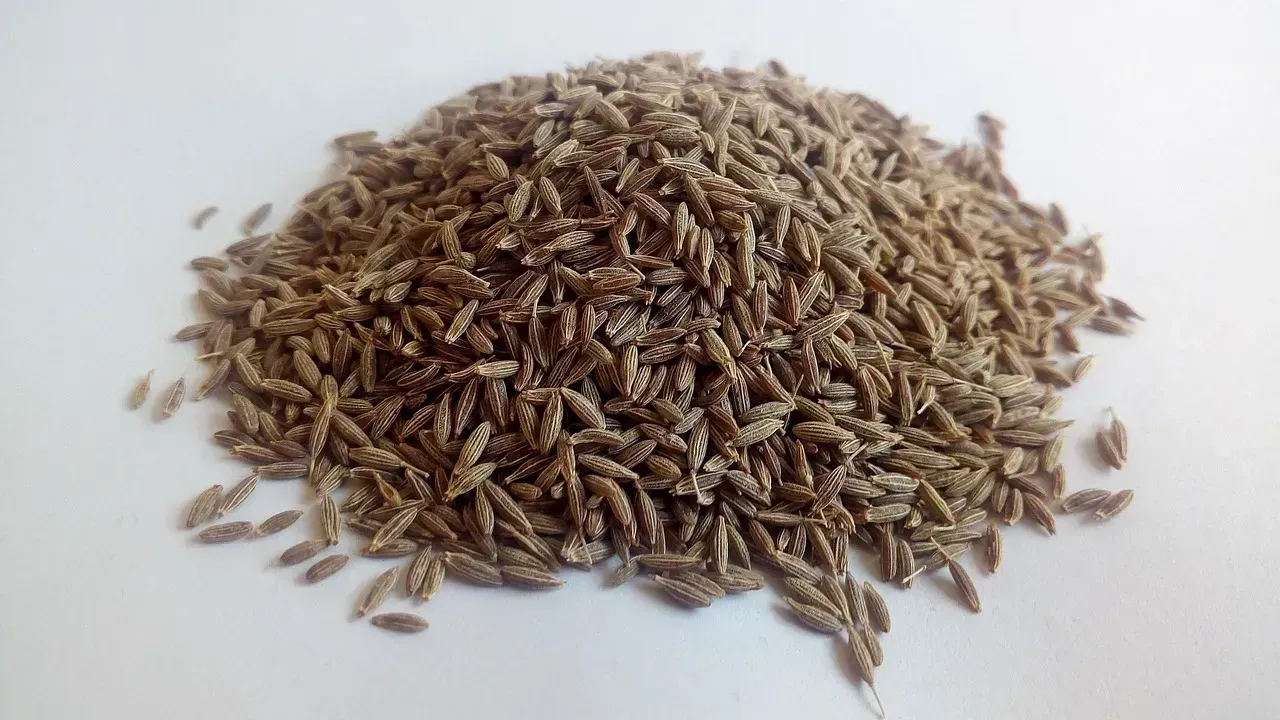
Cumin might be the hardest-working spice in any kitchen. It shows up in Mexican food, Indian curries, Middle Eastern stews, and basically everything warm and soulful. Losing its potency quietly and without warning is, frankly, a betrayal.
Ground cumin’s essential oils begin deteriorating rapidly after opening, with flavor intensity dropping by 60% within six months based on studies from the Institute of Food Technologists. That warm, nutty depth that makes a curry sing? Gone. Replaced by something slightly bitter and hollow.
A jar of ground cumin left near a gas burner may lose half its potency in just four months. Think about that for a second. Most spice racks live right next to the stove, which is essentially the worst possible place you could put them. Cumin in direct sunlight loses 90% of volatile compounds within 6 months, per USDA Food Safety Lab data.
The fix? When possible, purchase whole spices and grind them yourself, rather than purchasing pre-ground spices that will lose their flavor more quickly. Whole cumin seeds are a completely different animal. They hold their punch dramatically longer, and freshly grinding them takes about twenty seconds with a small grinder.
3. Ground Ginger: When the Warmth Disappears
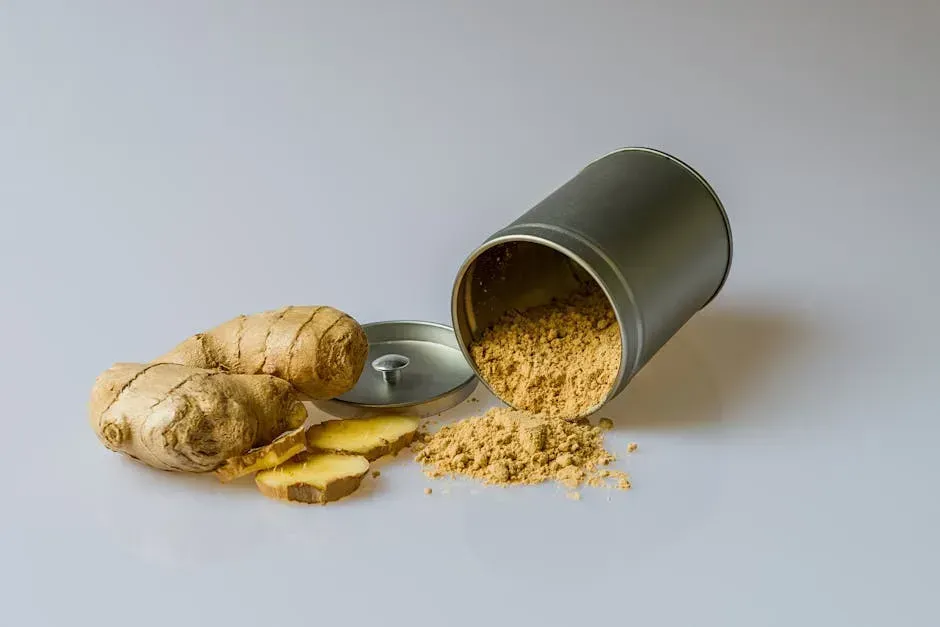
There is something almost irreplaceable about the sharp, warming kick of ground ginger in a freshly baked gingerbread or a quick stir-fry sauce. That tingling heat is chemistry in action. Sadly, it is also the first thing to go.
Ground ginger’s volatile oils, particularly gingerol compounds that provide its characteristic heat and aroma, deteriorate within four to six months after grinding according to spice industry research from 2024. The fine powder loses its peppery bite and warm fragrance much faster than fresh ginger or even dried whole pieces.
Food scientists note that ground ginger becomes progressively more woody and less pungent as its active compounds oxidize, explaining why older jars fail to provide the same warming sensation in baked goods or savory dishes. It goes from warm and zingy to flat and slightly dusty. You can double the amount you use and still miss the mark.
Professional bakers often replace their ground ginger every few months specifically because they notice the dramatic difference in flavor impact. That should tell you something. If people who bake for a living won’t let their ginger sit past a few months, neither should you.
4. Ground Coriander: The Citrusy Spice That Goes Stale Fast
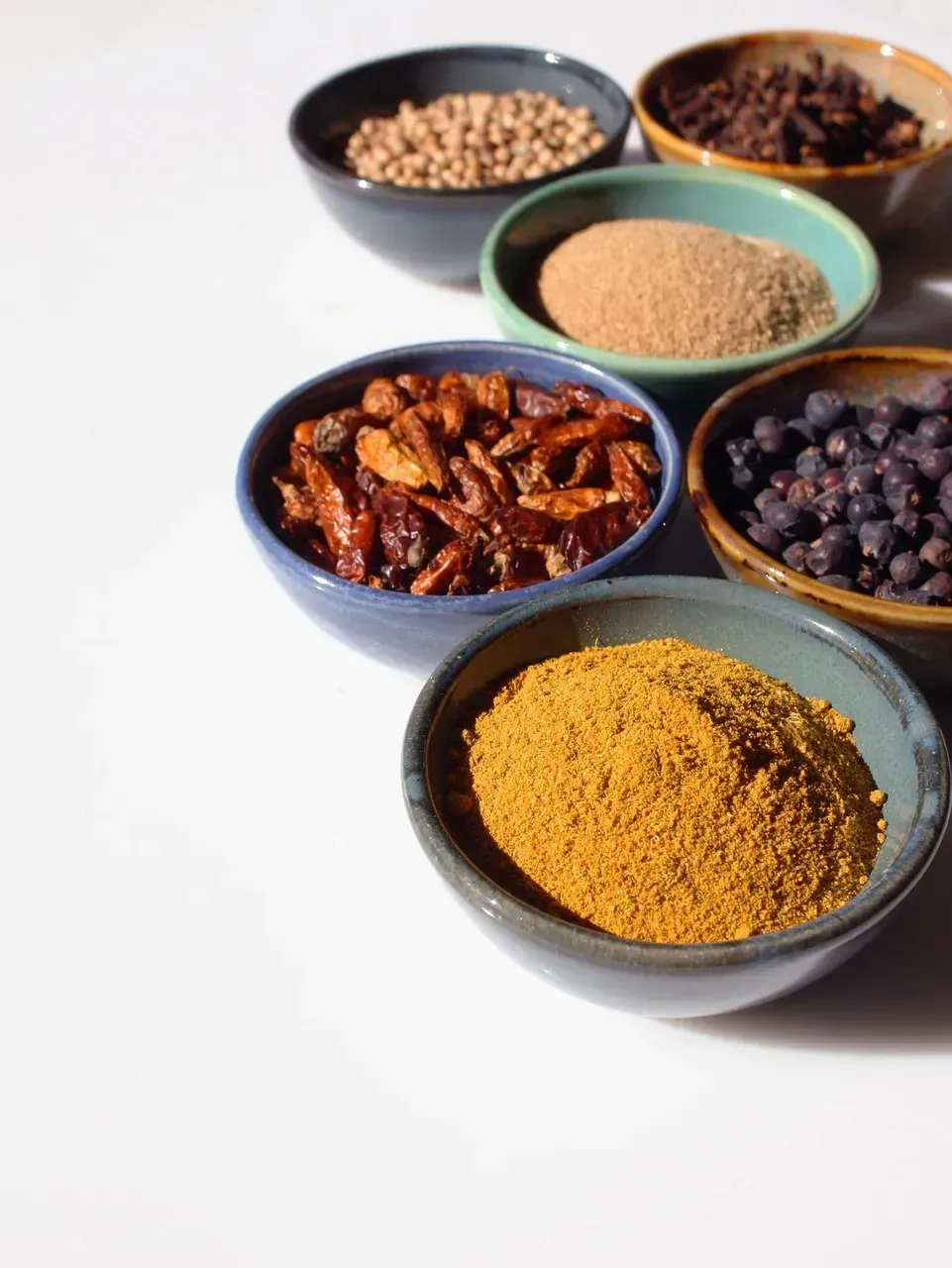
Ground coriander is one of those spices people rarely think much about. It sits in the back of the rack, gets used in curry pastes and spice rubs, and is generally taken for granted. That citrusy, almost lemony brightness it adds to a dish? Incredibly short-lived once it hits powder form.
The delicate citrusy and slightly sweet flavor of ground coriander vanishes remarkably quickly, with research from the Journal of Food Science showing significant flavor loss within four to six months of grinding. Unlike its whole seed counterpart, ground coriander’s increased surface area makes it vulnerable to rapid oxidation and volatile oil evaporation.
Professional chefs know this spice should smell fresh and lemony when you open the container, but old ground coriander often smells musty or completely odorless. That musty smell is a reliable tip-off. If you can’t detect that citrusy brightness within two seconds of opening the jar, it’s functionally useless for anything delicate.
The grinding process itself is part of the problem. During grinding, the temperature of the product rises to a level that causes spices to lose a significant fraction of their volatile oil or flavoring components due to this temperature rise. The clock starts ticking the moment the seeds are milled, not when you open the packet.
5. Turmeric: Losing Both Flavor and Health Benefits
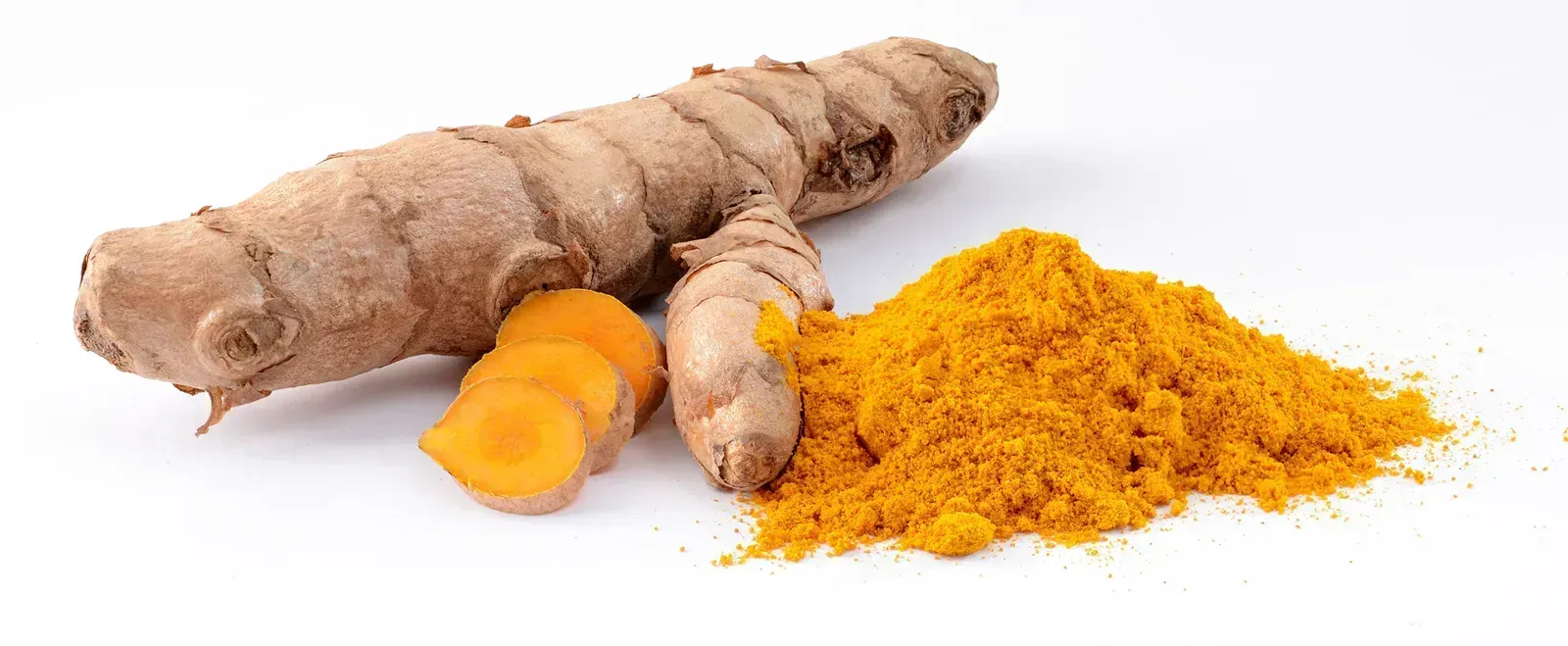
Turmeric has had a serious cultural moment over the past several years. Golden milk lattes, anti-inflammatory tonics, wellness supplements. But let’s be real: if your ground turmeric has been sitting open for more than six months, you might be getting very little of what you paid for.
A 2023 Serious Eats analysis found ground turmeric loses 60% of curcumin potency within 18 months of opening, directly impacting both taste and health benefits. Curcumin is the compound everyone is after. Losing roughly two thirds of it in a jar and a half is not a great return on investment.
Storing clear jars near light reduces curcumin in turmeric by 50% in 6 months, per data noted by food safety researchers. That golden color you see in a jar of fresh turmeric? It fades visibly as the curcumin degrades. A pale, yellowish powder is a jar past its prime.
The flavor dimension matters too, not just the wellness angle. Fresh turmeric has an earthy, slightly bitter warmth that shapes an entire curry. Without it, you’re essentially adding yellow chalk dust. Typically, ground spices maintain their best flavor for about 4 to 8 months. After that, they won’t necessarily spoil like fresh produce, but they do lose potency and can even alter the taste of your meals.
6. Garlic Powder: The Allicin Disappearing Act
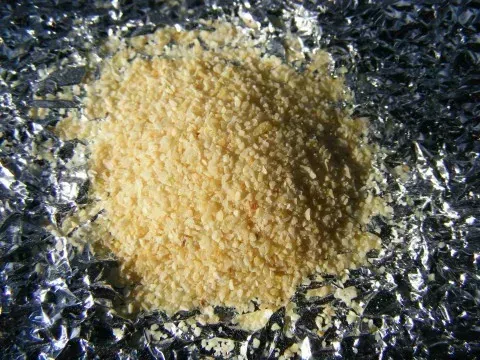
Garlic powder is one of the most frequently used spices in home kitchens worldwide. Pasta sauces, roasted vegetables, meat rubs, salad dressings. Its savory, pungent depth touches nearly every dish. Which makes its rapid decline all the more frustrating.
Garlic powder’s allicin compounds, responsible for its characteristic bite and aroma, degrade significantly within six months of opening according to food preservation research from Cornell University. The fine powder format accelerates moisture absorption and oxidation, turning what should be a potent flavoring agent into bland dust.
Many home cooks don’t realize their garlic powder has lost potency because they gradually increase the amount they use without consciously noticing the change. Fresh garlic powder should have a sharp, immediate aroma when you open the container, not the mild, stale smell that comes from years-old jars. Think about the last time you actually stopped, opened your garlic powder, and smelled it properly. It’s a revealing exercise.
Spices stored near stoves or in clear containers lose flavor compounds up to 50% faster than those kept in dark, airtight containers away from heat sources. Garlic powder is especially susceptible to humidity, which causes clumping and compound breakdown simultaneously. If your garlic powder has gone hard and clumpy, the allicin is almost certainly long gone.
7. Ground Chili Powder: Heat Stays, Flavor Leaves
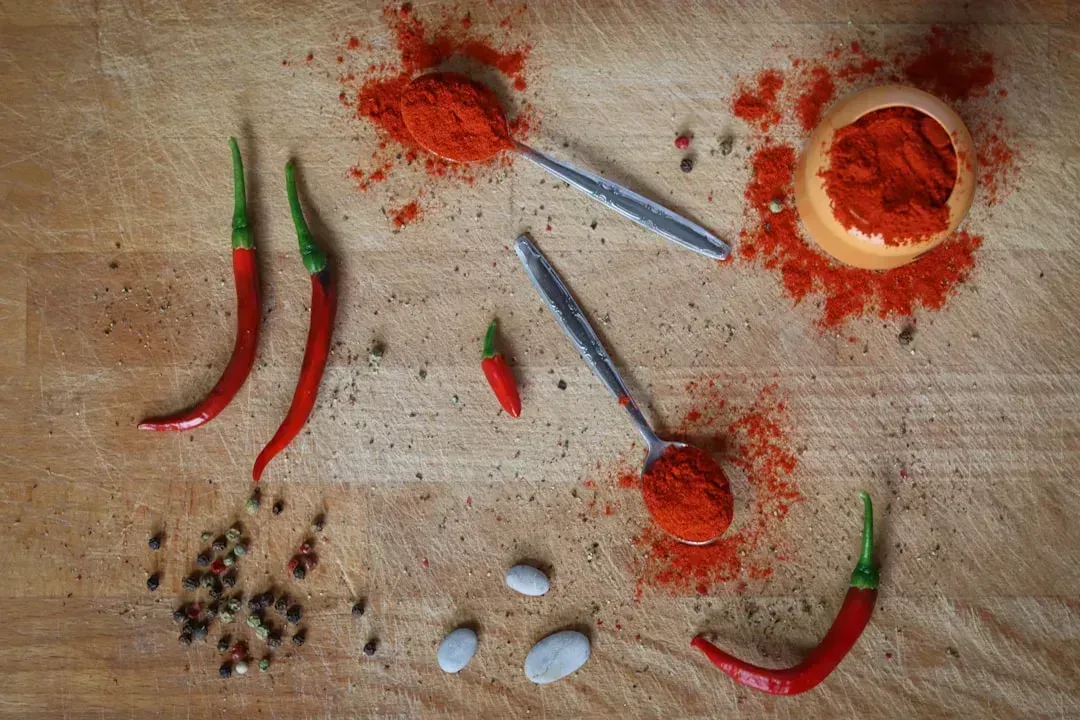
Here is something that catches people out. Older chili powder can still produce a vague burn on the back of the throat. That heat makes you think the spice is still working. It is not. What you’re missing is everything else: the complexity, the earthiness, the deep fruitiness of the dried peppers behind that heat.
Commercial chili powder blends lose their nuanced flavor profiles within six months, though many families keep using the same container for years without noticing the decline. The capsaicin that delivers heat is relatively more stable than the volatile aromatic compounds that deliver flavor. You get the sting without the soul.
Ground spices lose roughly half of their potency within one to two years, while whole spices retain the vast majority of their flavor for three to four years. Exposure to light, heat, or humidity accelerates degradation, per USDA Food Safety and Inspection Service guidelines. For a spice blend like chili powder, which contains multiple ground ingredients all degrading at different rates, the window of peak quality is even shorter.
If you have ever made a chili or a spice rub that tasted flat no matter how much you added, this is almost certainly the reason. I think this is the most misunderstood flavor saboteur in the entire spice rack. Fresh chili powder transforms a dish. Old chili powder just disappears into the background noise.
8. Ground Cardamom: The Volatile and Precious One
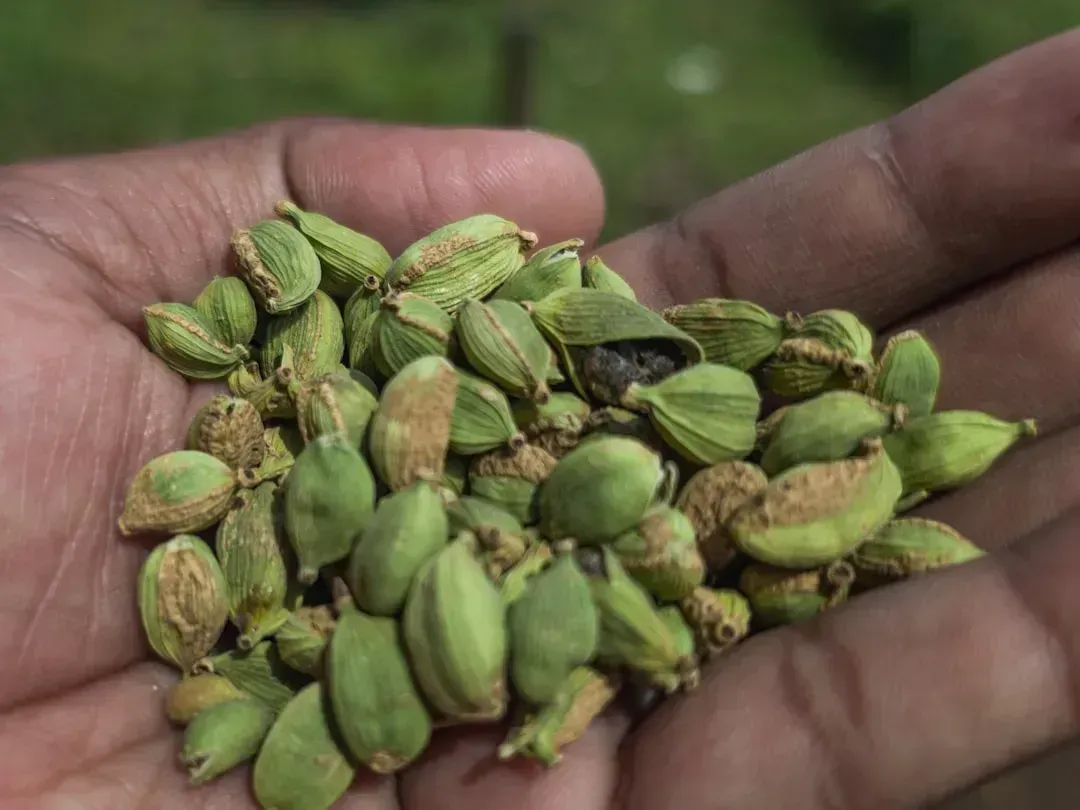
Ground cardamom is possibly the most aromatic spice on this list when fresh, and the most heartbreakingly disappointing when stale. That floral, eucalyptus-meets-citrus complexity is unlike anything else in the spice world. It is also among the most volatile, meaning it fades faster than almost any other spice once ground.
Some spices lose their flavor faster than others, like a potent ground cardamom or subtle ground Ceylon cinnamon. Cardamom, in particular, carries such a high essential oil content that the degradation curve is steep and rapid. Even though these spices with high volatile oil contents smell extremely delicious when they are first ground, the higher the oil content, the quicker the flavor and aroma will dissipate.
Whole spices like cinnamon sticks, black peppercorns, and cardamom pods keep their flavor for the longest time. When you pulverize these spices, it breaks their cellular walls, and releases their aromatic chemical compounds. Once those compounds are in the air, they’re gone. Every time you open the jar, a little more of the magic escapes into the atmosphere rather than your food.
A 2023 blind tasting study by the Culinary Institute of America found participants consistently rated dishes made with freshly ground cumin, coriander, and black pepper as “more aromatic,” “better balanced,” and “significantly more complex” than identical dishes using pre-ground equivalents aged 6 or more months. It’s hard to say for sure whether cardamom would top even that list of dramatic differences, but given its volatile oil content, the evidence strongly suggests it would. Buy whole pods and grind only what you need. Your baking will never be the same again.