
Smart Thermostats Set Too Aggressively
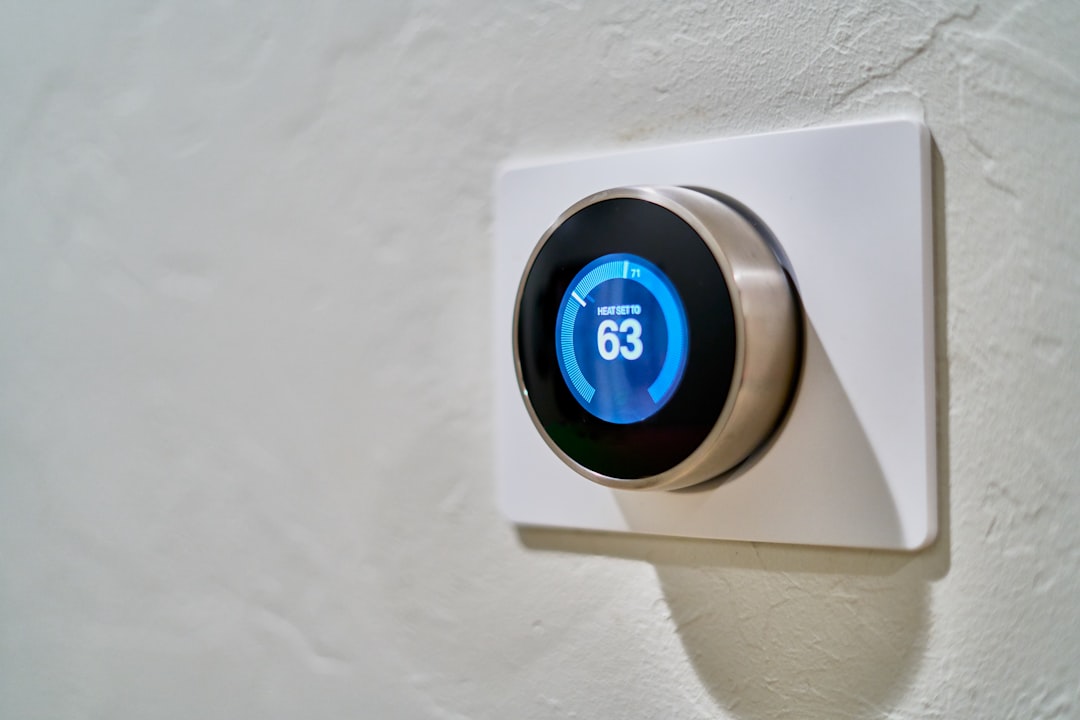
Smart thermostats promise to learn your habits and save energy automatically. However, environmental data shows they often achieve the opposite when programmed incorrectly. Many homeowners set overly aggressive temperature schedules, believing more dramatic swings will save more money.
While programmable thermostats can save energy by automatically regulating temperature when you’re away, improper settings can waste energy. The problem emerges when these devices create uncomfortable conditions that force occupants to override settings constantly. Research indicates that homes with poorly configured smart thermostats can consume up to fifteen percent more energy than those with basic manual controls.
The issue compounds when smart thermostats trigger frequent HVAC cycling. Instead of maintaining steady, efficient operation, these systems work harder to achieve rapid temperature changes. This creates the paradox where “smart” technology becomes less efficient than older, simpler alternatives.
Installation quality matters tremendously. Many smart thermostats require professional calibration to work properly, yet homeowners often skip this step. Heating and cooling typically accounts for 43% of home utility bills, but combining proper equipment with appropriate thermostat settings can cut energy use by 20% to 50%.
Oversized Heat Pumps and HVAC Systems
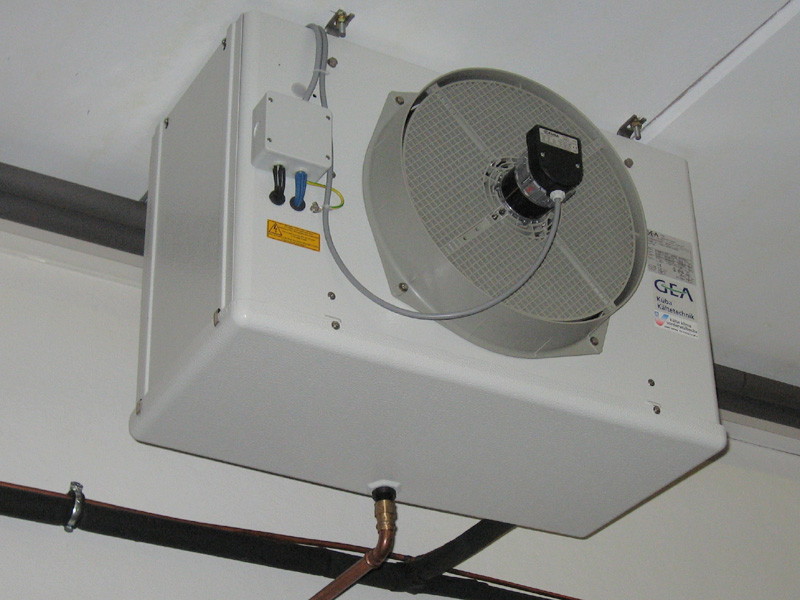
Heat pumps are among the most energy efficient options for home heating and cooling, capable of reducing electricity use for heating by up to 75% compared to electric resistance systems. Yet bigger isn’t always better when it comes to these systems. Oversized heat pumps create a phenomenon called short cycling, where the system turns on and off frequently instead of running steadily.
Environmental monitoring data from residential installations reveals that oversized systems operate at reduced efficiency levels. They consume more electricity per unit of heating or cooling delivered because they never reach optimal operating conditions. The equipment runs in constant start-stop mode, which is inherently wasteful.
Short cycling also prevents heat pumps from removing humidity effectively. This forces occupants to set lower temperatures for comfort, further increasing energy consumption. Studies show that oversized heat pumps can use twenty to thirty percent more energy than properly sized units.
The solution requires professional load calculations before installation. Trusted professionals who specialize in heat pump installation can help determine which system is best for your home and budget. Many contractors, unfortunately, size systems based on square footage alone rather than conducting proper heat loss calculations.
Energy-Efficient Windows With Poor Installation

Replacing old single-pane windows with ENERGY STAR-rated windows can save 13% on energy bills while reducing drafts and improving home value. However, installation quality determines whether these windows actually deliver promised savings. Poor installation can create air leaks that completely negate efficiency gains.
Environmental field studies document numerous cases where high-performance windows perform worse than the units they replaced. The problem usually stems from inadequate sealing around window frames. Even tiny gaps can allow significant air infiltration, forcing HVAC systems to work harder to maintain temperature.
Improper flashing and weatherproofing compound the problem. Water infiltration around poorly installed windows can damage insulation, reducing its effectiveness over time. This creates a cascading effect where multiple building components lose efficiency simultaneously.
About 20% of air infiltration occurs through windows, doors, and skylights, but storm windows alone can reduce heat loss by 25% to 50%. Professional installation becomes crucial for realizing these benefits. Many homeowners discover their “efficient” windows actually increased their energy bills due to installation defects.
LED Lighting Systems That Encourage Overuse
LED bulbs consume roughly eighty percent less energy than traditional incandescent lighting. This dramatic efficiency improvement seems like an obvious win for energy conservation. Yet behavioral studies reveal an unintended consequence: many households dramatically increase their lighting usage after switching to LEDs.
This represents a classic example of the rebound effect in action. The energy rebound effect is characterized by increasing energy use despite enhanced efficiency, with some instances showing “backfire” where efficiency improvements lead to higher consumption. Families leave lights on longer, install more fixtures, and use accent lighting they previously avoided due to cost concerns.
Environmental monitoring shows that some homes equipped with LED systems consume more total lighting energy than they did with incandescent bulbs. The psychological impact of “free” lighting encourages wasteful habits that offset technological gains.
The problem extends beyond individual behavior. LED’s long lifespan and low operating costs encourage installation of decorative lighting systems that run continuously. Landscape lighting, under-cabinet strips, and accent fixtures can collectively consume significant energy when operated around the clock.
High-Efficiency Appliances That Increase Usage Patterns
ENERGY STAR clothes dryers use 20% less energy than conventional models, with heat pump dryers saving 20-60% more energy than conventional units. However, efficiency improvements in appliances often trigger increased usage that partially or completely offsets energy savings.
Research documents this phenomenon across multiple appliance categories. Efficient dishwashers encourage more frequent washing cycles. High-efficiency washing machines lead to larger or more frequent loads. The psychological effect of owning “green” appliances reduces guilt about increased usage.
Economic factors drive some of this behavior change. Lower operating costs make it financially attractive to use appliances more frequently. This represents the “rebound effect” where gains in energy efficiency save less energy than expected, with some cases showing “backfire” where efficiency improvements increase energy use.
Manufacturing data reveals another concern: some high-efficiency appliances achieve better ratings by operating at lower power levels for longer periods. While this improves efficiency metrics, it can increase total energy consumption for certain usage patterns. A dishwasher that runs for three hours instead of one hour might use less energy per dish but more energy per load.
Smart Power Strips With Phantom Load Issues
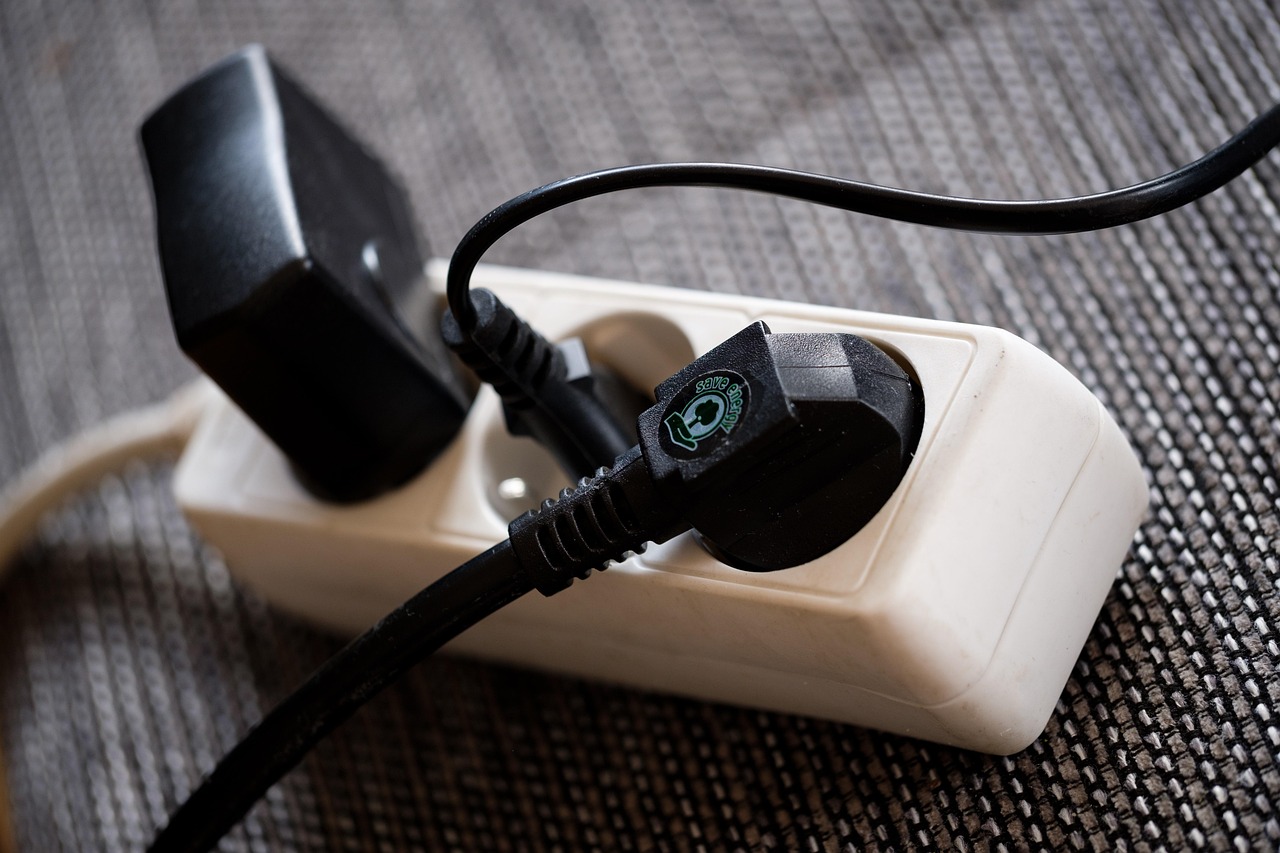
Smart power strips can enhance energy efficiency by detecting when connected devices aren’t in use and cutting power, preventing “phantom” energy consumption from devices in standby mode. However, the smart strips themselves can become energy vampires when configured improperly.
Environmental testing reveals that many smart power strips consume more standby power than the devices they’re meant to protect. Advanced models with wireless connectivity, scheduling features, and remote monitoring can draw substantial phantom loads continuously. Some units consume fifteen to twenty watts continuously, which exceeds the standby power of several typical electronics combined.
Programming complexity creates another issue. Many smart strips require constant WiFi connections and cloud communication to function properly. This connectivity demands ongoing power consumption that can exceed the savings from controlled outlets.
False triggering compounds the problem. Sensitive smart strips may cut power to devices that should remain active, forcing users to override protection features. When occupants disable smart functions due to inconvenience, these devices offer no efficiency benefits while consuming more power than basic power strips.
Solar Panel Systems With Poor Grid Integration
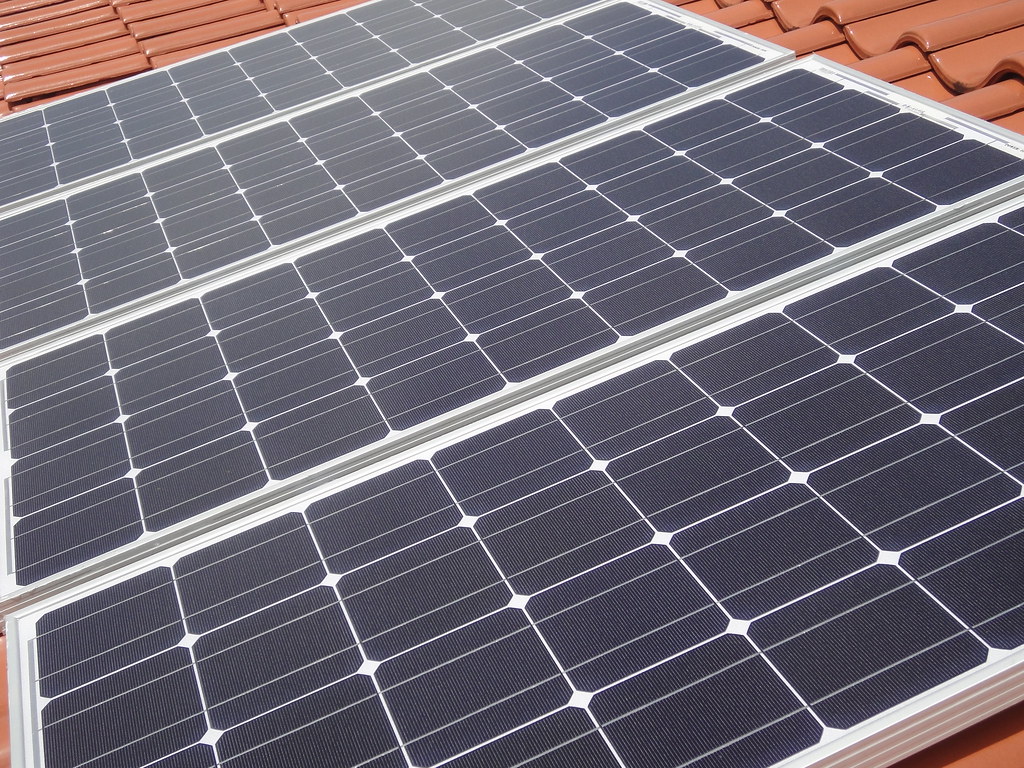
Solar installations may qualify for a 30% tax credit on costs for qualified property installed through 2025. Yet poorly designed solar installations can actually increase net energy consumption through inefficient grid integration and behavioral changes.
Time-of-use electricity pricing creates scenarios where solar systems reduce efficiency. Homes that generate excess power during midday often consume expensive peak-time electricity in the evening. Without proper energy storage or load management, solar installations can increase electricity costs despite producing clean energy.
Oversized solar systems encourage wasteful electricity usage. Homeowners with substantial solar generation often reduce conservation efforts, believing their renewable energy production justifies increased consumption. Environmental studies document cases where solar-equipped homes use more total electricity than they did previously.
Grid-tie inverter inefficiencies compound these issues. Some installations lose ten to fifteen percent of generated power through conversion losses and system inefficiencies. Poor system design, inadequate maintenance, or incompatible components can make solar installations net energy consumers rather than producers.
Upgraded Insulation That Creates Ventilation Problems
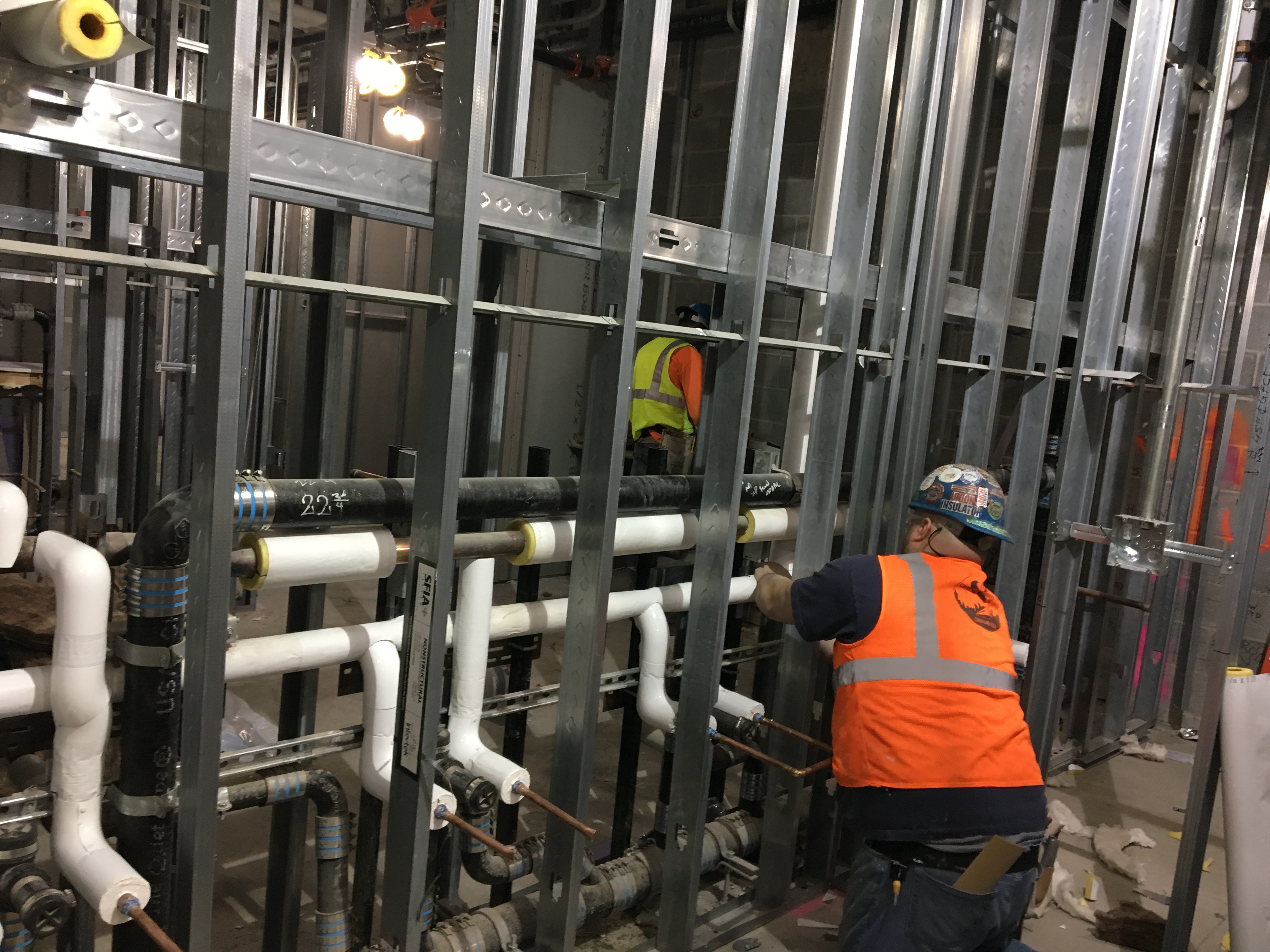
Insulating attics and basements properly can save 15% on heating and cooling costs according to the Environmental Protection Agency. However, aggressive insulation upgrades without proper ventilation planning can create moisture problems that reduce overall building efficiency.
Sealed building envelopes require mechanical ventilation to maintain air quality and prevent moisture accumulation. Many insulation upgrades ignore this requirement, creating conditions that compromise both efficiency and occupant health. Trapped moisture can damage building materials and reduce insulation effectiveness over time.
Air quality problems force occupants to open windows frequently, negating insulation benefits. Studies show that some heavily insulated homes consume more energy for climate control than moderately insulated homes with proper ventilation systems.
Proper air sealing of gaps and cracks prevents heated and cooled air from escaping, while crawl space encapsulation creates barriers that prevent heat loss in winter and heat gain in summer. The key is balancing air sealing with controlled ventilation rather than creating completely sealed environments.
Energy Monitoring Systems That Encourage Gaming

Home energy monitoring systems promise to reduce consumption by providing real-time usage data. However, behavioral research reveals that some users engage in “gaming” behaviors that actually increase energy consumption while appearing to improve efficiency metrics.
Peak shaving represents one problematic strategy. Homeowners learn to shift electrical loads from peak monitoring periods to off-peak times without reducing total consumption. This creates the appearance of efficiency improvements while maintaining or increasing actual energy usage.
Competitive comparison features can backfire spectacularly. Some monitoring systems compare household usage to neighbors or regional averages. Families scoring well on these comparisons often reduce conservation efforts, believing they’re already doing enough. Research shows that efficiency improvements can lead to “backfire effects” where energy consumption increases, resulting in higher pollution levels.
Technical limitations of monitoring systems create additional problems. Inaccurate measurements can provide false feedback that encourages wasteful behaviors. Some systems fail to account for seasonal variations or changes in household occupancy, leading to misleading efficiency calculations.
Variable Speed Pool Pumps With Poor Programming

Variable speed pool pumps can reduce swimming pool energy consumption by seventy percent compared to single-speed models. These efficiency gains make them attractive upgrades for pool owners seeking to reduce operating costs. However, improper programming often eliminates these benefits entirely.
Many installations fail to optimize pump scheduling for actual pool needs. Contractors often program these systems to run continuously at low speeds rather than developing efficient circulation schedules. While low-speed operation is more efficient per hour, running continuously can consume more total energy than strategic high-speed operation.
Filtration requirements vary significantly based on pool usage, weather conditions, and water chemistry. Variable speed pumps require sophisticated programming to adapt to these changing conditions. Generic settings provided by installers rarely optimize efficiency for specific pool environments.
Feature creep represents another common problem. Variable speed pumps enable water features, enhanced filtration cycles, and automated cleaning systems that weren’t practical with single-speed equipment. Pool owners often add these features without considering their energy impact, resulting in higher consumption despite more efficient basic operation.