
That perfectly manicured lawn and tidy garden might be a source of pride, but poor yard waste disposal practices could land you with hefty fines from environmental authorities. Recent environmental data reveals troubling trends in how homeowners dispose of their yard debris, leading to increased enforcement actions across the country.
Bagging Yard Waste in Wrong Materials

Loose leaves, pine needles and yard clippings must be placed in clear plastic bags or placed in garbage carts according to municipal solid waste codes. Violations of the Solid Waste Code are class 4 misdemeanors with fines typically ranging from $10 to $250.
Customers are required to use a yellow $1 Extra Trash and Yard Waste Tag for each bag of yard waste, and violations of yard waste and brush collection are subject to a civil penalty of $100 for the first violation and $150 for each subsequent violation. Some jurisdictions require specific biodegradable paper bags rather than plastic.
Paper bags are required for yard material collection on separate yard material (“Y”) days, and when setting out yard materials on Y collection days, use heavy-duty paper bags only. Many homeowners are unaware these specific requirements exist until they receive their first citation.
Dumping Yard Waste in Water Bodies
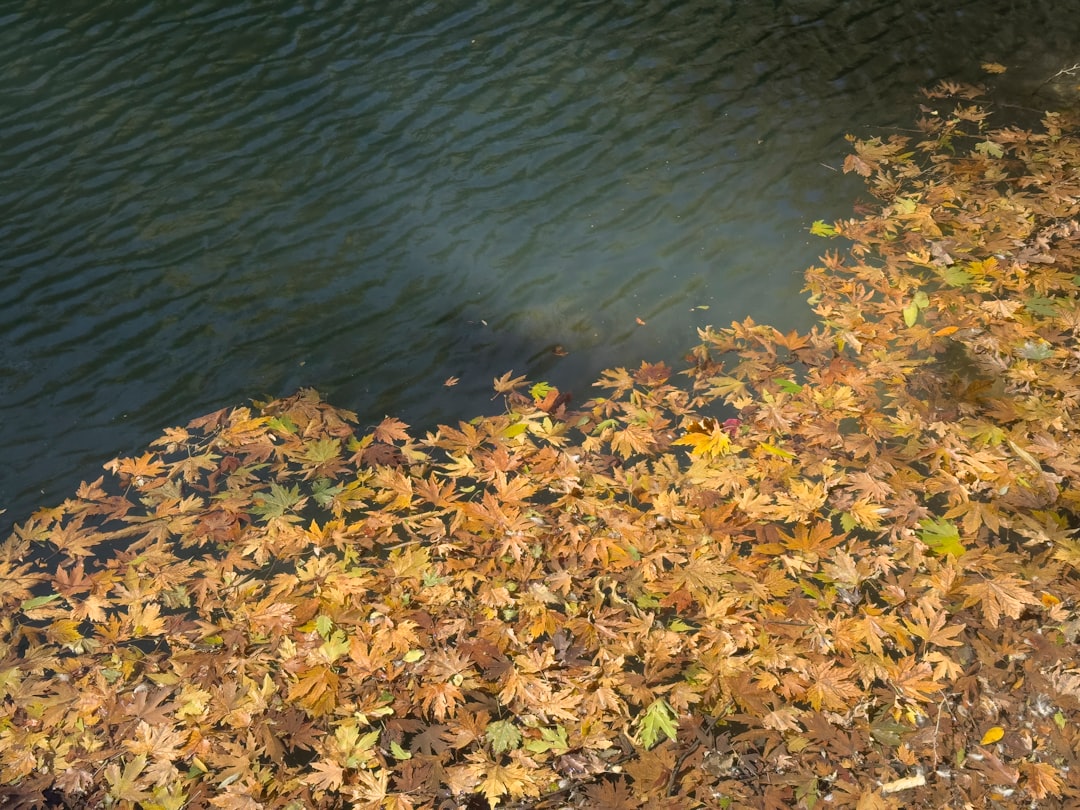
Tossing grass clippings and leaves into streams, lakes, or storm drains creates serious environmental problems. Under Michigan’s littering law, disposing of yard waste in the water is a civil infraction that can be ticketed by local law enforcement and is punishable with fines from $800 to $5,000 depending on the circumstances. It is also in a violation of Michigan water pollution control regulations, which are enforced by the Michigan Department of Environment, Great Lakes, and Energy (EGLE), and is punishable with much higher fines.
The organic matter depletes oxygen levels in waterways, creating dead zones where fish and other aquatic life cannot survive. Environmental authorities treat this as both littering and water pollution violations. Even seemingly harmless leaf piles near waterways can wash into streams during heavy rains, triggering enforcement actions.
Do not rake or blow leaves (or other yard materials) into the public street. It is a violation of County Code Section 18-3-109 to place leaves, grass or other debris into a County street or in storm drains. Such unlawful acts may result in fines being issued.
Burning Yard Waste Without Permits
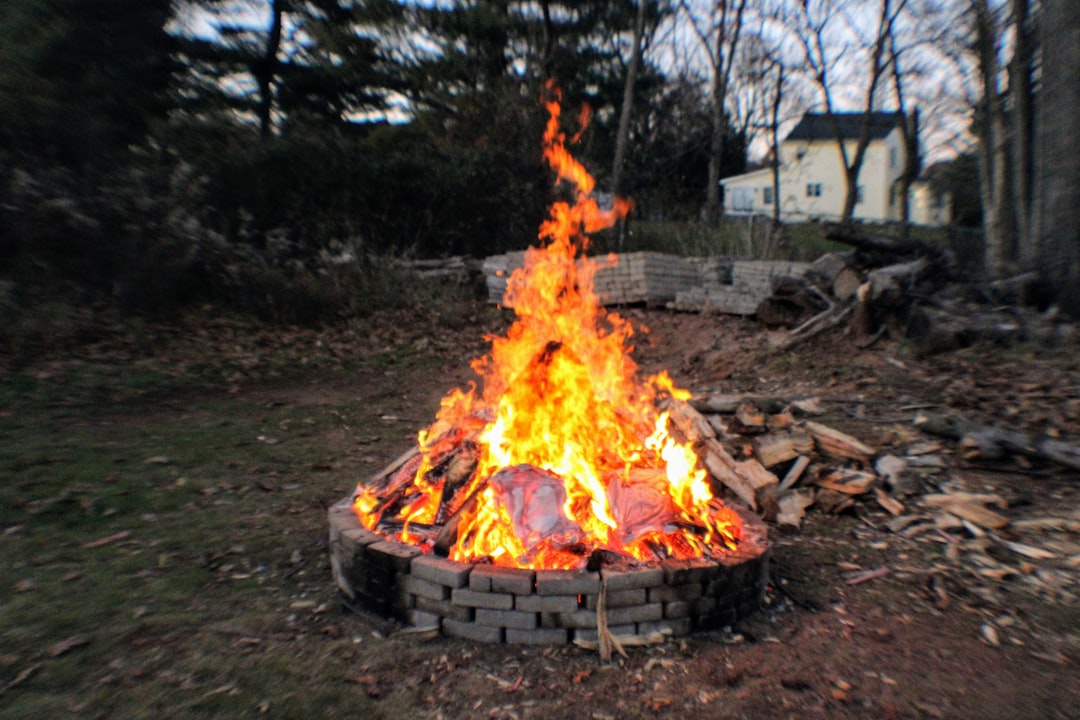
Open burning of yard waste without proper permits triggers substantial penalties across multiple jurisdictions. Violators can be fined up to $25,000 for illegal open burning violations. You can be fined up to $10,000 per day for illegal burning in Washington state.
Ohio EPA has the authority to issue fines of up to $1,000 per day per offense. Improper out-door burning can lead to fines up to $25,000 in Tennessee. Many states have specific restrictions on when and what can be burned, even with permits.
Residential yard waste and commercial land clearing burning can only occur between 8 a.m. and 6 p.m., and burning is only allowed when the air quality forecast is Code Green or Code Yellow. Burning on Code Orange, Red or Purple days is prohibited. Violating these timing restrictions compounds the penalties significantly.
No burn permits are issued or valid within the City of Black Diamond or urban growth areas – state law prohibits yard waste burning within city limits. Failure to comply with permit conditions may result in fines or permit cancellation.
Setting Out Yard Waste at Wrong Times
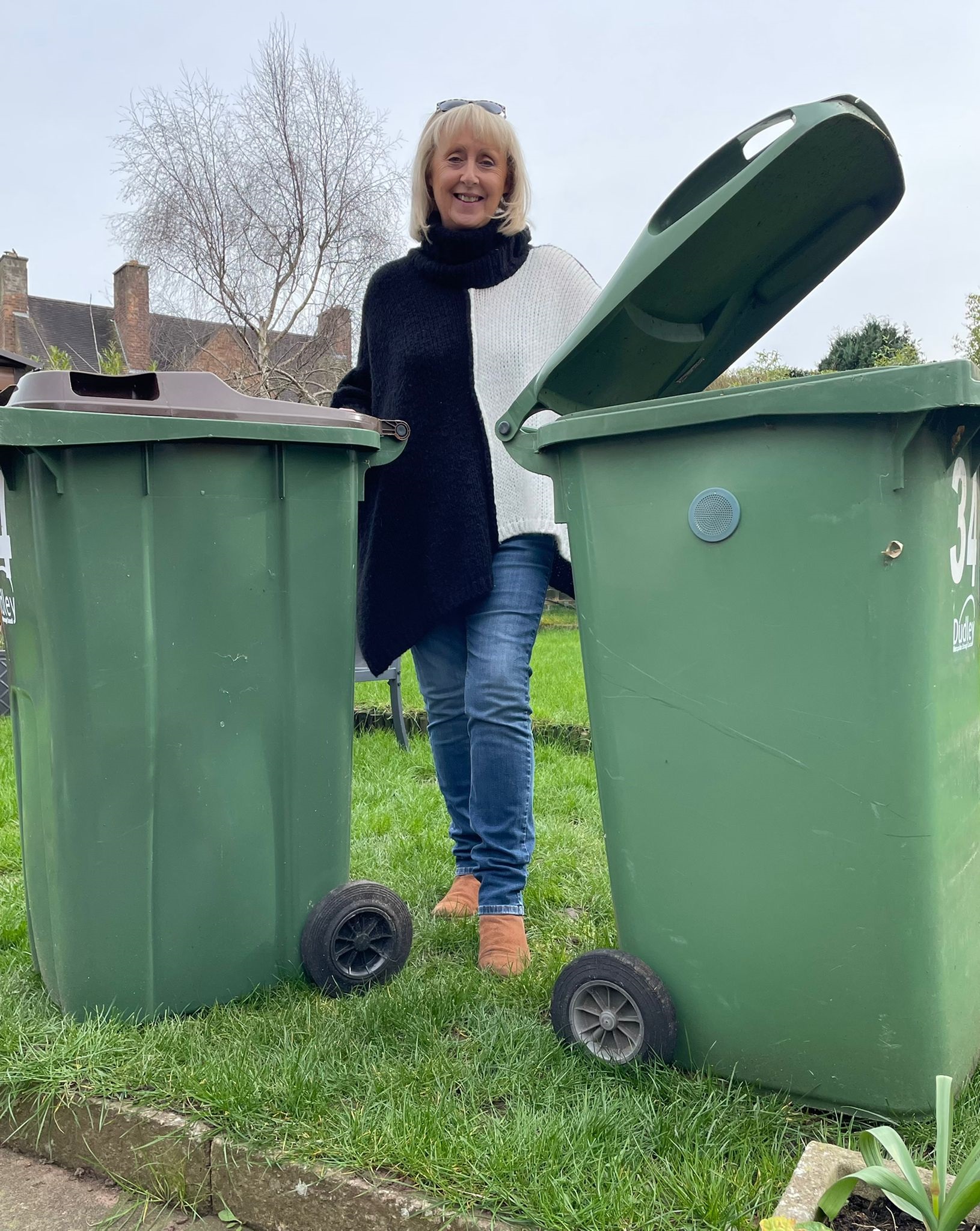
Timing violations for yard waste collection generate thousands of citations annually across the country. Additionally, garbage may not be placed out for collection prior to 6:00 pm on the evening prior to the day of collection. Any resident not in compliance with the above regulations will be subject to fines up to $750 per violation and other penalties for repeat offenses.
Brush must be placed at the curb by 7 a.m. on Wednesday (or after 5 p.m. on Tuesday). Brush must be stacked at the curb, avoiding sidewalks and storm drain openings wherever possible, and not in the gutter. These seemingly minor timing violations add up quickly for repeat offenders.
Yard waste that is not properly prepared will not be collected. Items may be treated as a special collection with the resident charged accordingly. Some municipalities implement escalating fine structures where each subsequent violation within a twelve-month period increases the penalty amount.
Failing to Separate Compostable Materials
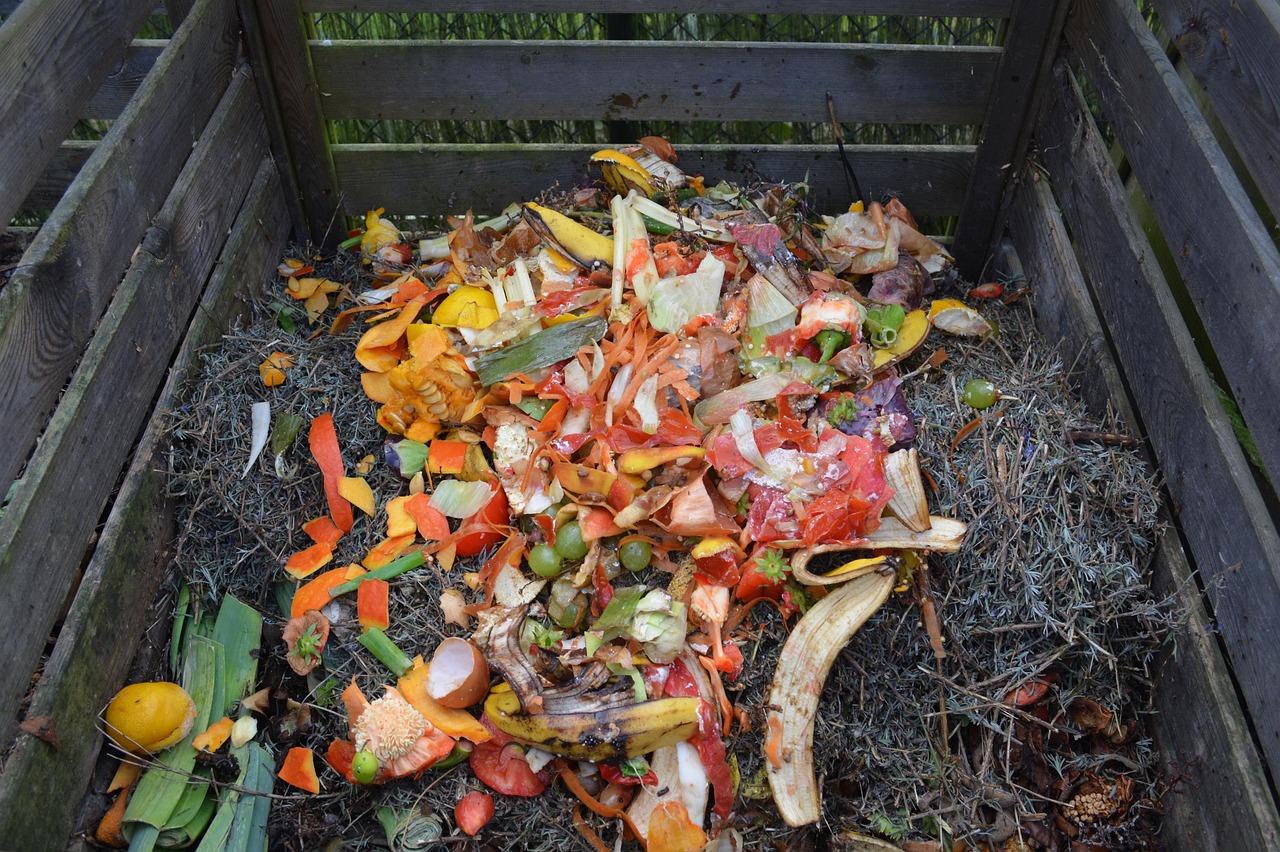
New mandatory separation requirements are catching many homeowners off guard with significant financial consequences. As of April 1, 2024, leaf and yard waste, food waste, and food-soiled paper separation from trash is mandatory CITYWIDE. Property owners who do not separate compostable material from trash may be fined.
The city plans to allow for a three-month education period before issuing citations for improperly disposing of yard waste, after which fines could start at $25 for residential buildings with one to eight units and $100 for larger residential buildings. These citywide mandates are expanding rapidly as municipalities seek to reduce landfill waste.
Leaf and yard waste, food scraps, and food-soiled paper should be set out inside labeled bins (55 gallons or less) with secure lids or in your DSNY brown compost bins. Improper container usage or missing labels can trigger additional violations on top of the base separation requirement fine.
Exceeding Volume Limits for Yard Debris
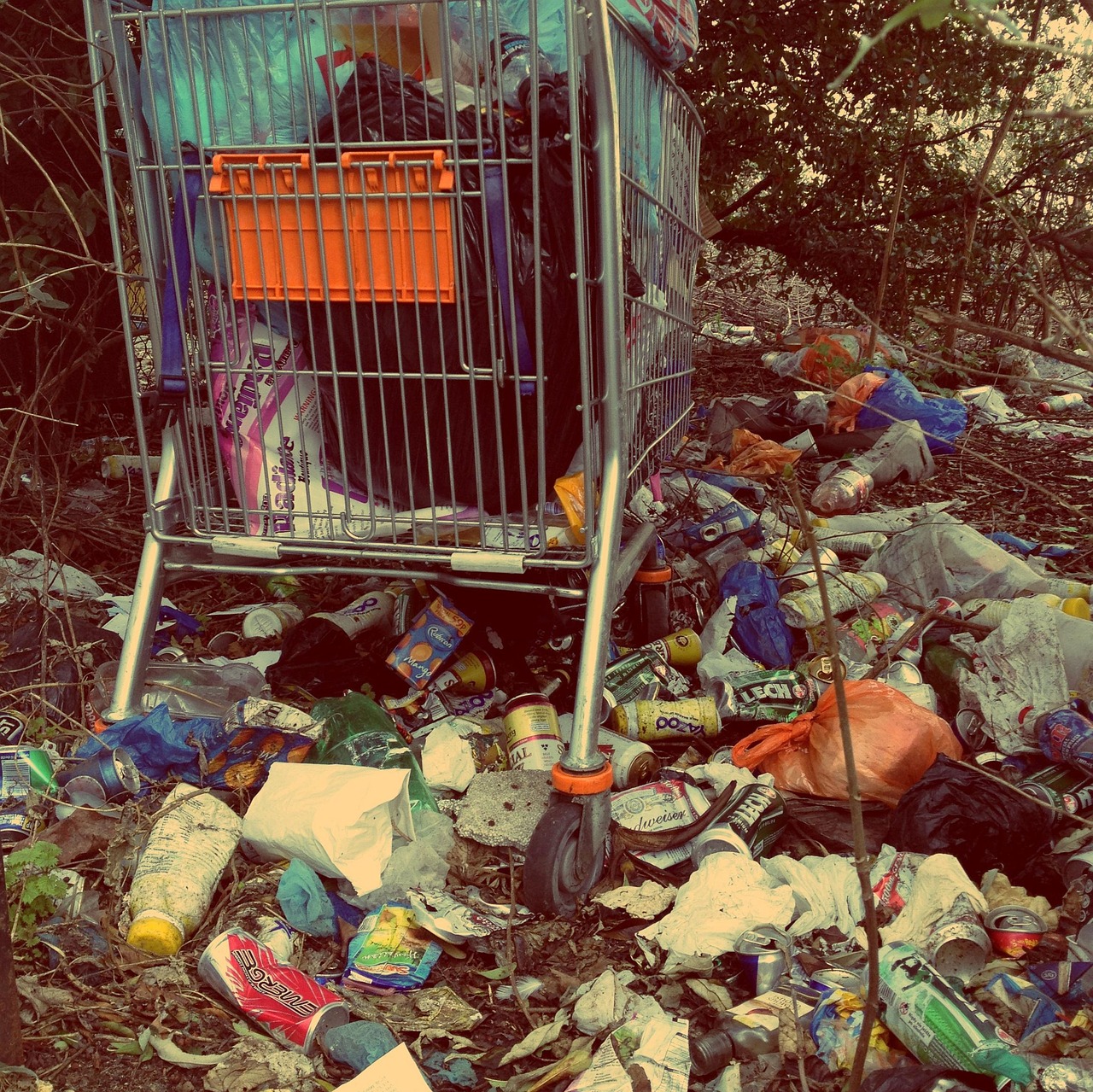
Volume restrictions on yard waste create surprise penalties for homeowners dealing with storm cleanup or seasonal maintenance. Volume of total bulk debris set out for collection exceeding 6 cubic yards constitutes a violation in many jurisdictions.
Do not place more than 20 bags per collection. Do not place yard materials in trash containers or the street. These limits force homeowners to spread large cleanup projects across multiple collection periods or face escalating penalties.
It is a natural resource infraction to litter in an amount more than 1 cubic foot and less than 10 cubic yards. Penalties for these littering violations are: up to $250 for littering between 1 cubic foot and 1 cubic yard of material; up to $750 for littering between 1 and 7 cubic yards of material; and up to $1,000 for littering between 7 and 10 cubic yards of material.
Each bundle or container must not exceed 50 pounds or be too large or bulky to be loaded safely by 1 person into the collection vehicle. Collection of unbundled brush requires a special bulk collection and fee ($75 for 2 cubic yards of material).
Transporting Yard Waste to Unauthorized Locations
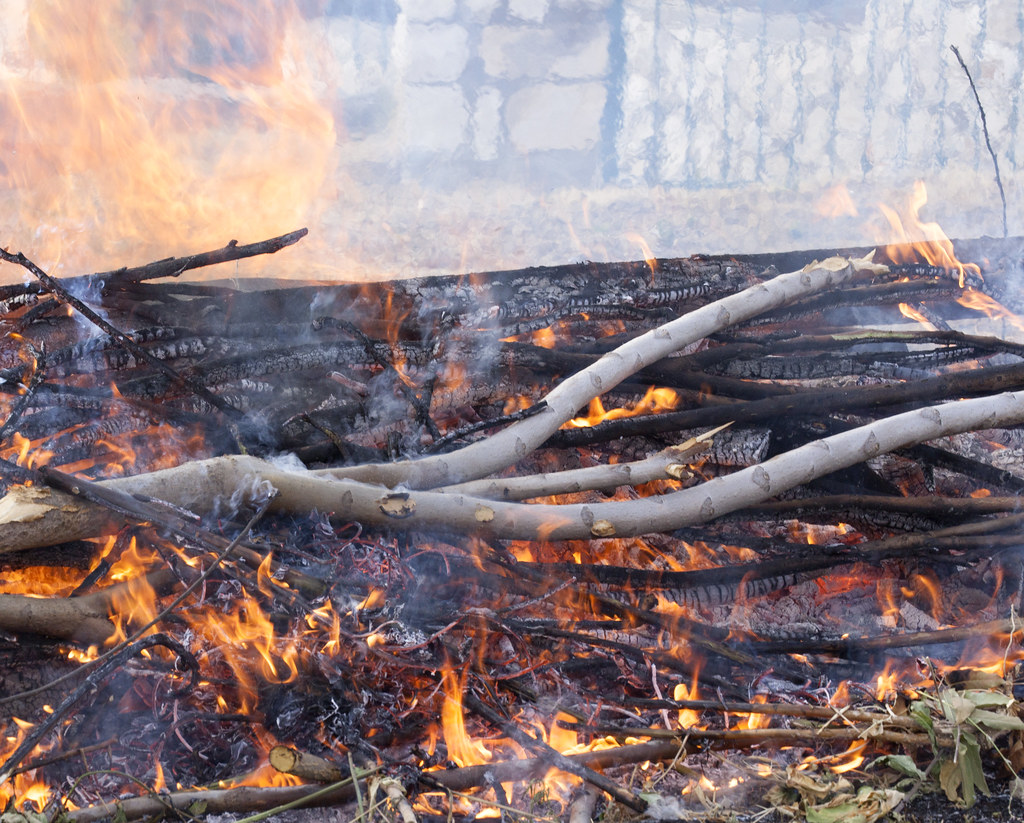
Moving yard debris off your property without proper authorization triggers serious environmental violations with substantial penalties. Yard waste must originate at a private residence and be burned on that site. In other words, residents can only burn vegetation from their own yard – not yard waste from other homes or locations.
It is illegal to burn any material that is not generated on-site, and this restriction extends to disposal methods beyond burning. Taking yard waste to unauthorized dump sites or vacant lots creates liability under multiple environmental statutes.
Agricultural waste may only be burned on the property where the waste is generated; the waste may not be taken to a different property for burning and a farmer cannot receive and burn waste from another property. These cross-property movement restrictions apply to residential yard waste as well, with violators facing both transportation and disposal penalties.
Moving debris from one property to another for burning. Leaving fires unattended are both prohibited activities that compound the base violation penalties when discovered during enforcement actions.