
Picture this: your neighbor receives an official notice from code enforcement, demanding immediate action on what seemed like an innocent backyard improvement. Every year, thousands of homeowners face similar situations as local authorities crack down on yard features that silently violate municipal codes.
Most property owners never realize their seemingly harmless landscaping choices or outdoor structures could trigger hefty fines, legal battles, or forced removal orders. Code enforcement officials across the country report a surge in violations, with some municipalities issuing thousands of citations annually. The consequences extend far beyond simple monetary penalties, often affecting property values and creating neighborhood disputes.
Let’s explore the most common yard features that consistently land homeowners in hot water with local authorities.
Unpermitted Structures and Additions
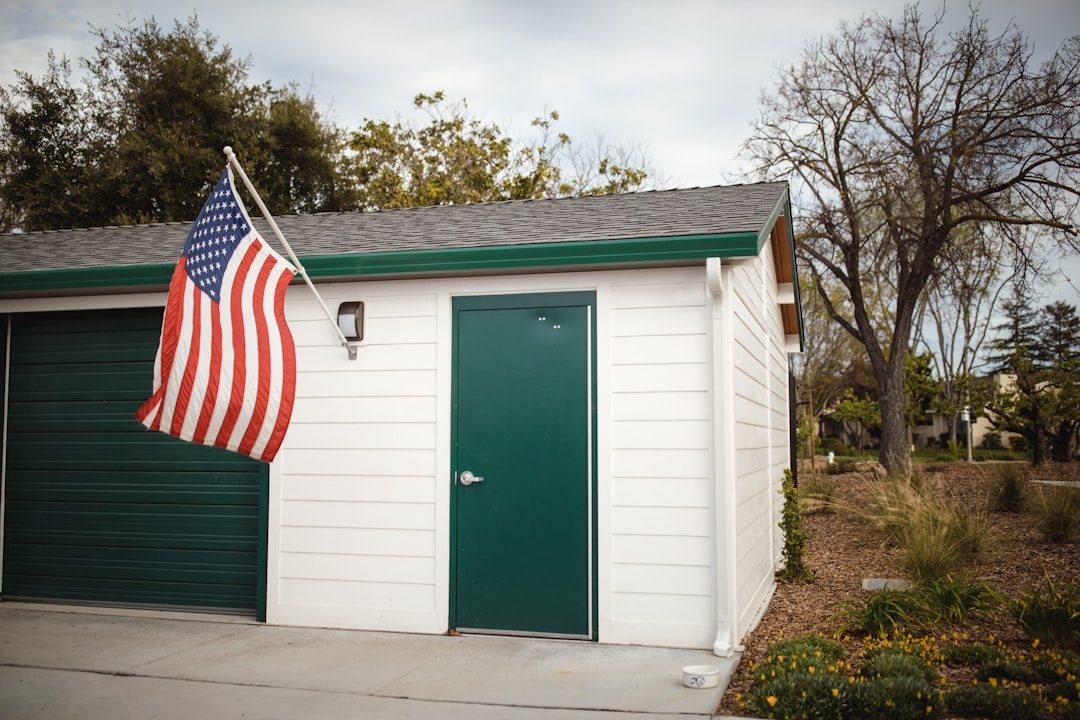
The most common violation handled in Palm Beach County is construction work done without permits, including everything from room additions to fence installations. Violations can result in fines typically 2-3 times the original permit cost, stop work orders halting construction until permits are obtained, forced removal in extreme cases, and property liens. Homeowners have faced $5,000+ in fines and forced rebuilding costs for sheds that would have cost $200 to permit properly.
Sheds typically require building permits when they exceed 120-200 square feet, with exact thresholds varying by municipality. Most land use ordinances make provisions for after-the-fact permitting which typically costs double the regular permit fee as a penalty.
Fence Height and Setback Violations

In most U.S. cities, the maximum fence height without a permit is 6 feet for backyards and 4 feet for front yards. Height restrictions typically limit fences to eight feet in height within the required side or rear setback, with maximum height measured from finish grade level on the side of the wall or fence with the greatest vertical exposure. By adhering to fence setback requirements set forth by municipal zoning laws, homeowners and contractors can avoid code violations, fines, and the potential nightmare of having to tear down or relocate a newly-installed fence.
Building a fence without the proper permits or violating setback regulations can result in fines, penalties, and even forced removal of the fence. Property owners may even be required to remove a newly installed fence and lose their entire investment.
Overgrown Grass and Landscaping Neglect

Grass and weeds must typically be kept below 8 inches in height, and failure to maintain vacant lots or properties with vacant structures could result in Metro cutting the grass and placing a lien against the property for the cost of the mowing. Common violations, such as Litter or High Grass & Weeds, carry fines and potential charges from the City to clean/service the lot.
Overgrown lawns, accumulating trash and debris, broken windows, peeling paint, and dilapidated buildings harm neighborhoods. When one property owner neglects their home, others may follow, creating a cascading effect that damages entire neighborhoods.
Improper Storage of Debris and Materials
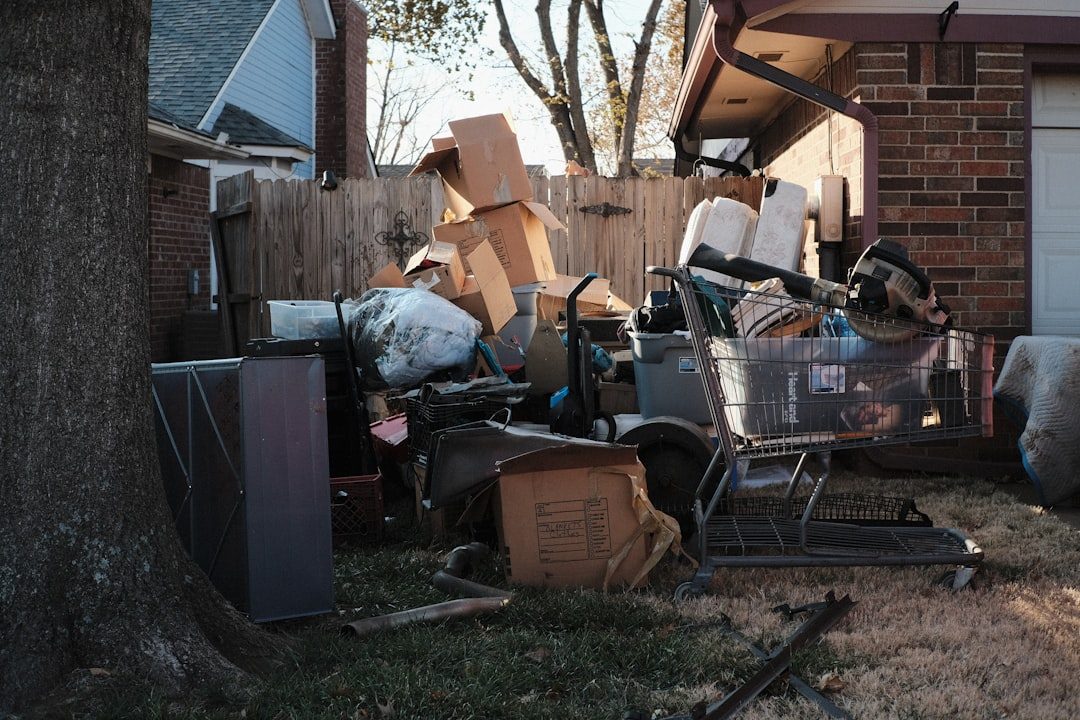
Austin residents may not accumulate trash, debris, brush, filth, carrion, or any other unsightly, objectionable, or unwholesome matter on their property. It is unlawful to utilize a premises for the open storage of any inoperable, unlicensed, or unregistered motor vehicle, appliance, building material, rubbish, tires, automotive parts, junk, yard waste, or debris. Outside storage or junk, debris, trash in front, side, or rear yards visible from public view or neighboring properties, discarded furniture, and appliances commonly trigger code violations.
Property owners face mounting penalties when materials accumulate beyond acceptable limits. Even construction projects can trigger violations if contractors leave building materials in unkempt conditions for extended periods.
Commercial Vehicle Parking in Residential Areas

Property owners may not store commercial vehicles at their home, and residents who park multiple commercial vehicles in a neighborhood zoned strictly for residential use face violations. Vehicles cannot be abandoned on public or private property unless part of a business or completely enclosed in a building, as junk cars could pose a potential health risk due to leaking fluids and chemicals in addition to creating an eyesore for neighbors.
The restrictions extend beyond simple parking concerns to protect residential neighborhood character and prevent potential environmental hazards from fluid leaks or chemical spills.
Unpermitted Home Businesses
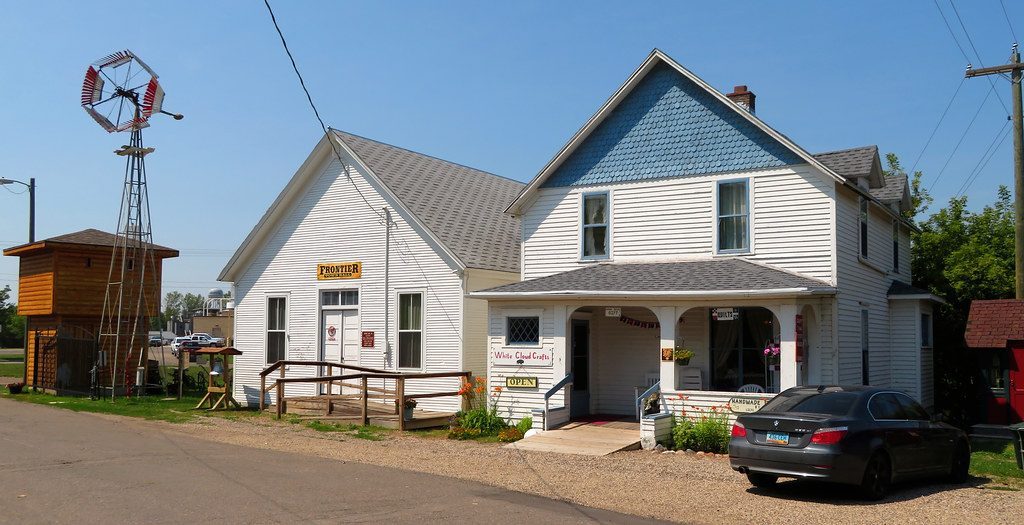
Home businesses are highly regulated, and businesses that cannot be run from home include auto repair shops, contractor’s yards, adult-oriented businesses and retail businesses. Running a business from home or building too close to property lines are common zoning violations in Palm Beach County.
A dwelling utilized as a rooming or boarding house may violate the Zoning Code and rooming houses require a permit. Many homeowners unknowingly cross legal boundaries when expanding home-based operations without proper permits or zoning approvals.
Swimming Pool Barrier Non-Compliance

A fence using a swimming pool barrier must follow safe fencing requirements and the Swimming Pool and Spa Code, while swimming pools which have a surface area greater than 150 square feet and are greater than 24 inches in depth require building permits. Pool safety regulations have become increasingly strict as municipalities prioritize child safety and liability reduction.
Pool barriers must meet specific height, spacing, and locking mechanisms according to local codes. Even minor gaps or improperly functioning latches can result in immediate violation notices requiring swift correction.
Illegal Dumping and Waste Disposal

Illegal dumping is defined as the disposal of trash, tires, yard waste, appliances, and other waste materials, disposed of without the permission of the property owner. Leaving these items anywhere else is considered illegal dumping, and if caught, offenders may be required to clean up the dump site and pay a fine.
Cleaning up the dump site is ultimately the responsibility of the property owner even if they are not the offender. This creates a challenging situation where innocent property owners bear cleanup costs for others’ illegal activities on their land.
Improper Trash Container Placement
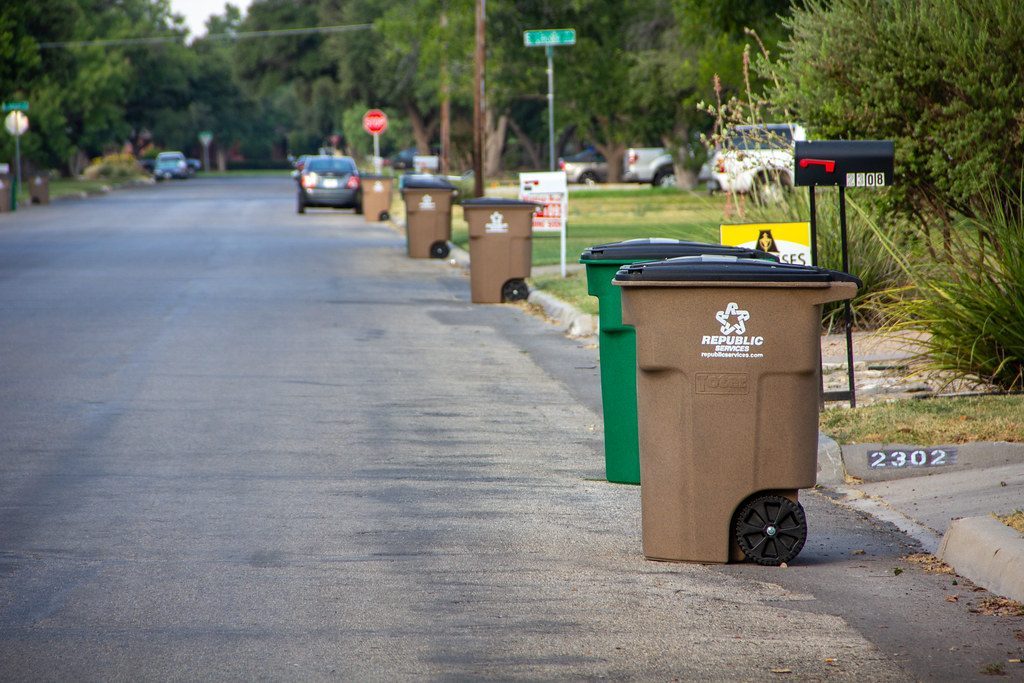
Carts must be returned to their storage area on private property no later than the day following your designated collection day. They should be placed at the curb by 5:30 a.m. on collection day but no earlier than the day before. Public streets and sidewalks must be accessible and clear at all times, as trash cans, recycling bins, signs, vehicles, plants, and any other materials cannot be in the right of way.
These seemingly minor infractions can accumulate into significant fines, especially in neighborhoods with strict aesthetic standards or high complaint rates from residents.
Unauthorized Signage and Advertising
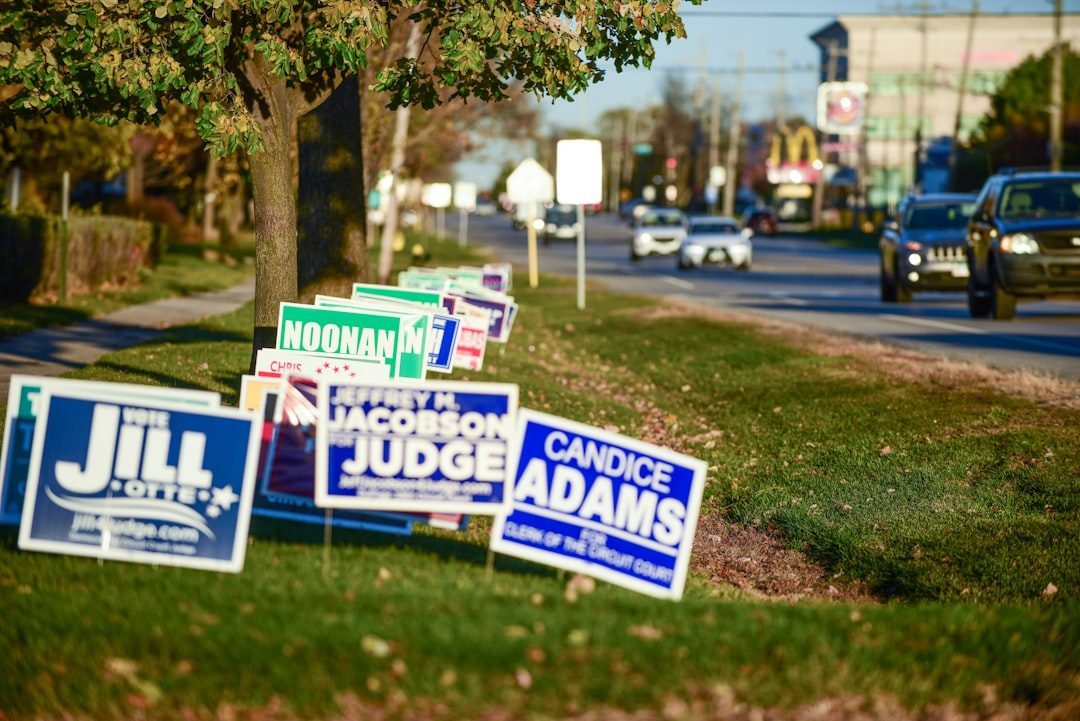
Portable signs are not permitted in Davidson County, and signs cannot be placed on public property without permission, including on utility poles, light poles, and bus benches and utility boxes. Banners can only be used to announce a grand opening, closing, and must be permitted.
Other common violations include displaying signs and holding garage sales without proper permits. Even temporary promotional materials can trigger violations if placed improperly or maintained beyond permitted timeframes.
Excessive Garage Sale Activity

A resident is allowed no more than two yard/garage sales each year, for no more than three days at a time. Consignment sales are strictly prohibited. These restrictions prevent residential areas from becoming informal commercial zones while maintaining neighborhood character.
Frequent violators often face escalating penalties, with code enforcement tracking sale frequency and duration. Some municipalities require permits even for the allowed sales, adding another compliance layer homeowners must navigate.
Pet-Related Noise Violations

A loud pet will cost the property owner a $100 fine even if the pet belongs to a tenant, and failure to pay the fine may result in a lien on the home. It is ultimately the responsibility of the homeowner to ensure their tenants abide by this ordinance.
Noise violations create ongoing community tension and can escalate quickly when neighbors file multiple complaints. Property owners must actively manage pet behavior regardless of whether they directly own the animals causing disturbances.
The landscape of residential code enforcement continues evolving as municipalities balance community standards with property owner rights. Code compliance represents a collaborative effort rather than a means of regulation, yet the consequences for violations remain serious and costly. Smart homeowners stay informed about local ordinances, maintain open communication with code enforcement officials, and address potential issues before they become formal violations.
What surprised you most about these common violations? Many seem innocent enough until you face that first citation notice in your mailbox.