
Car Batteries and Lead-Acid Batteries
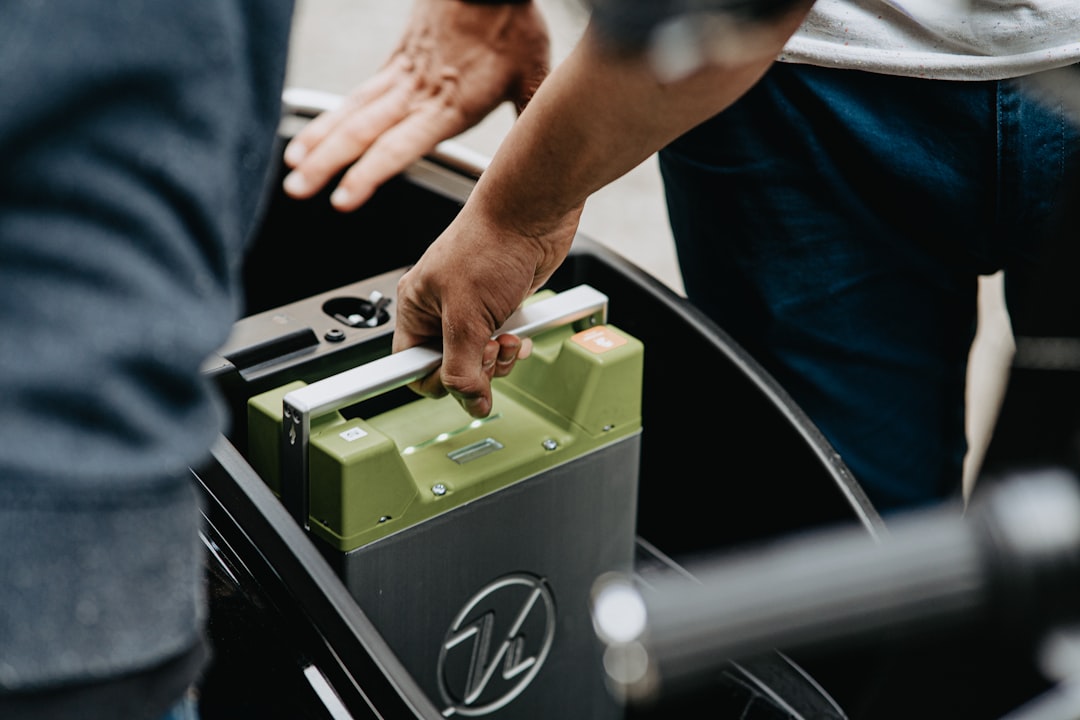
Car batteries and lead-acid batteries are packed with toxic chemicals like sulfuric acid and lead. When dumped improperly, they can leak and contaminate soil and groundwater, posing long-term health hazards. Most states – including North Carolina – ban their disposal in regular trash or landfills. It is illegal to dispose of hazardous batteries in waste bins intended to receive non-hazardous or recyclable waste such as municipal solid waste containers. Many types of batteries, regardless of size, exhibit hazardous characteristics.
You’d be surprised how many people still chuck these dangerous power sources in their garage or leave them sitting on their driveway. Illegally disposing of a toxic chemical or hazardous item such as a car battery may constitute dumping, even though the volume or size of the waste material is relatively small. Lead acid batteries are hazardous wastes, but they have their own management requirements.
Paint and Solvents
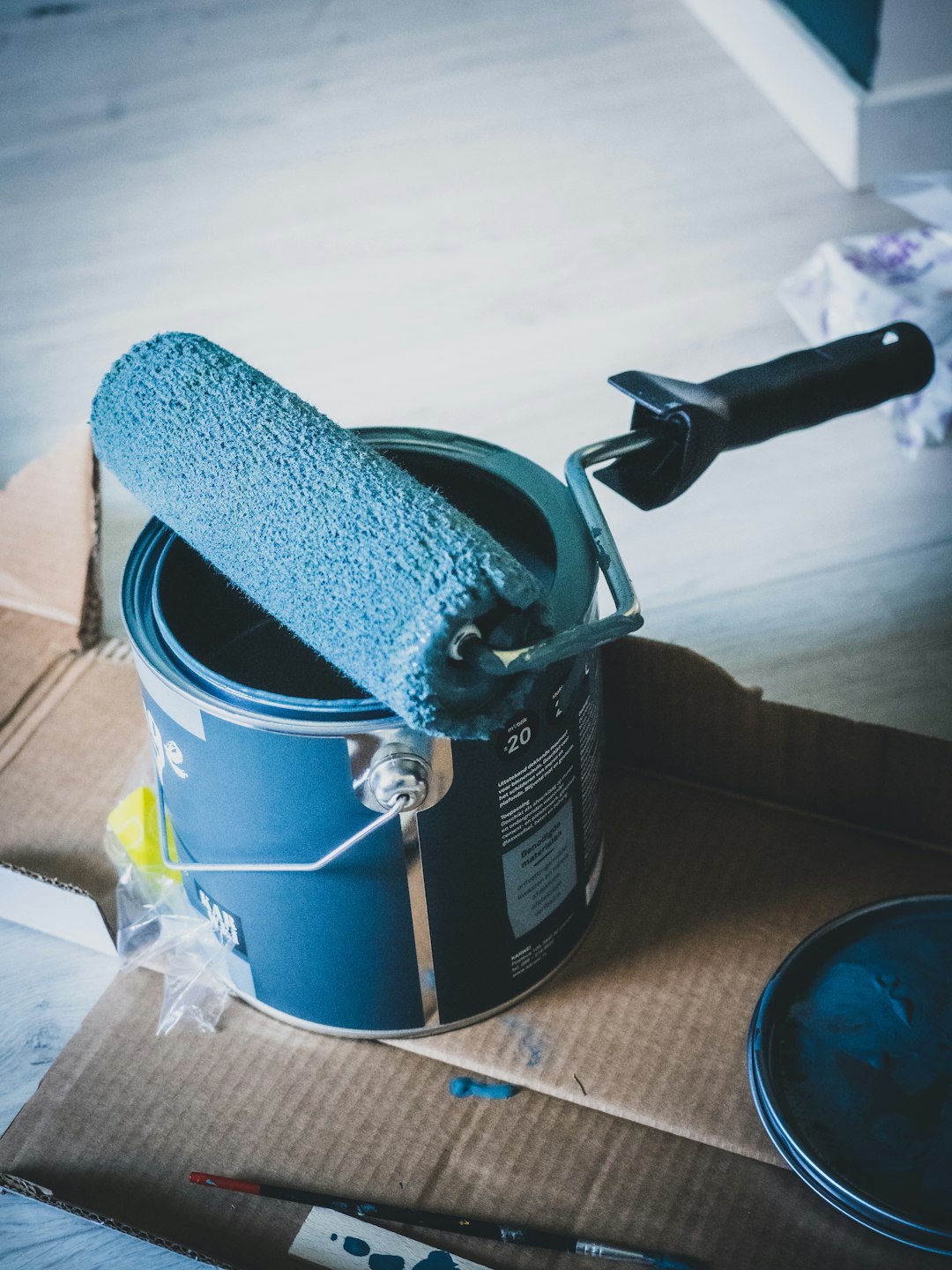
Wet paint, paint thinners, and lacquers contain hazardous solvents and are banned from disposal in landfills. Even with a quick paint job, leftover cans can’t be tossed in regular trash. Latex paint sometimes contains toxic pigments. Stains for woodworking and decks often contain toxic solvents. Many homeowners think dried paint is harmless, but they’re wrong.
The reality is that most paint products require special handling. You need to take them to HHW facilities or drop-off events. Dry latex paint can sometimes go in the trash if solidified, but always check local rules first. Professional painters know this rule, but weekend warriors often ignore it completely.
Antifreeze and Coolant
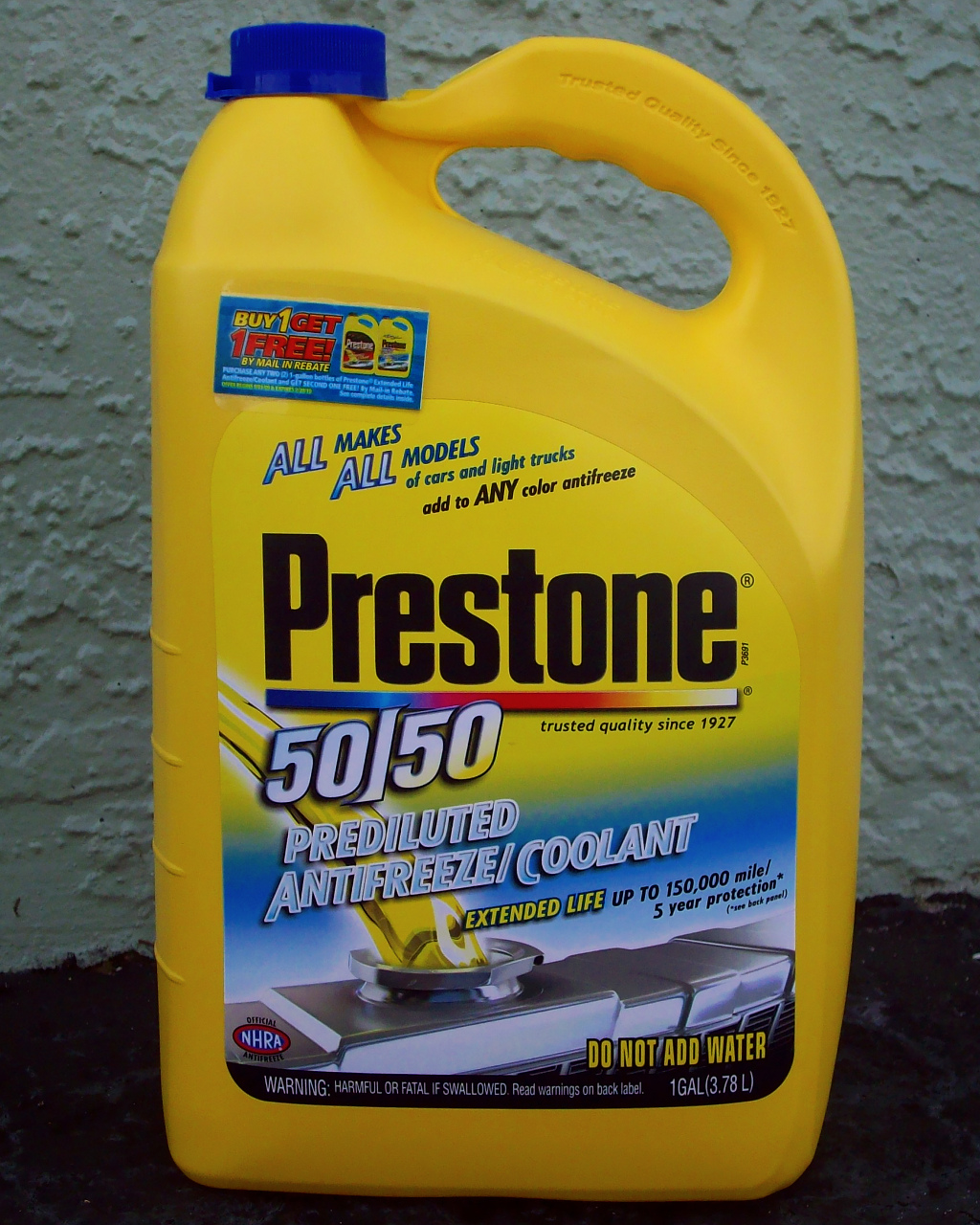
Antifreeze contains the chemical ethylene glycol, which poses a potential health hazard to humans and animals. Its sweet taste and smell make it attractive to children and pets. Antifreeze is hazardous waste – it is toxic to humans and poisonous to animals. Never pour antifreeze into the street, and do not pour down household drains, in sewers, or into waterways.
NEVER POUR OLD ANTIFREEZE IN A POP BOTTLE OR LET IT FORM A PUDDLE IN THE DRIVEWAY. Antifreeze can pollute the ground surface, and drinking water supplies if poured into storm sewers or dumped on the ground. They’ll happily lap up any that spills or leaks onto a garage floor or driveway; and even a tiny amount can be highly poisonous. Just a half-teaspoon per pound of Fifi’s body weight can be fatal.
Used Motor Oil
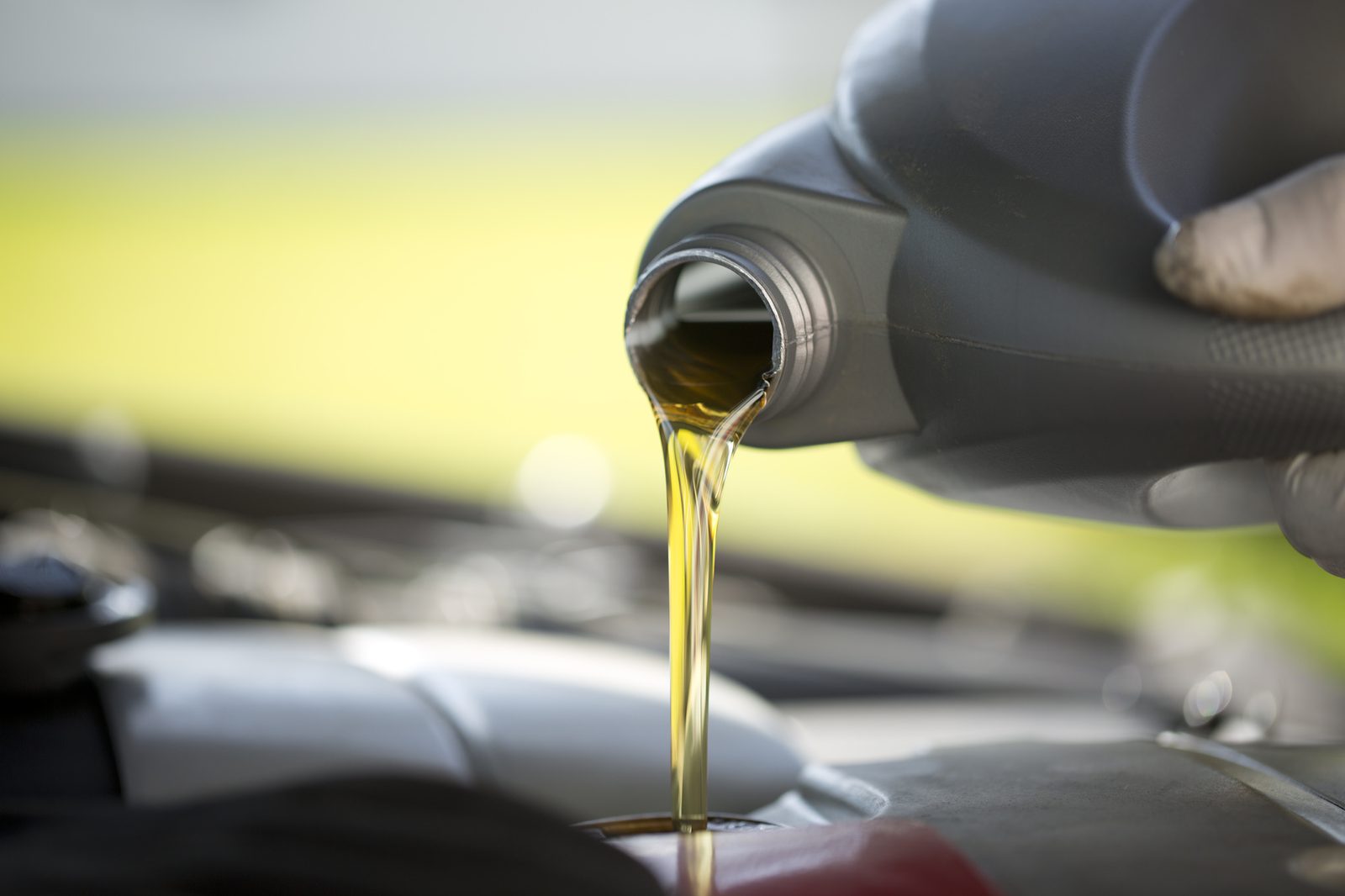
It is illegal to discard used motor oil or transmission fluid in the trash or recycling, on the ground, or into sewers and waterways. Service stations that change oil must accept up to five gallons of used motor oil (including transmission fluid) per day, per person, at no charge. As an environmental hazard, used motor oil or antifreeze should never be poured on the ground or down a storm drain.
Motor oil doesn’t break down like other substances – it stays in the environment forever. When managed properly, used motor oil, oil filters and antifreeze and other automotive engine maintenance fluids can be recycled or “beneficially used.” Yet countless DIY mechanics still pour it down storm drains or let it soak into their driveways, thinking nobody will notice.
Yard Waste and Organic Matter
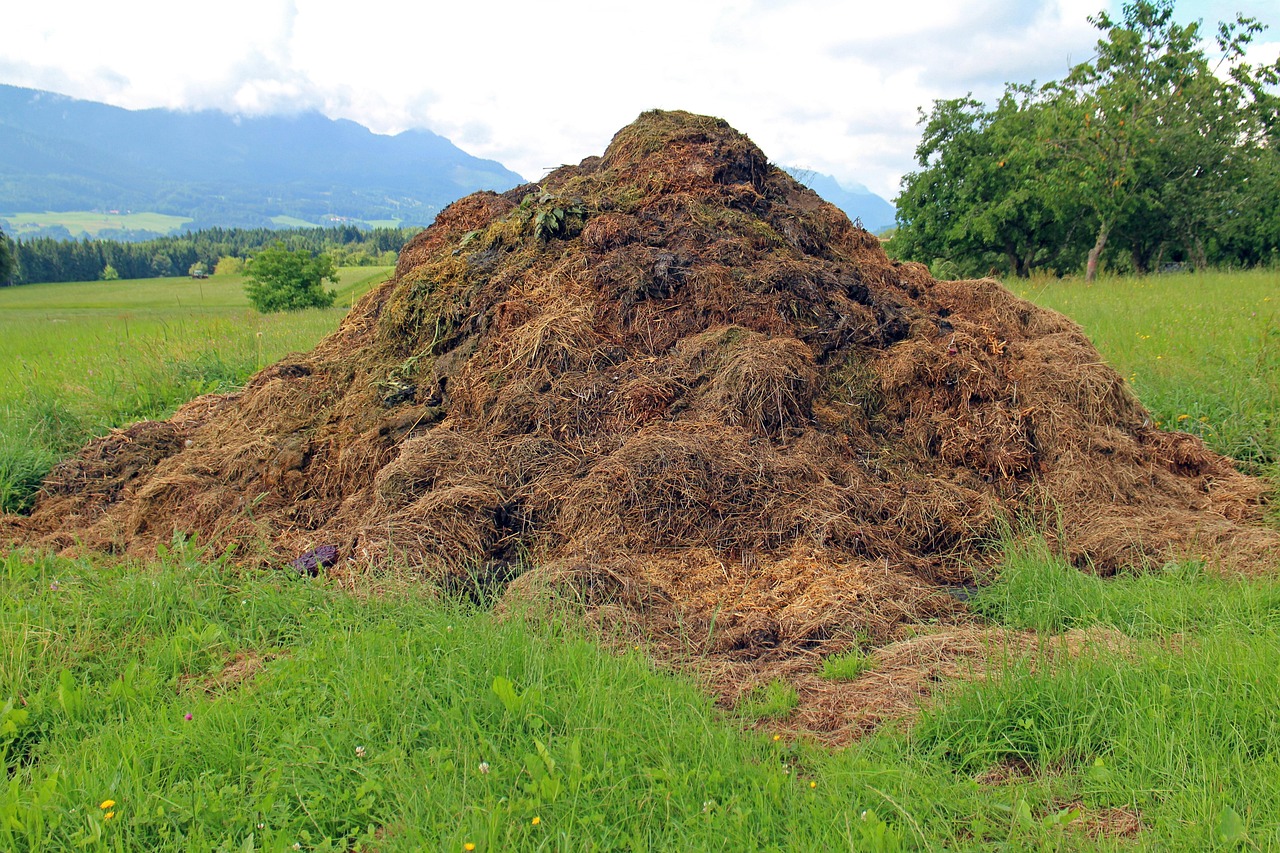
You might think grass clippings and branches are harmless, but many counties ban yard waste from regular landfills due to methane and volume concerns. Dumping them on your driveway or roadside is illegal and unsightly. Instead, compost them or use municipal collection services. Some areas also offer mulch or composting drop-offs to help turn yard waste into resources.
This surprises many homeowners who assume “natural” means acceptable anywhere. The problem isn’t the grass itself – it’s the methane production and landfill space issues. Most communities have specific collection days for yard waste, making proper disposal incredibly convenient.
Propane Tanks and Flammable Materials
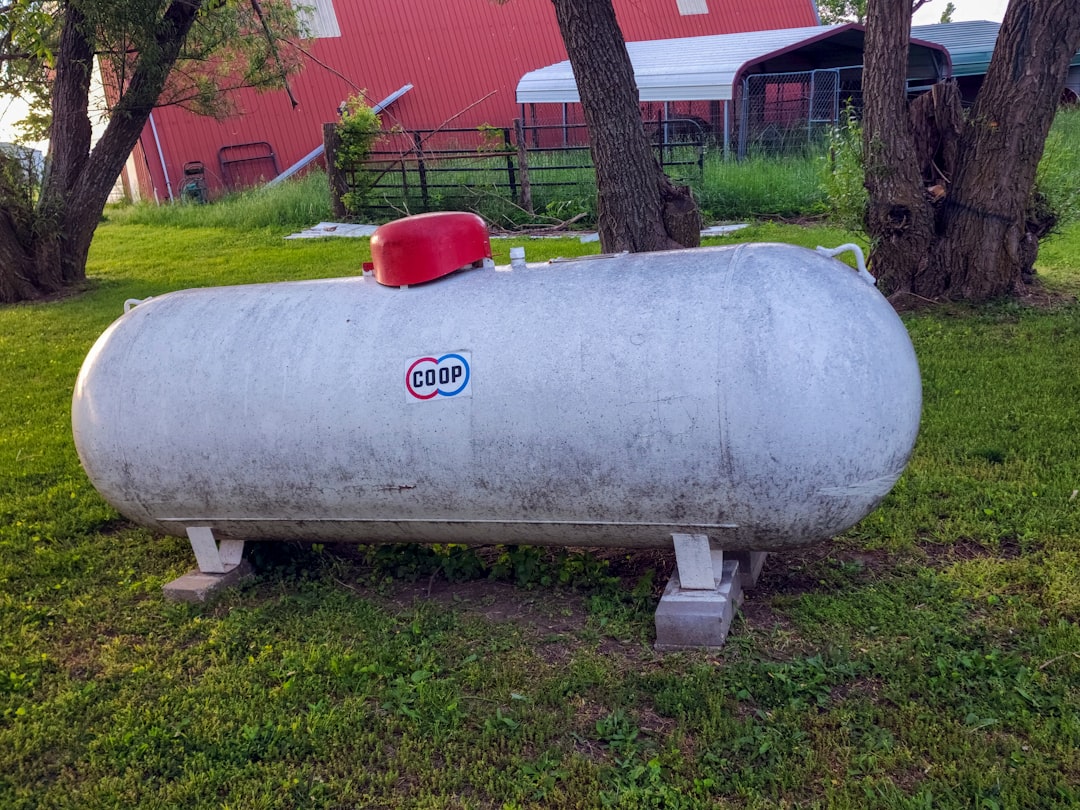
Propane tanks, stains, varnishes, and other flammables are dangerous to dump – they can explode or ignite in transit or at landfills. Dumping them on your driveway could be illegal or even criminal. Instead, take them to gas retailers, hazardous waste centers, or fire department-sponsored disposal days. Safety matters – don’t risk a disaster.
Propane tanks – Do NOT place in your blue recycling cart. Take to the Bluegrass Regional Transfer Station to dispose of for a fee, or hold for a HHW collection event. Even small camping propane canisters can cause serious accidents when they heat up in garbage trucks or landfills.
Pressure-Treated Wood
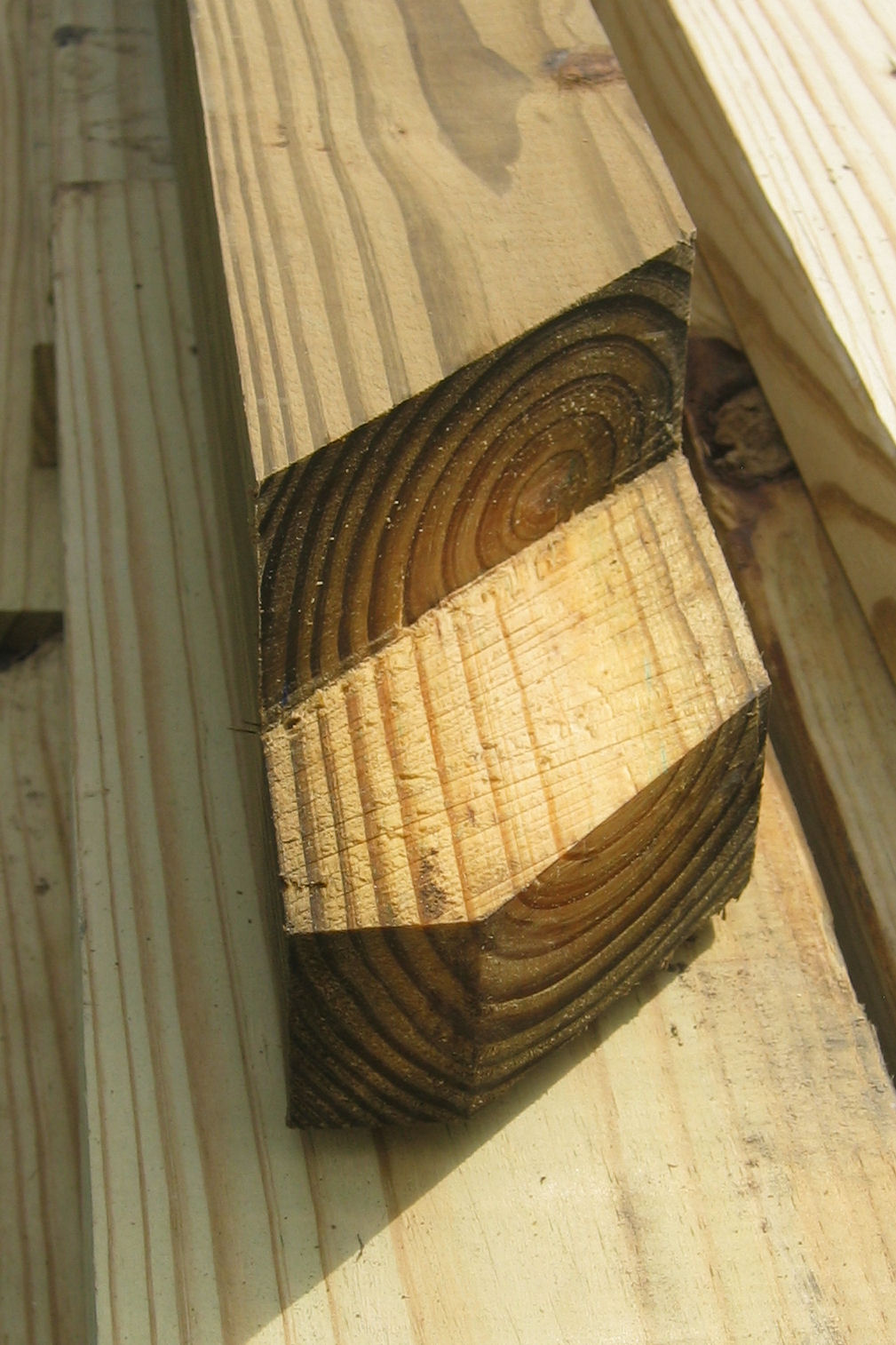
Railroad ties and pressure-treated wood contain toxic preservatives like creosote. They’re banned from residential dumping and must be handled via special facilities. These materials can leach chemicals into soil – bad news for gardens or groundwater. Check with local forestry or hazardous waste facilities for safe handling.
Many weekend deck builders don’t realize that treated lumber requires special disposal. The chemicals that protect wood from rot and insects also make it dangerous for regular disposal. Burning it releases toxic fumes, and burying it contaminates soil for years.
Electronics and E-Waste
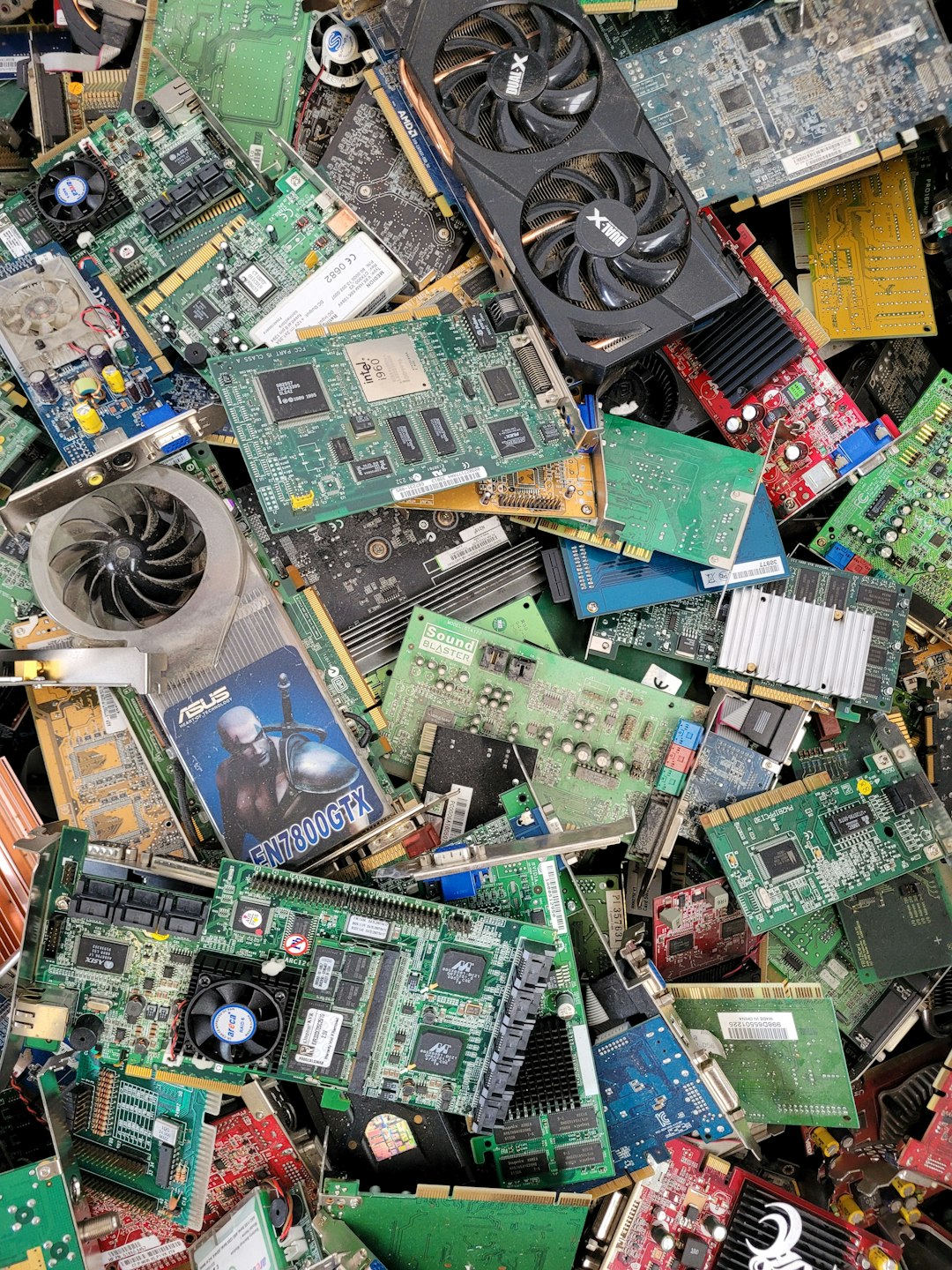
Electronics, Freon appliances, household materials including medical aids, paints, cleaners, and other common substances are hazardous waste that can pollute our soil, water, and air. We do not accept lithium batteries from electric vehicles. Electronics (“if it has an electrical cord or runs off of batteries, we’ll take it!” Exceptions include large appliances, such as refrigerators, stoves, dishwashers, and air conditioning units, which can be taken at no charge to the landfill).
Old TVs, computers, and phones contain precious metals and toxic substances that require careful handling. Computers, TVs, cell phones and other electronics recycling: Available recycling options for electronics have increased in the past several years. Yet many people still put broken electronics in regular trash or leave them on their property indefinitely.
Medical Waste and Sharps
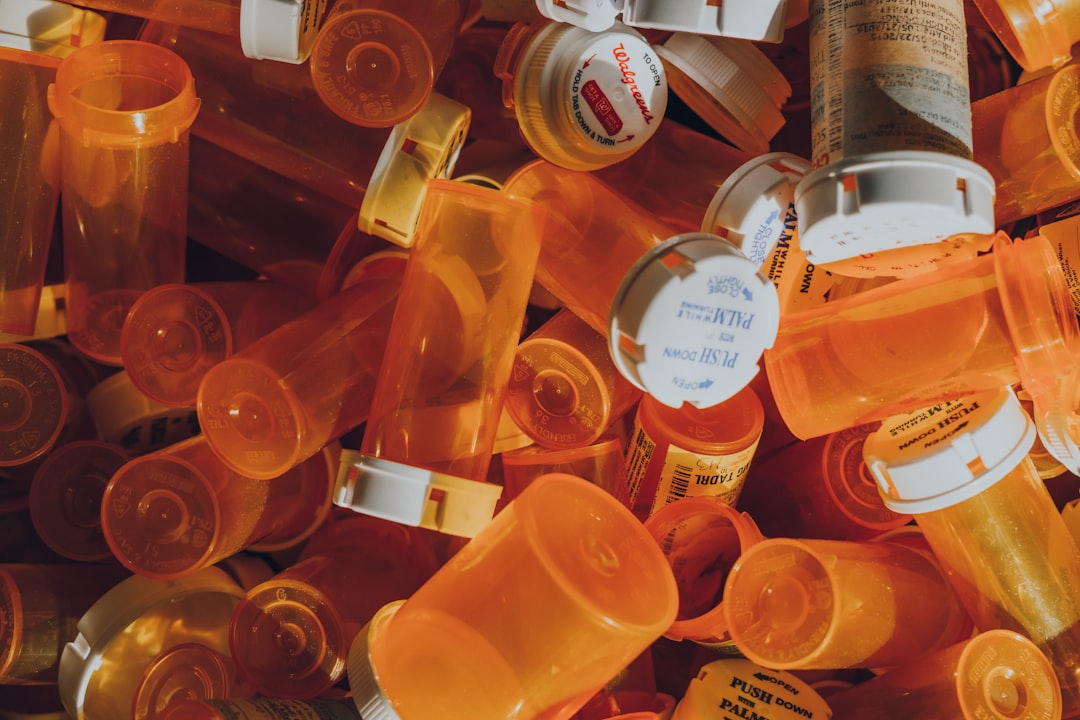
Syringes, Needles and Other Medical Sharps: Place in plastic container with screw-on top. Mark the container “residential sharps.” Medical waste poses serious health risks to sanitation workers and the general public when disposed of improperly.
Used needles, expired medications, and medical devices can’t just go in regular trash. The rise of home healthcare means more families are dealing with medical waste, but many don’t know the rules. Even insulin needles from diabetics require special handling to prevent accidental needle sticks.
Tires
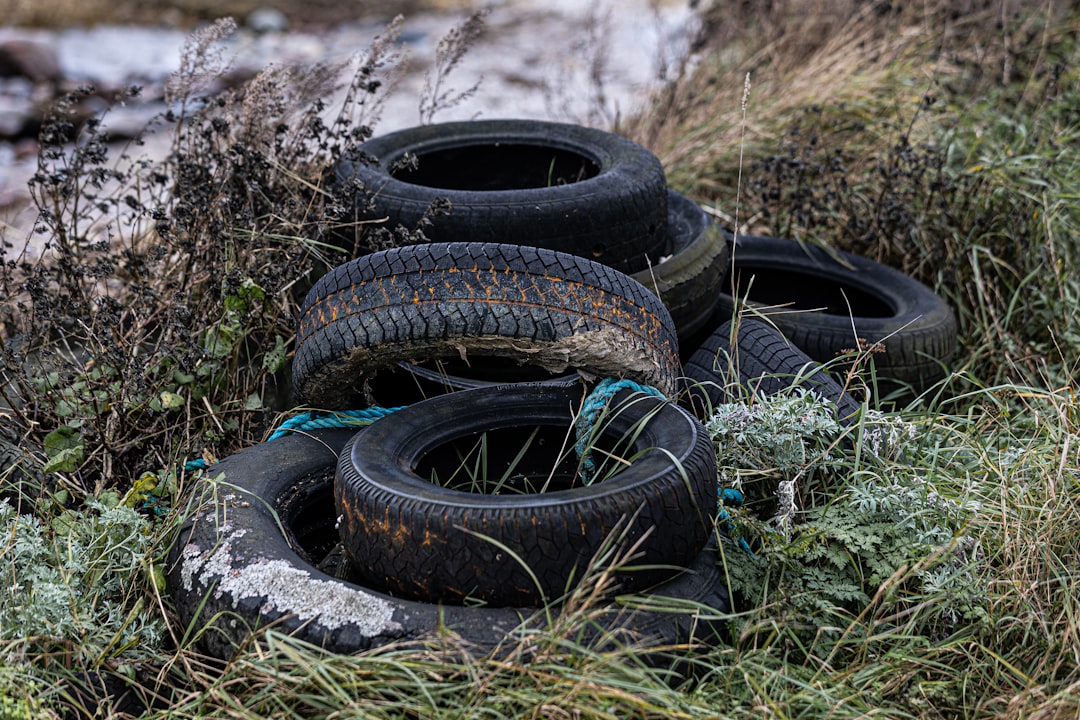
It is illegal to place car tires in the trash. New York State law requires businesses that sell tires to take back used tires for recycling. Used automobile tires are collected at the landfill for recycling and reuse. There is a modest fee to cover the cost of the program.
Tires don’t decompose and take up enormous landfill space. They also collect water and become breeding grounds for mosquitoes when stored improperly. Most tire shops will take old tires when you buy new ones, making proper disposal relatively simple.
Large Appliances
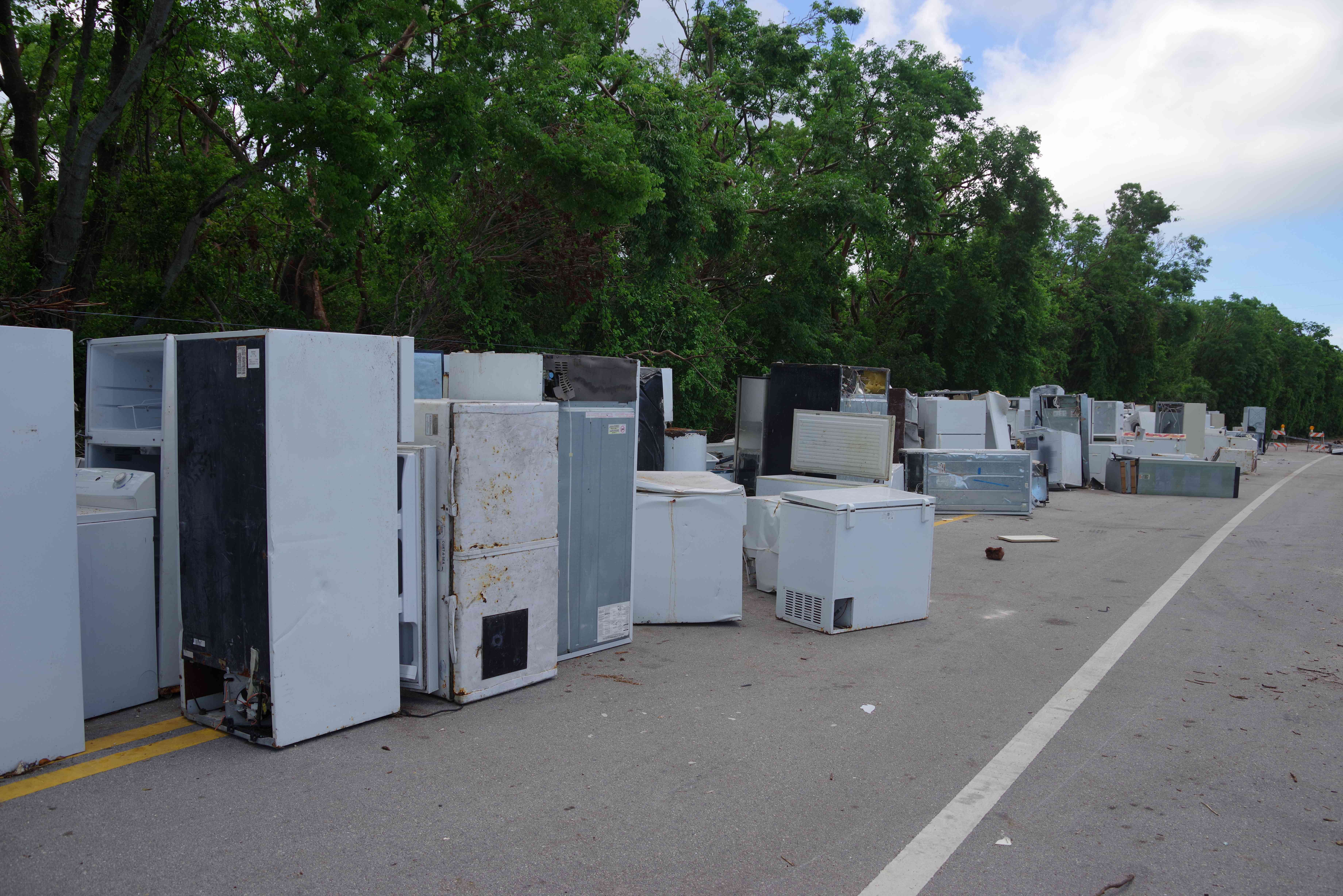
Freon appliances are accepted only at the South Walnut Recycling Center. The appliances are then picked up by a company that safely recovers the Freon and recycles the unit. Refrigerators, air conditioners, and freezers contain refrigerants that damage the ozone layer when released improperly.
Many people abandon old appliances in their yards or driveways, thinking they’ll deal with them later. Dumped waste often includes household building debris, construction and demolition waste, household garbage, appliances, furniture, tires, plastics, cardboard, and hazardous waste. Some dumpsites may even contain abandoned vehicles or potentially dangerous chemicals and paraphernalia from illegal drug labs. The refrigerant recovery process requires certified technicians – it’s not a DIY job.
What Happens When You Get Caught
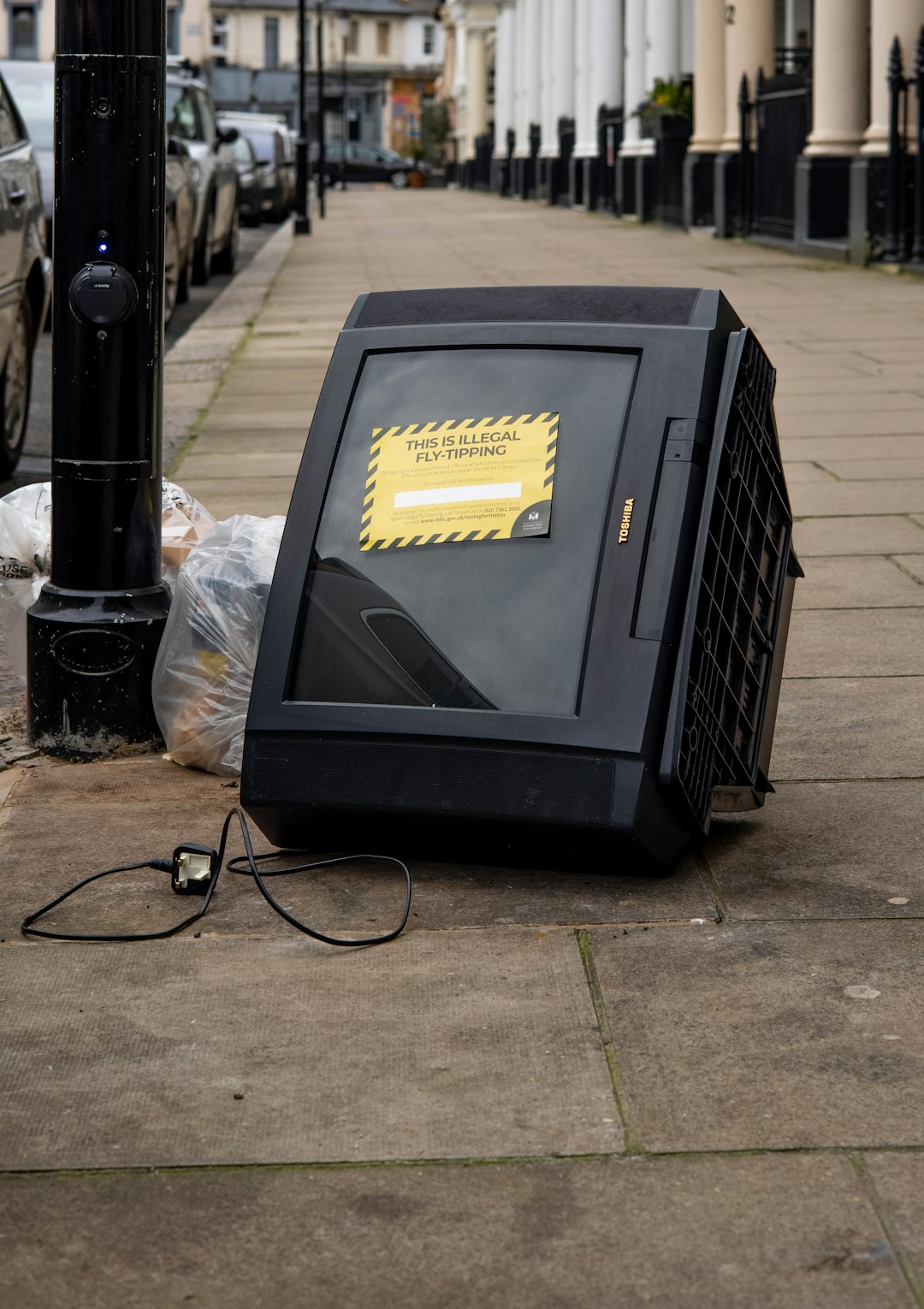
Whoever places, throws, deposits or discharges trash, bottles or cans, refuse, rubbish, garbage, debris, scrap, waste or other material of any kind on a public highway or within 20 yards of a public highway may face significant fines that vary by jurisdiction, with penalties often escalating for repeat offenses. Dumping either hazardous or large quantities of waste, or being a repeat offender, are factors that make felony charges more likely. A person or business that knowingly disposes waste or materials that create a risk of harm to humans or public health or a long-term danger to the environment will also likely face felony charges.
The consequences go far beyond simple fines. Violation of these regulations may subject you to penalties of up to $50,000 per day for non-compliance. Proper hazardous waste management makes good sense because it can reduce liability for cleanups, lower insurance costs, avoid fines and minimize employee exposure. Smart homeowners realize that proper disposal costs much less than legal penalties and environmental cleanup.
These seemingly harmless disposal decisions can turn into expensive legal nightmares faster than you’d expect. The rules exist for good reasons – protecting our water, soil, and health. Next time you’re tempted to dump something questionable on your driveway, remember that legal experts know exactly what they’re talking about when they say don’t do it. What seemed like a convenient shortcut could cost you thousands in fines and cleanup costs.
Why Your Neighbors Might Actually Report You

Here’s something most people don’t think about – your neighbors are watching, and they’re not afraid to make that call to local authorities. Community members have become increasingly aware of environmental issues and property values, which means that sketchy driveway dumping doesn’t go unnoticed like it might have years ago. One environmental officer in Oregon shared that nearly 60% of illegal dumping cases start with neighbor complaints, not random inspections. Your relationship with the people living next door can sour pretty quickly when they spot hazardous materials leaking onto shared property lines or creating eyesores that affect everyone’s home values. Social media neighborhood groups have made it even easier for concerned residents to document violations with photos and rally support before contacting code enforcement. The bottom line? That casual attitude about tossing prohibited items on your driveway could turn you into the most unpopular person on the block, with legal troubles to match.