
Saying “No Problem” Instead of “You’re Welcome”

While saying “no problem,” “no big deal,” or “no worries” isn’t technically rude, these phrases can leave people feeling bad because they imply the person was inconveniencing you or that you saw their request as a problem. Etiquette experts recommend responding with “you’re welcome” or “my pleasure” instead.
Think about it this way: when someone thanks you, they’re acknowledging your effort. Responding with “no problem” suggests there could have been a problem in the first place. Meanwhile, “you’re welcome” affirms that you were genuinely happy to help.
This shift reflects a broader change in how we acknowledge gratitude. The younger generation often uses “no problem” as a casual, friendly response, while older generations might find it dismissive.
Excessive Physical Contact During Greetings

Before the pandemic, physical greetings like kissing someone’s cheek, hugging, or grabbing someone’s arm were common practices, but many people never appreciated having their personal space invaded by these “polite” greetings. Unless you’re greeting a close friend or family member, skip physical contact and simply say hello – a warm smile or friendly nod can convey the same feeling as a hug.
Beyond handshakes, polite people now make it a habit not to touch others or physically invade their space because they understand it may be uncomfortable for strangers. This represents a significant shift toward respecting personal boundaries.
The pandemic certainly accelerated this change, but even before health concerns, many people felt uncomfortable with unwanted physical contact from acquaintances or colleagues.
Gender-Specific Chivalrous Gestures

The definition of what shows respect to women is changing – things like opening doors and pulling out chairs for women aren’t rude, but they’re not seen as necessary anymore. If you’re going to do basic niceties, it’s kind to do these gestures for men and women equally, and in workplace settings, we are now gender-neutral.
In many circles today, particularly among younger people or in professional settings, unsolicited gestures specifically because someone is a woman can come across as patronizing or rooted in outdated gender roles, suggesting the other person is incapable or fragile. Holding doors should now be an equal-opportunity courtesy for everyone, regardless of age, gender, or status.
This evolution reflects society’s move toward equality. Modern etiquette focuses on treating everyone with the same level of respect and courtesy.
Standing Up When Someone Enters the Room
There was a time when rising to your feet the moment someone entered a room was a mark of high respect, especially for elders, bosses, or women, and this was a must in traditional households or formal workplaces. It wasn’t long ago that it was proper etiquette for a man to stand when greeting a woman entering the room, but nowadays, standing up is proper etiquette whenever anyone greets anyone.
The problem with the old rule wasn’t the standing itself – it was the selective application based on gender or perceived status. Modern etiquette suggests standing for everyone as a sign of respect, or not making it gender-specific.
In casual settings today, constantly jumping up every time someone walks into a room can actually seem awkward and overly formal.
Waiting to Be Introduced Instead of Introducing Yourself

According to old-school etiquette, you were never supposed to introduce yourself if someone else could do it for you – at dinner parties, business meetings, or weddings, the polite thing was to wait until the host or senior person introduced you. Today, that passive approach can backfire because in a fast-paced world where networking is king and confidence is admired, waiting to be introduced may make you seem shy, disinterested, or socially unaware.
Self-introductions are now not only acceptable but expected, especially in professional or digital spaces – whether joining a Zoom call, walking into a group conversation, or attending a conference, a simple “Hi, I’m [your name]” is more appreciated than awkward silence.
Being proactive in your introduction shows social ease, not arrogance. The modern world values initiative and directness over passive waiting.
Tagging People on Social Media Without Permission
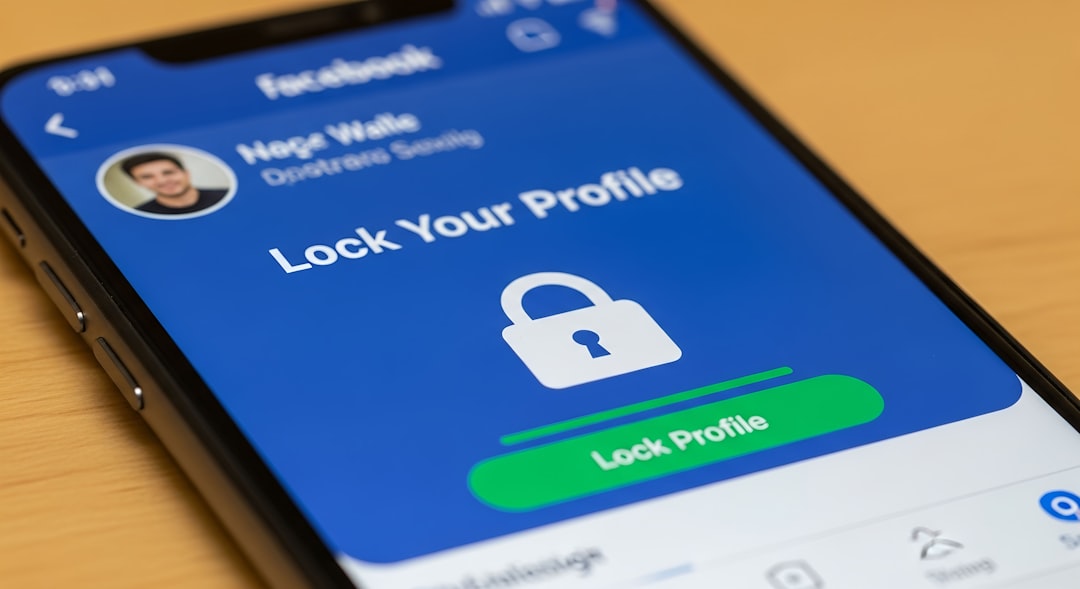
Tagging friends, family and professional acquaintances on social media has become the norm, and at first it may seem polite because they want to see pics and be included, but people have different comfort levels regarding their online presence and privacy, and they may not appreciate you sending up a digital “you are here” flag.
People may resist being tagged because they don’t want to hurt others’ feelings, want to avoid being targeted by scammers, or dislike being the subject of comments. Always ask someone if they’d like to be tagged before doing so, and respect their decision, plus set your settings to review any tags of you before they are posted.
Social media etiquette has become increasingly complex as people become more aware of digital privacy and online reputation management.
Leaving Voicemails Instead of Texting

Instead of leaving a voicemail, just text the person – if you must leave a voicemail, be brief and concise. The rules for phone calls have changed, and you should think twice before leaving that voice mail.
Younger generations, in particular, often find voicemails intrusive and time-consuming. They prefer the efficiency of reading a quick text over having to listen to and potentially transcribe a message.
Many people now consider voicemails an outdated form of communication that interrupts their workflow. A text allows the recipient to respond when convenient and keeps a written record of the conversation.
Being Vague About Social Invitations

It’s become common for people to hedge their bets when responding to casual invitations like suggestions to hang out or get drinks, and while this may seem polite because you’re not rejecting social or romantic advances immediately, being vague will only cause confusion and is definitely impolite.
Be clear with yourself about what you really want to do – you don’t owe anyone your time, even a would-be suitor, so answer clearly and authentically without stringing people along. People feel like the “nice” thing is to say “yes,” but then end up feeling overwhelmed, which can lead to backing out last minute – it’s good manners to say “no” when you can’t do something.
Modern etiquette values honesty and directness over false politeness that wastes everyone’s time.
Reply-All Email Responses
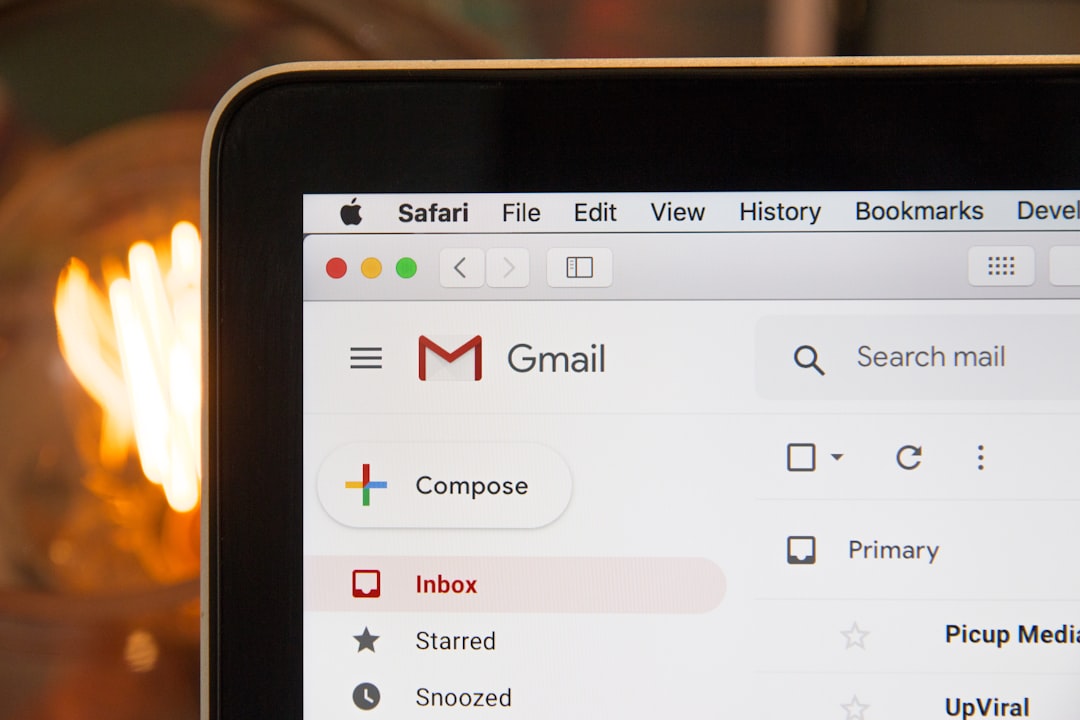
If you want the sender to know you got the email, feel free to reply to that person alone – good email etiquette dictates that you reply only to the person or persons who need the information you are sending.
Reply-all has become one of the most annoying digital habits in professional settings. Most people don’t need to see your “Thanks!” or “Got it!” responses to group emails. This clutters everyone’s inbox and wastes time.
The rule is simple: ask yourself if everyone on the email chain truly needs to see your response. If not, reply only to the sender or relevant parties.
Always Putting Others First
Putting others first used to be the ultimate sign of good manners, but modern etiquette recognizes the importance of self-care and boundary-setting. Politeness is about being kind and respectful, cooperating and putting people first – including yourself, sometimes – in every situation.
Constantly sacrificing your own needs or preferences can lead to resentment and burnout. It can also make others uncomfortable, as they may feel guilty about inconveniencing you.
Today’s etiquette experts advocate for a balanced approach where you’re considerate of others while also respecting your own limits and well-being. This creates healthier relationships for everyone involved.