
Using the Same Kitchen Sponge for Everything
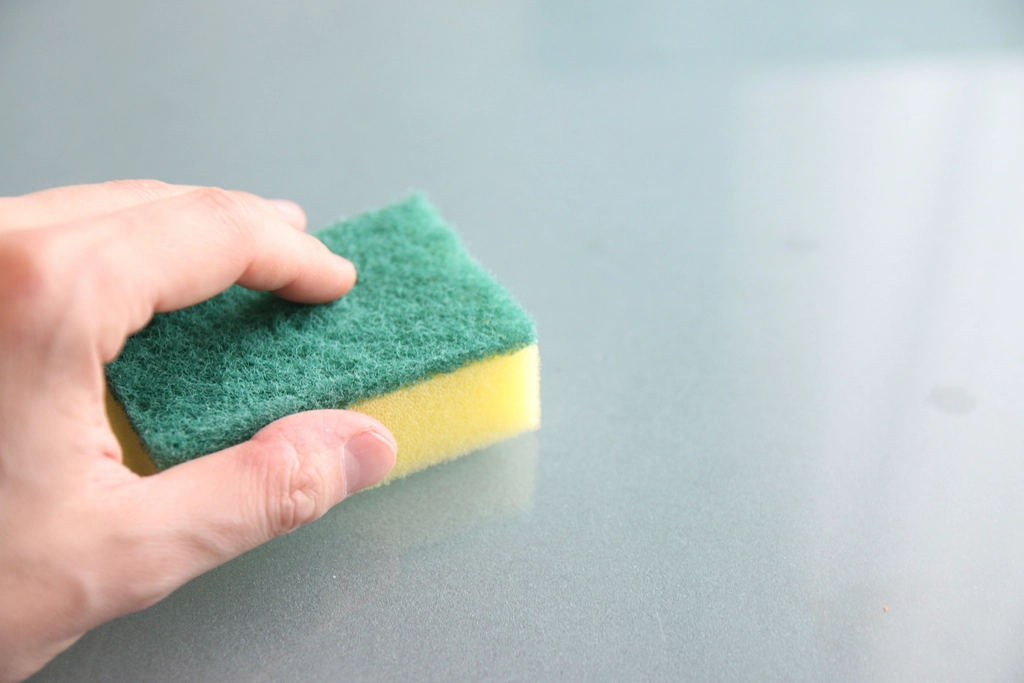
Studies have found that dish sponges and rags frequently contain harmful bacteria like Salmonella, E. coli, and fecal matter at much higher rates than bathroom faucet handles. This shocking statistic from the National Sanitation Foundation reveals just how dirty our go-to cleaning tool really is. When you use the same sponge to wipe down counters, scrub dishes, and clean the sink, you’re essentially playing bacterial roulette across your entire kitchen.
The simple answer to this question is YES; it probably is the dirtiest item in your kitchen, and maybe even in your house. Kitchen sponges are the perfect place for bacteria to live and grow. This is because the sponges have tiny holes that hold water, food bits and food juices that are needed for bacteria to survive. These tiny reservoirs create what researchers call “tiny rooms within rooms” where bacteria can thrive and multiply rapidly.
Relying on Hot Air Hand Dryers in Public Restrooms
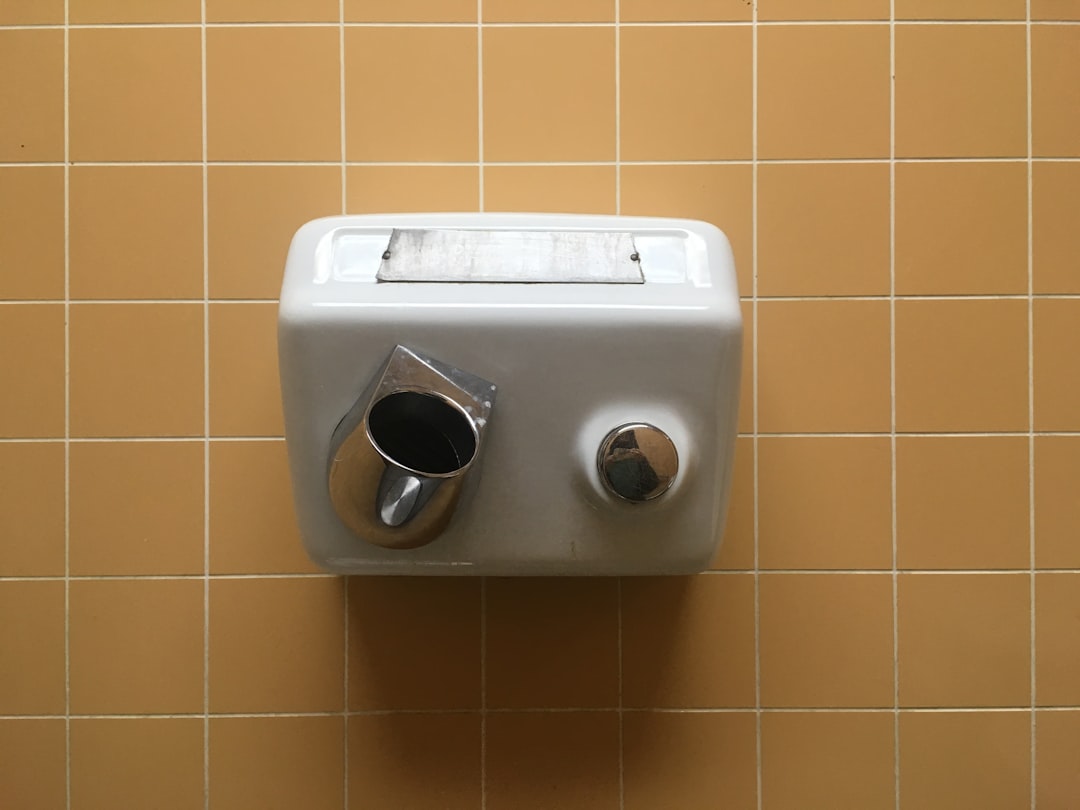
The researchers then analyzed the aprons, the participants’ hands and the surfaces they touched afterward to see how viruses spread. The results showed that the people who used hand dryers had more viruses on their hands and aprons than those who used paper towels. When you think about it, hand dryers are basically vacuum cleaners working in reverse – they suck in bathroom air and blast it right onto your freshly cleaned hands.
Toilets in public restrooms seldom have lids. So flushing them sprays the germs from excreted wastes into the air. That same air is drawn into those wall-mounted electric hand dryers. The most concerning finding? The jet air dryer dispersed an average of 60 times more viruses than the warm air dryer and 1,300 times more than paper towels. Think about that next time you’re reaching for that shiny chrome button.
Cleaning Without Removing Dirt First
Surfaces should be cleaned before they are sanitized or disinfected because impurities like dirt may make it harder for chemicals to get to and kill germs. Remember to clean first, and then sanitize or disinfect if needed. It’s like trying to paint over rust – the underlying problem prevents your efforts from working properly.
Many people grab a disinfectant wipe and think they’re done, but this approach actually traps germs under layers of grime. The dirt acts like a protective shield, allowing bacteria and viruses to survive the chemical onslaught. This is why professional cleaning services always sweep and vacuum before mopping, and why hospitals have strict two-step protocols for surface decontamination.
Ignoring the Contact Time for Disinfectants
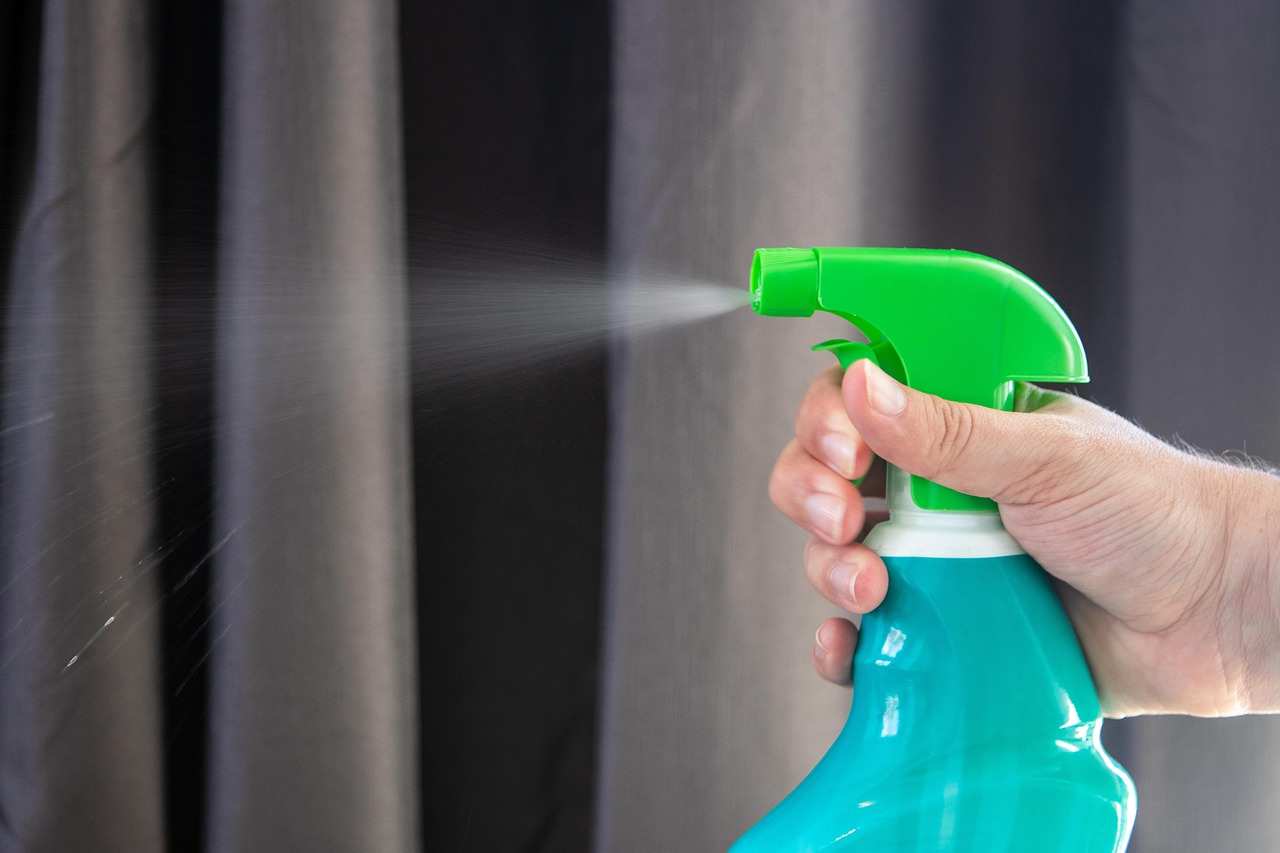
Leave the disinfectant on the surface long enough to kill the germs. This is called the contact time. You can find the contact time in the directions. The surface should stay wet during the entire contact time to make sure germs are killed. Most household disinfectants need at least 30 seconds to work their magic, but many people spray and immediately wipe.
Picture disinfectants as tiny warriors that need time to find and defeat their microbial enemies. When you cut their battle short by wiping too quickly, you’re essentially calling a retreat just as the fight begins. The surviving germs can then multiply, potentially becoming more resistant to future cleaning attempts.
Using Dish Towels to Dry Multiple Items
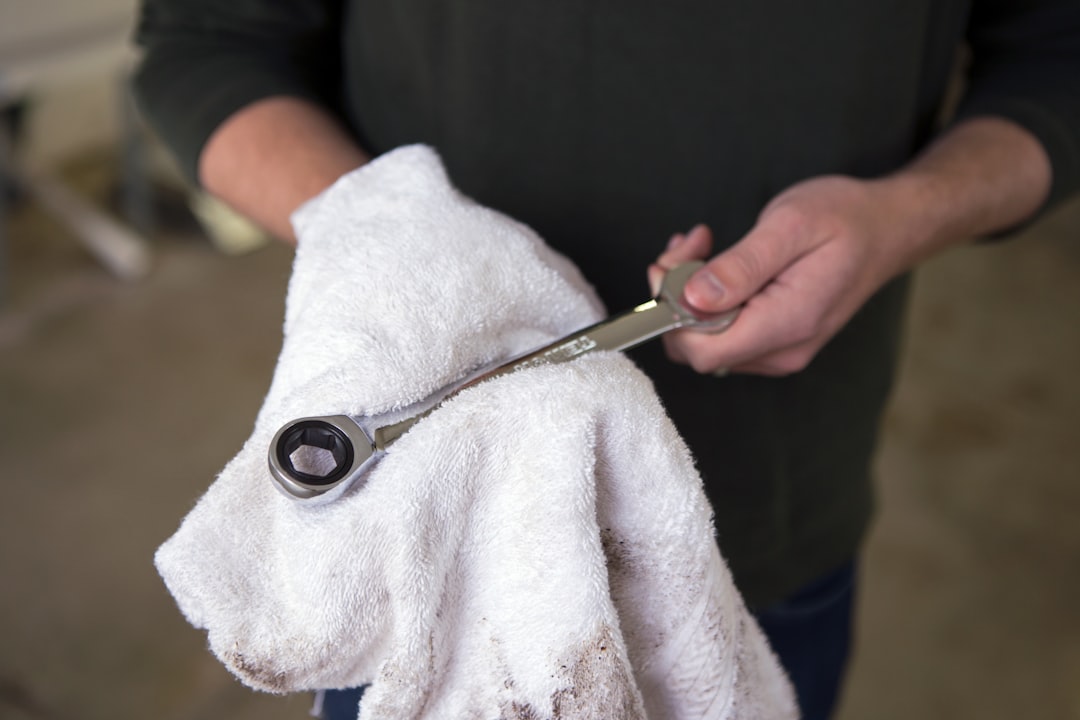
Do not use a dish towel to rub or pat items dry because doing so may transfer germs to the items. That innocent-looking kitchen towel hanging by your sink is probably harboring more bacteria than you’d find on your toilet seat. When you use it to dry dishes, wipe hands, clean spills, and pat food dry, you’re creating a bacterial highway system throughout your kitchen.
The problem gets worse when these towels stay damp in warm kitchen environments. Bath towels and kitchen towels can be full of bacteria, including E Coli. Think of your dish towel as a sponge that never gets properly cleaned – it’s absorbing moisture and organic matter all day long while providing the perfect breeding ground for harmful microorganisms.
Improper Storage of Wet Cleaning Tools
However, during cleaning food residues may adhere to the sponge surface and damp sites such as sink areas can act as further microbial reservoirs that can contaminate the sponges during their use. Subsequent poor handling, storage or improper disinfection of kitchen sponges will lead to further microbial growth at room temperature. Consequently, kitchen sponges are a major source of cross-contamination as they can transmit foodborne pathogens, infectious agents and spoilage causing microorganisms to food contact surfaces.
Leaving wet sponges, mops, and cleaning cloths in closed cabinets or piled together creates the perfect storm for bacterial growth. These damp environments become like luxury resorts for germs – warm, moist, and full of organic nutrients. The bacteria don’t just survive in these conditions; they throw parties and invite all their friends.
Cross-Contaminating Between Toilet and Other Areas
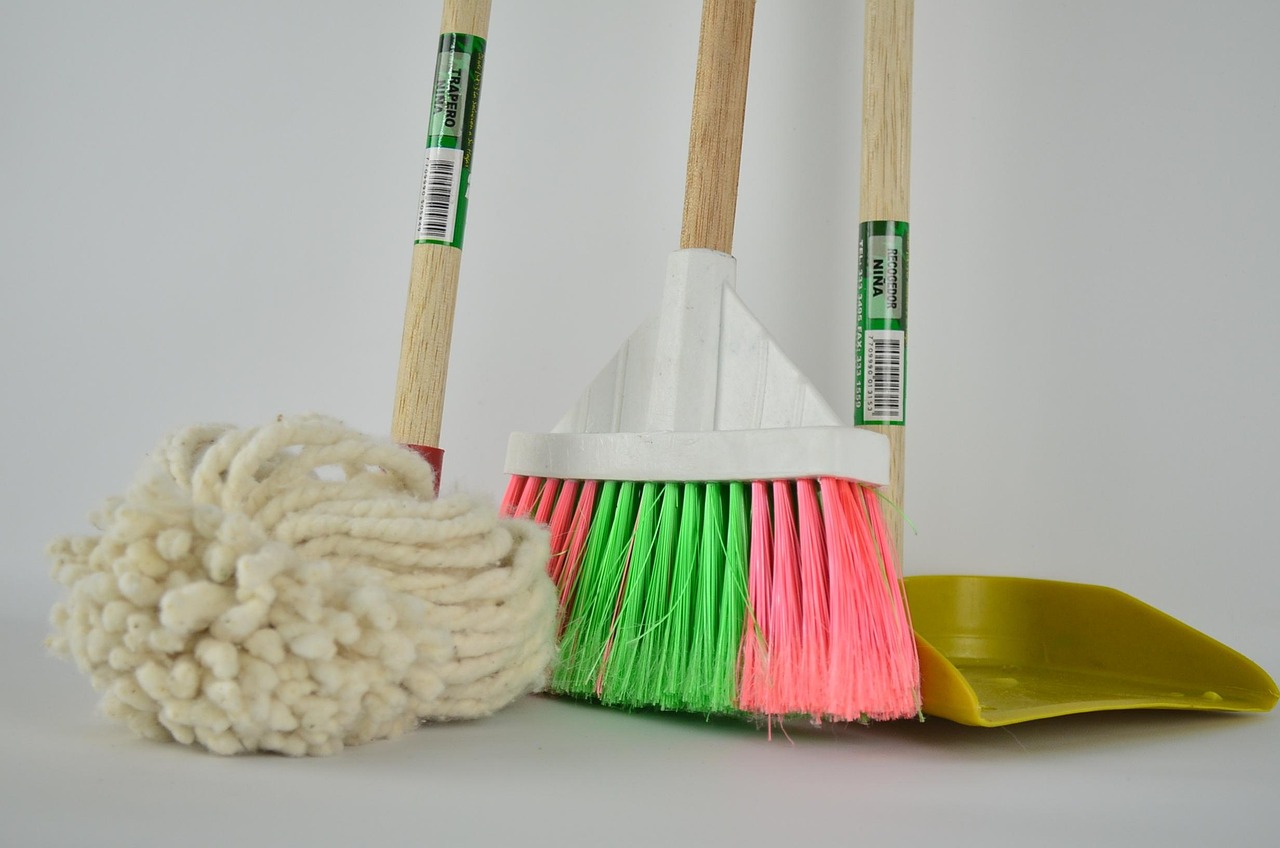
Using the same cleaning supplies for your toilet and then moving to the kitchen or bedroom is like using the same cutting board for raw chicken and fresh salad. The toilet brush that sits in that cute ceramic holder is actually a bacterial weapon of mass destruction if not handled properly.
Even when you think you’re being careful, microscopic fecal matter can splash onto surrounding surfaces during cleaning. A single gram of human feces – which is about the weight of a paper clip – can contain one trillion germs. When you carry that toilet brush or use the same gloves to clean other areas, you’re essentially conducting a bacterial relocation program throughout your home.
Reusing Water Bottles Without Proper Cleaning
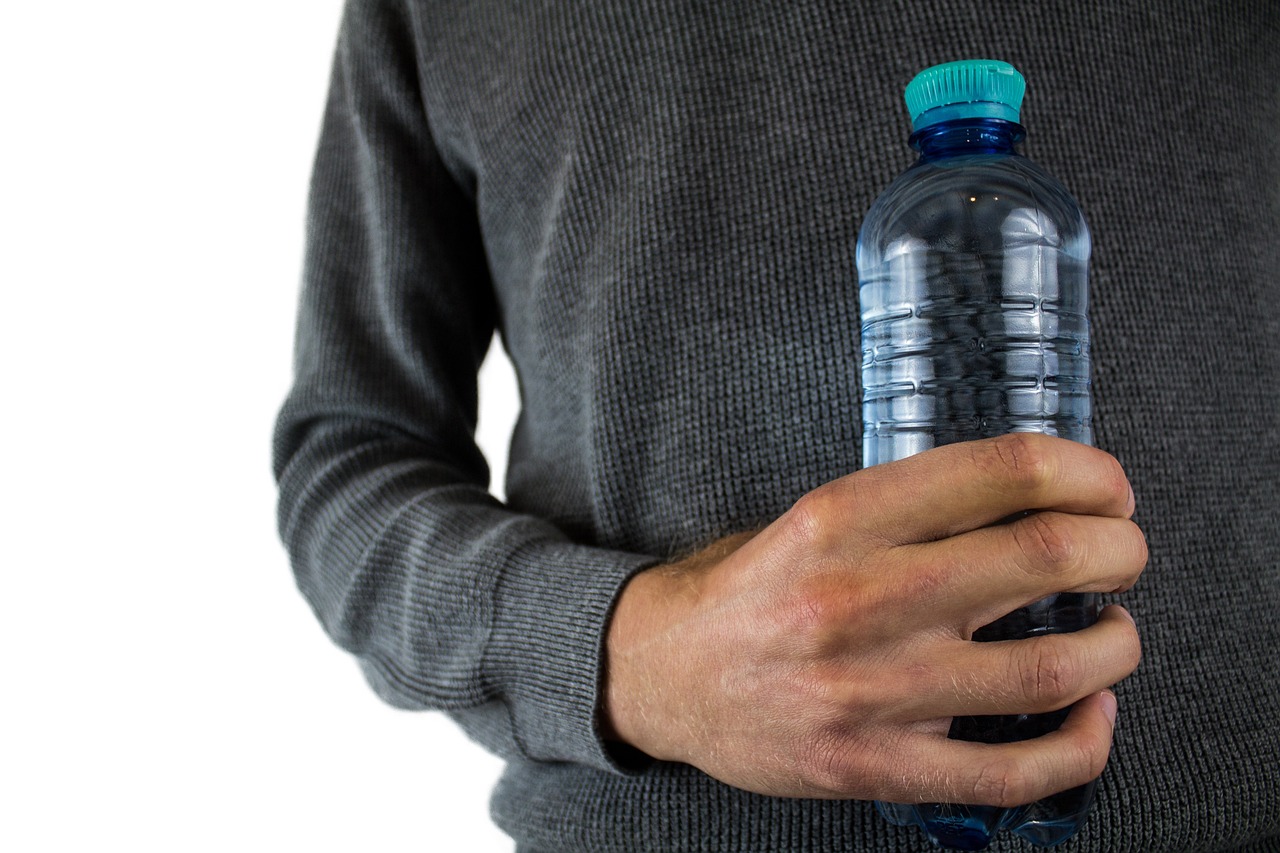
On average, the bottles contained 20.8 million CFUs, which refers to colony-forming units of bacteria – that’s 40,000 times more than on a toilet seat. Your trusty reusable water bottle, the one you’re so proud of for helping save the environment, might be hosting more bacteria than the toilet you’re desperately trying to avoid touching.
Squeeze-top bottles had the least bacteria, with just 3 million CFUs, while bottles with spouts or screw-top lids had as many as 30 million CFUs. The narrow opening of most water bottles creates perfect hiding spots for bacteria, and the constant moisture from our mouths provides an ideal growth medium. The study also found that among 1,000 Americans surveyed, a quarter of them washed their water bottles a few times a week, and slightly more than 10 per cent cleaned them just a few times a month. These alarming statistics highlight the importance of properly cleaning and maintaining these everyday items.
Insufficient Disinfection of Kitchen Sponges
The only reported consumer practice that affected survival of Salmonella in brushes according to the statistical analysis was the use of chlorine to disinfect the brush (p = 0.034, Table 2). However, it must be noted that this practice involved two brushes only, where both were hanging to dry; therefore, it is difficult to conclude from this limited sample size.
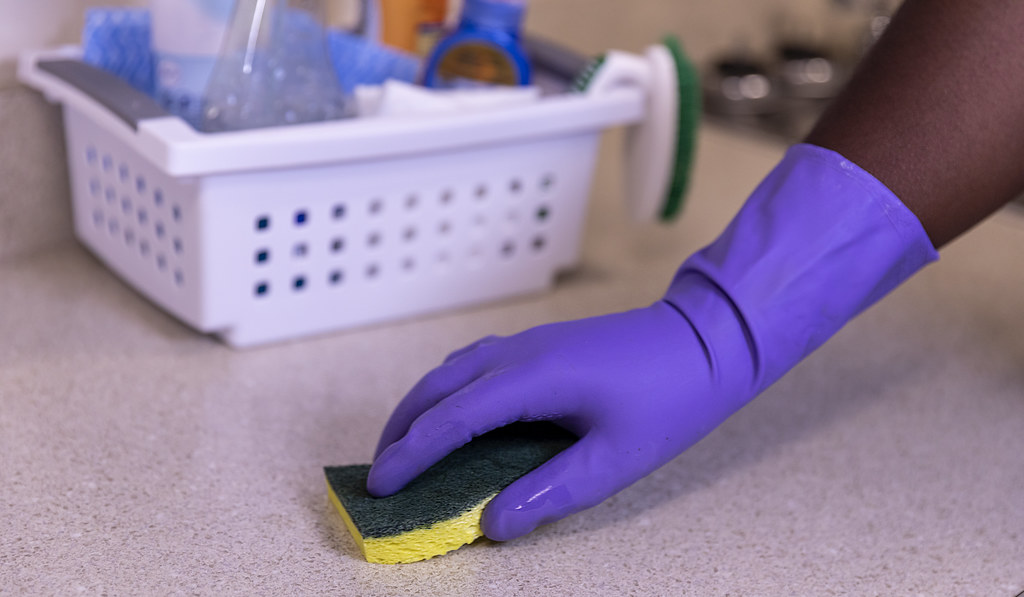
Simply rinsing your sponge with hot water or letting it air dry isn’t enough to eliminate the bacterial carnival happening within its porous structure. To keep your sponge clean and prevent spreading bacteria, clean it at least once a week. Here are some good ways to clean a sponge: Microwave the wet sponge on high for 1 minute (but only if the sponge doesn’t have any metal in it); soak the sponge in 10% bleach for 1 minute; soak it in 70% ethanol for 1 minute; or run the sponge through the dishwasher (1 complete cycle) on the hot cycle.